
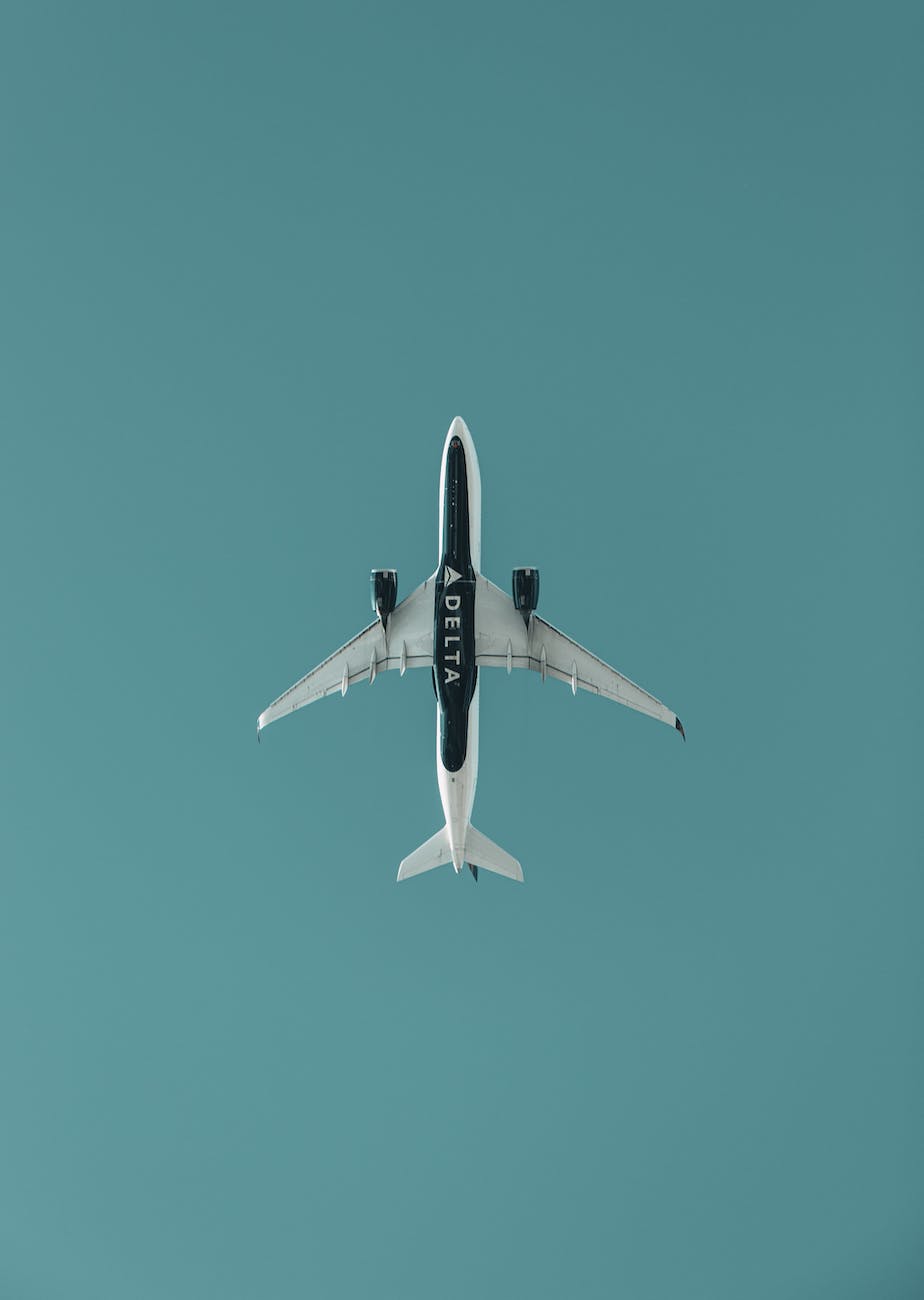
Delta Air Lines connects its modern identity to an unusual beginning in agricultural aviation. Understanding that history is more useful than relying on a changing destination count or a blanket claim that every flight offers the same cabin experience.
From crop dusting to passenger flights
According to the Delta Flight Museum, the airline’s roots are in Huff Daland Dusters, incorporated in 1925. Delta began passenger service in 1929. Those are distinct milestones; describing Delta as simply founded in 1924 obscures the history of the predecessor operation and the later airline.
The museum’s archives connect aircraft, employees and route development across the decades. They are a useful resource for enthusiasts interested in the transition from agricultural flying to passenger service and the jet age.
Check the current aircraft, rather than an old fleet list
Delta’s aircraft overview lists mainline and Delta Connection aircraft and links to seat maps and amenities. Its current Boeing and Airbus fleet should not be confused with aircraft flown by a partner or previously flown by Delta. The earlier version of this article incorrectly listed Boeing 777s and 787s as current Delta-operated aircraft.
For a specific journey, look at the operating carrier and aircraft in your reservation. Aircraft substitutions can occur. Even two flights on the same model can have different seating configurations, so the model name alone does not establish your seat or cabin amenities.
Cabins and benefits depend on the flight
Seat products, entertainment, connectivity and power availability vary by aircraft and route. Review the booking details and seat map instead of assuming all published amenities are available on every service. SkyMiles benefits also depend on the fare, membership and applicable program rules.
Use history for context and current pages for planning
An airline profile can explain what makes a brand familiar, but it cannot guarantee punctuality or a particular experience. Use Delta’s current flight information for a booking and the Flight Museum for historical questions. Keeping those sources separate makes both the travel advice and the aviation story more accurate.