
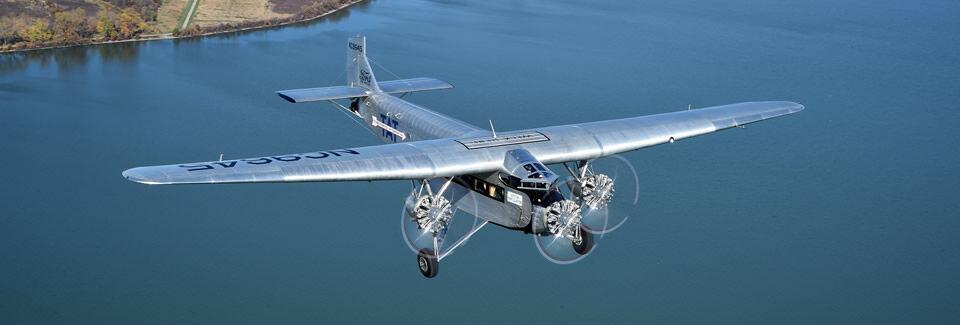
Aviation changed transportation through a combination of aircraft, infrastructure and organization. Faster airplanes mattered, but airports, weather information, maintenance and reliable operations were needed before flying could become routine travel. Its history is more than a list of ever-larger machines.
Flight before the airliner
Balloons and gliders helped people explore flight before powered airplanes became practical. The Wright brothers’ 1903 flights combined propulsion with a workable approach to control. The Smithsonian’s Wright brothers exhibition explains how experimentation led to that result. Their work did not immediately produce the airline system travelers recognize today.
Building passenger transport
Early passenger operations faced limits in range, reliability and comfort. Mail contracts and developing route networks helped sustain operators while designs improved. Aircraft such as the Douglas DC-3 became part of the transition toward more practical passenger service, but commercial success also required ground support and dependable schedules.
The National Air and Space Museum’s passenger-flight history traces how the travel experience evolved. It connects technical change with the people who operated and used airlines, rather than treating every innovation as immediately available to everyone.
Jets and larger networks
Jet airliners shortened journeys and reshaped airline economics. Widebody aircraft later expanded capacity on suitable routes. Larger capacity did not remove all the limits on travel: demand, fares, airport facilities and international agreements still influenced where airlines could fly and who could afford a ticket.
Aviation's wider effects
Air travel supports tourism, business, cargo movement and connections between communities. It also creates environmental and infrastructure challenges. Technology can change the possibilities, while regulation and investment shape how those possibilities are used.
Explore the history in context
The Smithsonian’s America by Air exhibition brings those threads together through aircraft and artifacts. When reading a timeline, distinguish first flight, entry into airline service and widespread adoption. Those events can be years apart, and keeping them separate makes aviation history easier to understand.