
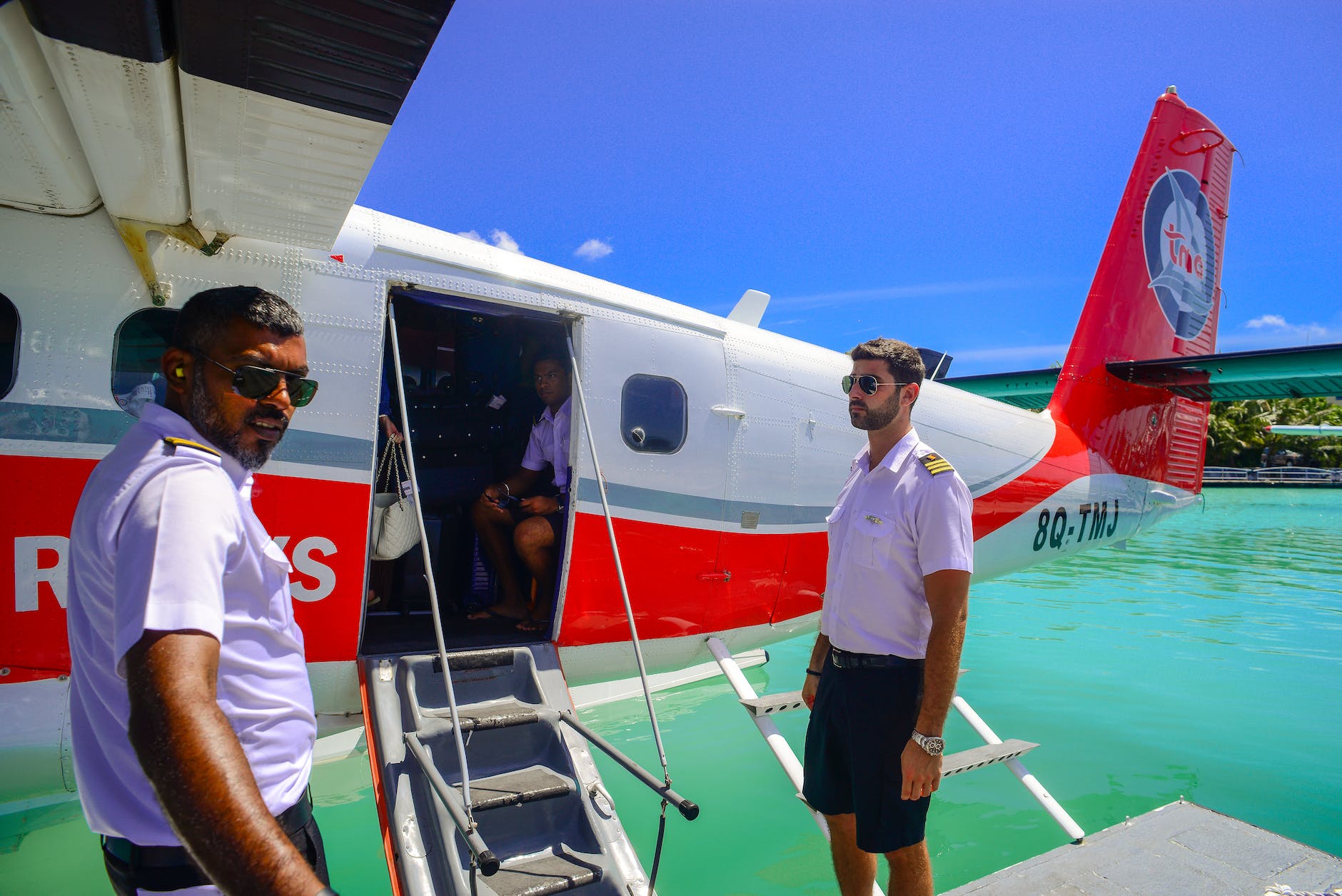
A lighthearted aviation comparison. Superheroes and pilots both capture the imagination: the view from above, a dramatic departure and the idea of helping other people. The resemblance makes a fun conversation starter for aviation fans. Real flying, however, depends on training, teamwork and ordinary preparation rather than extraordinary powers.
The appeal of the sky
Fiction often makes flight a symbol of freedom. A character lifts off, crosses a city and arrives exactly where help is needed. Airplanes offer their own sense of possibility, but a real journey involves weather, fuel, airspace, maintenance and a suitable place to land. Those details are part of what makes aviation interesting.
For a child interested in both subjects, comparing a superhero’s imaginary vehicle with a museum aircraft can lead to useful questions. What provides lift? Where does the energy come from? How does the pilot know where to go? There is no need to turn every story into a technical lecture; curiosity is a good starting point.
The strongest comparison is teamwork
A pilot does not make an airline trip happen alone. Cabin crew, dispatchers, mechanics, ground staff and air traffic personnel have distinct responsibilities. A fictional hero may be the center of the story, while a successful flight depends on people carrying out their own roles and communicating clearly.
That is a better lesson than suggesting pilots are fearless or never make mistakes. Recognizing limits, asking for help and following a sound plan are strengths. A dramatic last-minute rescue is entertaining in a film; careful preparation is valuable in real life.
Turn an interest into an activity
The Smithsonian’s aviation exhibitions offer real aircraft and stories to explore. Try a museum visit, an age-appropriate model project or a drawing of an aircraft with each part labeled. Families can enjoy the fantasy while giving the real people and machines behind aviation their own place in the story.