Posted on

10 Ways to Avoid and Cure Jet Lag

miniature airplane and hand of person over drawn map

Tired from your last flight? Looking for some relief? Well here are 10 Ways to Avoid and Cure Jet Lag. Jet lag can be a real bummer. It can make you feel groggy, disoriented, and generally out of sorts, making it hard to enjoy your trip. But fear not! There are several ways to combat jet lag, and with a little planning and preparation, you can minimize its effects and make the most of your travels. Here are 10 ways to cure jet lag:


  1. Adjust to the local time before you leave: Start adjusting your sleep schedule to the time zone you’ll be traveling to a few days before your trip. This will help your body get used to the new time zone and make the transition easier.
  2. Stay hydrated: Dehydration can make jet lag worse, so make sure to drink plenty of water before, during, and after your flight.
  3. Get some exercise: Exercise is a great way to fight jet lag. Not only does it keep you active and energized, but it also helps regulate your circadian rhythm.
  4. Limit caffeine and alcohol: Both caffeine and alcohol can dehydrate you and disrupt your sleep, making jet lag worse. Try to limit your consumption of these substances while traveling.
  5. Take melatonin: Melatonin is a hormone that helps regulate your sleep cycle. Taking a melatonin supplement before bed can help you fall asleep faster and stay asleep longer.
  6. Use earplugs and an eye mask: A little darkness and silence can go a long way when it comes to sleeping on a plane. Try using earplugs and an eye mask to block out any unwanted light and noise.
  7. Use a travel pillow: A travel pillow can help you sleep more comfortably on the plane, making it easier for you to rest and reduce jet lag.
  8. Try aromatherapy: Certain scents, such as lavender and vanilla, have been known to promote relaxation and sleep. Try using a lavender-scented pillow spray or diffusing some vanilla essential oil in your hotel room.
  9. Take a nap: If you’re feeling groggy and disoriented after your flight, try taking a nap. Even a short 20-minute nap can help you feel more refreshed and energized.
  10. Be patient: Remember that it takes time for your body to adjust to a new time zone. Be patient and give yourself a few days to fully recover from jet lag.

By following these tips, you can minimize the effects of jet lag and make the most of your travels. Happy journey!

Posted on

Airlines that have closed since 2020

Here are some Airlines that have closed since 2020 or filed for bankruptcy, we hope some were able to make it. The aviation industry has been greatly impacted by the COVID-19 pandemic, which has caused widespread travel restrictions and a sharp decline in passenger demand. Many airlines have been forced to cut flights, furlough employees, and seek government aid in order to survive. Unfortunately, some airlines have been unable to weather the storm and have been forced to shut down operations. Here is a list of some of the airlines that have closed since 2020:


  1. Flybe: The UK’s largest regional airline, was the first airline to fall victim to the pandemic. The company, which had been struggling financially for some time, was unable to secure a government bailout and was forced to shut down operations in March 2020.
  2. Transavia: Dutch low-cost carrier Transavia was forced to shut down its operations in April 2020 due to the pandemic. The airline had been a subsidiary of Air France-KLM and operated flights to destinations in Europe, Africa, and the Middle East.
  3. Wizz Air: Hungarian low-cost carrier Wizz Air announced in April 2020 that it would be closing its base at London Luton Airport and laying off staff due to the pandemic.
  4. Virgin Australia: In April 2020, Virgin Australia announced that it would be entering voluntary administration due to the impact of the pandemic on travel demand. The airline’s assets were later sold to private equity firm Bain Capital.
  5. Hong Kong Express: Hong Kong Express, a low-cost carrier based in Hong Kong, was forced to shut down operations in May 2020 due to the pandemic. The airline had been a subsidiary of Cathay Pacific and operated flights to destinations in Asia.
  6. Air Belgium: a Belgian charter airline, announced in December 2020 it will cease operations, due to the financial impact of the pandemic.
  7. Aigle Azur: the French airline announced in September 2020 it will cease operations.
  8. Air Asia X: the long-haul arm of AirAsia, announced in August 2021 that it would be shutting down its operations due to the ongoing impact of the pandemic on travel demand.
  9. XL Airways: French charter airline XL Airways filed for bankruptcy in September 2021 due to the ongoing impact of the pandemic on travel demand.
  10. Adria Airways: Slovenian flag carrier Adria Airways filed for bankruptcy in November 2021, citing the ongoing impact of the pandemic on travel demand as the main reason for the closure.

These are just a few examples of airlines that have closed since 2020, as the pandemic continues to affect the aviation industry worldwide. Many airlines continue to face financial struggles and more airlines may have to close or file for bankruptcy in the future. It’s always a good idea to check the airlines’ website or talk to their customer service before making a reservation.

Posted on

The world’s longest flights

photo of an emirates airplane

The world’s longest flights are a true test of endurance for both passengers and crew. These flights can last for over 20 hours and cover distances of over 8,000 miles.

One of the longest flights currently in operation is Qantas Airways’ non-stop service from New York to Sydney. This flight covers a distance of over 8,600 miles and takes around 19 hours to complete. This route is operated using the airline’s Boeing 787-9 Dreamliner aircraft, which is specifically designed to handle long-haul flights.


Another long-haul flight is Singapore Airlines’ non-stop service from Singapore to Newark. This flight covers a distance of around 8,000 miles and takes around 18 hours and 45 minutes to complete. This route is operated using the airline’s Airbus A350-900ULR aircraft, which is also designed to handle long-haul flights.

Other long-haul flights include:

  • Emirates’ non-stop service from Dubai to Auckland, which covers a distance of around 8,824 miles and takes around 17 hours and 15 minutes to complete.
  • United Airlines’ non-stop service from San Francisco to Singapore, which covers a distance of around 8,446 miles and takes around 17 hours and 30 minutes to complete.
  • Air India’s non-stop service from Delhi to San Francisco, which covers a distance of around 8,010 miles and takes around 17 hours and 30 minutes to complete.
  • American Airlines’ non-stop service from Los Angeles to Sydney. which covers a distance of around 8,646 miles and takes around 17 hours and 15 minutes to complete. This route is operated using the airline’s Boeing 777-300ER aircraft, which is designed to handle long-haul flights.

Despite the challenges of such long flights, many people choose to take these routes for the convenience of not having to change planes and for the time saved. However, it’s important for passengers to be prepared for the physical and mental demands of such a long flight, and to take steps to stay comfortable, such as stretching, staying hydrated, and avoiding alcohol and caffeine.


In conclusion, the world’s longest flights are a true test of endurance, but for those who are willing to endure the long hours in the air, the convenience and time saved can make it worth it. These flights are operated using specially designed aircraft to make the journey as comfortable as possible for passengers and crew.

Posted on

Pilot Rest Rules: What are they? Protecting Fatigued Pilots around the World

man sleeping beside a woman

Pilot fatigue is a serious issue in the aviation industry hence why Pilot Rest Rules are so extremely important. Fatigue can lead to decreased performance and increased risk of accidents. To address this issue, various regulatory bodies have established rules and guidelines for pilot rest. In this blog post, we will take a closer look at these rules and why they are important for ensuring the safety of passengers and crew.

FAA

The Federal Aviation Administration (FAA) in the United States sets the rules for pilot rest, which are outlined in the Federal Aviation Regulations (FARs). According to these regulations, pilots are required to have a minimum of 8 hours of rest in a 24-hour period, and this rest period must include at least two periods of sleep, one of which must be at least 8 hours long. Additionally, pilots are not allowed to fly more than 30 consecutive hours without at least 8 hours of rest.

EASA

The European Union (EU) has similar regulations in place, with the European Aviation Safety Agency (EASA) setting the rules for pilot rest. These regulations require that pilots have a minimum of 9 hours of rest in a 24-hour period, with one of these rest periods being at least 6 hours long and including a sleep period of at least 3 hours. Additionally, pilots are not allowed to fly more than 28 consecutive hours without at least 9 hours of rest.

These rest requirements are in place to ensure that pilots are well-rested and able to perform their duties safely. Fatigue can lead to decreased reaction time, impaired decision-making, and reduced situational awareness, all of which can increase the risk of accidents. By requiring pilots to have adequate rest, regulatory bodies are able to mitigate this risk and ensure the safety of passengers and crew.

Limits

In addition to these rest requirements, there are also regulations in place that limit the number of flight hours that pilots can fly in a given period of time. For example, the FAA limits pilots to a maximum of 100 flight hours per month, while the EASA limits pilots to a maximum of 900 flight hours per year. These limits are in place to prevent pilots from becoming overworked and fatigued, and to ensure that they have adequate time for rest and recovery.

ICAO

It’s also worth mentioning that the International Civil Aviation Organization (ICAO) has also established standards for pilot rest, which are similar to those set by the FAA and EASA. However, individual countries are responsible for implementing these standards, and may have slightly different regulations.

Conclusion of Pilot Rest Rules

In conclusion, pilot rest rules are in place to ensure the safety of passengers and crew by preventing fatigue and ensuring that pilots are well-rested and able to perform their duties safely. These rules are established by regulatory bodies such as the FAA, EASA and ICAO, and limit the number of flight hours that pilots can fly and require them to have adequate rest. By adhering to these rules, we can reduce the risk of accidents and ensure that air travel remains one of the safest modes of transportation.

Posted on

How to get a First Class upgrade for free.

First Class Travel

Looking to get a First Class upgrade for free? Traveling in first class is a luxurious experience, with comfortable seats, delicious food, and impeccable service. But, let’s face it, first class can be expensive. However, there are ways to get a first-class upgrade for free on most airlines. Here are some tips on how to do it:

  1. Join the frequent flyer program: Most airlines offer a frequent flyer program that rewards passengers with points or miles for each flight they take. These points can then be used to upgrade to first class. So, if you’re a frequent flyer, make sure to join the program and start accumulating points.
  2. Be a credit card holder: Many credit card companies partner with airlines to offer cardholders free first-class upgrades. For example, if you have a certain type of credit card, you may be able to use points or miles to upgrade to first class.
  3. Fly on a full flight: If the flight is full and the airline has overbooked the flight, they may offer passengers the chance to upgrade to first class for free. This is because they want to incentivize passengers to give up their seats for a later flight.
  4. Dress nicely: Dressing nicely can go a long way when it comes to getting a free upgrade. If you look professional and put together, the airline staff may be more likely to offer you an upgrade.
  5. Be nice to the staff: Being polite and friendly to the airline staff can go a long way when it comes to getting a free upgrade. If you’re nice to the staff, they may be more likely to remember you and offer you an upgrade.
  6. Be flexible: If you’re flexible with your travel dates and can fly on different days or at different times, you may be more likely to get a free upgrade. Flights that are not full may be more likely to offer upgrades to those who are flexible.
  7. Be Loyal: If you fly frequently with the same airline, you are more likely to get an upgrade.
  8. Fly on a low-demand route: If you’re flying on a route that isn’t in high demand, you may be more likely to get a free upgrade. So, if you’re open to flying to different destinations, look for flights on low-demand routes.

In conclusion, getting a first-class upgrade for free is not guaranteed, but by following these tips, you’ll increase your chances of getting an upgrade. Remember that the best way to get an upgrade is to be a frequent flyer, be a credit card holder, be flexible, be nice to the staff, dress nicely and be loyal to the airline. Happy travels!

Posted on

A little about Delta Air Lines

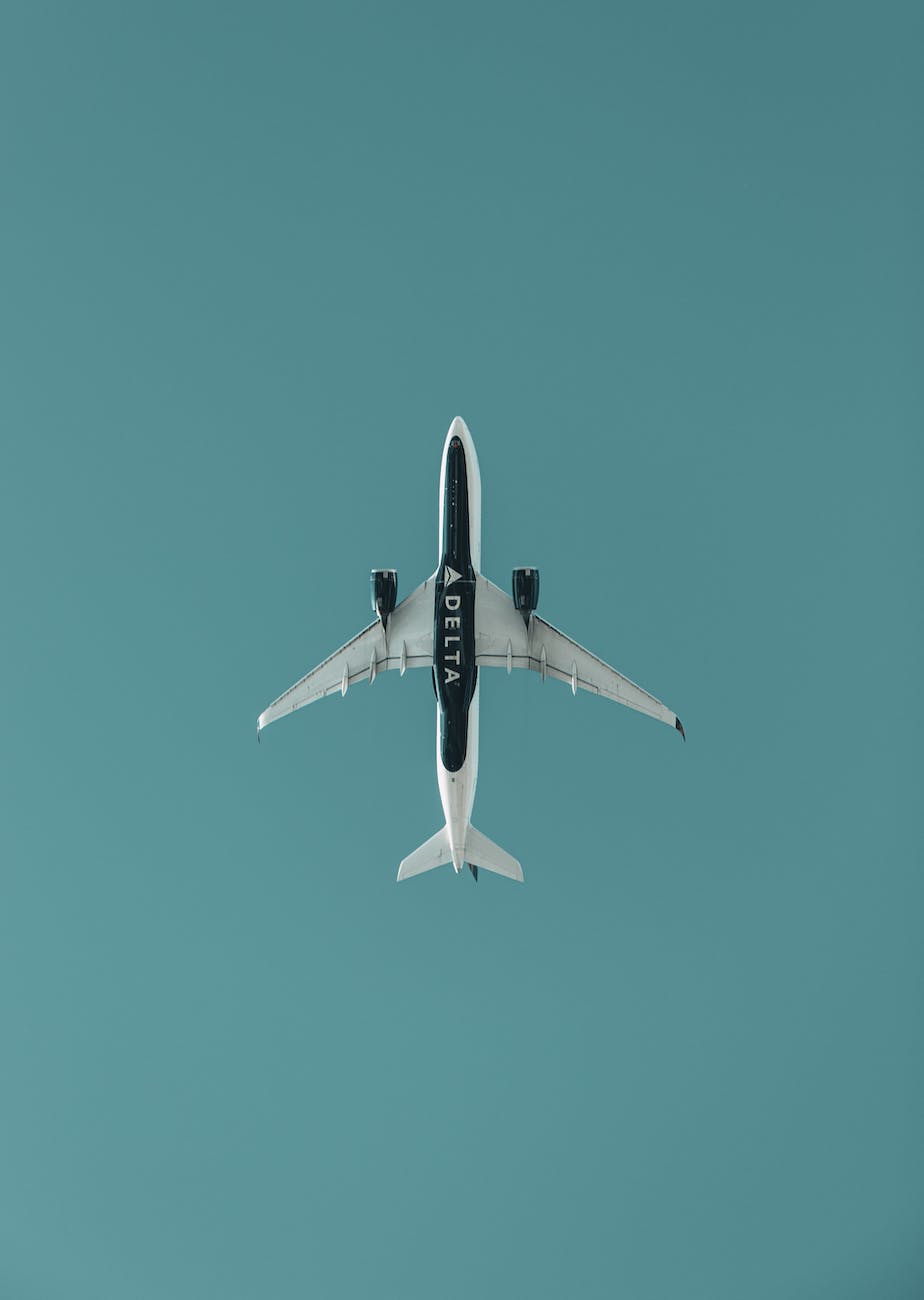
white airplane in a blue sky

Delta Air Lines, Inc. is one of the major American airlines that operates flights to more than 325 destinations in 52 countries around the world. The company was founded in 1924, making it one of the oldest airlines in the world. It is headquartered in Atlanta, Georgia and operates a major hub at Hartsfield–Jackson Atlanta International Airport.

Delta Air Lines offers a wide range of services to its customers, including economy, premium economy, business and first class seating options. It also offers a number of inflight amenities such as in-flight entertainment, Wi-Fi, and power outlets. Additionally, the airline offers a loyalty program, SkyMiles, which allows customers to earn miles and redeem them for flights, upgrades, and other perks.


Delta’s fleet of aircraft is one of the most modern and efficient in the industry. The airline operates a mix of Boeing and Airbus aircraft, including the Boeing 737, 757, 767, 777, and 787, as well as the Airbus A220 and A330. The company is also investing in more fuel-efficient planes, such as the Airbus A350 and the Boeing 787 Dreamliner, to reduce its environmental impact.

Delta’s route network is extensive, with flights to destinations throughout North America, South America, Europe, Asia, and Africa. The airline also has a number of partnerships and codeshare agreements with other airlines, which allows customers to book flights on other airlines and earn miles in the process.

In terms of customer service, Delta has a reputation for being one of the best airlines in the industry. The company has a dedicated team of customer service agents who are available to assist customers with any issues or concerns they may have. Additionally, Delta has a number of self-service options, such as online check-in and mobile boarding passes, which make it easy for customers to manage their travel plans.


Overall, Delta Air Lines is a reliable and reputable airline that offers a wide range of services to its customers. With its extensive route network, modern fleet of aircraft, and commitment to customer service, it is no wonder that it is one of the most popular airlines in the world.

Posted on

NOTAM System Explained

FAA Seal

The Notice to Airmen (NOTAM system), now called the Notice to Air Missions (NOTAM) system, is an essential tool for pilots and air traffic controllers to stay informed about important information that may affect their flight. NOTAMs are issued by the Federal Aviation Administration (FAA) and provide information about temporary changes to the airspace, such as closed runways, construction, or military exercises.

One of the key benefits of the NOTAM system is that it allows for real-time updates and changes to the airspace. This is particularly important for pilots, as it allows them to plan their flights accordingly and avoid any potential hazards. For example, if a runway is closed for maintenance, a NOTAM will be issued to inform pilots that they should not plan to land or take off from that runway.


In addition to providing information about changes to the airspace, NOTAMs also provide information about other important factors that may affect a flight. This can include weather conditions, such as thunderstorms or icing, as well as information about navigation aids, such as out-of-service VORs (VHF Omnidirectional Range stations).

The NOTAM system is also important for air traffic controllers, as it allows them to stay informed about changes to the airspace and plan their operations accordingly. For example, if a runway is closed for maintenance, air traffic controllers will need to redirect incoming and outgoing flights to other runways.

Overall, the NOTAM system is an essential tool for pilots and air traffic controllers to stay informed about important information that may affect their flight. It allows for real-time updates and changes to the airspace, and provides information about other important factors that may affect a flight, such as weather conditions and navigation aids.


On January 11, 2023, the Notice to Airmen (NOTAM) system experienced a major crash, causing widespread disruption and confusion for pilots and air traffic controllers across the United States.


The crash resulted in the system being down for several hours. During this time, pilots were unable to access important information about the airspace, such as closed runways and temporary flight restrictions. Air traffic controllers were also affected, as they were unable to access NOTAMs to plan their operations and redirect incoming and outgoing flights.

The cause of the crash is still under investigation, but initial reports suggest that it may have been caused by a technical malfunction. The FAA has stated that they are working to determine the cause of the crash and to restore the NOTAM system as quickly as possible.

The impact of the crash was significant, with hundreds (maybe even thousands) of flights being delayed or rerouted. Many airports across the country experienced major disruptions, with some even being forced to close temporarily. The FAA has advised pilots to check for updates on the status of the NOTAM system before departing on their flight, and to contact their nearest flight service station for information on current NOTAMs.

The incident has raised concerns about the resilience and reliability of the NOTAM system, and has highlighted the importance of having backup systems in place in case of a major failure. Many pilots and air traffic controllers have expressed frustration with the lack of communication and information provided during the incident, and have called for the FAA to improve their emergency response procedures.

The FAA has stated that they are taking the incident very seriously and are committed to ensuring that a similar incident does not occur in the future. They have also reassured the public that safety was not compromised during the incident, and that all necessary measures were taken to ensure the safe operation of flights.

Overall, the NOTAM system crash on January 11, 2023, caused widespread disruption and confusion for pilots and air traffic controllers across the United States. The cause of the crash is still under investigation, and the FAA has stated that they are working to determine the cause and to restore the NOTAM system as quickly as possible. The incident has raised concerns about the resilience and reliability of the NOTAM system and the FAA is committed to ensuring that a similar incident does not occur in the future.

Posted on

Becoming an airline pilot

Airline Pilots walking outside

Thinking of becoming an airline pilot? It is a dream for many, but it’s important to understand that it takes a significant amount of time, dedication, and money to achieve this goal. Here’s a step-by-step guide on how to become an airline pilot:

  1. Get your private pilot’s license (PPL): The first step in becoming an airline pilot is to obtain your private pilot’s license (PPL). This requires a certain number of flight hours, passing a medical exam, and passing a written and practical exam. The requirements and cost of obtaining a PPL vary depending on where you live and where you train.
  2. Get your commercial pilot’s license (CPL): Once you have your PPL, you can begin training for your commercial pilot’s license (CPL). This license allows you to fly for hire and requires additional flight hours, training, and exams. The requirements and cost of obtaining a CPL are typically higher than those of a PPL.
  3. Get your instrument rating: To fly in all weather conditions, you will need to obtain an instrument rating. This training allows pilots to fly solely by reference to instruments, rather than visual cues, and requires additional flight hours and training.
  4. Get your multi-engine rating: Many airlines require pilots to have a multi-engine rating, which allows you to fly aircraft with more than one engine. This requires additional flight hours and training.
  5. Get your Airline Transport Pilot License (ATPL): The final step in becoming an airline pilot is to obtain an Airline Transport Pilot License (ATPL). This license allows you to fly as a captain for an airline and requires even more flight hours and training, as well as passing written and practical exams.
  6. Get your Type Rating: Once you have ATPL, you will have to get type rating for the specific aircraft you will be flying. This training is specific to the aircraft you will be flying and includes both ground school and simulator training.
  7. Get Experience: To increase your chances of getting hired by an airline, you need to gain experience as a pilot. You can do this by working as a flight instructor, charter pilot, or corporate pilot.
  8. Apply for Job: Once you have completed all the above steps and have enough experience, you can start applying for jobs at airlines.

It’s important to note that the requirements and cost of becoming an airline pilot vary depending on the country and the airline. Additionally, the competition for airline pilot jobs is fierce, so it’s important to have a solid resume and good references.

Becoming an airline pilot is a challenging, but rewarding, career path. It takes a significant amount of time, dedication, and money to achieve this goal, but with hard work and perseverance, it can be done.