Posted on

Visit New York City on a Budget

Empire State Building

New York City is one of the most popular travel destinations in the world, but it can also be one of the most expensive. To Visit New York City on a Budget a little bit of planning and creativity will be needed, it’s possible to experience all that the city has to offer without breaking the bank. In this blog post, we’ll share some tips and tricks for budget travel to New York City.

One of the best ways to save money on your trip is to find budget-friendly accommodation. Instead of staying in a hotel, consider booking a room in a hostel or Airbnb. Hostels in New York City offer clean, comfortable dormitory-style rooms that are perfect for solo travelers or groups of friends. Airbnb rentals can also be a great option, and you can often find deals on entire apartments that are much cheaper than a hotel room.

Transportation is another major expense when visiting New York City. A 7-day unlimited metro card cost around $33, however, it’s worth it if you’re planning on doing a lot of traveling around the city. The subway is an efficient and affordable way to get around, but it’s also worth considering walking or biking. New York City has a bike-sharing program called Citi Bike, which allows you to rent a bike for as little as $12 per day. Walking is also a great way to see the city, and many of the major tourist attractions are within walking distance of each other.

When it comes to food, New York City is famous for its diverse and delicious food options, and you can find amazing meals at a wide range of price points. You could have delicious street food like pretzels, hotdogs or pizza slices, or you could dine at some of the best restaurants in the world, but either way, you’re likely to spend a lot of money. One way to save money on food is to eat your meals at the local street vendors and delis, where you’ll find plenty of delicious and cheap options. Another way to save money is to cook your own meals in your Airbnb or hostel. Many places will have basic cooking facilities and you can save a lot of money by buying your own groceries and cooking for yourself.

New York City is also known for its world-class museums and galleries, but many of them charge an admission fee. However, there are many free museums and galleries you can visit, such as The Metropolitan Museum of Art, American Museum of Natural History and the National Museum of the American Indian. If you’re a student, it’s also worth bringing your student ID to get discounts on admission fees.

Finally, one of the best ways to save money in New York City is to plan ahead. Before you leave for your trip, research the best deals on flights, accommodation, and activities. By being prepared and knowing what to expect, you’ll be able to save money and make the most of your trip.

In conclusion, while New York City can be an expensive place to visit, it is definitely possible to experience all the city has to offer without breaking the bank. With a bit of planning, creativity and patience you can have an amazing experience in the city that never sleeps. From finding budget-friendly accommodation, using public transportation, eating street food, visiting free museums and galleries, and planning ahead, you can save money and still have an unforgettable trip to one of the most iconic cities in the world

Posted on

Luxury Travel Destinations

Maldives

When it comes to Luxury Travel Destinations, the world is your oyster. From tropical paradises to snowy mountaintops, there’s a luxury destination to suit every taste and budget. Some popular luxury destinations include tropical islands such as the Maldives, Bora Bora, and the Seychelles, which offer crystal clear waters, white sand beaches, and luxury resorts.

Luxury travel is all about experiencing the best that life has to offer, whether it’s staying in a five-star hotel, dining at Michelin-starred restaurants, or indulging in the finest wines and champagnes. From luxurious resorts to private villas and yachts, luxury travel offers an unparalleled level of comfort, service, and style.

Luxury travel is all about indulging in the finest things in life and experiencing the very best that the world has to offer. Whether it’s staying in a five-star hotel, dining at world-renowned restaurants, or taking a private jet to a remote island, luxury travel is all about pampering yourself and creating memories that will last a lifetime. There are a variety of luxury destinations around the world, each offering its own unique experiences and amenities.

One of the most popular luxury destinations is the French Riviera. This stretch of coastline on the Mediterranean Sea is known for its glamorous resorts, world-class restaurants, and luxurious yachts. Many of the world’s wealthiest and most famous people flock to the French Riviera each year to experience its chic boutiques, museums and art galleries, and the famous Cannes Film Festival.

Europe is also a popular destination for luxury travel, with cities such as Paris, London, and Rome offering a wealth of high-end shops, restaurants, and hotels. Additionally, countries like Switzerland and Austria are famous for their ski resorts and provide an elegant and luxurious experience for the winter sports enthusiasts.

Another luxury destination is the Maldives. This group of islands in the Indian Ocean is known for its crystal clear waters, white sandy beaches, and luxury resorts. Many of the resorts are located on private islands, offering guests the ultimate in seclusion and privacy. The Maldives is also a popular destination for diving and snorkeling, with its warm waters home to an abundance of marine life.

For culture enthusiasts, Luxury travel to Italy would be great. The country has a wealth of art, history, and architecture to explore. From the ancient ruins of Rome to the museums of Florence, and the canals of Venice, Italy offers something for everyone. And of course, there’s the food, which is some of the best in the world. And all of this can be enjoyed in luxurious resorts, villas, or hotels that offer the very best in comfort, service and amenities.

For those who love winter sports, the Swiss Alps is another luxury destination. Known for its world-class skiing and snowboarding, the Swiss Alps are home to some of the most exclusive and luxurious ski resorts in the world. Guests can enjoy the beautiful mountain scenery, top-of-the-line facilities, and five-star service while indulging in the winter sports activities. The Swiss Alps are also a great destination for summer activities like hiking and mountain biking

For those who love adventure and the great outdoors, luxury destinations such as Africa and South America offer a wealth of opportunities for luxury safari experiences, where you can stay in luxurious tented camps and lodges while exploring the wilderness and observing wildlife in their natural habitat.

Another destination for luxury travel is Dubai, the city offers a unique blend of the traditional and the modern. With the world’s tallest building, the Burj Khalifa, and the largest shopping mall, Dubai Mall, to the traditional souks, Dubai offers a variety of experiences for luxury travelers. The city also offers a wide range of luxury resorts and spas. Additionally, Dubai’s beaches and warm climate make it a perfect place to unwind and relax.

For a tropical paradise, Bali is a great luxury destination. This Indonesian island offers a perfect blend of natural beauty, cultural heritage and luxury accommodation. From the beautiful beaches to the lush rice terraces, the island is a visual feast for the senses. Bali is also home to some of the world’s most luxurious resorts and spas. Many of these resorts offer luxurious villas and private pools, providing guests with the ultimate in privacy and relaxation.

Another popular luxury destination is Asia, with countries like Japan, China, and Thailand offering a unique blend of ancient culture and modern luxury. Japan, for instance, offers a unique blend of traditional and modern culture, with luxury hotels, world-renowned sushi restaurants and exclusive private tours of historical sites and traditional gardens.

When it comes to luxury travel, the possibilities are endless. Whether you’re looking for a romantic getaway, a family vacation, or an adventure of a lifetime, there’s a luxury destination that’s perfect for you. The key is to find a destination that aligns with your interests and preferences and plan accordingly.

Luxury travel also offers a range of activities and experiences. From spa treatments, yoga and fitness classes, to outdoor activities such as golf, tennis, and water sports, luxury destinations offer a range of activities to keep you busy and entertained. Additionally, many luxury destinations offer exclusive experiences such as private tours, wine tastings, and cultural experiences.

In conclusion, luxury travel offers the ultimate in luxury and indulgence, providing guests with an unforgettable experience. The world has a wide range of luxury destinations, each with its own unique experiences and amenities. From the glamorous resorts of the French Riviera to the secluded islands of the Maldives, and the ski resorts of the Swiss Alps to the tropical paradise of Bali, luxury travel offers something for everyone. Whether you’re looking for culture, adventure, or relaxation, there’s a luxury destination out there that will suit your needs.

Posted on

Leave No Trace principles

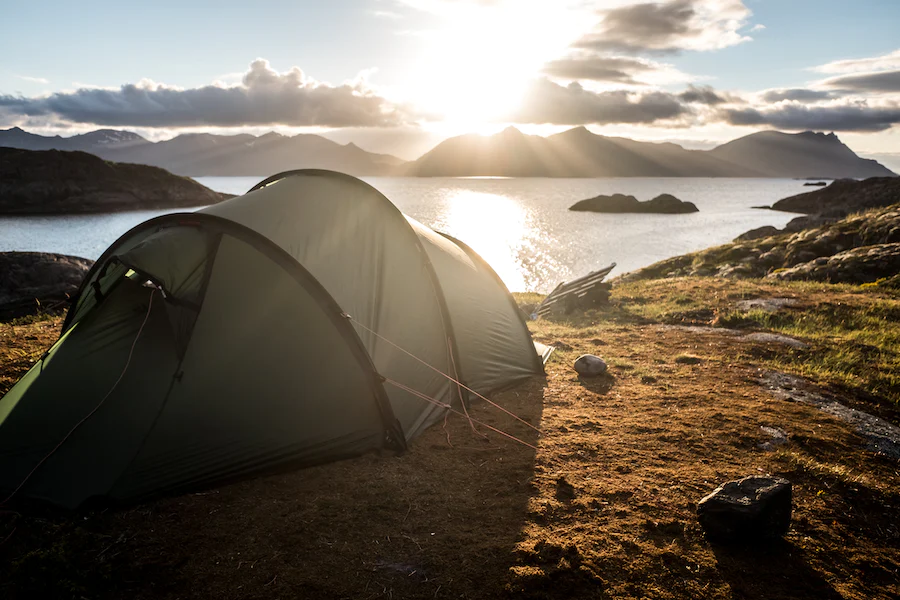
Camping by ocean

Leave No Trace principles are a set of guidelines designed to promote responsible outdoor ethics and reduce human impact on the environment. These principles were developed by the Leave No Trace Center for Outdoor Ethics, a nonprofit organization that works to educate people about the impacts of human activity on the natural world. By following these principles, individuals can help protect the wilderness and preserve it for future generations to enjoy.

The Leave No Trace Seven Principles are:

  1. Plan Ahead and Prepare: This principle encourages individuals to be prepared before heading out into the wilderness. Research the area you’ll be visiting, the weather conditions, and the necessary gear and equipment. By planning ahead, you can ensure that you have everything you need for a safe and enjoyable trip.
  2. Travel and Camp on Durable Surfaces: This principle encourages individuals to stay on designated trails and campsites to minimize the impact on the environment. When possible, it is best to stick to durable surfaces, such as established trails and campsites, and avoid fragile areas such as meadows and wetlands.
  3. Dispose of Waste Properly: This principle encourages individuals to pack out all trash, leftover food, and litter. By properly disposing of waste, you can help keep the wilderness clean and free from pollution. Additionally, bury human waste in designated areas at least six to eight inches deep and at least 200 feet away from water sources, trails, and campsites.
  4. Leave What You Find: This principle encourages individuals to leave the wilderness as they found it. Avoid picking flowers, collecting rocks, or removing other natural items. Also, leave historical and cultural artifacts as you find them.
  5. Minimize Campfire Impact: This principle encourages individuals to use a stove for cooking instead of building a campfire. When fires are necessary, use established fire rings, fire pans or mound fires. Keep fires small and burn only small sticks and twigs that can be broken by hand. Burn only twigs and branches smaller than a pencil.
  6. Respect Wildlife: This principle encourages individuals to observe wildlife from a distance, so as not to disturb them. Feeding wild animals can disrupt natural behaviors and can be dangerous for both the animals and the people.
  7. Be Considerate of Other Visitors: This principle encourages individuals to be respectful of other visitors and to keep noise levels down, especially in the early morning and evening. It is important to respect the rights of other hikers and backpackers and to minimize the impact of your presence on the wilderness.

When following Leave No Trace principles, it’s important to be mindful of the impact of your actions on the environment and to take steps to minimize that impact. By being prepared, staying on designated trails, properly disposing of waste, leaving natural features as you find them, minimizing campfire impact, respecting wildlife and being considerate of other visitors, you can help preserve the wilderness for future generations to enjoy.

In addition to these principles, it’s also important to be aware of local regulations and laws that may be in place to protect the natural environment. Some areas may have specific rules and guidelines that must be followed to help protect the wilderness. Additionally, it’s important to educate oneself and others about Leave No Trace principles and the importance of protecting the environment.

In conclusion, Leave No Trace principles are a set of guidelines designed to promote responsible outdoor ethics and reduce human impact on the environment. By following these principles and being mindful of the impact of our actions on the environment, we can help preserve the wilderness for future generations to enjoy. By respecting the wilderness and the other visitors, you can make the wilderness trip more enjoyable for yourself and others.

Posted on

Adventure and Outdoor Travel Experiences

Paragliding

Documenting travel experience of Adventure and Outdoor Travel Experiences such as hiking, skiing and more.

Adventure and outdoor travel is all about getting out of your comfort zone and experiencing the thrill of the unknown. Whether you’re hiking through a remote mountain range, skiing down a snowy slope, or kayaking down a wild river, there’s nothing quite like the feeling of being out in nature and pushing yourself to your limits. Documenting your adventure and outdoor travel experiences can be a great way to preserve those memories and share them with others. Here are some tips for documenting your adventure and outdoor travel experiences:

First and foremost, invest in a good quality camera. If you’re serious about documenting your adventure and outdoor travel experiences, you’ll want to invest in a camera that is up to the task. A good quality camera will be able to capture the beauty of your surroundings and the thrill of your activities, whether you’re taking stills or videos. See our post about Best Electronic Gadgets to travel with. Consider a camera that can perform well in low light conditions and can take action shots. A good camera bag that can protect your gear from the elements is also an important investment.

Another important aspect of documenting your adventure and outdoor travel experiences is planning. Before you leave, research the best spots to photograph or film, and think about the angles and lighting that will make your shots most effective. Also, consider the best time of day to visit those spots. This will help you capture the best images or videos possible, and ensure that your memories are captured in the most beautiful way.

When you’re out exploring and documenting your adventure and outdoor travel experiences, don’t be afraid to get creative. Take photos and videos from different angles, and experiment with different lighting and exposure. The more creative you are, the more interesting your shots will be. You can also try taking photos and videos from a different perspective, such as from the ground, or from the water if you’re kayaking.

Another important part of documenting your adventure and outdoor travel experiences is capturing the emotions and feelings that you’re experiencing. Whether it’s the awe-inspiring view from a mountain summit or the adrenaline rush of a fast-moving river, try to capture the emotions and feelings that you’re experiencing in your shots. This will help to make your photos and videos more personal and meaningful.

Make sure to take proper safety precautions when documenting your adventure and outdoor travel experiences. Traveling to remote locations and participating in outdoor activities can come with risks, so it’s important to be prepared. Always bring essential items such as a first aid kit, water, and a map. Also, be aware of the weather conditions and the terrain of the area you’ll be exploring.

It’s also important to respect the environment and local cultures when documenting your adventure and outdoor travel experiences. Always follow Leave No Trace principles, and be aware of any regulations or rules in place to protect the natural environment or local culture.

Posted on

Budget travel

Budget travel

Tips and advice for traveling on a budget and finding deals on flights, accommodation, and activities.

Budget travel can be a great way to explore new destinations and experience different cultures without breaking the bank. With a little bit of planning and research, you can find ways to save money on flights, accommodation, and activities, allowing you to stretch your budget further and make the most of your trip. Here are some tips and advice for traveling on a budget:

One of the most important things to consider when planning a budget trip is your transportation. Flights are often one of the most expensive parts of a trip, but with a little bit of research, you can find ways to save money on airfare. One tip is to book flights well in advance, as airlines often offer discounted fares for early bookings. Another tip is to be flexible with your travel dates, as prices can vary depending on the day of the week and the time of year.

Another way to save money on transportation is to consider alternative options such as buses and trains. These options may take longer, but can be significantly cheaper than flying. In some countries, taking a bus or train could also give you more time to appreciate the scenery and culture of the places you’re visiting.

When it comes to accommodation, there are many ways to save money while still finding a comfortable place to stay. One option is to look for budget-friendly hotels or hostels. These can often be found in more affordable areas of a city, and while they may not have all the luxuries of a more expensive hotel, they are usually clean, safe, and comfortable. Another option is to consider vacation rentals, such as apartments or homes, which can often be rented for less than the cost of a hotel. Online booking platforms like Airbnb or Booking.com may provide you deals on vacation rentals.

Camping is another great option for budget travelers. Not only is it affordable, but it also allows you to experience nature and get away from the hustle and bustle of the city. If you’re not comfortable with camping, you can also look into couchsurfing or house-sitting which can offer free accommodation in exchange for helping out with some tasks or duties.

When it comes to activities, there are plenty of ways to have fun and see the sights without spending a lot of money. One tip is to look for free or low-cost activities in your destination, such as visiting local parks, beaches, or museums. You can also look for deals on activities, such as discounted tickets to attractions or group tours.

Another way to save money on activities is to plan ahead. Research the activities you’re interested in and try to find deals or discounts. Many activities offer early bird discounts, group rates, or even free tours on certain days of the week. Furthermore, consider traveling off-season, as prices tend to be lower when fewer tourists are visiting a destination.

Food can also be a significant expense on a trip. To save money, you can consider cooking your own meals or opting for street food and local markets instead of restaurants. Street food and local markets can be a great way to experience local cuisine while also saving money. Also, you can consider packing a lunch when going out for a day trip, this way you can save some money and also be able to have a picnic wherever you are.

Another tip for budget travelers is to be mindful of currency exchange rates and credit card fees. It’s always a good idea to have some local currency on hand for small expenses, but be aware that some ATMs and exchange bureaus charge high fees. Look for cards that don’t charge foreign transaction fees as well.

In conclusion, traveling on a budget is possible if you’re willing to put in a little bit of effort and do your research

Posted on

How to pack like a pro!

How to pack like a pro airplaneTees How to pack like a pro! 1

Traveling can be exciting and fulfilling, but it can also be stressful, especially when it comes to packing. Whether you’re going on a weekend getaway or a month-long backpacking trip, you want to make sure you have everything you need without overpacking. Here are some tips to help you pack like a pro.

First and foremost, make a list. A packing list will help you keep track of what you need to bring and make sure you don’t forget anything important. Start by making a general list of the items you’ll need for your trip, such as clothes, toiletries, and travel documents, and then break it down by category. For example, for clothes, you might include items such as shirts, pants, dresses, and underwear. Don’t forget to include items for specific activities, such as hiking boots or swimsuits.

Next, consider the weather and the activities you’ll be doing. Make sure you pack clothing that is appropriate for the climate and temperatures of your destination. If you’re going to a place with a lot of rain, bring a rain jacket and an umbrella. If you’re going to a hot destination, pack light-colored, breathable clothes and a hat to protect you from the sun. Also, consider the activities you’ll be doing. If you’re going hiking, you’ll need proper shoes and clothing. If you’re going to the beach, you’ll need a swimsuit and a towel.

When it comes to clothes, it’s best to pack versatile items that can be mixed and matched to create multiple outfits. Stick to neutral colors such as black, white, and grey, as these can be easily paired with other colors. Instead of packing a lot of different outfits, pack a few basic items that can be dressed up or down depending on the occasion. This way, you’ll have more room in your suitcase for other essentials.

Toiletries are another important thing to pack, but you don’t want to overdo it. Stick to the essentials, such as toothpaste, toothbrush, shampoo, and soap. Avoid bringing full-size bottles of shampoo, conditioner, and other toiletries. Instead, opt for travel-size bottles or purchase them at your destination. Consider using a toiletry bag to keep everything organized and easy to find.

When it comes to electronics, it’s best to bring the essentials and leave the rest at home. Make sure to bring your phone, charger, and any other devices you might need, such as a camera or laptop. Also, make sure you bring any adapters or converters you might need if you’re traveling internationally. It’s also a good idea to bring a portable power bank to charge your devices on the go. See our blog post about Best Electronic Gadgets to travel with.

Another tip is to roll your clothes instead of folding them. Rolling your clothes saves space in your suitcase and helps prevent wrinkles. This is especially helpful if you’re short on space or if you’re packing delicate items that you don’t want to wrinkle.

Lastly, try to pack only what you know you will need, this way you can save space and weight in your luggage. You might be tempted to pack a lot of different things, “just in case” you need them, but in most cases, you’ll probably never use them. Instead, pack only what you know you’ll use and wear, and you’ll have a much more comfortable and stress-free trip. Remember, when packing for a longer vacation you can wear most items more than once assuming you don’t get them dirty. Underwear of course must be changed but a pair of jeans can be worn multiple days if you don’t get them too soiled.

In conclusion, packing for a trip can be a bit overwhelming, but with a little planning and organization, it doesn’t have to be. By making a list, considering the weather and activities, packing versatile clothing, bringing essentials toiletries, and rolling your clothes, you’ll be able to pack like a pro.

Posted on

Best Electronic Gadgets to travel with.

Electronic Board

When it comes to traveling, having the right electronic gear can make a huge difference in your overall experience. From keeping your devices charged and connected to capturing memories and entertainment on the go, having the right gear can help you make the most of your trip.

  • How to pack like a pro airplaneTees Best Electronic Gadgets to travel with. 5
  • How to pack like a pro airplaneTees Best Electronic Gadgets to travel with. 6
  • How to pack like a pro airplaneTees Best Electronic Gadgets to travel with. 7
  • How to pack like a pro airplaneTees Best Electronic Gadgets to travel with. 8
  • How to pack like a pro airplaneTees Best Electronic Gadgets to travel with. 9
  • How to pack like a pro airplaneTees Best Electronic Gadgets to travel with. 10

Traveling can be an exciting and enriching experience, but it can also be stressful and overwhelming. One of the most challenging aspects of traveling is trying to keep all of your electronic gear organized and protected. From smartphones and laptops to cameras and chargers, it can be difficult to know which electronic gear you should take with you and how to best protect it. In this blog post, we’ll take a look at some of the best electronic gear to travel with, as well as some tips for keeping your gear safe and organized.

Here are some of the Best Electronic Gadgets to travel with:

  1. Portable Charger: Having a portable charger is essential when traveling, especially if you’re going on a long trip or plan to be out and about all day. Look for a charger with a high capacity, so you can charge your devices multiple times without having to recharge the charger itself. Some popular options include the Anker PowerCore and the RavPower Portable Charger.
  2. Noise-Cancelling Headphones: Whether you’re trying to sleep on a long flight or just want to block out the noise of a busy hotel or hostel, noise-canceling headphones can be a lifesaver. They are a must-have for frequent travelers, especially for long haul flights. Some of the best options include the Bose QuietComfort 35 II and the Sony WH-1000XM4.
  3. External Hard Drive: Having an external hard drive is a great way to back up your photos and videos while traveling, in case anything happens to your phone or camera. Look for a hard drive with high storage capacity and fast data transfer speeds, and make sure it’s small enough to carry around with you. The Western Digital My Passport and the Seagate Backup Plus are great options.
  4. Action Camera: An action camera can be a great way to capture memories of your travels, and you don’t have to be an experienced photographer to use it. These cameras are small and lightweight, and they’re great for taking photos and videos in tough conditions, like in water or when you’re in motion. The GoPro HERO 9 and the DJI Osmo Action are popular options. Or high quality Camera: If you’re a photography enthusiast, you’ll want to bring a good camera with you on your trip. Look for a mirrorless camera or a DSLR that offers good image quality, fast autofocus, and a good selection of lenses. Some options could be Canon EOS R5 or Nikon Z7
  5. e-Reader: An e-reader is a great way to take all your favorite books on the road with you without having to lug around a heavy pile of physical books. Whether you’re relaxing on a beach or on a long flight, an e-reader can help you pass the time. The Kindle Paperwhite and the Kobo Clara HD are both excellent options.
  6. Universal Travel Adapter: If you’re traveling internationally, a universal travel adapter is a must-have. These adapters allow you to plug your electronic devices into different types of outlets in different countries. Look for one that is small and lightweight, with multiple ports so you can charge multiple devices at the same time. Belkin and Skross are good brand for travel adapters.
  7. Power Bank: Power bank is a small and portable device that stores power and uses it to charge your mobile devices. It is an alternative to using a traditional wall charger. It’s especially useful when you are on a trip, and you don’t have access to power sockets. Power bank is small and lightweight, and you can charge your mobile devices multiple times.
  8. Power Strip: A power strip is a useful device that enables you to plug multiple electronic devices into one wall outlet. It’s helpful when you’re traveling because you can charge all of your devices at once. The power strip is a small and lightweight device that is easy to pack and take with you wherever you go.
  9. Smartphone: Your smartphone is one of the most important pieces of electronic gear you’ll take with you on your trip. Not only does it serve as your primary camera, but it’s also a GPS, a music player, and a communication device. When choosing a smartphone for travel, look for one with a good camera, a large battery, and a durable build. The latest iPhone or Samsung Galaxy models are both excellent choices.
  10. Laptop: Depending on the nature of your trip, you may need to bring a laptop with you. A lightweight laptop like the MacBook Air or Dell XPS is ideal for travel, as it’s easy to pack and provides enough power for most tasks. If you’re traveling for work or school, it may be wise to opt for a laptop with a larger screen or more processing power.
  11. Protective gear: It’s important to protect your electronic gear from damage, so be sure to bring along some protective gear like a laptop sleeve, a camera bag, or a screen protector. This way you can keep your gear safe from scratches and drops, and make sure they last a long time.
  12. Memory cards: Whether you’re using a camera or a smartphone, it’s essential to bring extra memory cards with you. Memory cards fill up quickly, so you’ll want to have a few extra on hand. A good rule of thumb is to bring at least one memory card for every day of your trip.

When it comes to traveling with electronic gear, the key is to be prepared and organized. Make sure you have the right gear and enough power to last you through the trip. Make use of different protective gear and make a plan of how to keep everything organized, like packing similar items together.