Posted on

BOOM Supersonic is Looking to Turbo-charge Your Air Travel, Up to 2X Faster!

BOOM Supersonic

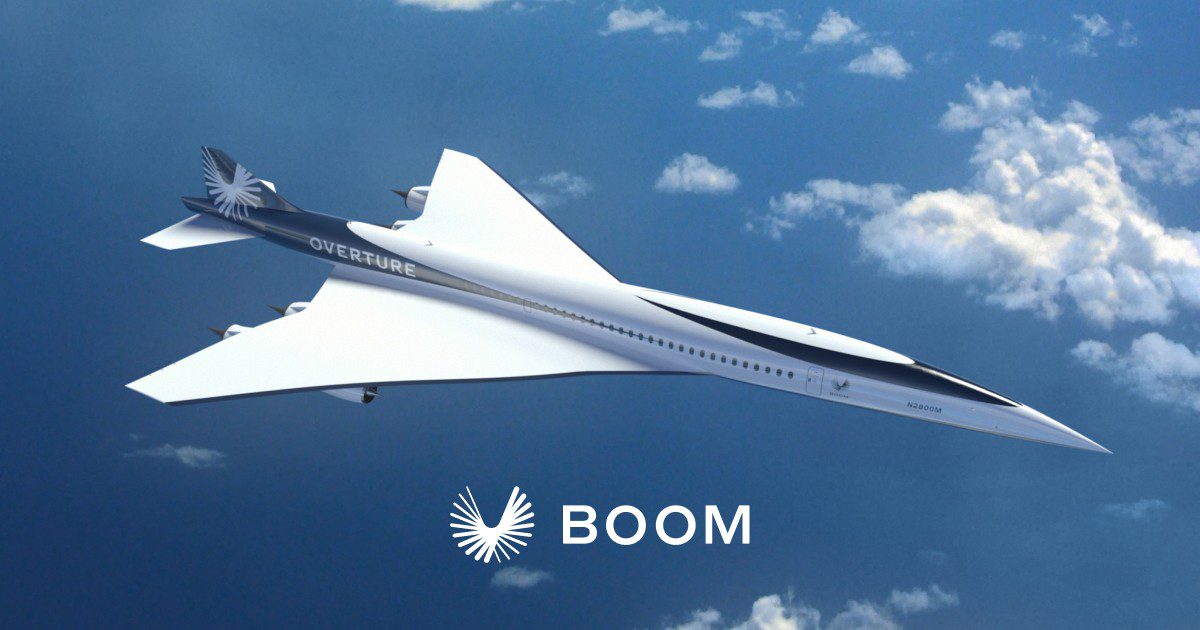
BOOM Supersonic is a company that is looking to change the way we think about air travel. They are developing a supersonic jet that will allow passengers to travel faster and more efficiently than ever before. This jet has the potential to greatly reduce travel time, making it possible for people to travel further and more frequently.

Not so supersonic!

Advantages

One of the major advantages of supersonic travel is the speed at which it can cover distance. The BOOM Supersonic jet, for example, will be able to fly from New York to London in just over three hours, which is a significant reduction from the traditional flight time of around six hours. This means that travelers will be able to spend less time in the air and more time doing the things they want to do.

Another advantage of supersonic travel is that it is much more fuel-efficient than traditional air travel. Supersonic jets fly at a much higher altitude, which means they don’t have to work as hard to stay in the air. This leads to a reduction in fuel consumption, which is not only beneficial for the environment, but also for the bottom line of the airlines that operate these planes.

1. Faster Journey Times: Supersonic travel enables passengers to reach their destination much faster than traditional air travel. This is especially useful for business travelers who need to travel long distances in a short amount of time.

2. Cost Efficiency: Although supersonic air travel is more expensive than traditional air travel, it is still more cost efficient than other forms of long-distance transportation.

3. Environmental Benefits: Supersonic travel is much more efficient than traditional air travel, meaning that it produces fewer greenhouse gases. This means that supersonic air travel is a much more environmentally friendly option than other forms of long-distance transportation.

4. Comfort: The interior of a supersonic aircraft is designed to provide passengers with a comfortable journey. Passengers can enjoy a smoother ride and a quieter cabin, making it much more pleasant than traditional air travel.


BOOM Supersonics’ plane the XB-1

BOOM Supersonic is currently working on developing a supersonic jet called the XB-1, which is a prototype of a commercial supersonic jet that can carry up to 55 passengers. The company is using advanced aerodynamics and materials to make the plane as efficient as possible, and they are working closely with leading aerospace manufacturers to ensure that the plane is safe and reliable.

The XB-1 Supersonic Demonstrator is the world’s first privately built and operated supersonic airliner. Developed by Boom Supersonic, the XB-1 is a scale prototype of the company’s Overture supersonic airliner. The XB-1 is powered by three General Electric J85-15 engines and is designed to reach speeds of up to Mach 2.2. The XB-1 will be used to test and validate the technologies needed to make commercial supersonic travel a reality.


Accessibility

One of the most exciting things about BOOM Supersonic’s work is that they are making supersonic travel more accessible to a wider range of people. The company is committed to making supersonic travel affordable for everyone, which means that more people will be able to experience the benefits of supersonic travel.

Challenges

However, there are still some challenges that need to be overcome before supersonic travel becomes a reality. One of the biggest challenges is the noise pollution created by supersonic flights. Supersonic jets create a sonic boom when they break the sound barrier, which can be disruptive to people on the ground. BOOM Supersonic is working to address this issue by designing their jets to minimize the sonic boom as much as possible.


Conclusion

In conclusion, BOOM Supersonic is a company that is working to change the way we think about air travel. They are developing a supersonic jet that will allow passengers to travel faster and more efficiently than ever before. This jet has the potential to greatly reduce travel time, making it possible for people to travel further and more frequently. Additionally, these planes are much more fuel-efficient than traditional planes which is not only good for the environment but also for the bottom line of the airlines that operate these planes.

BOOM Supersonic is making supersonic travel more accessible to a wider range of people by committing to making it affordable for everyone. The company’s current project, the XB-1, is a prototype of a commercial supersonic jet that can carry up to 55 passengers, using advanced aerodynamics and materials to make the plane as efficient as possible. However, there are still some challenges to overcome, such as the noise pollution created by supersonic flights, but the company is working hard to address these issues and make supersonic travel a reality.

Posted on

7 Undeniable Advantages of American Airlines Wholly Owned Airlines

American Airlines wholly owned Airlines include PSA, Envoy and Piedmont.

American Airlines is one of the largest airlines in the world, and as such, it has several wholly-owned regional airlines that operate under the American Eagle brand. These regional airlines include PSA Airlines, Envoy, and Piedmont.


7 Undeniable Advantages of American Airlines Wholly Owned Airlines

1. Unparalleled Financial Stability – American Airlines’ wholly owned airlines are backed by the security and financial strength of the American Airlines parent company.

2. Access to a Wide Range of Resources – American Airlines has access to a range of resources that can be utilized to ensure a high level of operational efficiency.

3. Seamless Integration – American Airlines’ fully owned airlines are seamlessly integrated into the American Airlines network, allowing for greater operational efficiency.

4. Expanded Network Reach – American Airlines’ wholly owned airlines allow for the expansion of its global network, providing customers with more flight options.

5. Reduced Costs – By owning its own airlines, American Airlines is able to reduce costs associated with the operation of its airlines.

6. Increased Loyalty – American Airlines’ wholly owned airlines allows the company to increase customer loyalty and further strengthen its brand.

7. Improved Customer Service – By owning its own airlines, American Airlines is able to provide its customers with a higher level of customer service.

The Wholly Owned Airlines

PSA Airlines

PSA Airlines, based in Dayton, Ohio, operates flights to over 60 destinations across the United States. The company was founded in the early 1980s and has been a key player in the regional airline industry ever since. The airline mainly operates on Bombardier CRJ aircraft, known for its fuel efficiency and relatively low cost of operation, which helps to keep PSA’s costs down and in turn allows the company to offer competitive fares to its passengers.

In addition to its regional operations, PSA Airlines also provides training and development programs for pilots and flight attendants. These programs are designed to provide individuals with the skills and knowledge they need to excel in the aviation industry. The airline also has a strong focus on safety and compliance, regularly conducting safety audits and training to ensure that all employees are up to date with the latest regulations and best practices.


Envoy

Envoy was founded in 1998, based in Irving, Texas, is one of the largest regional airlines in the United States, operating over 1,000 daily flights to over 150 destinations on behalf of American Airlines. Envoy operates a fleet of Embraer and Bombardier aircraft, and also provides ground handling services at several airports.


Piedmont

Piedmont, based in Salisbury, North Carolina, operates flights to destinations across the eastern United States. Piedmont operates a limited number of flights on behalf of American Airlines and provides ground handling services.

Partnership

The partnership between American Airlines and these wholly-owned regional airlines allows American Airlines to offer more destinations to its customers while also keeping costs low. This is achieved by sharing resources and expertise, and by allowing the regional airlines to expand their reach and increase their revenue. Additionally, it allows American Airlines to serve small cities and communities that it might not otherwise be able to reach, which helps to connect more people with the rest of the country and the world.


However, like any partnership, with the American Airlines Wholly Owned Airlines there have been challenges over the years, one of the main challenges being the pilot shortage which caused American Airlines to place these regional airlines under a capacity purchase agreement. This agreement required the regional airlines to operate flights at a reduced capacity, which led to a reduction in revenue for the companies.

Overall

Overall, American Airlines Wholly Owned Airlines, such as PSA, Envoy and Piedmont, play a vital role in American Airlines’ operation, by expanding their reach and connecting more people with the rest of the country and the world, while also helping American Airlines to keep costs low and offer more destinations to its customers.

Posted on

The world’s longest flights

photo of an emirates airplane

The world’s longest flights are a true test of endurance for both passengers and crew. These flights can last for over 20 hours and cover distances of over 8,000 miles.

One of the longest flights currently in operation is Qantas Airways’ non-stop service from New York to Sydney. This flight covers a distance of over 8,600 miles and takes around 19 hours to complete. This route is operated using the airline’s Boeing 787-9 Dreamliner aircraft, which is specifically designed to handle long-haul flights.


Another long-haul flight is Singapore Airlines’ non-stop service from Singapore to Newark. This flight covers a distance of around 8,000 miles and takes around 18 hours and 45 minutes to complete. This route is operated using the airline’s Airbus A350-900ULR aircraft, which is also designed to handle long-haul flights.

Other long-haul flights include:

  • Emirates’ non-stop service from Dubai to Auckland, which covers a distance of around 8,824 miles and takes around 17 hours and 15 minutes to complete.
  • United Airlines’ non-stop service from San Francisco to Singapore, which covers a distance of around 8,446 miles and takes around 17 hours and 30 minutes to complete.
  • Air India’s non-stop service from Delhi to San Francisco, which covers a distance of around 8,010 miles and takes around 17 hours and 30 minutes to complete.
  • American Airlines’ non-stop service from Los Angeles to Sydney. which covers a distance of around 8,646 miles and takes around 17 hours and 15 minutes to complete. This route is operated using the airline’s Boeing 777-300ER aircraft, which is designed to handle long-haul flights.

Despite the challenges of such long flights, many people choose to take these routes for the convenience of not having to change planes and for the time saved. However, it’s important for passengers to be prepared for the physical and mental demands of such a long flight, and to take steps to stay comfortable, such as stretching, staying hydrated, and avoiding alcohol and caffeine.


In conclusion, the world’s longest flights are a true test of endurance, but for those who are willing to endure the long hours in the air, the convenience and time saved can make it worth it. These flights are operated using specially designed aircraft to make the journey as comfortable as possible for passengers and crew.

Posted on

Pilot Rest Rules: What are they? Protecting Fatigued Pilots around the World

man sleeping beside a woman

Pilot fatigue is a serious issue in the aviation industry hence why Pilot Rest Rules are so extremely important. Fatigue can lead to decreased performance and increased risk of accidents. To address this issue, various regulatory bodies have established rules and guidelines for pilot rest. In this blog post, we will take a closer look at these rules and why they are important for ensuring the safety of passengers and crew.

FAA

The Federal Aviation Administration (FAA) in the United States sets the rules for pilot rest, which are outlined in the Federal Aviation Regulations (FARs). According to these regulations, pilots are required to have a minimum of 8 hours of rest in a 24-hour period, and this rest period must include at least two periods of sleep, one of which must be at least 8 hours long. Additionally, pilots are not allowed to fly more than 30 consecutive hours without at least 8 hours of rest.

EASA

The European Union (EU) has similar regulations in place, with the European Aviation Safety Agency (EASA) setting the rules for pilot rest. These regulations require that pilots have a minimum of 9 hours of rest in a 24-hour period, with one of these rest periods being at least 6 hours long and including a sleep period of at least 3 hours. Additionally, pilots are not allowed to fly more than 28 consecutive hours without at least 9 hours of rest.

These rest requirements are in place to ensure that pilots are well-rested and able to perform their duties safely. Fatigue can lead to decreased reaction time, impaired decision-making, and reduced situational awareness, all of which can increase the risk of accidents. By requiring pilots to have adequate rest, regulatory bodies are able to mitigate this risk and ensure the safety of passengers and crew.

Limits

In addition to these rest requirements, there are also regulations in place that limit the number of flight hours that pilots can fly in a given period of time. For example, the FAA limits pilots to a maximum of 100 flight hours per month, while the EASA limits pilots to a maximum of 900 flight hours per year. These limits are in place to prevent pilots from becoming overworked and fatigued, and to ensure that they have adequate time for rest and recovery.

ICAO

It’s also worth mentioning that the International Civil Aviation Organization (ICAO) has also established standards for pilot rest, which are similar to those set by the FAA and EASA. However, individual countries are responsible for implementing these standards, and may have slightly different regulations.

Conclusion of Pilot Rest Rules

In conclusion, pilot rest rules are in place to ensure the safety of passengers and crew by preventing fatigue and ensuring that pilots are well-rested and able to perform their duties safely. These rules are established by regulatory bodies such as the FAA, EASA and ICAO, and limit the number of flight hours that pilots can fly and require them to have adequate rest. By adhering to these rules, we can reduce the risk of accidents and ensure that air travel remains one of the safest modes of transportation.

Posted on

How to get a First Class upgrade for free.

First Class Travel

Looking to get a First Class upgrade for free? Traveling in first class is a luxurious experience, with comfortable seats, delicious food, and impeccable service. But, let’s face it, first class can be expensive. However, there are ways to get a first-class upgrade for free on most airlines. Here are some tips on how to do it:

  1. Join the frequent flyer program: Most airlines offer a frequent flyer program that rewards passengers with points or miles for each flight they take. These points can then be used to upgrade to first class. So, if you’re a frequent flyer, make sure to join the program and start accumulating points.
  2. Be a credit card holder: Many credit card companies partner with airlines to offer cardholders free first-class upgrades. For example, if you have a certain type of credit card, you may be able to use points or miles to upgrade to first class.
  3. Fly on a full flight: If the flight is full and the airline has overbooked the flight, they may offer passengers the chance to upgrade to first class for free. This is because they want to incentivize passengers to give up their seats for a later flight.
  4. Dress nicely: Dressing nicely can go a long way when it comes to getting a free upgrade. If you look professional and put together, the airline staff may be more likely to offer you an upgrade.
  5. Be nice to the staff: Being polite and friendly to the airline staff can go a long way when it comes to getting a free upgrade. If you’re nice to the staff, they may be more likely to remember you and offer you an upgrade.
  6. Be flexible: If you’re flexible with your travel dates and can fly on different days or at different times, you may be more likely to get a free upgrade. Flights that are not full may be more likely to offer upgrades to those who are flexible.
  7. Be Loyal: If you fly frequently with the same airline, you are more likely to get an upgrade.
  8. Fly on a low-demand route: If you’re flying on a route that isn’t in high demand, you may be more likely to get a free upgrade. So, if you’re open to flying to different destinations, look for flights on low-demand routes.

In conclusion, getting a first-class upgrade for free is not guaranteed, but by following these tips, you’ll increase your chances of getting an upgrade. Remember that the best way to get an upgrade is to be a frequent flyer, be a credit card holder, be flexible, be nice to the staff, dress nicely and be loyal to the airline. Happy travels!

Posted on

Being a flight attendant

Flight Attendant

Being a flight attendant can be a fulfilling and exciting career, but it also comes with its own set of challenges, including figuring out how to eat and pack for the road, and understanding the secret language of crew members. Here’s a closer look at how to navigate these aspects of the job:

  1. Eating on the road: Eating healthy and maintaining a balanced diet can be difficult when you’re constantly on the go. However, it’s important to find ways to eat well in order to stay energized and focused on the job. One way to do this is to bring your own meals and snacks, such as a sandwich or salad, to eat during your layovers. Another option is to look for healthy options at airports or on the plane.
  2. Packing: Packing for a trip can be a daunting task, especially when you’re not sure how long you’ll be away or what the weather will be like. To make packing easier, create a list of essentials such as comfortable shoes, a uniform, and any necessary documents. Additionally, it’s important to have a carry-on bag with essentials such as a change of clothes, toiletries, and a book or entertainment device in case your luggage gets lost.
  3. Secret language of crew members: Crew members often use their own secret language to communicate with each other. This language is used to make announcements and convey important information in a quick and efficient manner. For example, “deadhead” refers to a crew member who is traveling without passengers, “jumpseat” refers to the seat in the cockpit for non-flying crew members, and “Ramp” refers to the ground crew. It may take some time to learn the lingo, but it’s an important part of being a flight attendant.
  4. Maintaining a work-life balance: Being a flight attendant means that you’ll be away from home for long periods of time and it may be hard to maintain a work-life balance. It’s important to find ways to stay connected with family and friends while on the road and make time for yourself to relax and recharge.

My official title is Flight Attendant

Most people call me BADASS

In conclusion, being a flight attendant is an exciting and rewarding career, but it also comes with its own set of challenges. To be successful, it’s important to find ways to eat well, pack efficiently, understand the secret language of crew members and maintain a good work-life balance. With a little bit of preparation and a positive attitude, you can enjoy the many rewards of being a flight attendant.


Posted on

A little about Delta Air Lines

white airplane in a blue sky

Delta Air Lines, Inc. is one of the major American airlines that operates flights to more than 325 destinations in 52 countries around the world. The company was founded in 1924, making it one of the oldest airlines in the world. It is headquartered in Atlanta, Georgia and operates a major hub at Hartsfieldโ€“Jackson Atlanta International Airport.

Delta Air Lines offers a wide range of services to its customers, including economy, premium economy, business and first class seating options. It also offers a number of inflight amenities such as in-flight entertainment, Wi-Fi, and power outlets. Additionally, the airline offers a loyalty program, SkyMiles, which allows customers to earn miles and redeem them for flights, upgrades, and other perks.


Delta’s fleet of aircraft is one of the most modern and efficient in the industry. The airline operates a mix of Boeing and Airbus aircraft, including the Boeing 737, 757, 767, 777, and 787, as well as the Airbus A220 and A330. The company is also investing in more fuel-efficient planes, such as the Airbus A350 and the Boeing 787 Dreamliner, to reduce its environmental impact.

Delta’s route network is extensive, with flights to destinations throughout North America, South America, Europe, Asia, and Africa. The airline also has a number of partnerships and codeshare agreements with other airlines, which allows customers to book flights on other airlines and earn miles in the process.

In terms of customer service, Delta has a reputation for being one of the best airlines in the industry. The company has a dedicated team of customer service agents who are available to assist customers with any issues or concerns they may have. Additionally, Delta has a number of self-service options, such as online check-in and mobile boarding passes, which make it easy for customers to manage their travel plans.


Overall, Delta Air Lines is a reliable and reputable airline that offers a wide range of services to its customers. With its extensive route network, modern fleet of aircraft, and commitment to customer service, it is no wonder that it is one of the most popular airlines in the world.

Posted on

Becoming an airline pilot

Airline Pilots walking outside

Thinking of becoming an airline pilot? It is a dream for many, but it’s important to understand that it takes a significant amount of time, dedication, and money to achieve this goal. Here’s a step-by-step guide on how to become an airline pilot:

  1. Get your private pilot’s license (PPL): The first step in becoming an airline pilot is to obtain your private pilot’s license (PPL). This requires a certain number of flight hours, passing a medical exam, and passing a written and practical exam. The requirements and cost of obtaining a PPL vary depending on where you live and where you train.
  2. Get your commercial pilot’s license (CPL): Once you have your PPL, you can begin training for your commercial pilot’s license (CPL). This license allows you to fly for hire and requires additional flight hours, training, and exams. The requirements and cost of obtaining a CPL are typically higher than those of a PPL.
  3. Get your instrument rating: To fly in all weather conditions, you will need to obtain an instrument rating. This training allows pilots to fly solely by reference to instruments, rather than visual cues, and requires additional flight hours and training.
  4. Get your multi-engine rating: Many airlines require pilots to have a multi-engine rating, which allows you to fly aircraft with more than one engine. This requires additional flight hours and training.
  5. Get your Airline Transport Pilot License (ATPL): The final step in becoming an airline pilot is to obtain an Airline Transport Pilot License (ATPL). This license allows you to fly as a captain for an airline and requires even more flight hours and training, as well as passing written and practical exams.
  6. Get your Type Rating: Once you have ATPL, you will have to get type rating for the specific aircraft you will be flying. This training is specific to the aircraft you will be flying and includes both ground school and simulator training.
  7. Get Experience: To increase your chances of getting hired by an airline, you need to gain experience as a pilot. You can do this by working as a flight instructor, charter pilot, or corporate pilot.
  8. Apply for Job: Once you have completed all the above steps and have enough experience, you can start applying for jobs at airlines.

It’s important to note that the requirements and cost of becoming an airline pilot vary depending on the country and the airline. Additionally, the competition for airline pilot jobs is fierce, so it’s important to have a solid resume and good references.

Becoming an airline pilot is a challenging, but rewarding, career path. It takes a significant amount of time, dedication, and money to achieve this goal, but with hard work and perseverance, it can be done.