Aviation has come a long way since the Wright Brothers’ first flight in 1903. Today, the Future of the Aviation Industry has commercial airlines transporting millions of passengers every year, and the aviation industry plays a crucial role in the global economy. However, as the industry continues to grow, it also faces a number of challenges, including rising fuel costs, increased competition, and the need to reduce its environmental impact.
One of the biggest challenges facing the aviation industry is the rising cost of fuel. Jet fuel is one of the largest operating expenses for airlines, and prices have been on the rise in recent years. In response, many airlines have implemented fuel-saving measures, such as using more fuel-efficient aircraft and optimizing flight routes. However, these measures alone may not be enough to offset the rising cost of fuel.


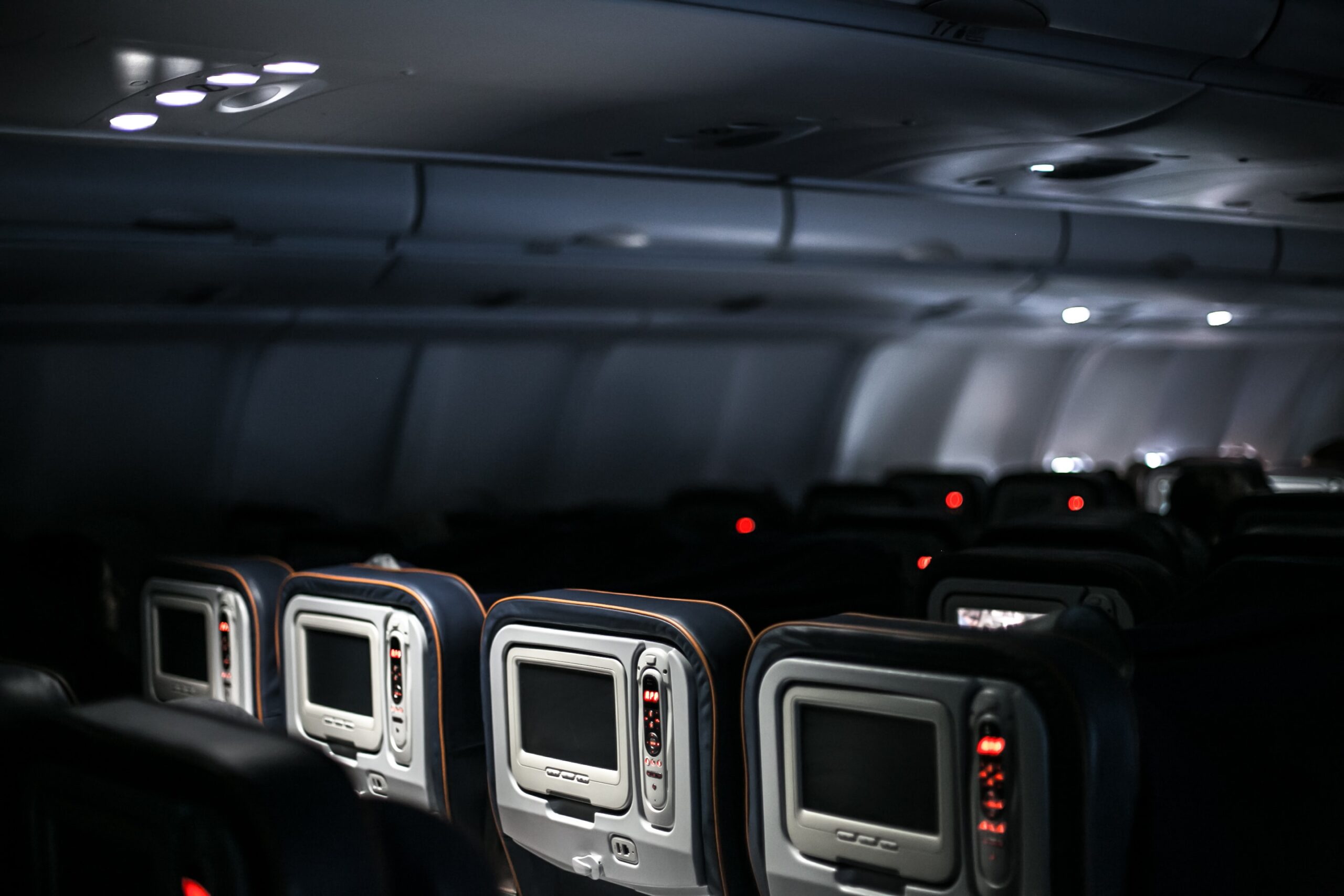
Another challenge facing the aviation industry is increased competition. The number of airlines and routes has grown significantly in recent years, making it more difficult for individual airlines to differentiate themselves and stand out in the market. Some airlines have responded by offering more amenities and services, such as in-flight entertainment and Wi-Fi, while others have focused on providing lower prices. However, with so many airlines offering similar products and services, it can be difficult for customers to choose one over the others.
The aviation industry is also facing pressure to reduce its environmental impact. Air travel is a major contributor to greenhouse gas emissions and climate change, and many countries and organizations are pushing for the industry to reduce its carbon footprint. Some airlines have responded by investing in more fuel-efficient aircraft and implementing sustainable practices, such as recycling and reducing waste. However, there is still a long way to go before the industry can be considered truly sustainable.
Despite these challenges, the future of aviation looks bright. Advances in technology, such as electric and hybrid aircraft, have the potential to significantly reduce the industry’s environmental impact. Additionally, the growth of low-cost airlines and the increasing popularity of budget travel have made air travel more accessible to a wider range of people.
However, it is important to note that the industry needs to take a more proactive stance in addressing the challenges it faces. The industry needs to focus on investing in more sustainable practices such as alternative aircrafts, and making air travel more affordable for everyone. Additionally, more research needs to be done on how to reduce the noise pollution caused by aircrafts, and how to make the air travel more accessible for people with disabilities.
In conclusion, the aviation industry has come a long way since the Wright Brothers’ first flight, but it still faces a number of challenges, including rising fuel costs, increased competition, and the need to reduce its environmental impact. However, with advances in technology and a growing demand for air travel, the future of aviation looks bright. It is important for the industry to address these challenges proactively by investing in sustainable practices, making air travel more affordable for everyone and making it more accessible for people with disabilities.