
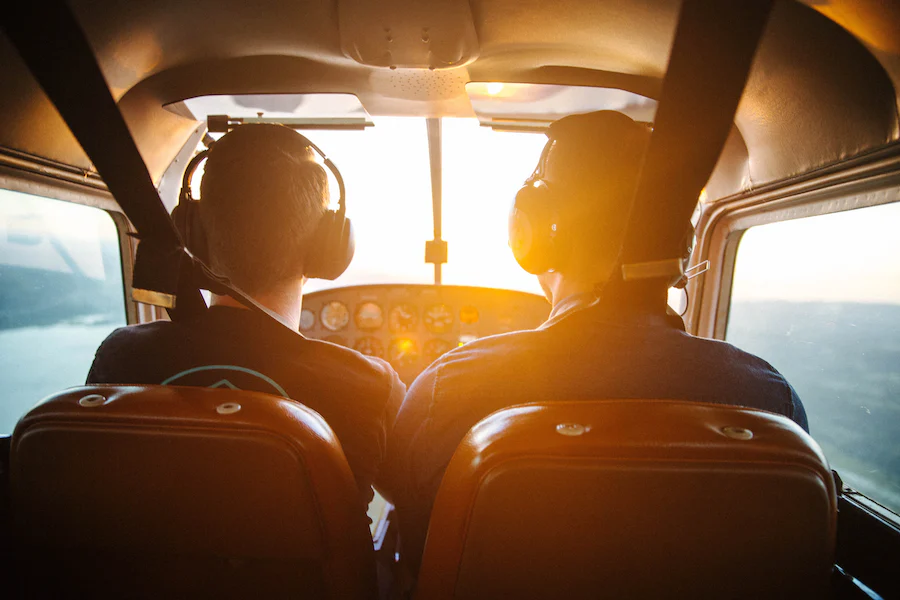
My first flight in a small aircraft was an experience I will never forget. I had long been fascinated by flying and dreamed of becoming a pilot. On the day of the flight, that interest became something I could experience from the cockpit rather than imagine from the ground.
Meeting the instructor
I woke early, excited and nervous, and arrived at the airport to meet the instructor who would fly with me. He introduced the aircraft and its controls before we headed out. Having someone there to explain what was happening made the experience easier to take in.
As we taxied toward takeoff, my heart was pounding. Once we were in the air, the familiar landscape looked different. The instructor pointed out local landmarks and introduced the idea of navigation while we flew above them.
Trying the controls
One of the moments I remember most was being allowed to take the controls under the instructor’s guidance. I felt a mixture of excitement and nervousness as I tried to follow his instructions. The instructor was still aboard and supervising; this was an introductory experience, not a solo flight.
The airplane’s response gave me a new appreciation for what learning to fly involves. Reading about controls and using them with guidance are different experiences. There was still a great deal to learn, but the flight made me want to continue.
Back on the ground
After landing and taxiing back, I could not wipe the smile off my face. The experience reinforced my desire to become a pilot. What stayed with me was the combination of the view, the unfamiliar cockpit and the chance to participate with an instructor beside me.
For anyone considering an introductory lesson, ask a flight school what its discovery flight includes and discuss any concerns beforehand. The FAA’s guidance for new students explains the difference between starting lessons and meeting the requirements for solo flying. A first lesson can be a memorable introduction while still being the beginning of a longer learning process.