Posted on

Future of the Aviation Industry

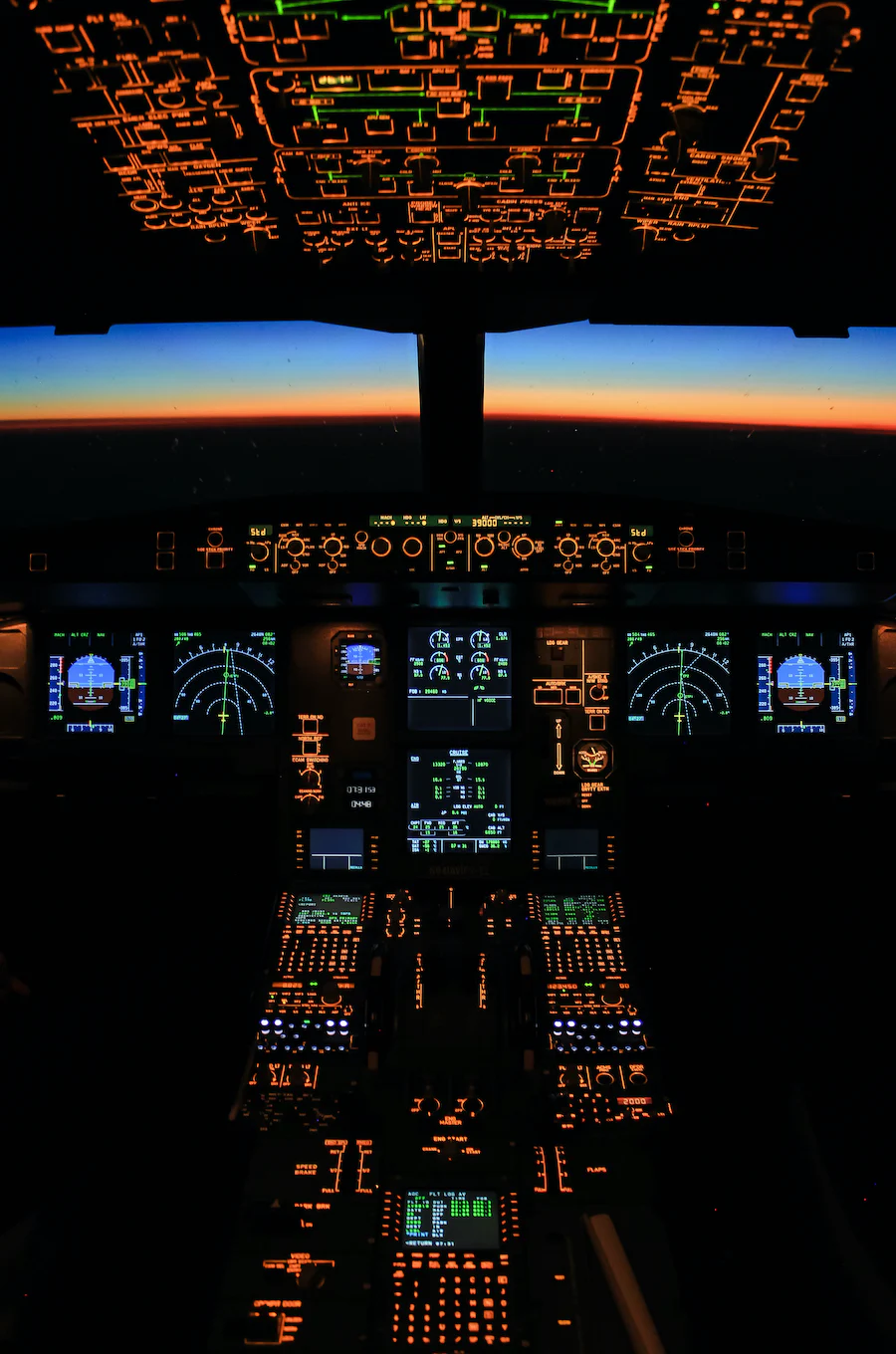
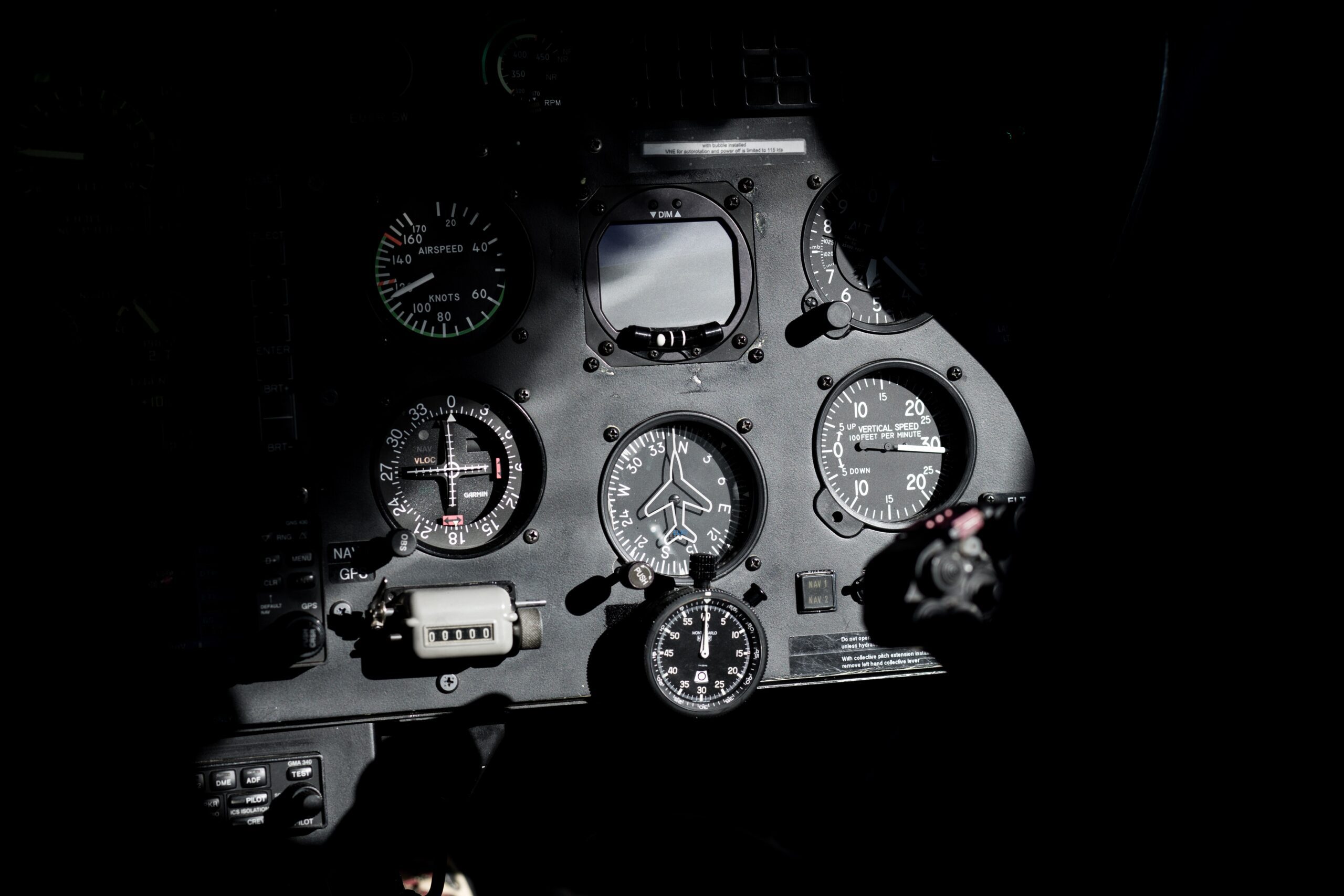
Airbus Flightdeck at sunrise

Aviation has come a long way since the Wright Brothers’ first flight in 1903. Today, the Future of the Aviation Industry has commercial airlines transporting millions of passengers every year, and the aviation industry plays a crucial role in the global economy. However, as the industry continues to grow, it also faces a number of challenges, including rising fuel costs, increased competition, and the need to reduce its environmental impact.

One of the biggest challenges facing the aviation industry is the rising cost of fuel. Jet fuel is one of the largest operating expenses for airlines, and prices have been on the rise in recent years. In response, many airlines have implemented fuel-saving measures, such as using more fuel-efficient aircraft and optimizing flight routes. However, these measures alone may not be enough to offset the rising cost of fuel.

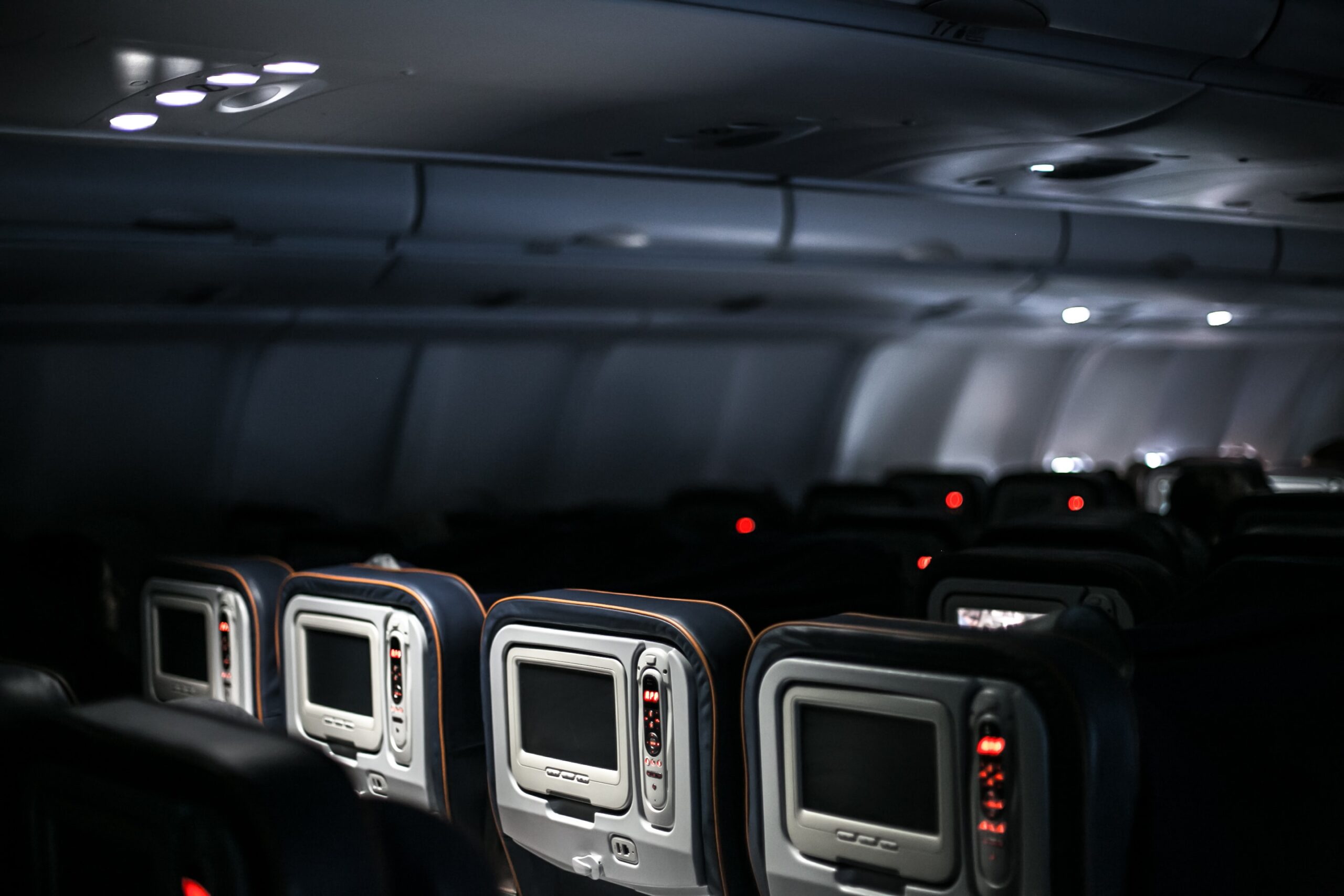
Another challenge facing the aviation industry is increased competition. The number of airlines and routes has grown significantly in recent years, making it more difficult for individual airlines to differentiate themselves and stand out in the market. Some airlines have responded by offering more amenities and services, such as in-flight entertainment and Wi-Fi, while others have focused on providing lower prices. However, with so many airlines offering similar products and services, it can be difficult for customers to choose one over the others.

The aviation industry is also facing pressure to reduce its environmental impact. Air travel is a major contributor to greenhouse gas emissions and climate change, and many countries and organizations are pushing for the industry to reduce its carbon footprint. Some airlines have responded by investing in more fuel-efficient aircraft and implementing sustainable practices, such as recycling and reducing waste. However, there is still a long way to go before the industry can be considered truly sustainable.

Despite these challenges, the future of aviation looks bright. Advances in technology, such as electric and hybrid aircraft, have the potential to significantly reduce the industry’s environmental impact. Additionally, the growth of low-cost airlines and the increasing popularity of budget travel have made air travel more accessible to a wider range of people.


However, it is important to note that the industry needs to take a more proactive stance in addressing the challenges it faces. The industry needs to focus on investing in more sustainable practices such as alternative aircrafts, and making air travel more affordable for everyone. Additionally, more research needs to be done on how to reduce the noise pollution caused by aircrafts, and how to make the air travel more accessible for people with disabilities.

In conclusion, the aviation industry has come a long way since the Wright Brothers’ first flight, but it still faces a number of challenges, including rising fuel costs, increased competition, and the need to reduce its environmental impact. However, with advances in technology and a growing demand for air travel, the future of aviation looks bright. It is important for the industry to address these challenges proactively by investing in sustainable practices, making air travel more affordable for everyone and making it more accessible for people with disabilities.
Posted on

Soaring Through History

Ford Tri-Motor

“Soaring Through History: A Look at the Evolution of Aviation and Its Impact on Society”

When the Wright brothers made their historic first flight in 1903, they couldn’t have possibly imagined the tremendous impact that aviation would have on the world. Today, airplanes are a ubiquitous part of our daily lives, connecting people across the globe and revolutionizing the way we live and work. But how did we get here? In this blog post, we’ll take a look at the history of aviation and explore its impact on society over the past century.

The origins of aviation can be traced back to the 18th and 19th centuries, when inventors and scientists began experimenting with hot air balloons and gliders. However, it wasn’t until the 20th century that powered flight became a reality. The Wright brothers, Orville and Wilbur, are credited with making the first successful powered flight on December 17, 1903. They flew their plane, the Wright Flyer, for just 12 seconds and covered a distance of 120 feet. But this small step was a giant leap for mankind, as it marked the birth of the aviation industry.

The early years of aviation were marked by rapid advancements in technology, as inventors and engineers worked to improve the performance and safety of airplanes. In 1914, the first scheduled commercial airline service began, connecting St. Petersburg, Florida to Tampa. The arrival of World War I in 1914 also played a significant role in the development of aviation, as governments poured resources into the creation of military aircraft. The war also saw the first use of airplanes in combat, marking the beginning of a new era in warfare.

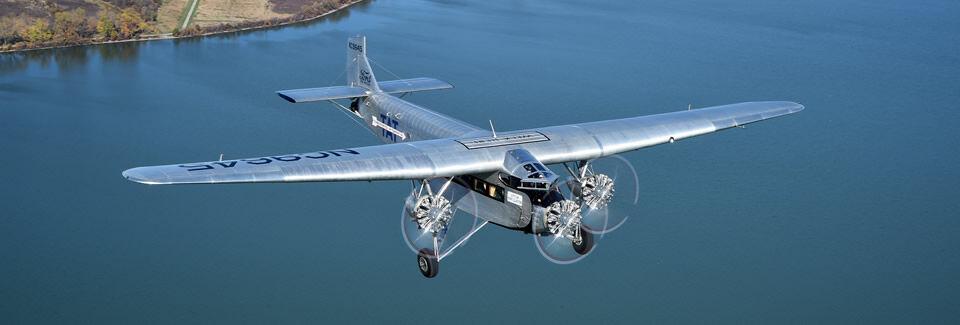
After the war, commercial air travel began to take off. Airlines such as Pan American Airways began offering international flights, and airliners such as the Ford Tri-Motor and the Douglas DC-3 revolutionized air travel, making it faster, more comfortable, and more affordable for the general public. The 1930s also saw the rise of commercial airmail service, which further connected people and businesses across the globe.

During World War II, aviation technology advanced at an unprecedented rate, as aircraft manufacturers worked to develop new designs and technologies to support the war effort. The war also saw the first use of jet engines and radar, which would have a profound impact on the future of aviation. After the war, commercial air travel continued to grow, and the 1950s and 1960s saw the introduction of the first jet airliners, such as the Boeing 707 and the Douglas DC-8.

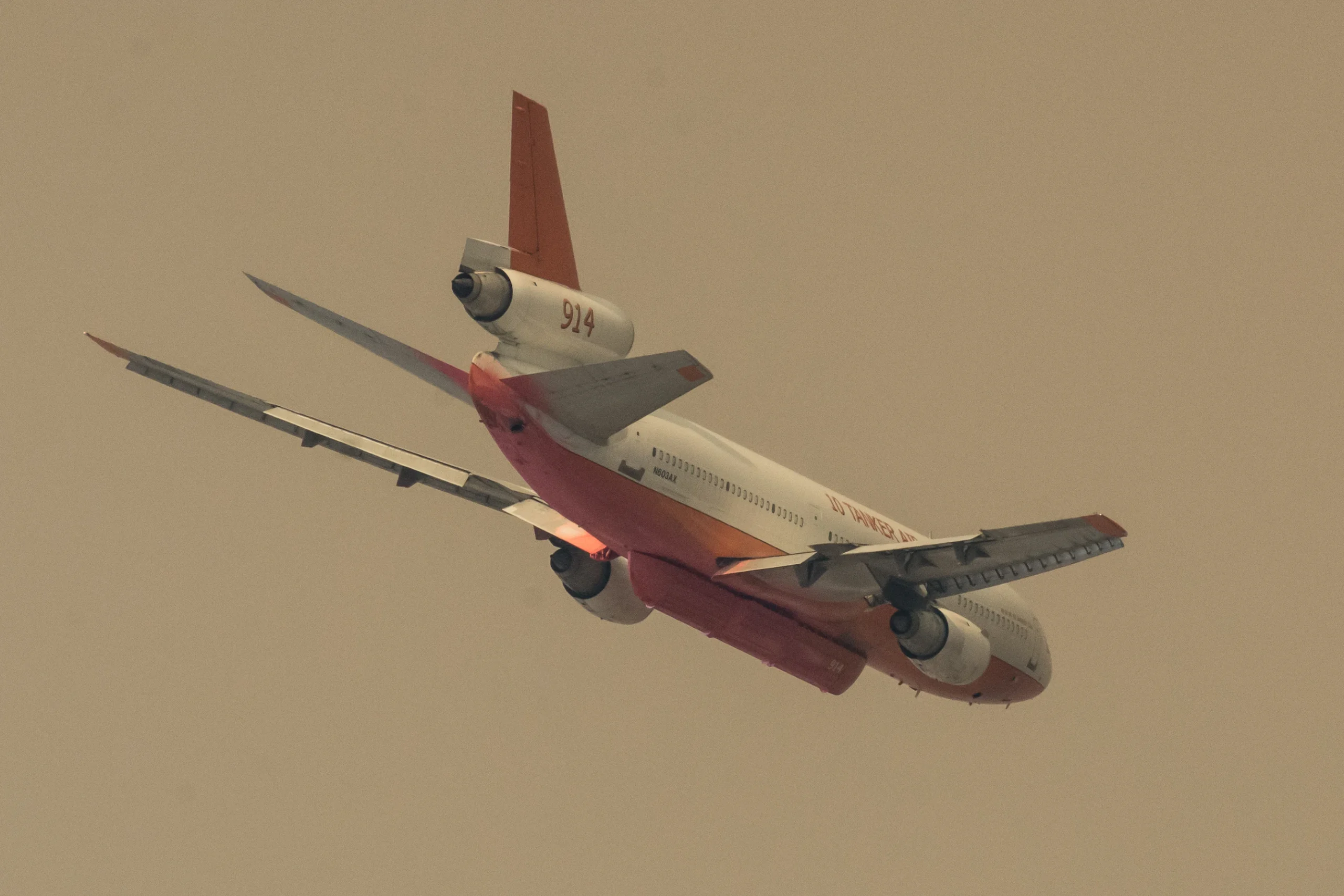
The 1970s and 1980s saw the introduction of wide-body airliners, such as the Boeing 747 and the McDonnell Douglas DC-10, which could carry hundreds of passengers at a time. This brought air travel to even more people and made long-distance travel more affordable. At the same time, the rise of the budget airline industry made flying even more accessible to the general public. Today, commercial air travel is a multibillion-dollar industry, and airplanes connect people and businesses in every corner of the globe.

But the impact of aviation goes beyond just connecting people and businesses. Over the past century, aviation has had a profound impact on society. One of the most significant impacts has been on the economy. The aviation industry is a major source of jobs and economic activity, and the benefits of air travel ripple out to other industries, such as tourism, manufacturing, and logistics.

Aviation has also had a significant impact on how we live and work. The ability to travel quickly and easily across the globe has made it possible for people to live and work in one place while conducting business in another. This has led to the growth of multinational corporations and the globalization of the economy.

Posted on

Pioneers of the Skies

Wright Brothers 1903

“Pioneers of the Skies: Profiles of Notable Aviators and Pilots”

Aviation has come a long way since the Wright brothers’ first flight in 1903. Many brave and pioneering individuals have contributed to the development of the aviation industry and pushed the boundaries of what is possible in the skies. In this blog post, we will take a look at some of the most notable aviators and pilots in history, highlighting their achievements and contributions to the field of aviation.

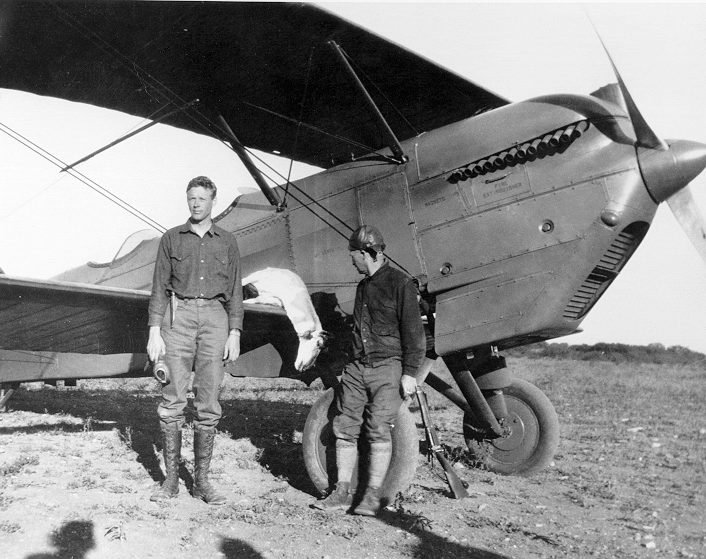
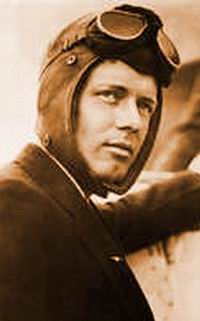
One of the most well-known aviators of all time is Charles Lindbergh. Lindbergh was an American aviator who made the first solo, non-stop transatlantic flight in 1927. His flight in the “Spirit of St. Louis” from New York to Paris took just over 33 hours, and he covered a distance of over 3,600 miles. Lindbergh’s achievement was a major milestone in aviation history, and it earned him numerous accolades, including the Congressional Medal of Honor. He used his fame to promote the development of commercial aviation and to advocate for the use of airmail.

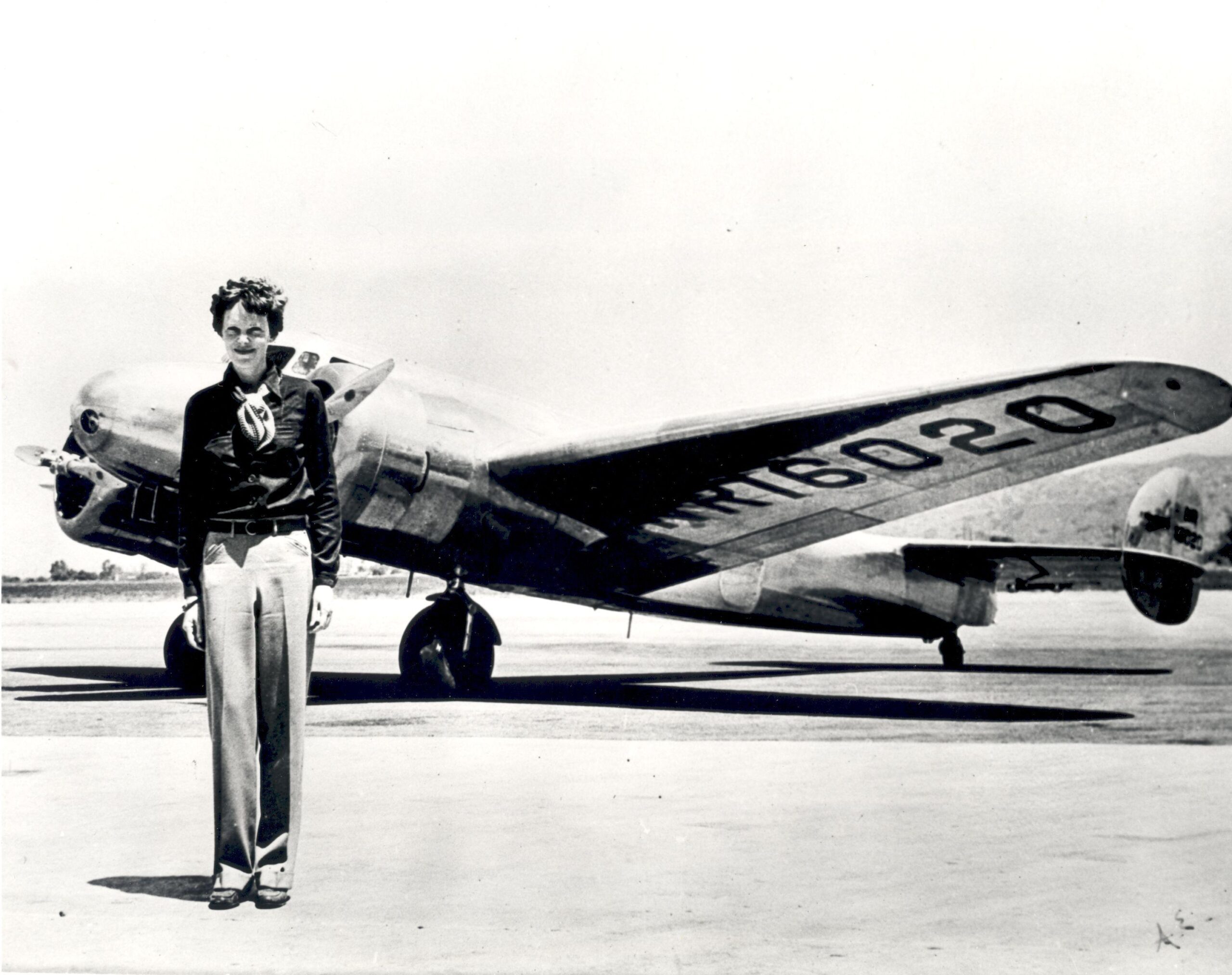
Another notable aviator is Amelia Earhart. Earhart was an American aviator who was the first woman to fly solo across the Atlantic Ocean. She accomplished this feat in 1932, and she went on to set multiple aviation records during her career. Earhart was also an accomplished author and speaker, and she used her platform to advocate for women’s rights and to encourage more women to become involved in aviation. Unfortunately, Earhart disappeared while attempting to fly around the world in 1937 and her fate remains a mystery.

Another prominent aviator and pilot was Chuck Yeager, he was an American test pilot and general officer in the United States Air Force. He flew the experimental Bell X-1 aircraft in 1947, becoming the first person to fly faster than the speed of sound. Yeager was an accomplished combat pilot during World War II, and he flew over 100 combat missions. He also flew in multiple conflicts, including the Korean War and the Vietnam War. He was a pioneer in military aviation and a true American hero.

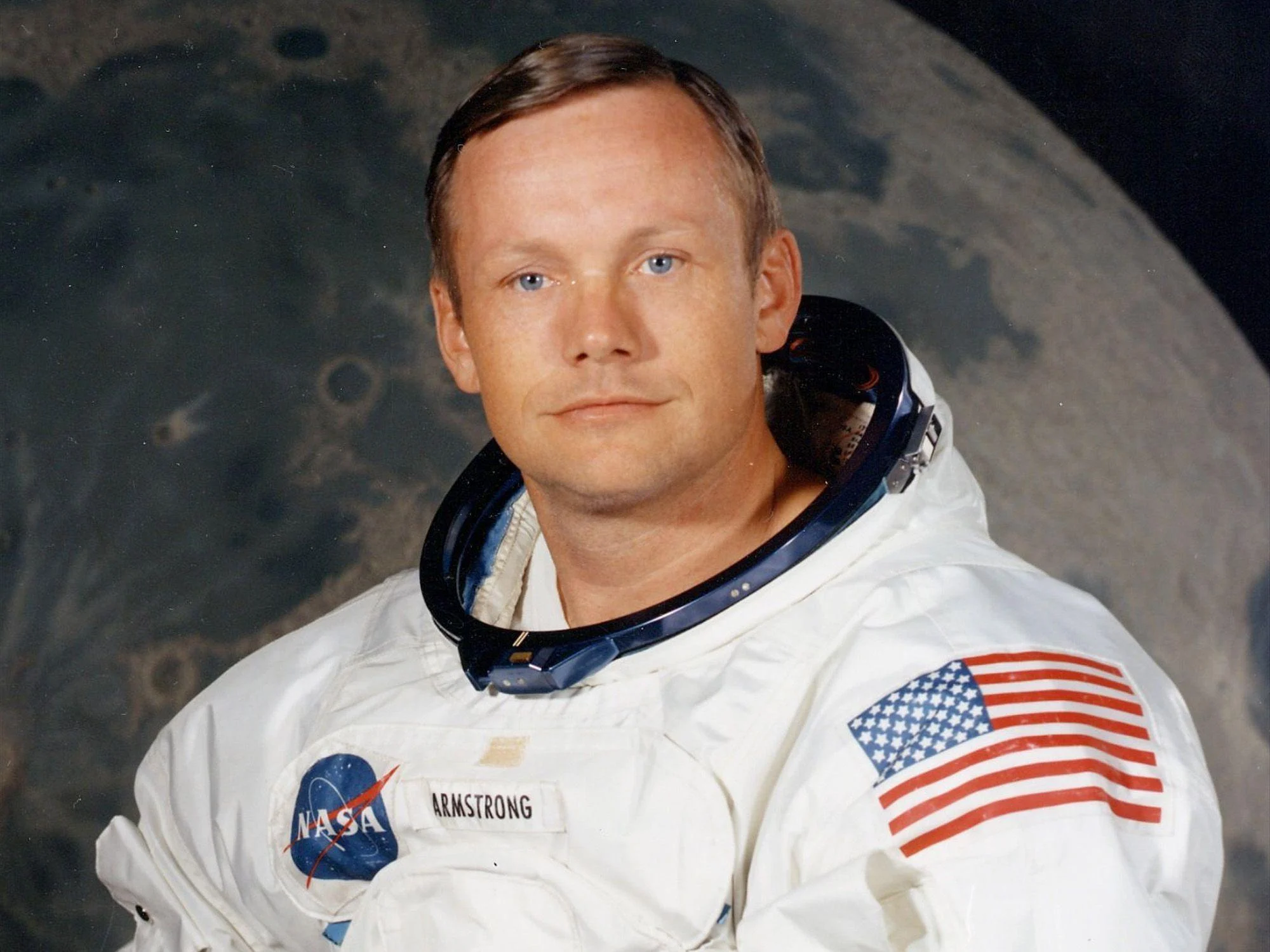
Neil Armstrong, the first man on the Moon, was also an accomplished pilot. Armstrong was a naval aviator before joining NASA’s astronaut corps. He flew on the Gemini 8 mission in 1966, becoming the first person to dock two spacecraft in orbit. He was also the commander of the Apollo 11 mission, in which he famously declared “That’s one small step for man, one giant leap for mankind,” as he became the first human to walk on the surface of the Moon.

Baroness Elsa von Freytag-Loringhoven was not as well known as the other pilots on this list, but still made a significant impact in the aviation field. Born in 1874 in Germany, she was one of the first female aviators in the world and was active in the early days of flying. She flew with the pioneering aviator, Orville Wright, and set altitude records in her own right. She was also the first female pilot to fly in Europe and the United States. Despite facing significant challenges as a woman in a male-dominated field, she persevered and inspired future generations of women aviators.

Lastly, we cannot forget about Bessie Coleman, an American civil aviator. She was the first African American woman to hold a pilot’s license. She faced discrimination and challenges due to her race and gender, but that did not stop her from achieving her dream of flying. She overcame this by training in France, as at that time, flight schools in the United States would not accept African American or female students.