
A desktop flight simulator can be an enjoyable way to explore aircraft and navigation. It can also help a student become familiar with some concepts when used alongside instruction. An ordinary computer game is not automatically an approved training device, and time spent playing does not automatically count toward a pilot certificate.
Continue reading Flight Simulator Games and Real Pilot TrainingCategory: Aviation
Our aviation inspired blog is dedicated to all things related to airplanes and air travel. From the latest industry news and developments, to reviews of new aircraft models, to tips and tricks for making your next flight more comfortable, our blog is the go-to destination for aviation enthusiasts. We also feature stories of pilots, flight attendants, and other aviation professionals, as well as coverage of major air shows and events. Whether you’re a frequent flyer, a plane spotter, or just someone who loves all things aviation, our blog is sure to keep you informed and entertained.
Airline Pilot Pay: Understanding the Numbers

Updated October 2026. Airline pilot compensation varies substantially by employer, aircraft, role and seniority. A national wage figure is a useful reference, but it is neither a first-year salary quote nor a guarantee of earnings at a particular airline. Claims that pilot pay has universally fallen behind other professions need comparable data over time.
Continue reading Airline Pilot Pay: Understanding the NumbersSouthwest Airlines: Seating and Travel Basics

Updated October 2026. Southwest’s travel policies have changed significantly since this article was first published. Advice based on its former open-seating system or a universal two-free-checked-bags benefit can now lead to an unpleasant surprise at booking or at the airport.
Continue reading Southwest Airlines: Seating and Travel BasicsV1 Speed Explained: Takeoff Decisions

V1 is a takeoff reference speed used in transport aircraft performance planning. It connects two questions: can the aircraft stop within the calculated accelerate-stop distance, and can it continue after the assumed failure of its critical engine? This is an explanation for aviation enthusiasts, rather than a procedure for conducting a rejected takeoff.
Continue reading V1 Speed Explained: Takeoff DecisionsHow to Earn a U.S. Private Pilot Certificate
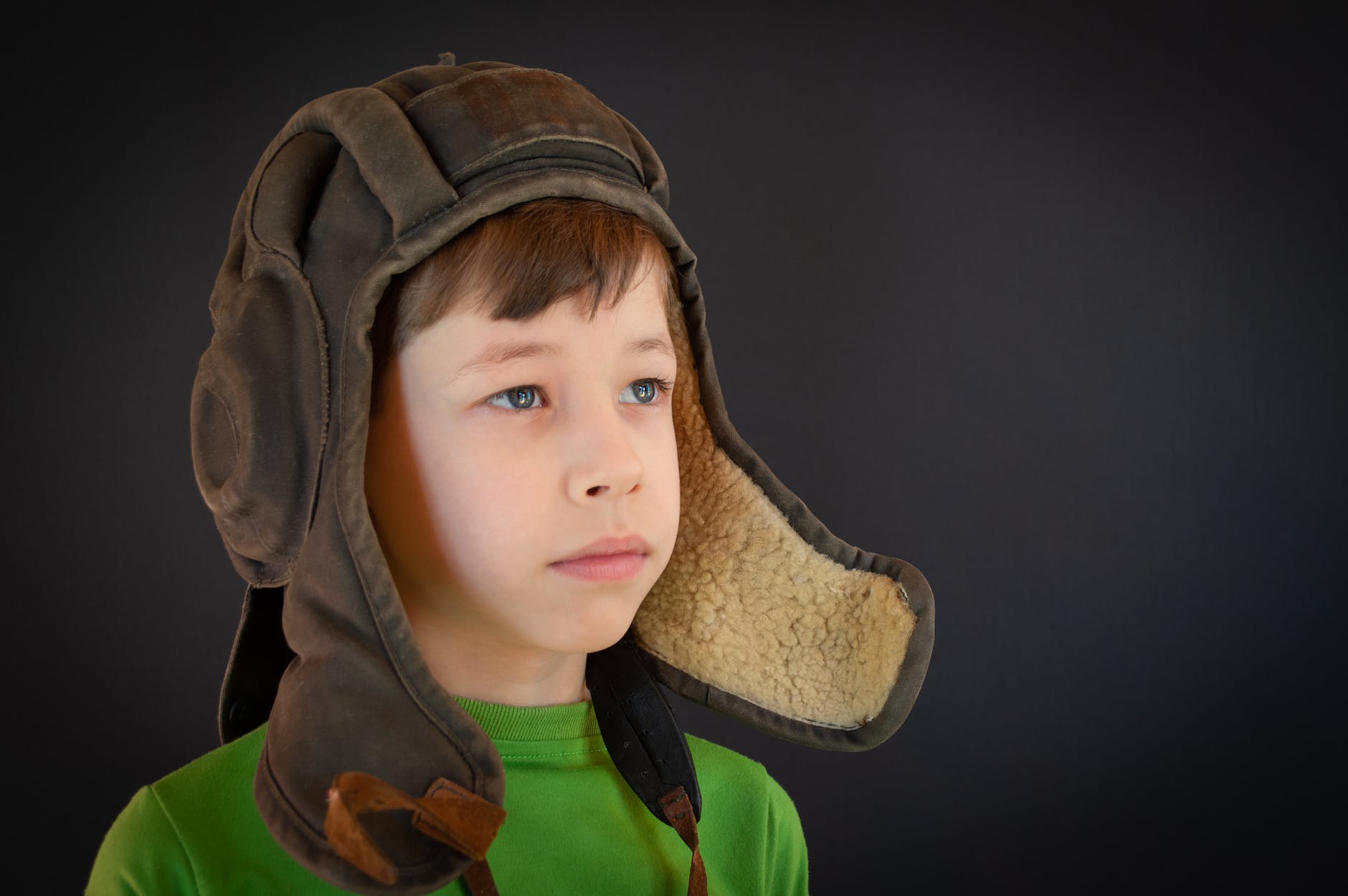
A U.S. private pilot certificate can open the door to recreational flying and further training. The path includes ground knowledge, flight instruction, supervised solo work and testing. It is a proficiency-based process: completing a minimum number of hours does not by itself make a student ready for a checkride.
Continue reading How to Earn a U.S. Private Pilot CertificateAirplane Mode: Prepare Your Phone for a Flight

Airplane mode is a device setting that turns off cellular connectivity and changes other wireless functions according to the device. It is useful during a flight, but it is not a promise that every transmitter or feature on every phone behaves identically. Your airline and crew provide the instructions that apply aboard the aircraft.
Continue reading Airplane Mode: Prepare Your Phone for a FlightAircraft Ownership: Costs and Questions to Ask

Owning an aircraft can make sense for some pilots, but the purchase price is only one part of the decision. An airplane needs maintenance, storage, insurance and oversight even when it is not flying. The earlier version of this article suggested ownership removed storage and repair costs and guaranteed financial advantages. Those claims were incorrect.
Continue reading Aircraft Ownership: Costs and Questions to AskHow Airplanes Fly: Lift, Weight, Thrust and Drag

An airplane flies because its wings and propulsion system interact with the air. The useful starting point is four forces: lift, weight, thrust and drag. In steady, level, unaccelerated flight, the upward and downward forces balance, as do the forward and backward forces. Climbing, descending and turning involve changes to that balance and to the flight path.
Continue reading How Airplanes Fly: Lift, Weight, Thrust and DragWhiskey Tango Foxtrot: Meaning and Aviation Context

“Whiskey Tango Foxtrot” spells the letters W, T and F using the international radiotelephony spelling alphabet. Outside formal aviation communication, the sequence is used as a playful way to express surprise, confusion or frustration. Its humor comes from giving an informal reaction the sound of a radio message.
Continue reading Whiskey Tango Foxtrot: Meaning and Aviation ContextDo Airplanes Fly Using Magic? Aviation Satire

Satire: this is an aviation joke, not a factual explanation of flight. If airplanes flew using magic, flight school would have a very different syllabus. Lesson one: never leave your wand in a checked bag. Lesson two: the checklist is still mandatory, even when your instructor is a wizard.
Continue reading Do Airplanes Fly Using Magic? Aviation Satire