“Aviation and Adventure” – This category of our airplanes and travel inspired blog focuses on the excitement and thrill of air travel. From the latest aircraft technology and industry news, to destination guides and travel tips, we cover it all. Join us as we explore the world of aviation and discover new and exciting places to visit. Whether you’re a seasoned traveler or just looking for inspiration for your next trip, this category is sure to spark your wanderlust and take your travel game to new heights.
Las Vegas, also known as “Sin City”, is a popular vacation destination here are some Things to do when vacationing on the Las Vegas strip. Las Vegas is known for its bright lights, luxurious casinos, and endless entertainment options. The Las Vegas Strip, a 4.2-mile stretch of Las Vegas Boulevard, is home to many of the city’s most iconic hotels, casinos, and attractions. Whether you’re looking for high-stakes gambling, live shows, or fine dining, there’s something for everyone on the Las Vegas Strip.
One of the most popular things to do on the Las Vegas Strip is to visit the numerous casinos. The Strip is home to some of the most famous casinos in the world, such as Bellagio, Caesar’s Palace, and the Venetian. These casinos offer a wide range of games, from traditional table games like blackjack and roulette to modern slot machines. If you’re new to gambling, many casinos offer free lessons on how to play the different games.
Another popular activity on the Las Vegas Strip is to take in a live show. The Strip is home to some of the best entertainment in the world, with a wide variety of shows to choose from. From world-famous performers like Celine Dion and Elton John to long-running productions like “O” by Cirque Du Soleil, there’s something for everyone.
For those looking for a more laid-back experience, the Las Vegas Strip is also home to a number of world-class spas and wellness centers. These spas offer a wide range of services, from massages and facials to body wraps and scrubs. Many also offer packages that include access to saunas, steam rooms, and pools.
For those who want to explore the great outdoors, the Las Vegas Strip is also home to a number of parks and gardens. The Bellagio Conservatory and Botanical Gardens is a must-see, with its beautiful flowers and sculptures. The High Roller observation wheel is also a great way to take in the city’s skyline.
Foodies will also have plenty to keep them busy on the Las Vegas Strip, with a wide range of dining options to choose from. From world-famous chefs like Gordon Ramsay and Wolfgang Puck to casual eateries and buffets, there’s something for every taste and budget.
For a different type of entertainment, head to one of the many shopping centers on the strip. From luxury brands like Gucci and Louis Vuitton to outlet stores and souvenirs, there’s plenty to keep you busy.
Finally, for those looking for a bit of adventure, the Las Vegas Strip is also home to a number of thrill rides and attractions. The Stratosphere Tower features a number of rides, including the Big Shot, which sends riders 160 feet into the air at 45 miles per hour.
In conclusion, the Las Vegas Strip is one of the most popular tourist destinations in the world, with a wide variety of things to do. From casinos and live shows to spas and outdoor activities, there’s something for everyone. Whether you’re looking for high-stakes gambling or a more laid-back experience, the Las Vegas Strip is the perfect destination for a vacation.
Wondering how to stay safe while traveling alone? Traveling alone can be an incredibly rewarding experience, but it also comes with its own set of challenges and risks. Staying safe while traveling alone is crucial, and it’s important to be aware of the potential dangers and take steps to protect yourself. In this blog post, we’ll explore some tips and strategies for staying safe while traveling alone, so that you can have a safe and enjoyable trip.
First and foremost, it’s important to plan ahead and research your destination. This includes learning about the local laws and customs, as well as the potential dangers and risks. It’s also a good idea to inform someone back home of your travel plans, including your itinerary and contact information. This will allow them to contact you in case of an emergency.
Another important aspect of staying safe while traveling alone is being aware of your surroundings. This means paying attention to your surroundings at all times, and being aware of any potential dangers or risks. This can include anything from pickpockets to potential terrorist activities. It’s also a good idea to avoid wearing expensive jewelry or carrying around large amounts of cash, as this can make you a target for theft.
Traveling AloneEmpty AirplaneTravel freely
It’s also important to be prepared for emergencies. This means carrying a basic first-aid kit, as well as any necessary medications. It’s also a good idea to have emergency contact information and a list of important phone numbers with you at all times. This can include the contact information for your embassy or consulate, as well as the local emergency services.
Another way to stay safe while traveling alone is to stay in contact with others. This can include staying in contact with friends and family back home, as well as making connections with other travelers or locals at your destination. This can provide you with a support network in case of an emergency, as well as giving you someone to share your experiences with.
When it comes to accommodation, it’s important to choose a place that is safe and secure. This means staying in a reputable hotel or hostel, or renting a vacation home or apartment through a trusted service. It’s also a good idea to avoid staying in remote or isolated areas, as this can make you more vulnerable to crime or other dangers.
When it comes to personal safety, it’s important to take care of yourself both physically and emotionally. This means getting enough rest, eating well, and staying hydrated. It also means taking care of your mental health, by taking time to relax and de-stress. It’s also important to be aware of your own limits, and to know when it’s time to take a break and rest.
When it comes to transportation, it’s important to choose a mode of transportation that is safe and reliable. This means avoiding public transportation at night, and instead opting for a taxi or private car service. It’s also a good idea to research the safety record of any airline or train service you plan to use, and to avoid companies with a poor safety record.
Finally, it’s important to have a plan in case of an emergency. This means having a backup plan in case of an emergency, such as a lost passport or a medical emergency. It’s also a good idea to carry a small amount of cash, as well as a credit or debit card that can be used internationally.
In conclusion, traveling alone can be an incredibly rewarding experience, but it also comes with its own set of challenges and risks. Staying safe while traveling alone is crucial, and it’s important to be aware of the potential dangers and take steps to protect yourself. This includes planning ahead and researching your destination, being aware of your surroundings, being prepared for emergencies, staying in contact with others, choosing safe and secure accommodation and finally taking care of yourself physically and emotionally.
Are you captivated by the thrill of flight and the mechanics of airplanes then your an Aviation Hobbyists? If so, you’re not alone. Many people are passionate about aviation and enjoy learning about the history of flight and the workings of airplanes. Whether you’re an aviation enthusiast or a hobbyist, there are many ways to explore and enjoy this fascinating field. In this blog post, we’ll share some tips and advice for aviation enthusiasts and hobbyists, to help you take your interest to the next level.
Pilots FlyingModel AirplaneAirshow
Visit an airport or airshow
One of the best ways to experience the excitement of aviation is to visit an airport or airshow. Airshows are a great way to see a wide variety of aircraft up close and to watch live demonstrations of aerobatic maneuvers. Many airshows also offer rides in small aircraft, allowing you to experience the thrill of flight firsthand. Even if you can’t make it to an airshow, visiting an airport and watching the planes take off and land can be a great way to feed your aviation interest. Blue Angels Tee – Unisex Jersey Short Sleeve
Build a model airplane
Building model airplanes is a great hobby for Aviation Hobbyists, allowing you to learn about the structure and mechanics of different types of aircraft. Building a model can be a rewarding and educational experience, and there are many different kits available for all skill levels. Better yet opt to build your own RC Model Aircraft and actually fly it once your finished building. RC Pilot Tee
Learn about the history of aviation
If you’re interested in the history of aviation, there are many resources available to help you learn more. Books, articles, and documentaries can provide in-depth information about the pioneers of flight and the development of aviation technology. Museums, such as the Smithsonian National Air and Space Museum, also have impressive collections of aircraft and artifacts from throughout aviation history. Evolution of Flight tee…
If you’re interested in flying, getting a pilot’s license is a great way to take your passion to the next level. You can start your training with a discovery flight, which is a short flight with an instructor that will give you an introduction to flying and the basics of flying an aircraft. After that, you can enroll in a flight school and start learning how to fly. It’s a great way to experience the sensation of flight and understand more about the technical aspects of flying an aircraft. Trust me Im a Pilot tee
Join an aviation club or group
Joining an aviation club or group can be a great way to connect with other aviation enthusiasts and hobbyists. Many clubs and groups organize events, such as fly-ins and aircraft tours, which provide opportunities to learn more about aviation and to connect with other people who share your interest.
Get involved in the aviation community
There are many online communities and forums that are dedicated to Aviation Hobbyists. Joining these groups and participating in discussions can be a great way to learn more about aviation, share your passion with others, and connect with like-minded people.
Learn about aircraft mechanics and maintenance
Understanding the mechanics and maintenance of an aircraft is an important part of understanding how airplanes work. It can also be a fascinating hobby. You can learn about the basics by reading aircraft maintenance manuals, books or taking some online courses. Some schools or community college offer classes on aircraft mechanics or maintenance, and might be a great option if you want to take it to a more advanced level.
Use flight simulators, best for Aviation Hobbyists
If you can’t fly an aircraft yourself, flight simulators can be a great way to experience the sensation of flight and learn about the technical aspects of flying. There are many flight simulators available for purchase, ranging from basic programs to highly realistic and sophisticated systems that can simulate a wide range of aircraft and flying conditions
“Soaring Through History: A Look at the Evolution of Aviation and Its Impact on Society”
When the Wright brothers made their historic first flight in 1903, they couldn’t have possibly imagined the tremendous impact that aviation would have on the world. Today, airplanes are a ubiquitous part of our daily lives, connecting people across the globe and revolutionizing the way we live and work. But how did we get here? In this blog post, we’ll take a look at the history of aviation and explore its impact on society over the past century.
The origins of aviation can be traced back to the 18th and 19th centuries, when inventors and scientists began experimenting with hot air balloons and gliders. However, it wasn’t until the 20th century that powered flight became a reality. The Wright brothers, Orville and Wilbur, are credited with making the first successful powered flight on December 17, 1903. They flew their plane, the Wright Flyer, for just 12 seconds and covered a distance of 120 feet. But this small step was a giant leap for mankind, as it marked the birth of the aviation industry.
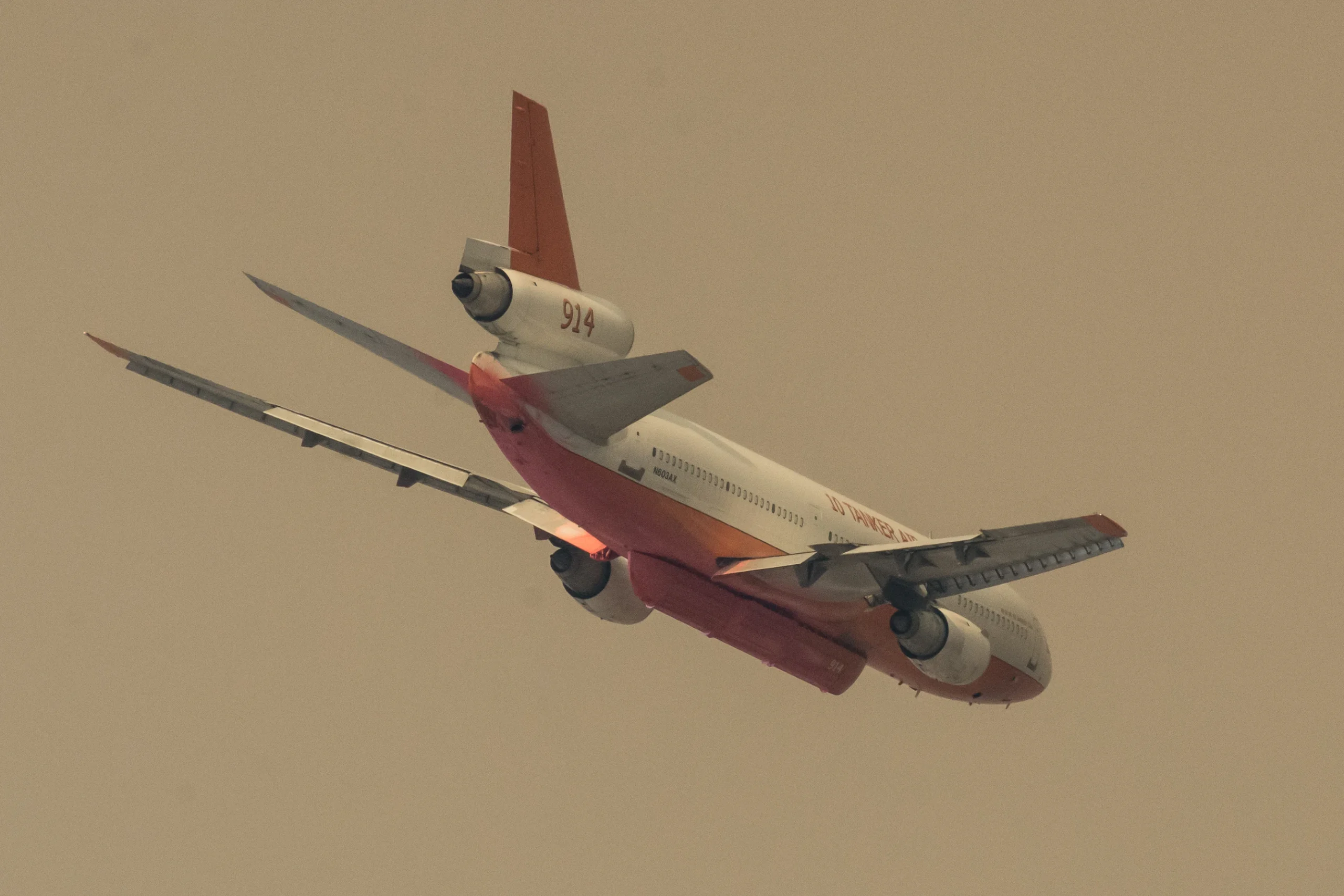
Jet Aircraft with contrailsCommercial JetMcDonald Douglas DC-10
The early years of aviation were marked by rapid advancements in technology, as inventors and engineers worked to improve the performance and safety of airplanes. In 1914, the first scheduled commercial airline service began, connecting St. Petersburg, Florida to Tampa. The arrival of World War I in 1914 also played a significant role in the development of aviation, as governments poured resources into the creation of military aircraft. The war also saw the first use of airplanes in combat, marking the beginning of a new era in warfare.
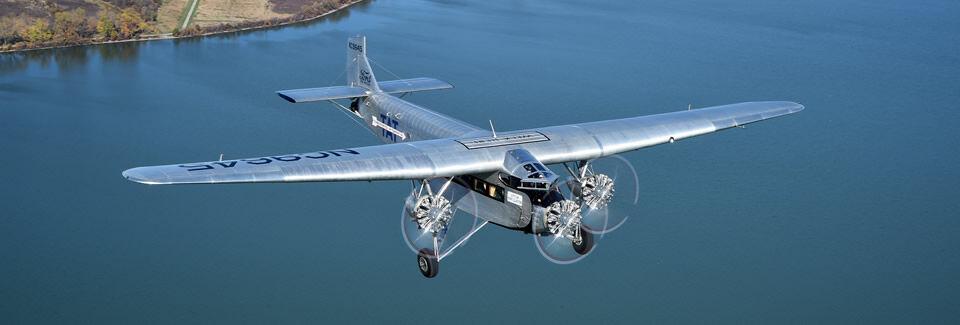
After the war, commercial air travel began to take off. Airlines such as Pan American Airways began offering international flights, and airliners such as the Ford Tri-Motor and the Douglas DC-3 revolutionized air travel, making it faster, more comfortable, and more affordable for the general public. The 1930s also saw the rise of commercial airmail service, which further connected people and businesses across the globe.
During World War II, aviation technology advanced at an unprecedented rate, as aircraft manufacturers worked to develop new designs and technologies to support the war effort. The war also saw the first use of jet engines and radar, which would have a profound impact on the future of aviation. After the war, commercial air travel continued to grow, and the 1950s and 1960s saw the introduction of the first jet airliners, such as the Boeing 707 and the Douglas DC-8.
The 1970s and 1980s saw the introduction of wide-body airliners, such as the Boeing 747 and the McDonnell Douglas DC-10, which could carry hundreds of passengers at a time. This brought air travel to even more people and made long-distance travel more affordable. At the same time, the rise of the budget airline industry made flying even more accessible to the general public. Today, commercial air travel is a multibillion-dollar industry, and airplanes connect people and businesses in every corner of the globe.
But the impact of aviation goes beyond just connecting people and businesses. Over the past century, aviation has had a profound impact on society. One of the most significant impacts has been on the economy. The aviation industry is a major source of jobs and economic activity, and the benefits of air travel ripple out to other industries, such as tourism, manufacturing, and logistics.
Ford Tri-MotorHot Air Balloon
Aviation has also had a significant impact on how we live and work. The ability to travel quickly and easily across the globe has made it possible for people to live and work in one place while conducting business in another. This has led to the growth of multinational corporations and the globalization of the economy.
“Pioneers of the Skies: Profiles of Notable Aviators and Pilots”
Aviation has come a long way since the Wright brothers’ first flight in 1903. Many brave and pioneering individuals have contributed to the development of the aviation industry and pushed the boundaries of what is possible in the skies. In this blog post, we will take a look at some of the most notable aviators and pilots in history, highlighting their achievements and contributions to the field of aviation.
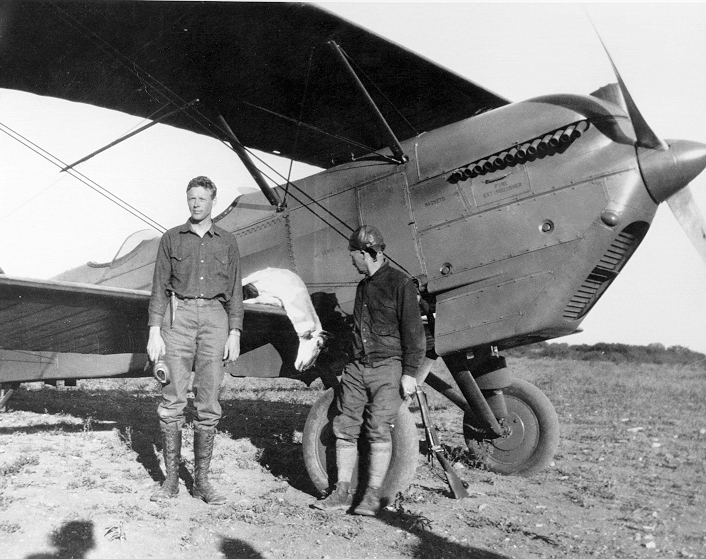
One of the most well-known aviators of all time is Charles Lindbergh. Lindbergh was an American aviator who made the first solo, non-stop transatlantic flight in 1927. His flight in the “Spirit of St. Louis” from New York to Paris took just over 33 hours, and he covered a distance of over 3,600 miles. Lindbergh’s achievement was a major milestone in aviation history, and it earned him numerous accolades, including the Congressional Medal of Honor. He used his fame to promote the development of commercial aviation and to advocate for the use of airmail.
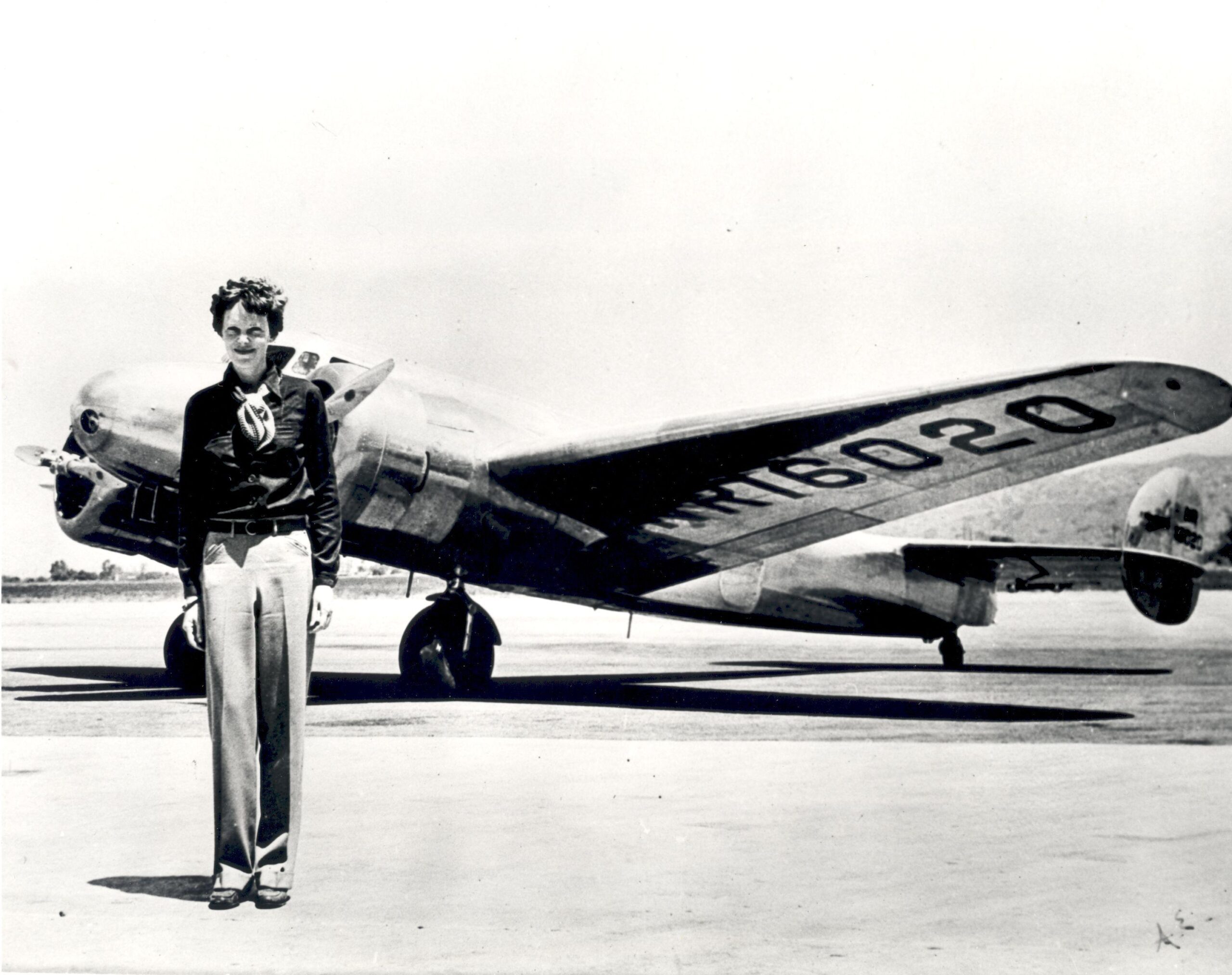
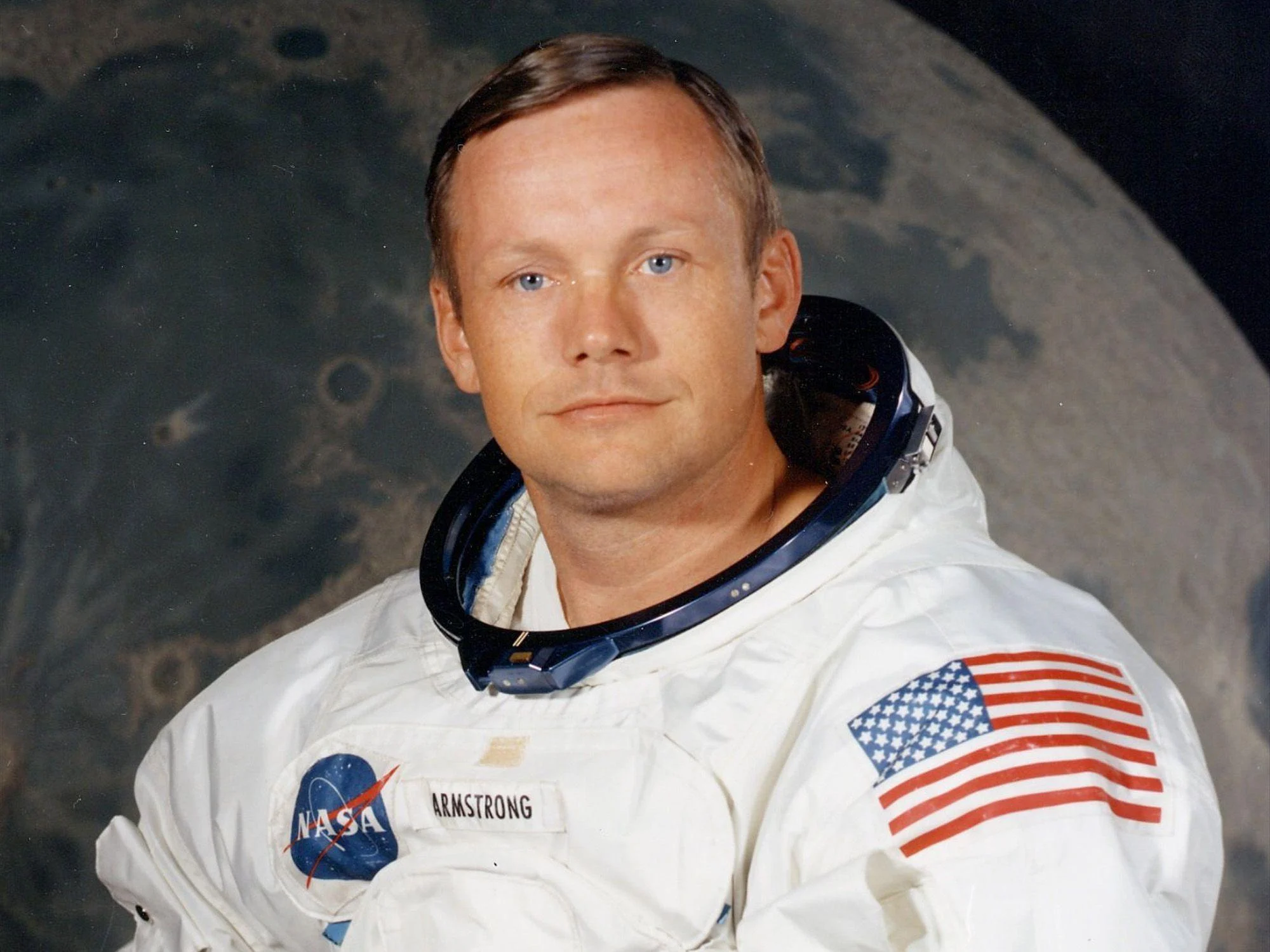
Amelia EarhartCharles LindberghNeil Armstrong
Another notable aviator is Amelia Earhart. Earhart was an American aviator who was the first woman to fly solo across the Atlantic Ocean. She accomplished this feat in 1932, and she went on to set multiple aviation records during her career. Earhart was also an accomplished author and speaker, and she used her platform to advocate for women’s rights and to encourage more women to become involved in aviation. Unfortunately, Earhart disappeared while attempting to fly around the world in 1937 and her fate remains a mystery.
Another prominent aviator and pilot was Chuck Yeager, he was an American test pilot and general officer in the United States Air Force. He flew the experimental Bell X-1 aircraft in 1947, becoming the first person to fly faster than the speed of sound. Yeager was an accomplished combat pilot during World War II, and he flew over 100 combat missions. He also flew in multiple conflicts, including the Korean War and the Vietnam War. He was a pioneer in military aviation and a true American hero.
Neil Armstrong, the first man on the Moon, was also an accomplished pilot. Armstrong was a naval aviator before joining NASA’s astronaut corps. He flew on the Gemini 8 mission in 1966, becoming the first person to dock two spacecraft in orbit. He was also the commander of the Apollo 11 mission, in which he famously declared “That’s one small step for man, one giant leap for mankind,” as he became the first human to walk on the surface of the Moon.
Baroness Elsa von Freytag-Loringhoven was not as well known as the other pilots on this list, but still made a significant impact in the aviation field. Born in 1874 in Germany, she was one of the first female aviators in the world and was active in the early days of flying. She flew with the pioneering aviator, Orville Wright, and set altitude records in her own right. She was also the first female pilot to fly in Europe and the United States. Despite facing significant challenges as a woman in a male-dominated field, she persevered and inspired future generations of women aviators.
Lastly, we cannot forget about Bessie Coleman, an American civil aviator. She was the first African American woman to hold a pilot’s license. She faced discrimination and challenges due to her race and gender, but that did not stop her from achieving her dream of flying. She overcame this by training in France, as at that time, flight schools in the United States would not accept African American or female students.
New York City is one of the most popular travel destinations in the world, but it can also be one of the most expensive. To Visit New York City on a Budget a little bit of planning and creativity will be needed, it’s possible to experience all that the city has to offer without breaking the bank. In this blog post, we’ll share some tips and tricks for budget travel to New York City.
One of the best ways to save money on your trip is to find budget-friendly accommodation. Instead of staying in a hotel, consider booking a room in a hostel or Airbnb. Hostels in New York City offer clean, comfortable dormitory-style rooms that are perfect for solo travelers or groups of friends. Airbnb rentals can also be a great option, and you can often find deals on entire apartments that are much cheaper than a hotel room.
Statue of LibertyNew York Skyline
Transportation is another major expense when visiting New York City. A 7-day unlimited metro card cost around $33, however, it’s worth it if you’re planning on doing a lot of traveling around the city. The subway is an efficient and affordable way to get around, but it’s also worth considering walking or biking. New York City has a bike-sharing program called Citi Bike, which allows you to rent a bike for as little as $12 per day. Walking is also a great way to see the city, and many of the major tourist attractions are within walking distance of each other.
When it comes to food, New York City is famous for its diverse and delicious food options, and you can find amazing meals at a wide range of price points. You could have delicious street food like pretzels, hotdogs or pizza slices, or you could dine at some of the best restaurants in the world, but either way, you’re likely to spend a lot of money. One way to save money on food is to eat your meals at the local street vendors and delis, where you’ll find plenty of delicious and cheap options. Another way to save money is to cook your own meals in your Airbnb or hostel. Many places will have basic cooking facilities and you can save a lot of money by buying your own groceries and cooking for yourself.
Times SquareBrooklyn Bridge
New York City is also known for its world-class museums and galleries, but many of them charge an admission fee. However, there are many free museums and galleries you can visit, such as The Metropolitan Museum of Art, American Museum of Natural History and the National Museum of the American Indian. If you’re a student, it’s also worth bringing your student ID to get discounts on admission fees.
NYC Skyline at SunriseNYC
Finally, one of the best ways to save money in New York City is to plan ahead. Before you leave for your trip, research the best deals on flights, accommodation, and activities. By being prepared and knowing what to expect, you’ll be able to save money and make the most of your trip.
In conclusion, while New York City can be an expensive place to visit, it is definitely possible to experience all the city has to offer without breaking the bank. With a bit of planning, creativity and patience you can have an amazing experience in the city that never sleeps. From finding budget-friendly accommodation, using public transportation, eating street food, visiting free museums and galleries, and planning ahead, you can save money and still have an unforgettable trip to one of the most iconic cities in the world
When it comes to Luxury Travel Destinations, the world is your oyster. From tropical paradises to snowy mountaintops, there’s a luxury destination to suit every taste and budget. Some popular luxury destinations include tropical islands such as the Maldives, Bora Bora, and the Seychelles, which offer crystal clear waters, white sand beaches, and luxury resorts.
Luxury travel is all about experiencing the best that life has to offer, whether it’s staying in a five-star hotel, dining at Michelin-starred restaurants, or indulging in the finest wines and champagnes. From luxurious resorts to private villas and yachts, luxury travel offers an unparalleled level of comfort, service, and style.
Luxury travel is all about indulging in the finest things in life and experiencing the very best that the world has to offer. Whether it’s staying in a five-star hotel, dining at world-renowned restaurants, or taking a private jet to a remote island, luxury travel is all about pampering yourself and creating memories that will last a lifetime. There are a variety of luxury destinations around the world, each offering its own unique experiences and amenities.
EuropeBora BoraParis
One of the most popular luxury destinations is the French Riviera. This stretch of coastline on the Mediterranean Sea is known for its glamorous resorts, world-class restaurants, and luxurious yachts. Many of the world’s wealthiest and most famous people flock to the French Riviera each year to experience its chic boutiques, museums and art galleries, and the famous Cannes Film Festival.
Europe is also a popular destination for luxury travel, with cities such as Paris, London, and Rome offering a wealth of high-end shops, restaurants, and hotels. Additionally, countries like Switzerland and Austria are famous for their ski resorts and provide an elegant and luxurious experience for the winter sports enthusiasts.
Another luxury destination is the Maldives. This group of islands in the Indian Ocean is known for its crystal clear waters, white sandy beaches, and luxury resorts. Many of the resorts are located on private islands, offering guests the ultimate in seclusion and privacy. The Maldives is also a popular destination for diving and snorkeling, with its warm waters home to an abundance of marine life.
For culture enthusiasts, Luxury travel to Italy would be great. The country has a wealth of art, history, and architecture to explore. From the ancient ruins of Rome to the museums of Florence, and the canals of Venice, Italy offers something for everyone. And of course, there’s the food, which is some of the best in the world. And all of this can be enjoyed in luxurious resorts, villas, or hotels that offer the very best in comfort, service and amenities.
For those who love winter sports, the Swiss Alps is another luxury destination. Known for its world-class skiing and snowboarding, the Swiss Alps are home to some of the most exclusive and luxurious ski resorts in the world. Guests can enjoy the beautiful mountain scenery, top-of-the-line facilities, and five-star service while indulging in the winter sports activities. The Swiss Alps are also a great destination for summer activities like hiking and mountain biking
RomeBora BoraAfrican Safari
For those who love adventure and the great outdoors, luxury destinations such as Africa and South America offer a wealth of opportunities for luxury safari experiences, where you can stay in luxurious tented camps and lodges while exploring the wilderness and observing wildlife in their natural habitat.
Another destination for luxury travel is Dubai, the city offers a unique blend of the traditional and the modern. With the world’s tallest building, the Burj Khalifa, and the largest shopping mall, Dubai Mall, to the traditional souks, Dubai offers a variety of experiences for luxury travelers. The city also offers a wide range of luxury resorts and spas. Additionally, Dubai’s beaches and warm climate make it a perfect place to unwind and relax.
For a tropical paradise, Bali is a great luxury destination. This Indonesian island offers a perfect blend of natural beauty, cultural heritage and luxury accommodation. From the beautiful beaches to the lush rice terraces, the island is a visual feast for the senses. Bali is also home to some of the world’s most luxurious resorts and spas. Many of these resorts offer luxurious villas and private pools, providing guests with the ultimate in privacy and relaxation.
Another popular luxury destination is Asia, with countries like Japan, China, and Thailand offering a unique blend of ancient culture and modern luxury. Japan, for instance, offers a unique blend of traditional and modern culture, with luxury hotels, world-renowned sushi restaurants and exclusive private tours of historical sites and traditional gardens.
JapanDesert
When it comes to luxury travel, the possibilities are endless. Whether you’re looking for a romantic getaway, a family vacation, or an adventure of a lifetime, there’s a luxury destination that’s perfect for you. The key is to find a destination that aligns with your interests and preferences and plan accordingly.
Luxury travel also offers a range of activities and experiences. From spa treatments, yoga and fitness classes, to outdoor activities such as golf, tennis, and water sports, luxury destinations offer a range of activities to keep you busy and entertained. Additionally, many luxury destinations offer exclusive experiences such as private tours, wine tastings, and cultural experiences.
Stone TreatmentSpa
In conclusion, luxury travel offers the ultimate in luxury and indulgence, providing guests with an unforgettable experience. The world has a wide range of luxury destinations, each with its own unique experiences and amenities. From the glamorous resorts of the French Riviera to the secluded islands of the Maldives, and the ski resorts of the Swiss Alps to the tropical paradise of Bali, luxury travel offers something for everyone. Whether you’re looking for culture, adventure, or relaxation, there’s a luxury destination out there that will suit your needs.
Leave No Trace principles are a set of guidelines designed to promote responsible outdoor ethics and reduce human impact on the environment. These principles were developed by the Leave No Trace Center for Outdoor Ethics, a nonprofit organization that works to educate people about the impacts of human activity on the natural world. By following these principles, individuals can help protect the wilderness and preserve it for future generations to enjoy.
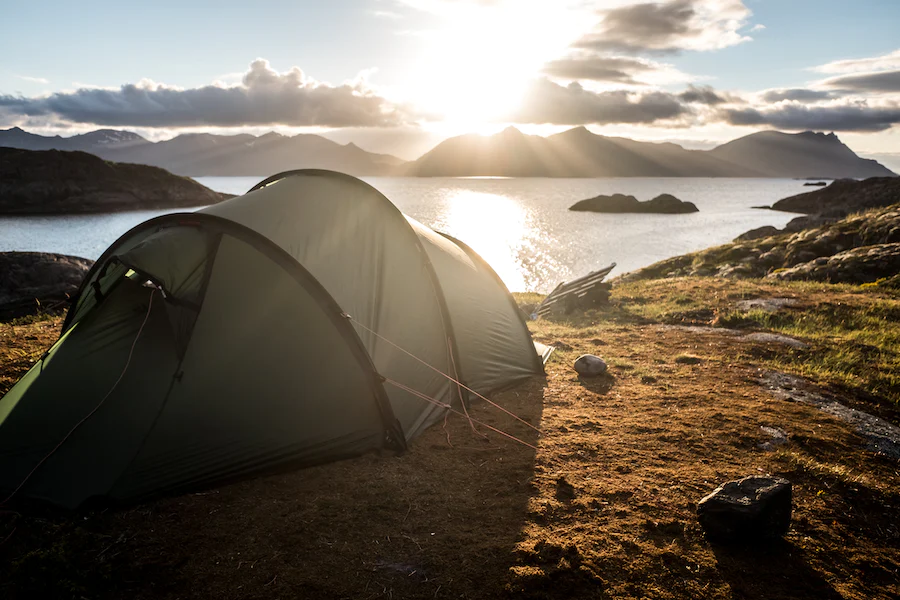
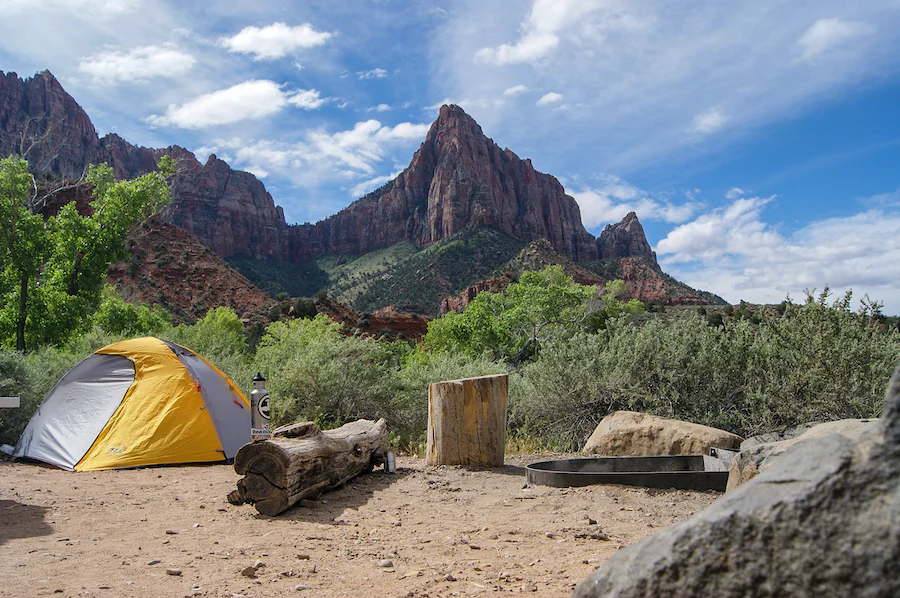
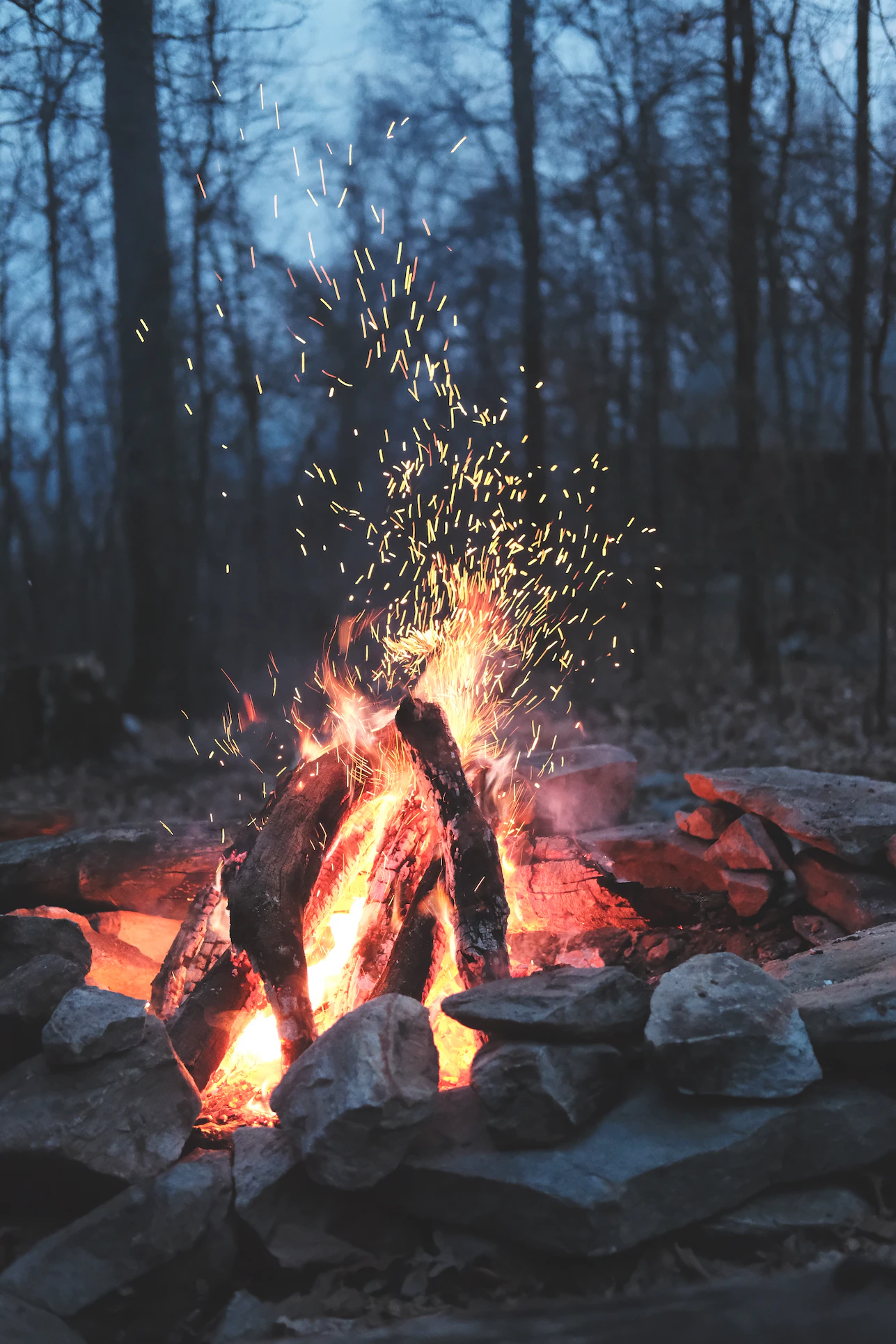
Leaving NO TraceLeave No trace CampfireView from inside tent
The Leave No Trace Seven Principles are:
Plan Ahead and Prepare: This principle encourages individuals to be prepared before heading out into the wilderness. Research the area you’ll be visiting, the weather conditions, and the necessary gear and equipment. By planning ahead, you can ensure that you have everything you need for a safe and enjoyable trip.
Travel and Camp on Durable Surfaces: This principle encourages individuals to stay on designated trails and campsites to minimize the impact on the environment. When possible, it is best to stick to durable surfaces, such as established trails and campsites, and avoid fragile areas such as meadows and wetlands.
Dispose of Waste Properly: This principle encourages individuals to pack out all trash, leftover food, and litter. By properly disposing of waste, you can help keep the wilderness clean and free from pollution. Additionally, bury human waste in designated areas at least six to eight inches deep and at least 200 feet away from water sources, trails, and campsites.
Leave What You Find: This principle encourages individuals to leave the wilderness as they found it. Avoid picking flowers, collecting rocks, or removing other natural items. Also, leave historical and cultural artifacts as you find them.
Minimize Campfire Impact: This principle encourages individuals to use a stove for cooking instead of building a campfire. When fires are necessary, use established fire rings, fire pans or mound fires. Keep fires small and burn only small sticks and twigs that can be broken by hand. Burn only twigs and branches smaller than a pencil.
Respect Wildlife: This principle encourages individuals to observe wildlife from a distance, so as not to disturb them. Feeding wild animals can disrupt natural behaviors and can be dangerous for both the animals and the people.
Be Considerate of Other Visitors: This principle encourages individuals to be respectful of other visitors and to keep noise levels down, especially in the early morning and evening. It is important to respect the rights of other hikers and backpackers and to minimize the impact of your presence on the wilderness.
When following Leave No Trace principles, it’s important to be mindful of the impact of your actions on the environment and to take steps to minimize that impact. By being prepared, staying on designated trails, properly disposing of waste, leaving natural features as you find them, minimizing campfire impact, respecting wildlife and being considerate of other visitors, you can help preserve the wilderness for future generations to enjoy.
In addition to these principles, it’s also important to be aware of local regulations and laws that may be in place to protect the natural environment. Some areas may have specific rules and guidelines that must be followed to help protect the wilderness. Additionally, it’s important to educate oneself and others about Leave No Trace principles and the importance of protecting the environment.
In conclusion, Leave No Trace principles are a set of guidelines designed to promote responsible outdoor ethics and reduce human impact on the environment. By following these principles and being mindful of the impact of our actions on the environment, we can help preserve the wilderness for future generations to enjoy. By respecting the wilderness and the other visitors, you can make the wilderness trip more enjoyable for yourself and others.
Documenting travel experience of Adventure and Outdoor Travel Experiences such as hiking, skiing and more.
Adventure and outdoor travel is all about getting out of your comfort zone and experiencing the thrill of the unknown. Whether you’re hiking through a remote mountain range, skiing down a snowy slope, or kayaking down a wild river, there’s nothing quite like the feeling of being out in nature and pushing yourself to your limits. Documenting your adventure and outdoor travel experiences can be a great way to preserve those memories and share them with others. Here are some tips for documenting your adventure and outdoor travel experiences:
Woman kayaking down riverFlipping off boatHiking
First and foremost, invest in a good quality camera. If you’re serious about documenting your adventure and outdoor travel experiences, you’ll want to invest in a camera that is up to the task. A good quality camera will be able to capture the beauty of your surroundings and the thrill of your activities, whether you’re taking stills or videos. See our post about Best Electronic Gadgets to travel with. Consider a camera that can perform well in low light conditions and can take action shots. A good camera bag that can protect your gear from the elements is also an important investment.
Another important aspect of documenting your adventure and outdoor travel experiences is planning. Before you leave, research the best spots to photograph or film, and think about the angles and lighting that will make your shots most effective. Also, consider the best time of day to visit those spots. This will help you capture the best images or videos possible, and ensure that your memories are captured in the most beautiful way.
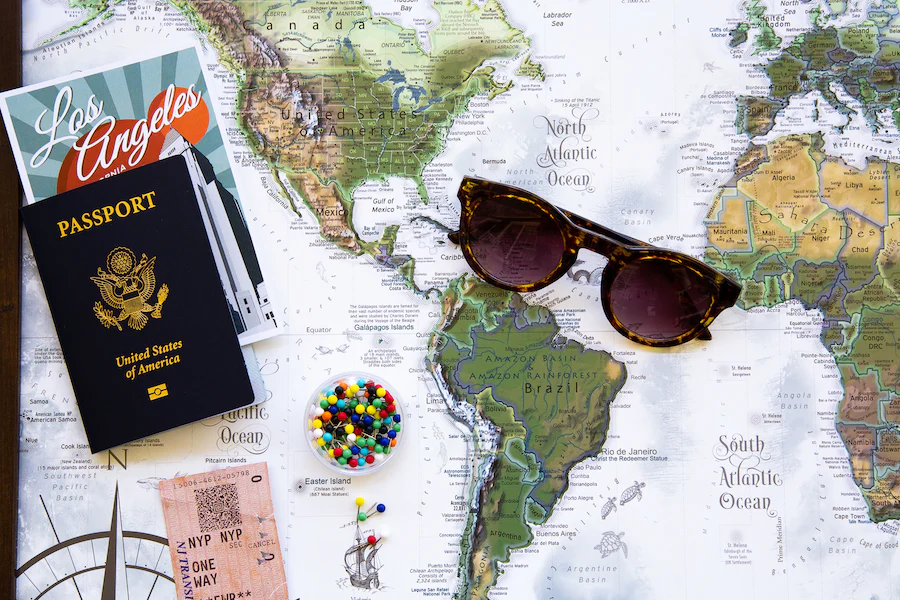
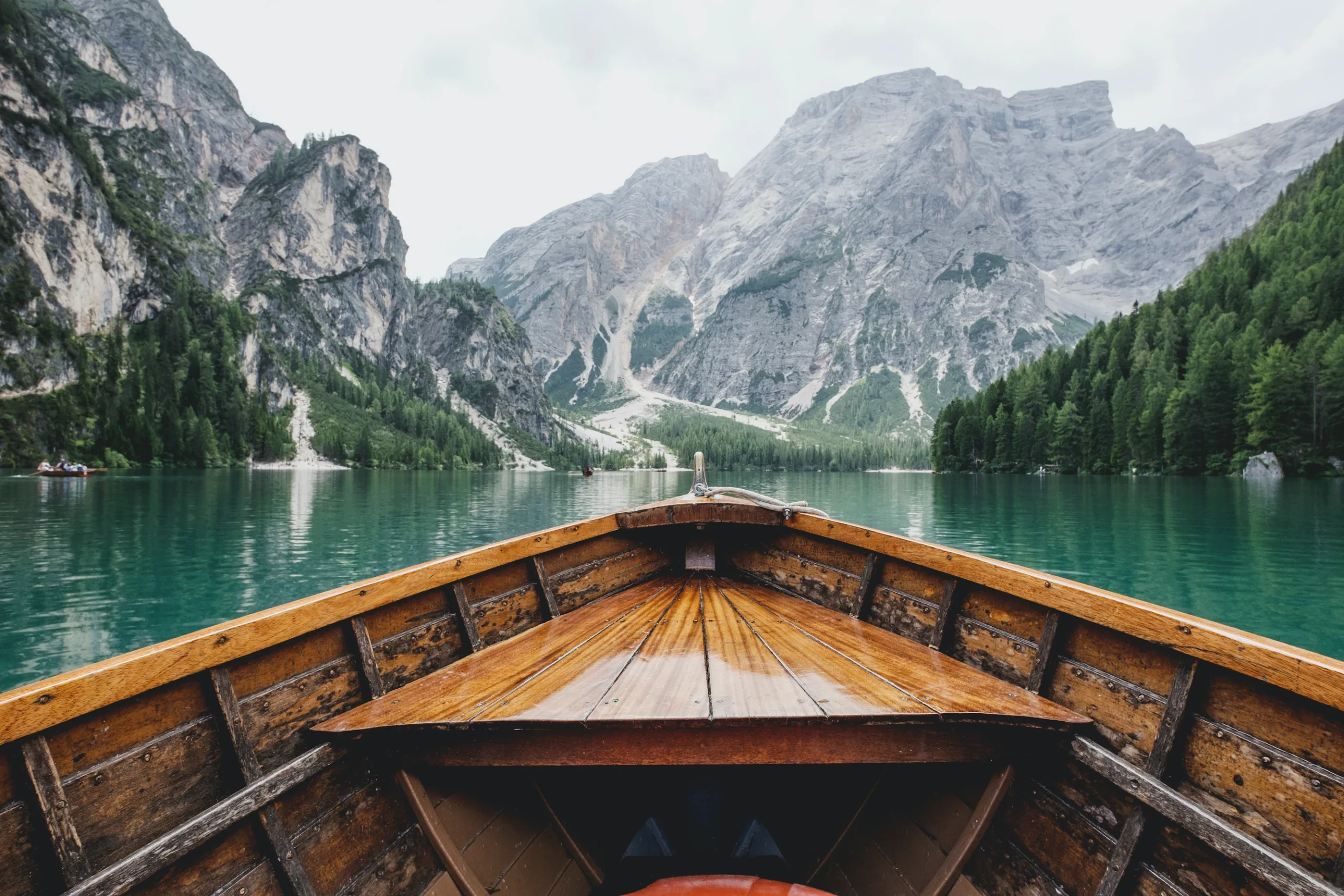
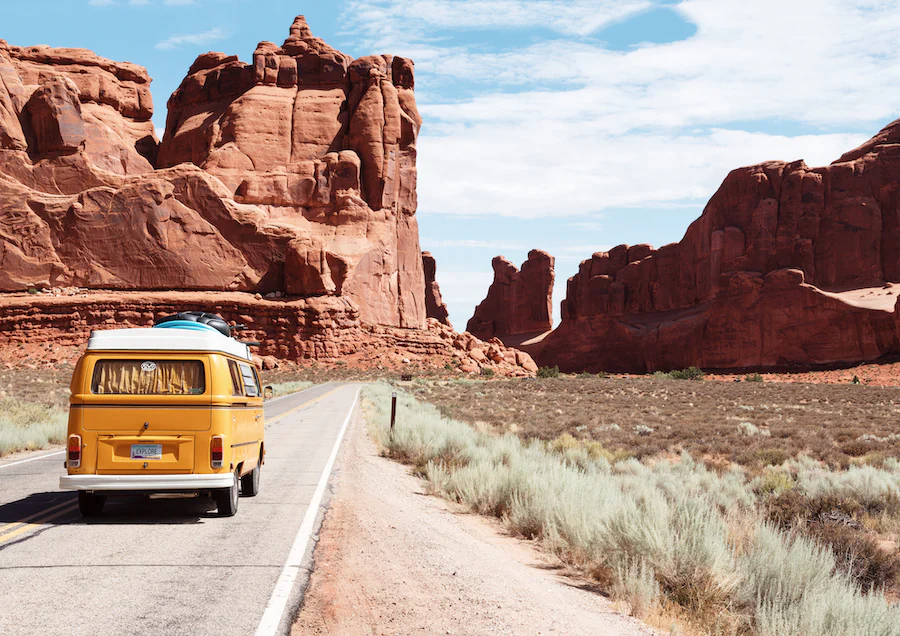
Passport map and glassesWooden boat in water with mountainsVW Van in AZ driving near Mesa
When you’re out exploring and documenting your adventure and outdoor travel experiences, don’t be afraid to get creative. Take photos and videos from different angles, and experiment with different lighting and exposure. The more creative you are, the more interesting your shots will be. You can also try taking photos and videos from a different perspective, such as from the ground, or from the water if you’re kayaking.
Another important part of documenting your adventure and outdoor travel experiences is capturing the emotions and feelings that you’re experiencing. Whether it’s the awe-inspiring view from a mountain summit or the adrenaline rush of a fast-moving river, try to capture the emotions and feelings that you’re experiencing in your shots. This will help to make your photos and videos more personal and meaningful.
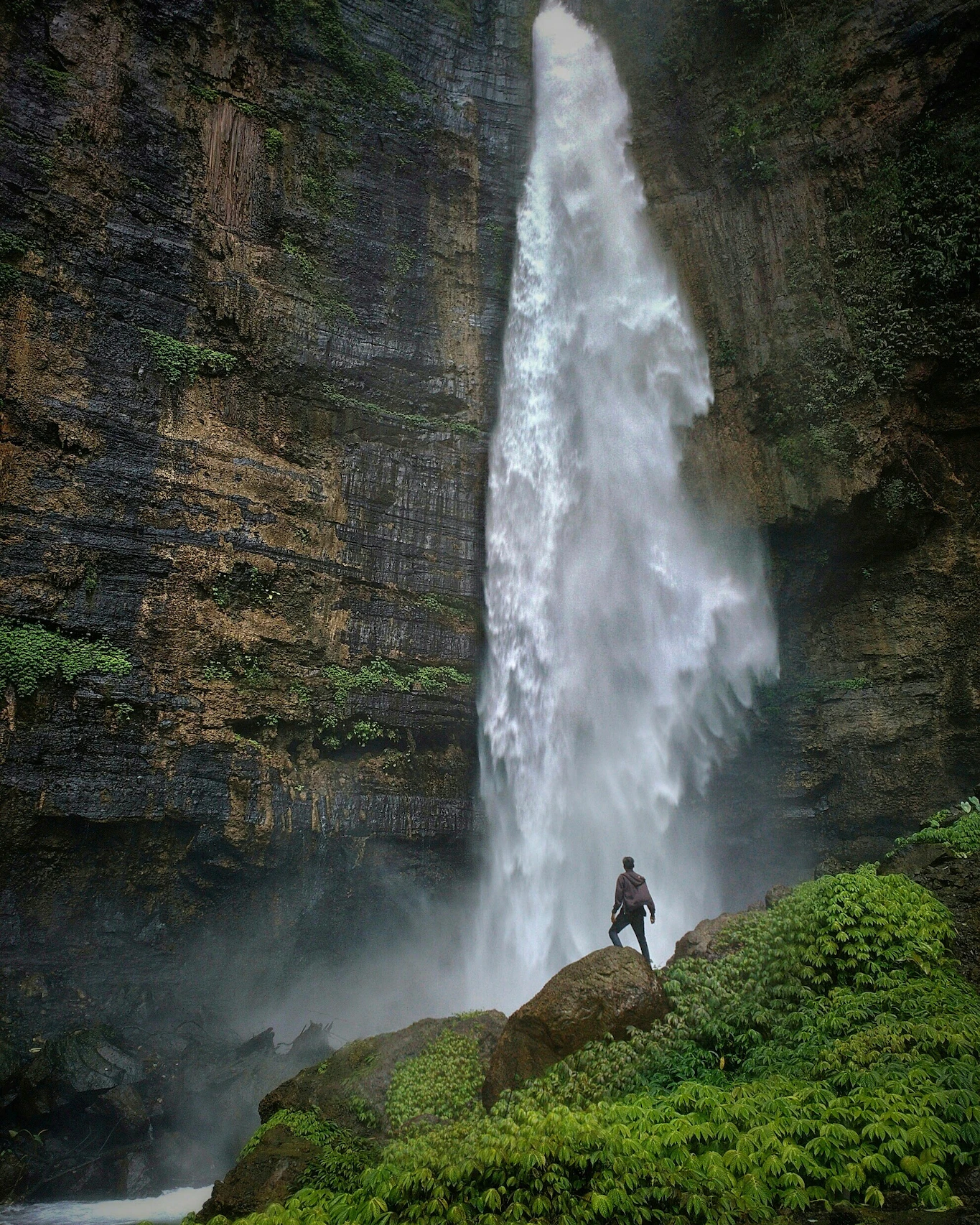
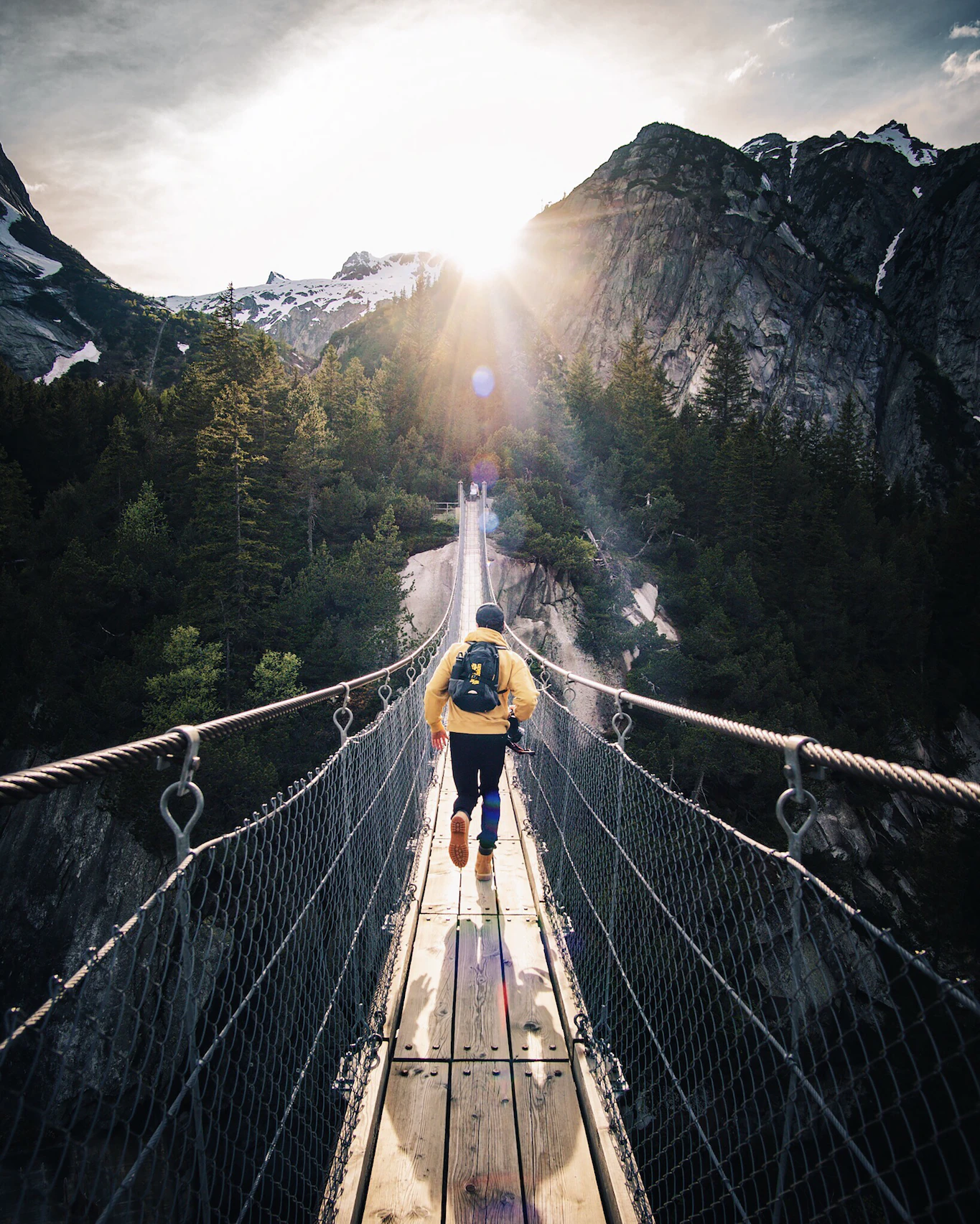
WaterfallWoman sitting on cliffMan on wooden bridge hiking
Make sure to take proper safety precautions when documenting your adventure and outdoor travel experiences. Traveling to remote locations and participating in outdoor activities can come with risks, so it’s important to be prepared. Always bring essential items such as a first aid kit, water, and a map. Also, be aware of the weather conditions and the terrain of the area you’ll be exploring.
It’s also important to respect the environment and local cultures when documenting your adventure and outdoor travel experiences. Always follow Leave No Trace principles, and be aware of any regulations or rules in place to protect the natural environment or local culture.
Tips and advice for traveling on a budget and finding deals on flights, accommodation, and activities.
Budget travel can be a great way to explore new destinations and experience different cultures without breaking the bank. With a little bit of planning and research, you can find ways to save money on flights, accommodation, and activities, allowing you to stretch your budget further and make the most of your trip. Here are some tips and advice for traveling on a budget:
One of the most important things to consider when planning a budget trip is your transportation. Flights are often one of the most expensive parts of a trip, but with a little bit of research, you can find ways to save money on airfare. One tip is to book flights well in advance, as airlines often offer discounted fares for early bookings. Another tip is to be flexible with your travel dates, as prices can vary depending on the day of the week and the time of year.
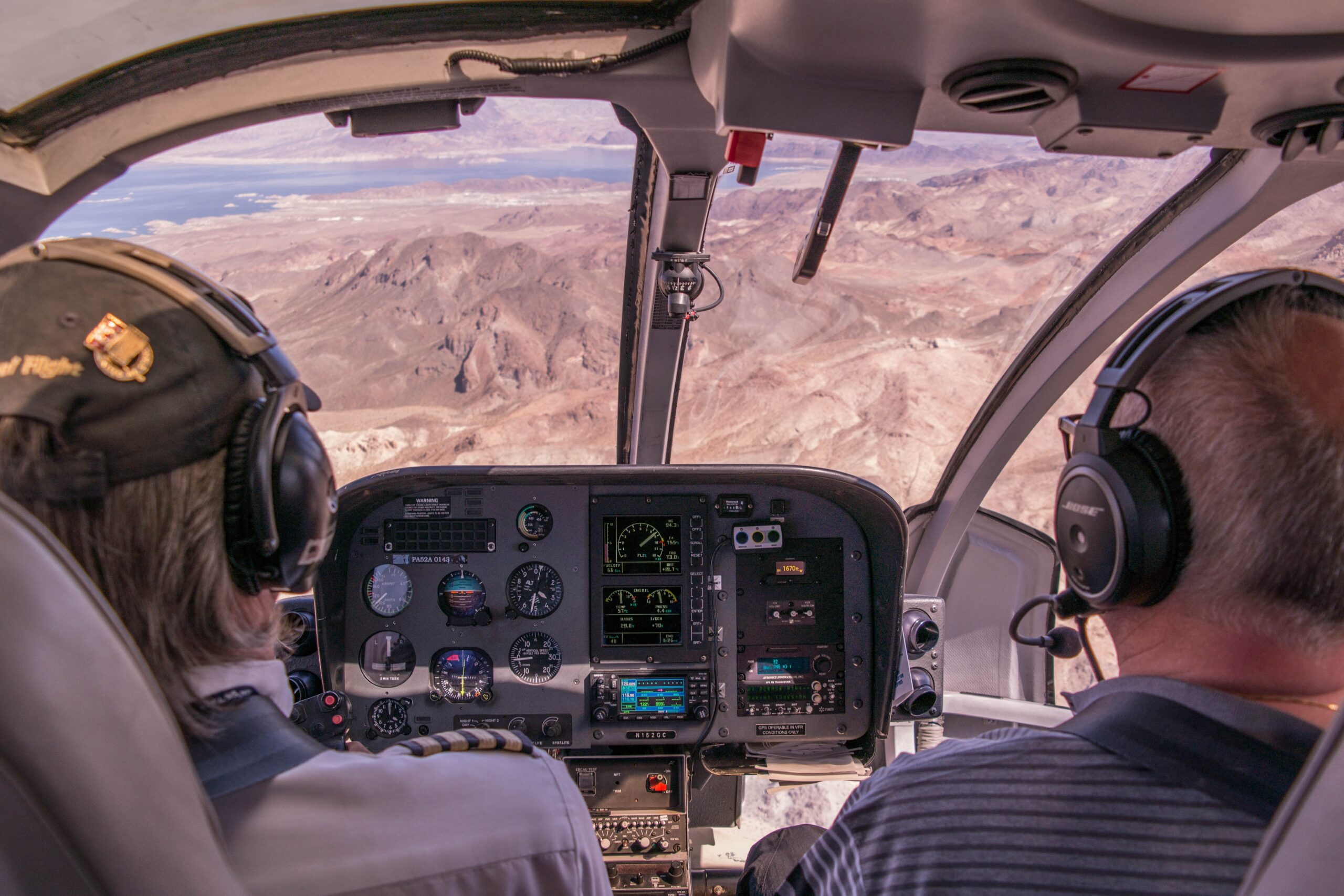
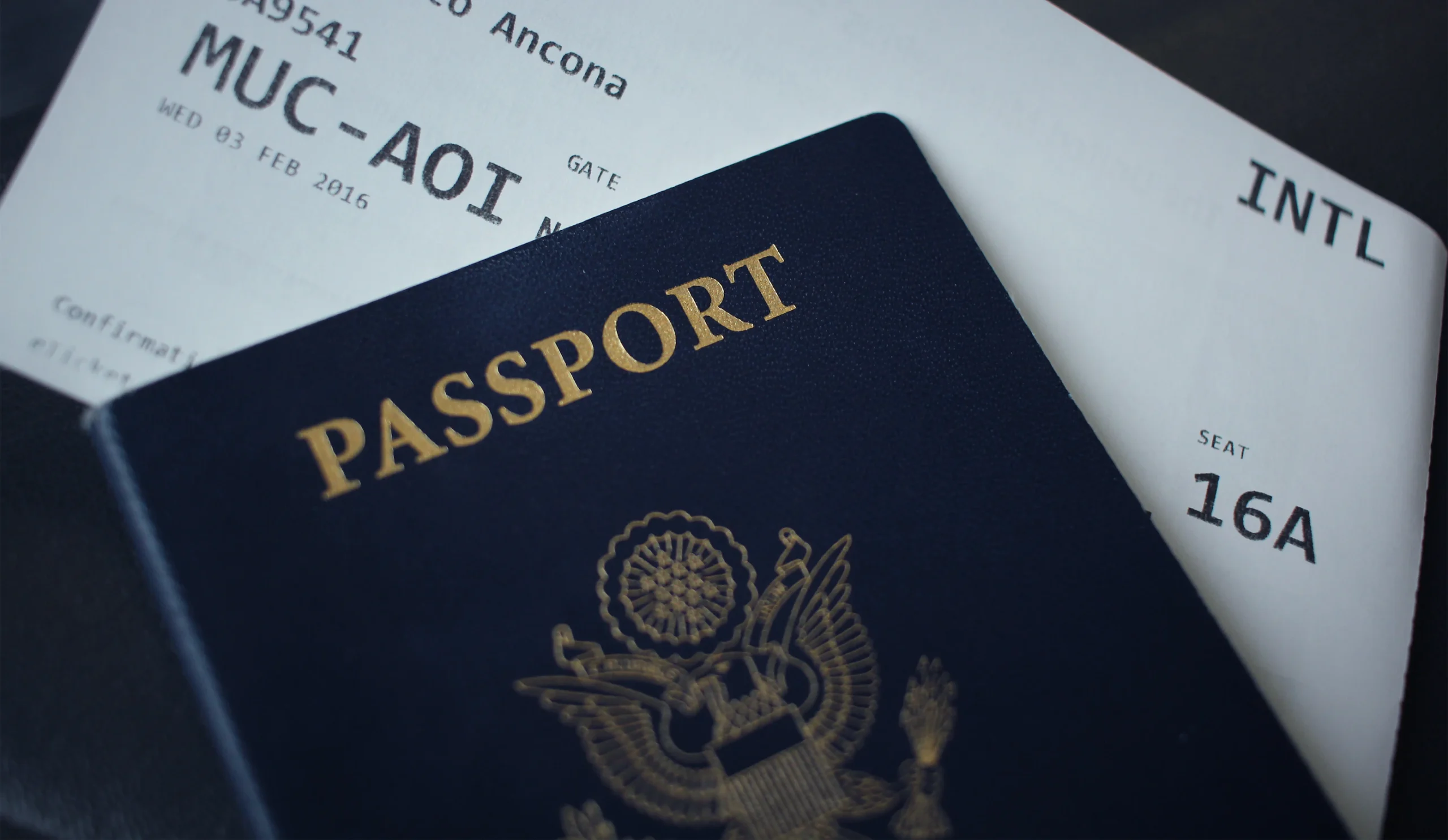
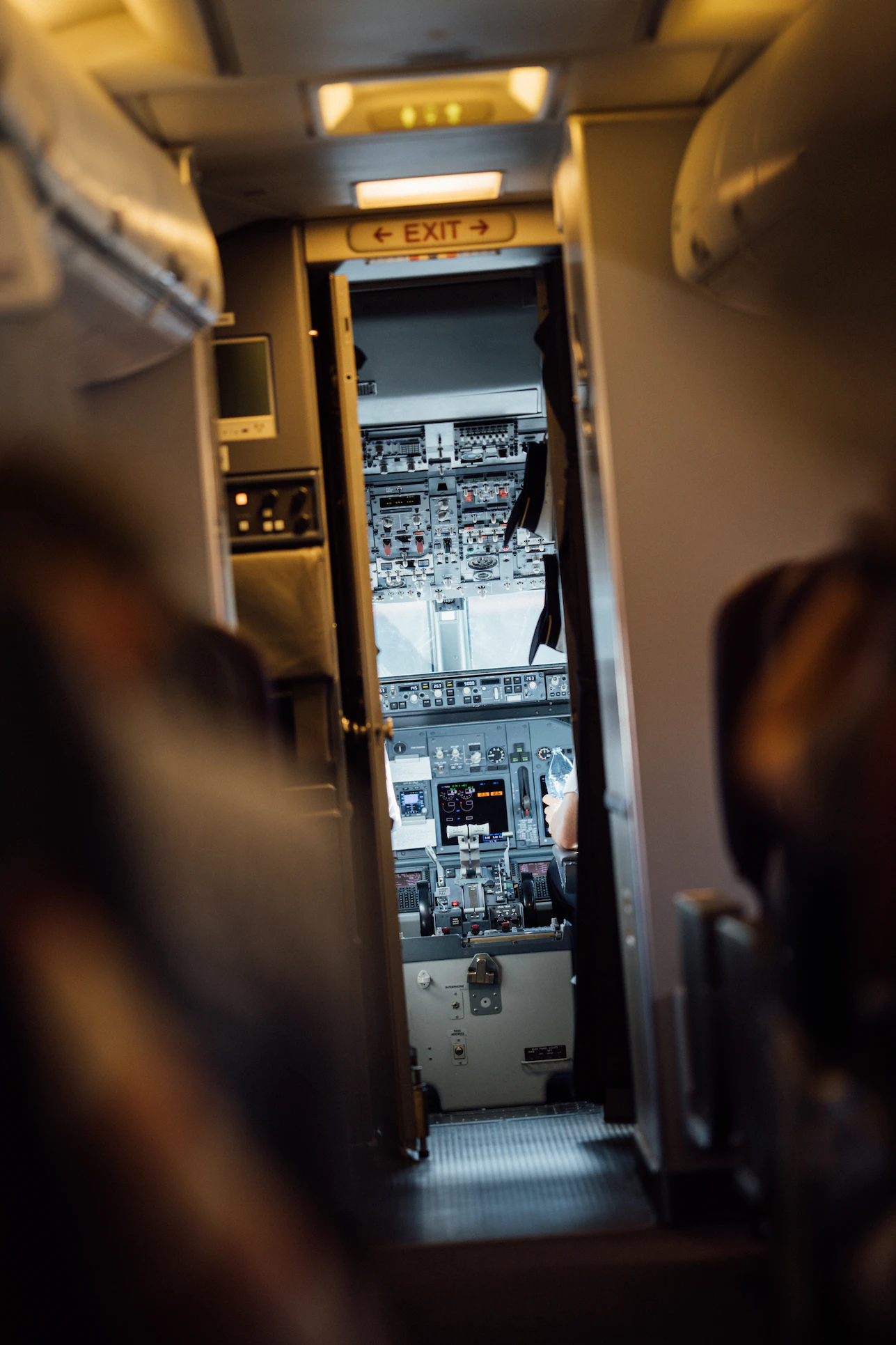
PassportAmerican AirlinesView of Cockpit from passenger seat
Another way to save money on transportation is to consider alternative options such as buses and trains. These options may take longer, but can be significantly cheaper than flying. In some countries, taking a bus or train could also give you more time to appreciate the scenery and culture of the places you’re visiting.
When it comes to accommodation, there are many ways to save money while still finding a comfortable place to stay. One option is to look for budget-friendly hotels or hostels. These can often be found in more affordable areas of a city, and while they may not have all the luxuries of a more expensive hotel, they are usually clean, safe, and comfortable. Another option is to consider vacation rentals, such as apartments or homes, which can often be rented for less than the cost of a hotel. Online booking platforms like Airbnb or Booking.com may provide you deals on vacation rentals.
Camping is another great option for budget travelers. Not only is it affordable, but it also allows you to experience nature and get away from the hustle and bustle of the city. If you’re not comfortable with camping, you can also look into couchsurfing or house-sitting which can offer free accommodation in exchange for helping out with some tasks or duties.
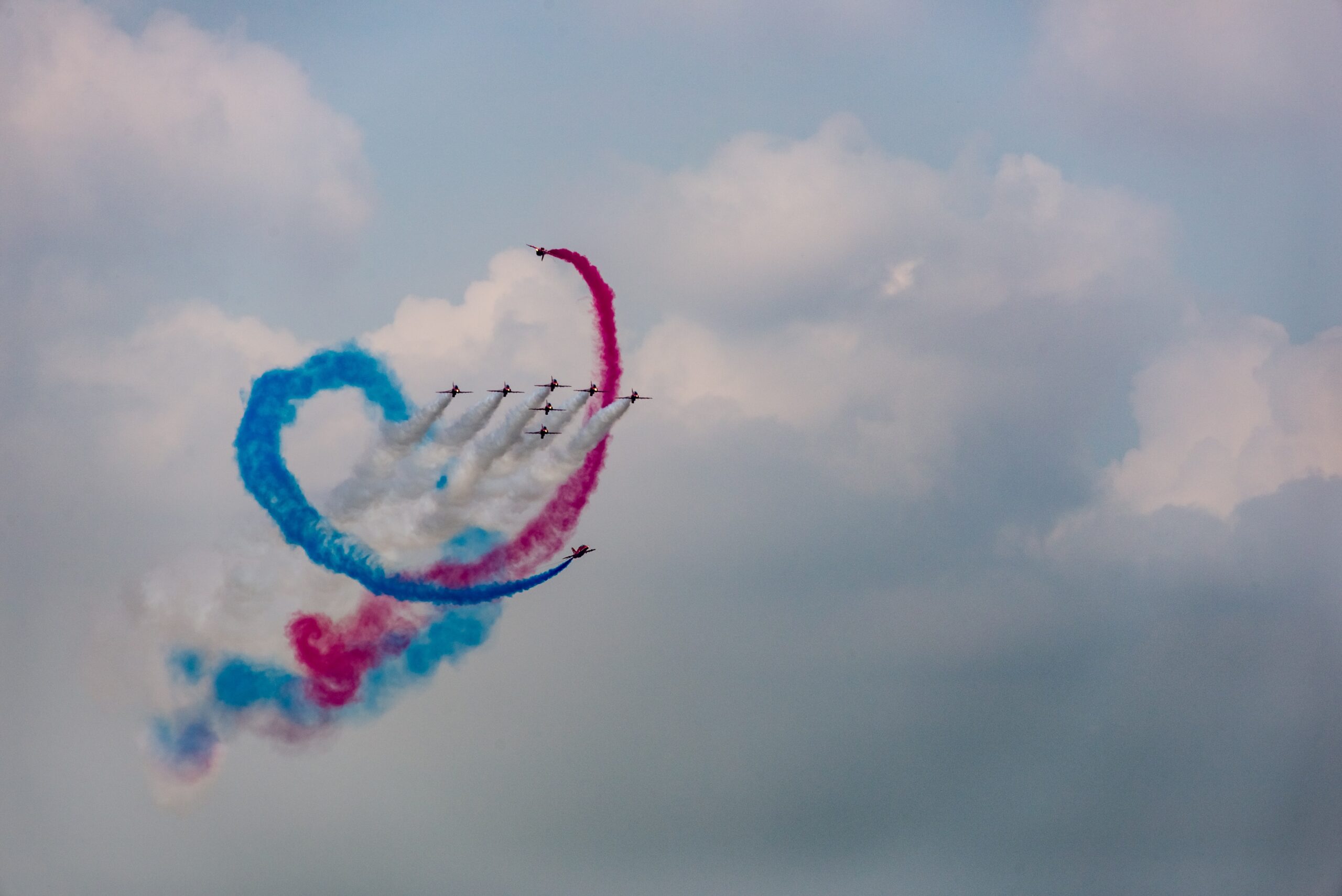
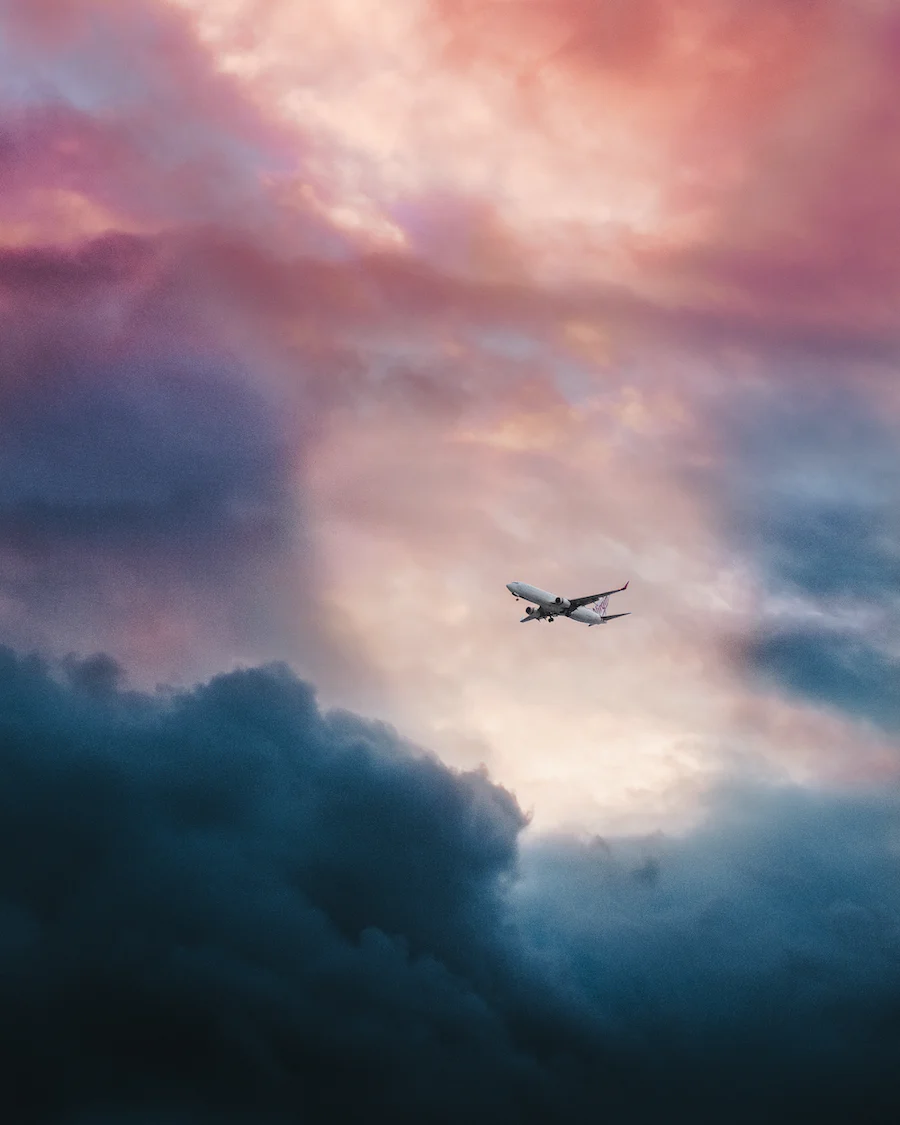
DubaiPlane flying through colored cloudsAirplane Window
When it comes to activities, there are plenty of ways to have fun and see the sights without spending a lot of money. One tip is to look for free or low-cost activities in your destination, such as visiting local parks, beaches, or museums. You can also look for deals on activities, such as discounted tickets to attractions or group tours.
Another way to save money on activities is to plan ahead. Research the activities you’re interested in and try to find deals or discounts. Many activities offer early bird discounts, group rates, or even free tours on certain days of the week. Furthermore, consider traveling off-season, as prices tend to be lower when fewer tourists are visiting a destination.
Food can also be a significant expense on a trip. To save money, you can consider cooking your own meals or opting for street food and local markets instead of restaurants. Street food and local markets can be a great way to experience local cuisine while also saving money. Also, you can consider packing a lunch when going out for a day trip, this way you can save some money and also be able to have a picnic wherever you are.
Another tip for budget travelers is to be mindful of currency exchange rates and credit card fees. It’s always a good idea to have some local currency on hand for small expenses, but be aware that some ATMs and exchange bureaus charge high fees. Look for cards that don’t charge foreign transaction fees as well.
In conclusion, traveling on a budget is possible if you’re willing to put in a little bit of effort and do your research