Posted on

Superheros and Pilots?

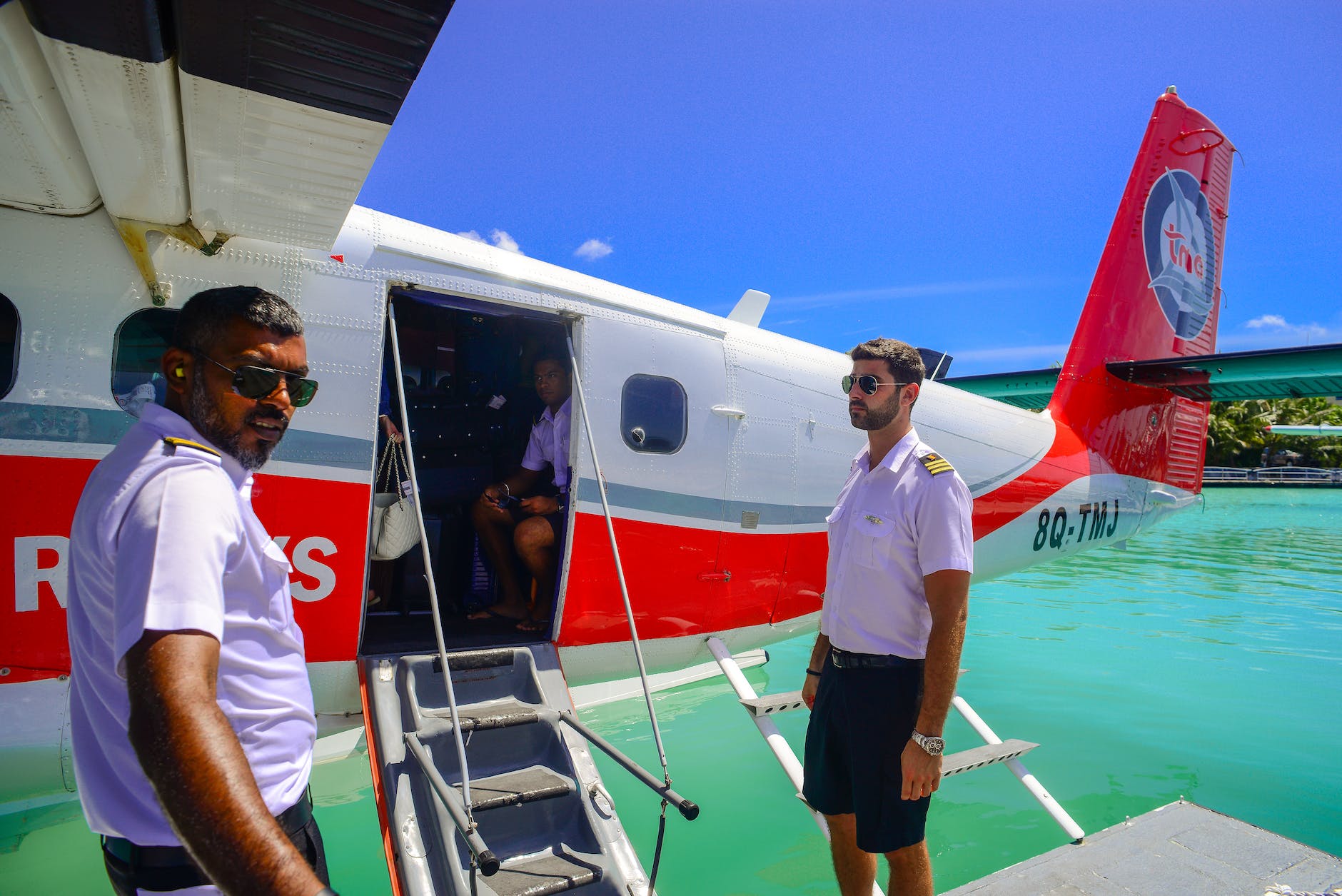
man standing beside of white and red airplane

Superheroes and pilots have a lot in common. Both are considered to be brave and skilled individuals who are called upon to save the day in dire situations. They are also both characters that have captivated audiences for decades, with stories and movies that continue to be popular today.

Superheroes, like pilots, are often depicted as larger-than-life figures with extraordinary abilities. They possess superhuman strength, speed, and agility, as well as unique powers like the ability to fly or control the elements. They use these abilities to fight crime, protect the innocent, and save the world from destruction.

Pilots, on the other hand, are known for their skill and precision as they navigate aircraft through the skies. They are responsible for the safe operation of their aircraft and the well-being of their passengers. They also play an important role in the military, where they are tasked with completing dangerous missions and protecting their country.

Despite their differences, there are several similarities between superheroes and pilots. Both are admired for their courage and skill, and both are often seen as role models for young people. They also both face the same kinds of challenges and dangers, and must rely on their training and abilities to overcome them.

Another aspect that they have in common is that they are both constantly evolving. Superheroes, as the comics and movies keep on coming, are getting more advanced and powerful. Similarly, pilots are adapting to new technologies and changes in the aviation industry.

In conclusion, superheroes and pilots are two very different characters, but they share many similarities. Both are admired for their courage and skill, and both have captivated audiences for decades. They are also both constantly evolving, adapting to new challenges and technologies. Whether it’s a superhero saving the world or a pilot navigating a plane through the skies, they are both heroes in their own right.

Posted on

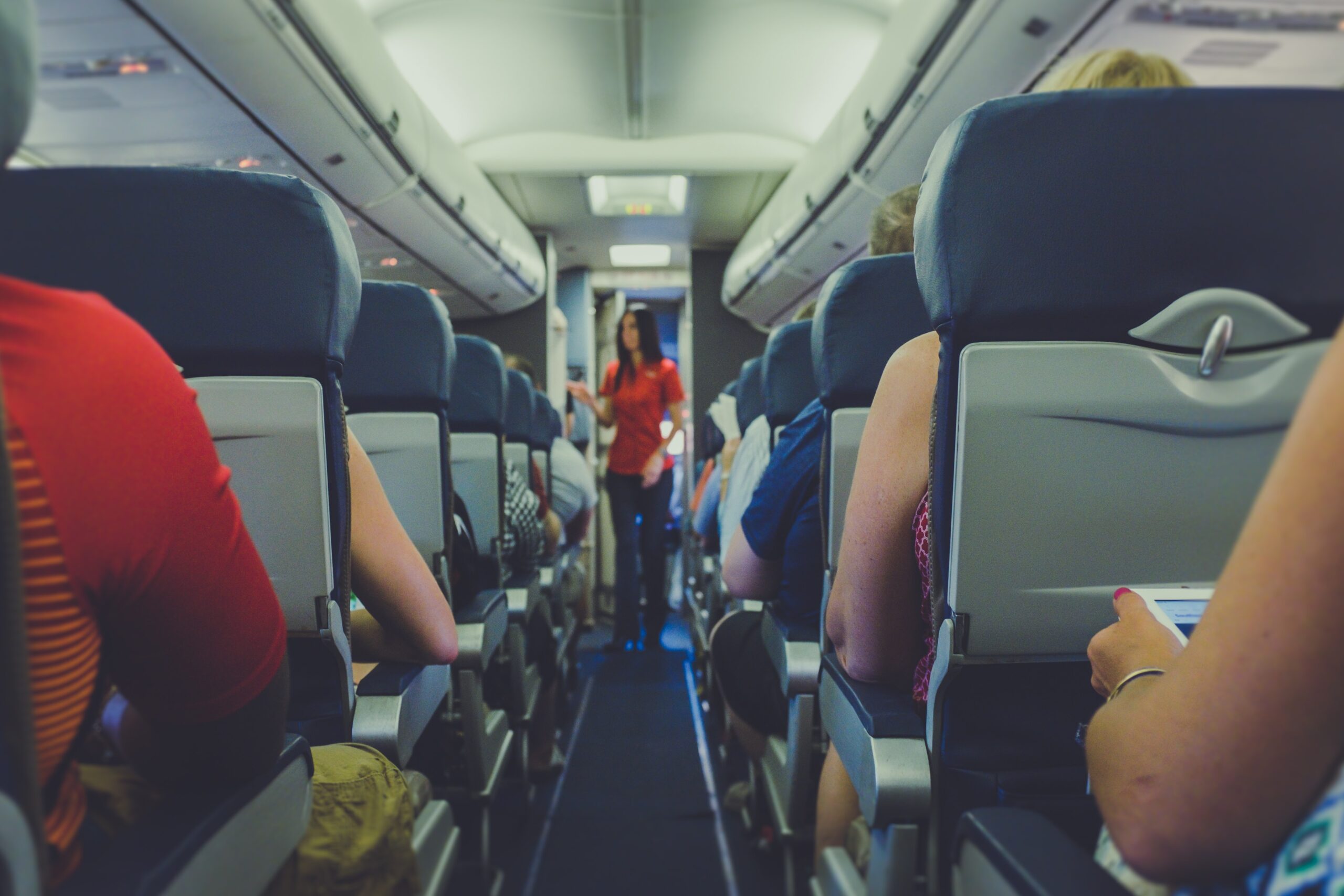
Being a flight attendant

Flight Attendant

Being a flight attendant can be a fulfilling and exciting career, but it also comes with its own set of challenges, including figuring out how to eat and pack for the road, and understanding the secret language of crew members. Here’s a closer look at how to navigate these aspects of the job:

  1. Eating on the road: Eating healthy and maintaining a balanced diet can be difficult when you’re constantly on the go. However, it’s important to find ways to eat well in order to stay energized and focused on the job. One way to do this is to bring your own meals and snacks, such as a sandwich or salad, to eat during your layovers. Another option is to look for healthy options at airports or on the plane.
  2. Packing: Packing for a trip can be a daunting task, especially when you’re not sure how long you’ll be away or what the weather will be like. To make packing easier, create a list of essentials such as comfortable shoes, a uniform, and any necessary documents. Additionally, it’s important to have a carry-on bag with essentials such as a change of clothes, toiletries, and a book or entertainment device in case your luggage gets lost.
  3. Secret language of crew members: Crew members often use their own secret language to communicate with each other. This language is used to make announcements and convey important information in a quick and efficient manner. For example, “deadhead” refers to a crew member who is traveling without passengers, “jumpseat” refers to the seat in the cockpit for non-flying crew members, and “Ramp” refers to the ground crew. It may take some time to learn the lingo, but it’s an important part of being a flight attendant.
  4. Maintaining a work-life balance: Being a flight attendant means that you’ll be away from home for long periods of time and it may be hard to maintain a work-life balance. It’s important to find ways to stay connected with family and friends while on the road and make time for yourself to relax and recharge.

My official title is Flight Attendant

Most people call me BADASS

In conclusion, being a flight attendant is an exciting and rewarding career, but it also comes with its own set of challenges. To be successful, it’s important to find ways to eat well, pack efficiently, understand the secret language of crew members and maintain a good work-life balance. With a little bit of preparation and a positive attitude, you can enjoy the many rewards of being a flight attendant.


Posted on

A little about Delta Air Lines

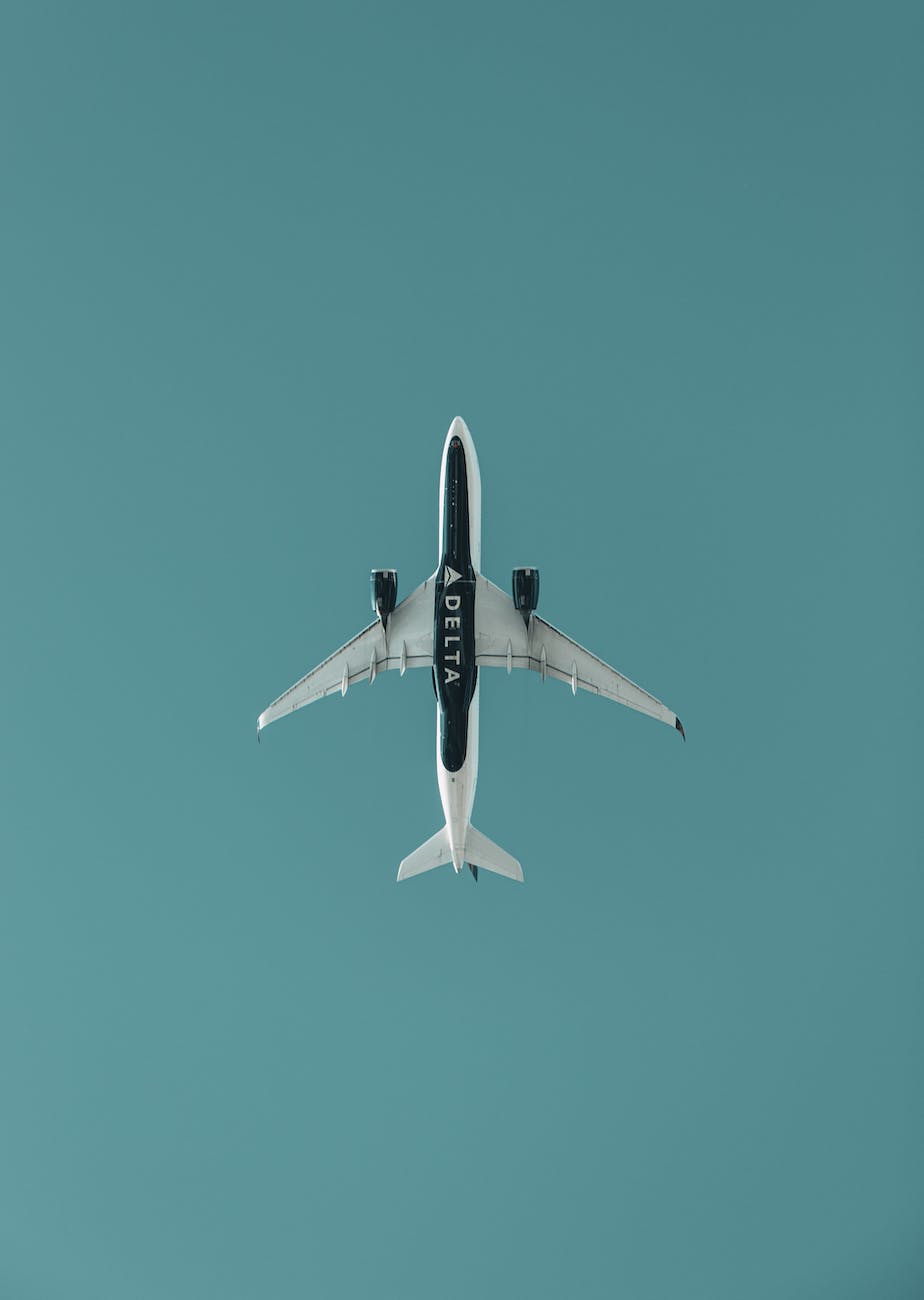
white airplane in a blue sky

Delta Air Lines, Inc. is one of the major American airlines that operates flights to more than 325 destinations in 52 countries around the world. The company was founded in 1924, making it one of the oldest airlines in the world. It is headquartered in Atlanta, Georgia and operates a major hub at Hartsfieldโ€“Jackson Atlanta International Airport.

Delta Air Lines offers a wide range of services to its customers, including economy, premium economy, business and first class seating options. It also offers a number of inflight amenities such as in-flight entertainment, Wi-Fi, and power outlets. Additionally, the airline offers a loyalty program, SkyMiles, which allows customers to earn miles and redeem them for flights, upgrades, and other perks.


Delta’s fleet of aircraft is one of the most modern and efficient in the industry. The airline operates a mix of Boeing and Airbus aircraft, including the Boeing 737, 757, 767, 777, and 787, as well as the Airbus A220 and A330. The company is also investing in more fuel-efficient planes, such as the Airbus A350 and the Boeing 787 Dreamliner, to reduce its environmental impact.

Delta’s route network is extensive, with flights to destinations throughout North America, South America, Europe, Asia, and Africa. The airline also has a number of partnerships and codeshare agreements with other airlines, which allows customers to book flights on other airlines and earn miles in the process.

In terms of customer service, Delta has a reputation for being one of the best airlines in the industry. The company has a dedicated team of customer service agents who are available to assist customers with any issues or concerns they may have. Additionally, Delta has a number of self-service options, such as online check-in and mobile boarding passes, which make it easy for customers to manage their travel plans.


Overall, Delta Air Lines is a reliable and reputable airline that offers a wide range of services to its customers. With its extensive route network, modern fleet of aircraft, and commitment to customer service, it is no wonder that it is one of the most popular airlines in the world.

Posted on

NOTAM System Explained

FAA Seal

The Notice to Airmen (NOTAM system), now called the Notice to Air Missions (NOTAM) system, is an essential tool for pilots and air traffic controllers to stay informed about important information that may affect their flight. NOTAMs are issued by the Federal Aviation Administration (FAA) and provide information about temporary changes to the airspace, such as closed runways, construction, or military exercises.

One of the key benefits of the NOTAM system is that it allows for real-time updates and changes to the airspace. This is particularly important for pilots, as it allows them to plan their flights accordingly and avoid any potential hazards. For example, if a runway is closed for maintenance, a NOTAM will be issued to inform pilots that they should not plan to land or take off from that runway.


In addition to providing information about changes to the airspace, NOTAMs also provide information about other important factors that may affect a flight. This can include weather conditions, such as thunderstorms or icing, as well as information about navigation aids, such as out-of-service VORs (VHF Omnidirectional Range stations).

The NOTAM system is also important for air traffic controllers, as it allows them to stay informed about changes to the airspace and plan their operations accordingly. For example, if a runway is closed for maintenance, air traffic controllers will need to redirect incoming and outgoing flights to other runways.

Overall, the NOTAM system is an essential tool for pilots and air traffic controllers to stay informed about important information that may affect their flight. It allows for real-time updates and changes to the airspace, and provides information about other important factors that may affect a flight, such as weather conditions and navigation aids.


On January 11, 2023, the Notice to Airmen (NOTAM) system experienced a major crash, causing widespread disruption and confusion for pilots and air traffic controllers across the United States.


The crash resulted in the system being down for several hours. During this time, pilots were unable to access important information about the airspace, such as closed runways and temporary flight restrictions. Air traffic controllers were also affected, as they were unable to access NOTAMs to plan their operations and redirect incoming and outgoing flights.

The cause of the crash is still under investigation, but initial reports suggest that it may have been caused by a technical malfunction. The FAA has stated that they are working to determine the cause of the crash and to restore the NOTAM system as quickly as possible.

The impact of the crash was significant, with hundreds (maybe even thousands) of flights being delayed or rerouted. Many airports across the country experienced major disruptions, with some even being forced to close temporarily. The FAA has advised pilots to check for updates on the status of the NOTAM system before departing on their flight, and to contact their nearest flight service station for information on current NOTAMs.

The incident has raised concerns about the resilience and reliability of the NOTAM system, and has highlighted the importance of having backup systems in place in case of a major failure. Many pilots and air traffic controllers have expressed frustration with the lack of communication and information provided during the incident, and have called for the FAA to improve their emergency response procedures.

The FAA has stated that they are taking the incident very seriously and are committed to ensuring that a similar incident does not occur in the future. They have also reassured the public that safety was not compromised during the incident, and that all necessary measures were taken to ensure the safe operation of flights.

Overall, the NOTAM system crash on January 11, 2023, caused widespread disruption and confusion for pilots and air traffic controllers across the United States. The cause of the crash is still under investigation, and the FAA has stated that they are working to determine the cause and to restore the NOTAM system as quickly as possible. The incident has raised concerns about the resilience and reliability of the NOTAM system and the FAA is committed to ensuring that a similar incident does not occur in the future.

Posted on

Best Honeymoon locations around the world

Paris

Hereโ€™s our take on the Best Honeymoon locations around the world. Your honeymoon is a once-in-a-lifetime experience and choosing the right destination is crucial. There are many romantic vacation spots around the world, but some stand out above the rest. Here are some of the best honeymoon vacation spots to consider:

  1. Santorini, Greece: Santorini is a breathtakingly beautiful island in Greece, known for its whitewashed buildings, blue-domed churches, and stunning sunsets. Take a romantic walk along the caldera, dine on delicious Mediterranean cuisine, and relax on the black-sand beaches.
  2. Bora Bora, French Polynesia: Bora Bora is a tropical paradise, known for its crystal clear waters, white-sand beaches, and luxurious resorts. Take a dip in the warm waters, go snorkeling, or relax in an overwater bungalow.
  3. Maldives: Maldives is an island nation in the Indian Ocean, known for its stunning coral reefs and crystal clear waters. Take a romantic boat trip, go snorkeling, or relax on the white-sand beaches.
  4. Venice, Italy: Venice is a city of canals, gondolas, and charming bridges. Take a romantic gondola ride, stroll along the narrow streets, and enjoy a delicious Italian meal.
  5. Maui, Hawaii: Maui is known for its beautiful beaches, lush rainforests, and stunning waterfalls. Take a romantic hike, go snorkeling, or relax on the beach.
  6. Paris, France: Paris is known as the city of love and is home to some of the most romantic spots in the world, including the Eiffel Tower, Notre Dame Cathedral, and the Champs-Elysรฉes. Take a romantic walk along the Seine, enjoy a glass of wine at a sidewalk cafรฉ, and indulge in delicious French cuisine.
  7. The Maldives: The Maldives is an archipelago of 26 atolls in the Indian Ocean, known for its crystal-clear waters, white-sand beaches, and luxury resorts. Take a romantic boat trip, go snorkeling, or relax on the beach.
  8. Serengeti National Park, Tanzania: Serengeti National Park is one of the most famous wildlife sanctuaries in the world, known for its large population of lions, elephants, zebras, and other wildlife. Take a romantic safari, go hot air ballooning, or relax in a luxurious safari lodge.

These are just a few of the many romantic vacation spots around the world. When choosing a destination for your honeymoon, consider your interests, budget, and what you’re looking for in a vacation. Whether it’s a tropical paradise or a charming European city, there’s a perfect honeymoon destination for every couple.

Posted on

Becoming an airline pilot

Airline Pilots walking outside

Thinking of becoming an airline pilot? It is a dream for many, but it’s important to understand that it takes a significant amount of time, dedication, and money to achieve this goal. Here’s a step-by-step guide on how to become an airline pilot:

  1. Get your private pilot’s license (PPL): The first step in becoming an airline pilot is to obtain your private pilot’s license (PPL). This requires a certain number of flight hours, passing a medical exam, and passing a written and practical exam. The requirements and cost of obtaining a PPL vary depending on where you live and where you train.
  2. Get your commercial pilot’s license (CPL): Once you have your PPL, you can begin training for your commercial pilot’s license (CPL). This license allows you to fly for hire and requires additional flight hours, training, and exams. The requirements and cost of obtaining a CPL are typically higher than those of a PPL.
  3. Get your instrument rating: To fly in all weather conditions, you will need to obtain an instrument rating. This training allows pilots to fly solely by reference to instruments, rather than visual cues, and requires additional flight hours and training.
  4. Get your multi-engine rating: Many airlines require pilots to have a multi-engine rating, which allows you to fly aircraft with more than one engine. This requires additional flight hours and training.
  5. Get your Airline Transport Pilot License (ATPL): The final step in becoming an airline pilot is to obtain an Airline Transport Pilot License (ATPL). This license allows you to fly as a captain for an airline and requires even more flight hours and training, as well as passing written and practical exams.
  6. Get your Type Rating: Once you have ATPL, you will have to get type rating for the specific aircraft you will be flying. This training is specific to the aircraft you will be flying and includes both ground school and simulator training.
  7. Get Experience: To increase your chances of getting hired by an airline, you need to gain experience as a pilot. You can do this by working as a flight instructor, charter pilot, or corporate pilot.
  8. Apply for Job: Once you have completed all the above steps and have enough experience, you can start applying for jobs at airlines.

It’s important to note that the requirements and cost of becoming an airline pilot vary depending on the country and the airline. Additionally, the competition for airline pilot jobs is fierce, so it’s important to have a solid resume and good references.

Becoming an airline pilot is a challenging, but rewarding, career path. It takes a significant amount of time, dedication, and money to achieve this goal, but with hard work and perseverance, it can be done.

Posted on

How Airports get their codes

Best Honeymoon locations around the world airplaneTees How Airports get their codes 2

Ever wonder How Airports get their codes? Well, Airport codes, also known as International Air Transport Association (IATA) codes, are three letter codes that are used to identify airports around the world. These codes are used by airlines, travel agencies, and other organizations to identify specific airports and facilitate the booking and tracking of flights. But have you ever wondered how airports get their codes?

The process of assigning airport codes is coordinated by the IATA, which is a trade association of the world’s airlines. The IATA assigns codes to airports based on a number of factors, including the airport’s location, its size, and the types of flights it handles.

Baggage Tags
Luggage Tags with IATA codes

One of the main factors considered when assigning airport codes is the airport’s location. The first letter of the code is often used to identify the country or region in which the airport is located. For example, airports in the United States are typically assigned codes that begin with the letter “K”, while airports in Canada are assigned codes that begin with the letter “C”.

The second and third letters of the code are often used to identify the specific airport within the region. These letters are chosen based on the airport’s name or the city in which it is located. For example, the code for John F. Kennedy International Airport in New York is JFK, and the code for Heathrow Airport in London is LHR.

In addition to location, the IATA also considers the size and importance of an airport when assigning codes. Larger, more important airports are typically assigned unique codes that are easy to remember, while smaller airports may share codes with nearby airports.

It’s also worth noting that codes can change over time. For example, if an airport changes its name or if two airports merge, their codes may also change to reflect this.

Terminal board
Terminal Flight Schedule Board

In conclusion, airport codes are assigned by the IATA based on a combination of factors, including location, size, and importance of the airport. These codes are crucial in the identification and tracking of flights, making air travel more efficient and smooth. With the vast number of airports around the world and the constant changes in the aviation industry, the IATA plays a vital role in keeping all the codes updated and accurate.

Posted on

Discover When You’re Allowed to Recline Your Seat: Reach High Altitudes of Relaxation with these 4 tips

Traveling Alone

To recline your seat or not to recline your seat, I believe that is the question! Airplane seats can be a contentious topic, with some passengers feeling entitled to recline their seats while others feel that doing so is rude and disrespectful. So, when is it appropriate to recline your seat and when should you refrain from doing so?

First, it’s important to understand that reclining your seat does not just affect you, but also the person sitting behind you. When you recline your seat, you are taking up some of the space of the person behind you, which can be uncomfortable and make it difficult for them to use their tray table, work on their laptop, or even just sit comfortably.

With that in mind, here are some guidelines for when it is and isn’t appropriate to recline your seat:

When it’s appropriate to Recline Your Seat

During meal times or when the seat belt sign is off, it’s generally considered appropriate to recline your seat. This is especially true on longer flights, when passengers may want to sleep or rest.

When it’s not appropriate

During takeoff and landing, it’s not appropriate to recline your seat. This is because reclining your seat during these times can make it difficult for the person behind you to brace for impact in the event of an emergency. Additionally, if the person behind you is working on their laptop or has a small child, it’s best to refrain from reclining your seat so they have more space.

Communicate

If you’re unsure about whether it’s appropriate to recline your seat, it’s always best to ask the person behind you. If they’re working, sleeping or have a child, it’s better to avoid reclining.

Consideration

If you’re traveling in a full flight, and space is limited, it’s best to avoid reclining your seat so the person behind you can have more space. And it’s also good to consider your own comfort while reclining, if you feel cramped or uncomfortable, it’s better to avoid reclining. If you do recline, make sure you don’t recline too fast. Have some respect and slowly move your seat. You don’t know what that person is doing behind you. If their laptop might hit your seat or get stuck.

Conclusion

In summary, reclining a seat on an airplane can be a tricky topic. The best approach is to be considerate of the person behind you and to communicate with them before reclining your seat. If you’re unsure about whether it’s appropriate to move your seat, it’s always best to ask the person behind you. With a little bit of communication and consideration, we can all have a comfortable flight.

Posted on

My first time flying an airplane myself

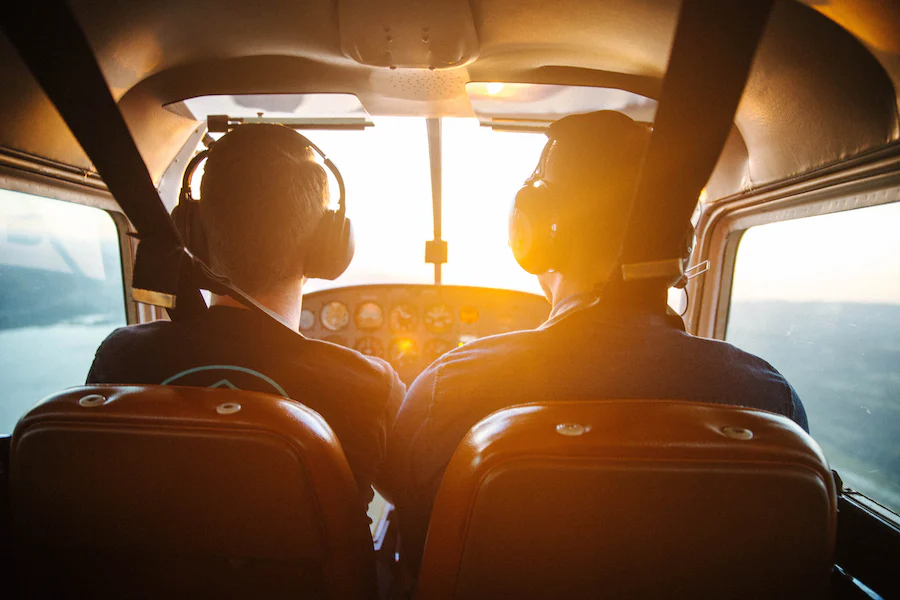
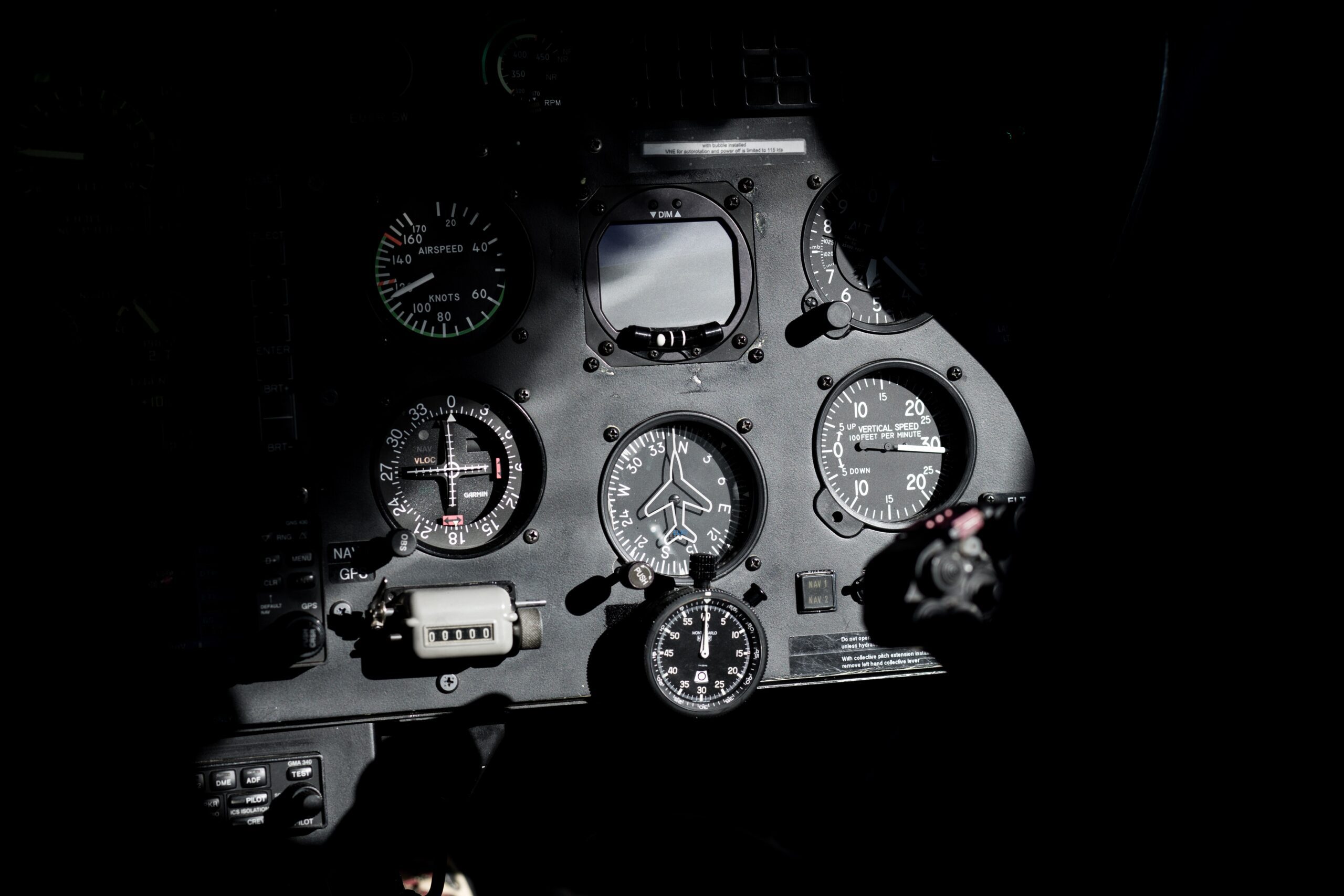
Flying a Cessna

My first time flying a small aircraft was an experience I will never forget. I had always been fascinated by flying and had dreamed of becoming a pilot one day, but I never thought that I would have the opportunity to fly a small aircraft so soon.

I remember waking up early on the day of my flight, my heart racing with excitement and nerves. I arrived at the airport and was greeted by my instructor, who would be flying with me. He gave me a brief orientation on the aircraft and its controls, and then we were off.

As we taxied down the runway, I could feel my heart pounding in my chest. I knew that this was it, the moment I had been waiting for. As we took off, I felt a rush of adrenaline as the aircraft soared into the sky. I was amazed at how smoothly and easily the aircraft responded to my commands, and I couldn’t help but smile as I realized that I was actually flying a plane.

As we flew, my instructor gave me a tour of the local area, pointing out landmarks and teaching me about navigation. I was amazed at how different everything looked from the air, and I couldn’t believe that I was actually flying above it all.

One of the most memorable moments of my flight was when my instructor let me take the controls and fly the aircraft on my own. I remember feeling a mix of excitement and nervousness as I took control, but I soon found that flying the aircraft was not as difficult as I had imagined. With my instructor’s guidance, I was able to fly the aircraft with relative ease.

As we landed and taxied back to the airport, I couldn’t wipe the smile off my face. I had just flown an aircraft and it was one of the most exhilarating experiences of my life.

My first flight in a small aircraft was a dream come true and it solidified my desire to become a pilot. It was an experience that I will always treasure, and I can’t wait for the opportunity to fly again. It’s an amazing experience and it’s definitely something everyone should do at least once in their life.

In conclusion, my first time flying a small aircraft was an unforgettable experience, It was a dream come true, and it solidified my desire to become a pilot. It was an exhilarating experience that I will always treasure. I would recommend it to anyone who has a passion for flying and wants to experience the thrill of being in control of an aircraft.

Posted on

Future of the Aviation Industry

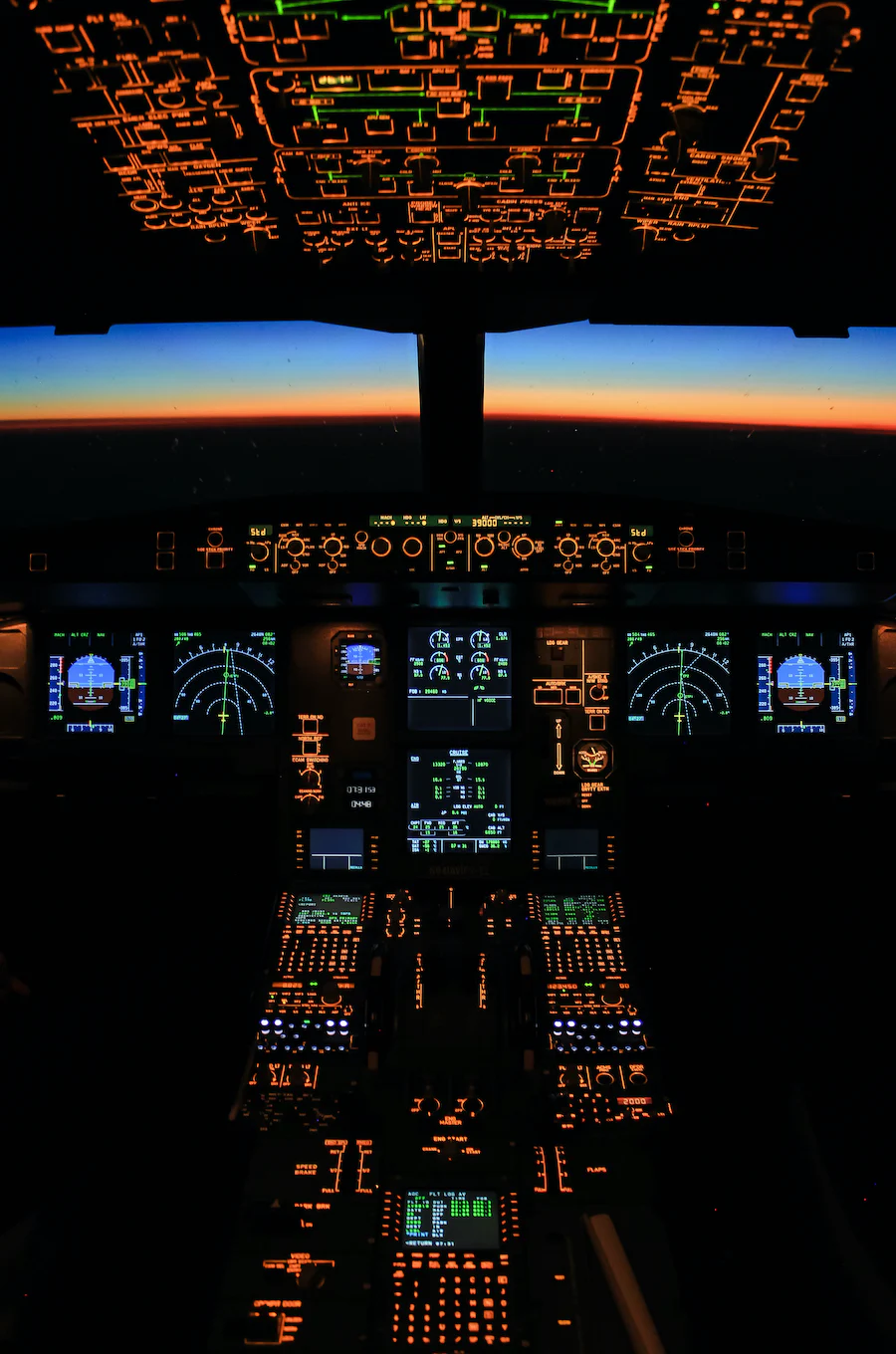
Airbus Flightdeck at sunrise

Aviation has come a long way since the Wright Brothers’ first flight in 1903. Today, the Future of the Aviation Industry has commercial airlines transporting millions of passengers every year, and the aviation industry plays a crucial role in the global economy. However, as the industry continues to grow, it also faces a number of challenges, including rising fuel costs, increased competition, and the need to reduce its environmental impact.

One of the biggest challenges facing the aviation industry is the rising cost of fuel. Jet fuel is one of the largest operating expenses for airlines, and prices have been on the rise in recent years. In response, many airlines have implemented fuel-saving measures, such as using more fuel-efficient aircraft and optimizing flight routes. However, these measures alone may not be enough to offset the rising cost of fuel.

Another challenge facing the aviation industry is increased competition. The number of airlines and routes has grown significantly in recent years, making it more difficult for individual airlines to differentiate themselves and stand out in the market. Some airlines have responded by offering more amenities and services, such as in-flight entertainment and Wi-Fi, while others have focused on providing lower prices. However, with so many airlines offering similar products and services, it can be difficult for customers to choose one over the others.

The aviation industry is also facing pressure to reduce its environmental impact. Air travel is a major contributor to greenhouse gas emissions and climate change, and many countries and organizations are pushing for the industry to reduce its carbon footprint. Some airlines have responded by investing in more fuel-efficient aircraft and implementing sustainable practices, such as recycling and reducing waste. However, there is still a long way to go before the industry can be considered truly sustainable.

Despite these challenges, the future of aviation looks bright. Advances in technology, such as electric and hybrid aircraft, have the potential to significantly reduce the industry’s environmental impact. Additionally, the growth of low-cost airlines and the increasing popularity of budget travel have made air travel more accessible to a wider range of people.


However, it is important to note that the industry needs to take a more proactive stance in addressing the challenges it faces. The industry needs to focus on investing in more sustainable practices such as alternative aircrafts, and making air travel more affordable for everyone. Additionally, more research needs to be done on how to reduce the noise pollution caused by aircrafts, and how to make the air travel more accessible for people with disabilities.

In conclusion, the aviation industry has come a long way since the Wright Brothers’ first flight, but it still faces a number of challenges, including rising fuel costs, increased competition, and the need to reduce its environmental impact. However, with advances in technology and a growing demand for air travel, the future of aviation looks bright. It is important for the industry to address these challenges proactively by investing in sustainable practices, making air travel more affordable for everyone and making it more accessible for people with disabilities.