Posted on

Why you should NEVER remove your shoes on a flight, 6 daunting reasons, if you needed that many.

silhouette of airplane under cloudy sky

When it comes to flying, there are a few things that are just common sense one of them is why you should NEVER remove your shoes on a flight. While it may seem like a comfortable and harmless thing to do, there are actually several reasons why it’s not a good idea. Surprisingly, there are people out there that feel this is OK. We aren’t one of them.


Here are a few reasons why you should NEVER remove your shoes

  1. Sanitation: The floors of airplanes are not the cleanest places in the world. They are often covered in dirt, grime, and even bacteria from all the passengers who have walked on them. Removing your shoes exposes your feet to all of these germs, increasing your risk of getting sick.
  2. Comfort: Taking off your shoes may seem like a comfortable thing to do, but it can actually make your feet swollen and uncomfortable. The lack of circulation in your feet caused by being seated for long periods can cause your feet to swell, making it difficult to put your shoes back on.
  3. Safety: In the event of an emergency, you need to be able to move quickly and safely. If you have removed your shoes, it will take you longer to get out of your seat and into the aisle, putting yourself and others at risk.
  4. Respect: Taking off your shoes on a flight is considered rude and disrespectful to your fellow passengers. The smell of your shoes can be unpleasant, and it’s not fair to subject others to it.
  5. Hygiene: If your shoes are dirty or smell bad, it’s not appropriate to take them off on a flight. Not only is it disrespectful to others, but it’s also unsanitary.
  6. Flight attendant’s job: Some passengers might remove their shoes and put them on the tray table, seat or even in the overhead bin, which can cause inconvenience to the flight attendants and make their job more difficult.

Is it the flight attendants job

According to standard safety procedures, flight attendants are responsible for ensuring that all passengers are properly seated with their seat belts fastened before takeoff and landing. This includes ensuring that all passengers are wearing shoes, as bare feet can increase the risk of injury in the event of an emergency. During the flight, flight attendants may remind passengers to keep their shoes on for safety reasons. As if, that should be a required job duty! Flight attendants have enough to do then babysit those that want to remove their shoes showing their bare feet.

Culturally appropriate to remove shoes indoors

In some cultures, it is considered impolite or disrespectful to wear shoes indoors, and it is common to remove shoes before entering a home or other private space. However, an airplane is not considered a private space and it is not culturally appropriate to remove your shoes on an airplane. On airplanes, it is considered a safety precaution and good hygiene to keep your shoes on. If you are unsure about cultural norms, it is best to err on the side of caution and keep your shoes on while flying.


Conclusion

In conclusion, keeping your shoes on during a flight is not only a matter of common sense but also a matter of respect, hygiene, and safety. The next time you fly, think twice before kicking off your shoes. If you want to ensure maximum comfort on your flight, consider wearing shoes that are easy to slip on and off, such as loafers or sandals. But, lets just NEVER remove your shoes on a flight… NEVER!

Posted on

New TSA Security at the patriotic Ronald Reagan Washington National Airport, with 15 security lanes!

Image credit @dadikaram https://www.instagram.com/dadikaram/

The Ronald Reagan Washington National Airport (DCA) recently underwent a major renovation of its TSA security area, aimed at improving the overall passenger experience while maintaining a high level of security.

Above images credit @dadikaram


History of the DCA Airport

The Ronald Reagan Washington National Airport (DCA) is an airport located in Arlington, Virginia, just south of Washington, D.C. It is the closest airport to the city and is primarily used for domestic flights. The airport was first established in 1941 as Washington National Airport and was renamed in 1998 to honor former President Ronald Reagan.

It is the oldest airport in the Washington D.C. area and has undergone several renovations and expansions throughout its history, including the construction of a new terminal in 1997. The airport is currently operated by the Metropolitan Washington Airports Authority (MWAA).

Architecture Inspirations

The architecture of the terminal at Ronald Reagan Washington National Airport (DCA) was designed to reflect the historical and cultural context of the Washington D.C. area. The main terminal building, which was opened in 1997, was designed to resemble the nearby monuments and government buildings in the city. The terminal’s design is characterized by its grand public spaces, high ceilings, marble floors, and numerous skylights that flood the terminal with natural light.

The terminal also features a number of decorative elements which were inspired by the art and architecture of the nation’s capital. The goal of the design was to create a sense of civic pride and to reflect the importance of the airport as a gateway to the nation’s capital.

Before the construction

Prior to the new construction each terminal had its own security checkpoint. While this was nice for allowing non ticked passengers access to the national hall when either greeting loved ones or watching them depart. It was not at all convenient for connecting passengers. Passengers would have to choose to go through security again or wait for a bus to take them between terminals. The new change makes connections much easier.


Security Lanes

One of the most notable changes is the addition of several new security lanes, increasing the total number to 15. These new lanes feature state-of-the-art technology, including X-ray machines that can scan larger items, such as carry-on luggage and personal electronic devices, more efficiently.

Procedures at Ronald Reagan Washington National Airport

In addition to the new lanes, the TSA has also implemented a number of new procedures aimed at streamlining the security process. Passengers are now able to leave liquids, gels, and aerosols in their carry-on bags, as well as keep on their shoes, belts, and light jackets. This will help speed up the security process and make it more convenient for passengers.


TSA PreCheck

Another major change is the implementation of TSA PreCheck, a program that allows eligible passengers to go through a more expedited security process. Passengers who have been approved for TSA PreCheck can leave on their shoes, belts, and light jackets, as well as keep their laptops and liquids in their carry-on bags. This will help reduce wait times at Ronald Reagan Washington National Airport and make the security process more convenient for those who are eligible.

The TSA has also made significant improvements to the overall design and layout of the security area, making it more spacious and comfortable for passengers. The area now features more seating, charging stations, and restrooms, as well as improved lighting and wayfinding signage to help passengers navigate the area more easily.

Overall

Overall, the new TSA security area at Ronald Reagan Washington National Airport (DCA) is a major improvement over the previous layout, providing a more efficient and convenient experience for passengers while maintaining a high level of security. The renovations are part of the airport’s ongoing efforts to modernize and enhance the passenger experience. The airport is continuously working on new ways to improve the passenger experience and make traveling easier and more enjoyable.

It is important to keep in mind that despite the new changes and advancements in technology, it is still the responsibility of each passenger to arrive at the airport with enough time to navigate the security process, and be prepared with all necessary documents and items. It is also important to be familiar with TSA’s rules and guidelines for what items are allowed in carry-on and checked bags to avoid any issues or delays.


Posted on

Joining the Mile High Club can be a mistake is it worth it, at least 1 time?

scenic view of sea against sky during sunset

The mile high club is a term that refers to people who have engaged in sexual activity while on board an aircraft at an altitude of at least 5,280 feet (one mile) above sea level. The term was coined in the early 20th century, around the same time that commercial air travel was becoming more popular. Since then, the idea of joining the mile high club has become something of a cultural phenomenon, with many people eager to add this experience to their list of sexual conquests.

Joining the Mile High Club isn’t for everyone

While the idea of joining the mile high club may seem exciting and adventurous to some, it is important to remember that engaging in sexual activity on an aircraft is illegal and can result in serious consequences. In the United States, for example, the Federal Aviation Administration (FAA) prohibits “acts of lewd, indecent, or obscene conduct” on board aircraft, and violators can face fines and even imprisonment. Many other countries have similar laws and penalties in place.

In addition to the legal risks, engaging in sexual activity on an aircraft can also be dangerous. Aircraft are cramped and crowded spaces, and it can be difficult to find a private place to engage in sexual activity. Furthermore, the cabin pressure and lack of oxygen at high altitudes can cause dizziness and disorientation, which can make it difficult to engage in sexual activity safely.

Despite the risks and legal consequences, many people are still drawn to the idea of joining the mile high club. Some people see it as a way to add excitement and adventure to their sex lives, while others may be motivated by a sense of rebellion or a desire to break the rules.

One way to join the mile high club without breaking the law is by booking a private jet or a charter flight. These flights can provide a more private and comfortable environment for sexual activity, and the rules and penalties for engaging in sexual activity on these flights may be different than on commercial flights. However, it’s still important to be aware of and adhere to any laws or regulations regarding sexual activity on private jets or charter flights.

Another way to join the mile high club is by engaging in sexual activity with a partner in your dreams or by using virtual reality technology. These methods are safe, legal and don’t come with any risks or consequences.

In conclusion, while the idea of joining the mile high club may seem exciting and adventurous, it is important to remember that engaging in sexual activity on an aircraft is illegal and can result in serious consequences. Additionally, the cramped and crowded spaces of an aircraft, as well as the cabin pressure and lack of oxygen at high altitudes, can make it dangerous to engage in sexual activity on an aircraft. Instead, consider booking a private jet or charter flight, or engaging in sexual activity with a partner in your dreams or using virtual reality technology.

Posted on

Pan Am: Iconic Airline History of the Fail-proof Airline

Pam Am - Pan American World Airways

Pan Am, or Pan American World Airways, was a major American airline that operated from 1927 until 1991. Founded by Juan Trippe, the airline was headquartered in New York City and was known for its iconic blue globe logo.

Pan Ams early years

Pan Am’s early years were marked by rapid expansion, as the airline expanded its routes to include destinations throughout North and South America, Europe, and Asia. In the 1930s and 1940s, the airline played a key role in the development of air travel, introducing innovations such as the use of pressurized cabins and in-flight dining.

WWII

During World War II, Pan Am played a significant role in the war effort, providing transport for troops and supplies to various theaters of war. After the war, the airline continued to expand its routes and fleet, and by the 1960s, it had become one of the largest and most successful airlines in the world.

However, the airline’s fortunes began to decline in the 1970s, as a result of increased competition from other airlines and rising fuel costs. In 1978, the airline was forced to file for bankruptcy, and it was eventually bought by Delta Air Lines in 1991.

Financial Struggles

Despite its financial struggles, Pan Am is remembered for its contributions to the development of air travel and for its iconic image and style. The airline’s blue globe logo and “Pan Am” script are still recognizable to many people today, and the airline’s legacy continues to be celebrated by aviation enthusiasts and historians.

Conclusion

In conclusion, Pan American World Airways was an American airline that played a significant role in the development of air travel, providing transport for troops and supplies to various theaters of war, introducing innovations such as the use of pressurized cabins and in-flight dining. Even though the airline was forced to file for bankruptcy and eventually bought by Delta Air Lines in 1991, it is still remembered for its contributions to the development of air travel and for its iconic image and style.

Posted on

Luggage Tags: Luxury or Necessity?

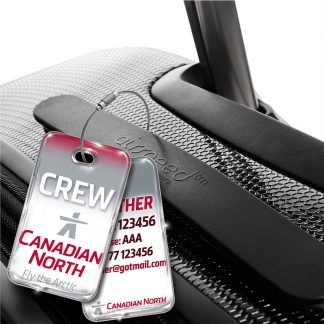
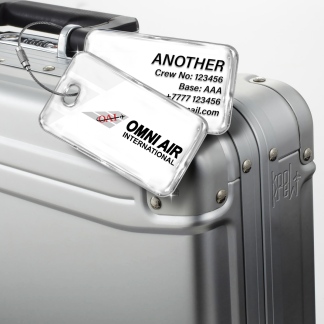
Luggage Owney tag

Luggage tags are small, identifying labels that attach to your suitcase, backpack, or other travel bag. They serve an important purpose by providing information that helps to ensure that your luggage arrives at its destination safely and on time.

Main benefits

One of the main benefits of luggage tags is that they make it easy to identify your luggage. When you’re traveling, it’s not uncommon to see dozens, if not hundreds, of bags that look identical to yours. By attaching a luggage tag to your bag, you’ll be able to quickly and easily identify it among all the others. This can save you a lot of time and hassle when you’re trying to find your bag at baggage claim.

Misplaced Luggage – Lost

Another benefit of luggage tags is that they provide a way to contact you in case your luggage is misplaced. A luggage tag typically includes your name, address, and contact information. This allows airport staff to contact you if your bag is lost or delayed, so you can be reunited with your belongings as soon as possible.

Security

Personalized Luggage tags also play an important role in security. They can have a unique identification number which can help to prevent theft or loss. If you have a unique identification number on your luggage tag, it can be easier to track down your bag if it’s lost or stolen. Some even have photo luggage tags

Personalized

Another advantage of luggage bag tags is that they can be personalized to reflect your personality or style. You can find luggage tags in different designs, colors, and materials, which can be a fun way to add a little personality to your bag. You can even get creative and make your own luggage tag.

Durability

When choosing a luggage tag, it’s important to consider durability and weather-resistance. You’ll want a tag that can withstand the wear and tear of travel, and that can withstand the elements. Look for tags that are made from sturdy materials like leather, PVC or plastic.

It’s also a good idea to consider the type of information you want to include on your luggage tag. Some people prefer to keep their contact information private, so they only include their name and address. Others prefer to include their phone number and email address, so they can be reached more easily.

Our Favorite

Our favorite bag tags are made by koolkrew. The metal luggage tags are by far the most impressive and best luggage tags we’ve ever seen! And we supply tags from many different airlines. These bag tags are so durable once you’ve attached them to your luggage you simply can forget they are there. They are so well made you can think of them as designer luggage tags. With the metal wire ring attachment they simply aren’t going anywhere no matter how hard you are with your luggage. Perfect for crew members on the go or frequent flyers who know how important it is to keep track of their bags.

Conclusion

In conclusion, luggage bag tags are small, identifying labels that attach to your suitcase, backpack, or other travel bag. They serve an important purpose by providing information that helps to ensure that your luggage arrives at its destination safely and on time. Luggage tags help you to identify your luggage, provide a way to contact you in case your luggage is misplaced, play an important role in security, and can be personalized to reflect your personality or style. Remember to consider durability and weather-resistance when choosing a luggage tag, and the type of information you want to include on it.

Posted on

Having the right flight kit bag is essential

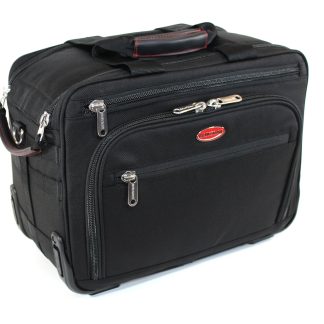
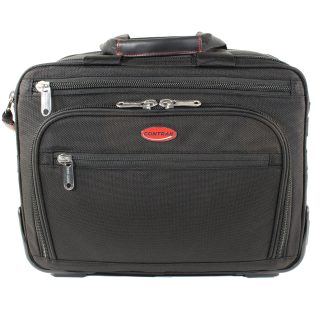
Contrail Flight kit Bag with roller, contrail bags, flight kit bag

As a pilot, having the right flight kit bag is essential. So, What’s in a pilot bag? This bag is not only a practical tool for storing and transporting the necessary equipment and documents, but it also serves as a symbol of the pilot’s profession. A well-designed and durable flight kit bag can make all the difference in a pilot’s daily routine, allowing them to be well-organized and prepared for any situation.

When it comes to pilot flight bags, there are many options to choose from. The most popular types of bags are backpacks, tote bags, and rollers. Each type has its own advantages and disadvantages, and the best choice depends on the pilot’s individual needs and preferences.

Backpacks

are a popular choice among GA pilots, as they offer hands-free transportation and comfortable straps for carrying heavy loads. What backpacks do pilots use? Since most airlines do not allow these style bags they aren’t very common. But when they are used typically they are just simple small black bags. They also typically have multiple compartments, which can be useful for separating and organizing different types of equipment. Additionally, many backpack-style small flight kit bags are designed to meet the size and weight requirements for carry-on luggage, making them a convenient option for traveling.

Tote bags

are another popular option for pilots, as they are large and spacious, and can hold a lot of gear. They are also durable and easy to transport, with comfortable straps and handles. Good quality ones have many compartments for separating different types of equipment. Custom flight bags come in a variety of sizes, styles, and designs. Our favorite by far are the Contrail flight kit bags. Contrail has many options where you can customize your flight bag to meet your specific needs with the removeable pockets. As one customer put it, “Contrail builds flight bags, the rest are just totes”

Rollers

are a good option for pilots who need to transport a large amount of gear and prefer wheeled luggage. There aren’t many flight bag wheels but these are perfect to carry your tote around. They are easy to maneuver and can be a good option for pilots who have a lot of heavy equipment. However, they can be less durable than backpacks or duffel bags, and may not be as comfortable to carry for long periods of time.

When choosing a flight kit bag, it is important to consider the size and weight requirements for carry-on luggage, as well as the number and types of compartments the bag has. Pilots should also consider the durability of the bag, as well as the comfort and ease of transportation. Many bags come with features like padded straps and back, multiple compartments, and even a built-in laptop compartment.

It’s also important to consider the material of the bag. A good quality flight kit bag should be made of durable materials that can withstand the rigors of travel, such as heavy-duty nylon or ballistic nylon. Additionally, the bag should be water-resistant to protect the contents from getting wet during flight.

In addition to the above-mentioned features, some flight kit bags come with additional features like a built-in GPS, a power bank for charging devices, and a built-in scale for weighing the bag. These features can be very useful for pilots and make their lives a lot easier.

The contents of a pilot’s flight kit bag can vary depending on the type of aircraft they are flying and the specific requirements of their job. However, there are some items that are commonly found in most pilot’s flight kit bags. These include:

Items found inside:

  • Pilot operating handbook (POH) or flight manual. This is the manual that contains all of the information that a pilot needs to safely operate the aircraft, including emergency procedures, performance data, and limitations. It is important that the pilot has easy access to this manual while in flight, as it is a crucial reference tool.
  • Flight manuals and navigation charts: Pilots need to have quick access to these documents during flight to ensure safe navigation and compliance with regulations.
  • Checklist. Pilots use checklists to ensure that they have completed all of the necessary pre-flight and in-flight procedures. These checklists are typically divided into sections such as pre-flight, takeoff, cruise, descent, and landing, and are designed to help pilots stay organized and focused during the flight.
  • Headset and communication equipment: Pilots rely on their headsets to communicate with air traffic control and other pilots.
  • Flight computer and calculator: Pilots use these tools to perform flight calculations and navigate the aircraft.
  • Flashlight and emergency equipment: Pilots must be prepared for any emergency situation, and a flashlight and emergency equipment are essential items in case of power failure or other emergency.
  • Personal items: Pilots may also carry personal items such as a book, music player, or snacks in their flight kit bag.

Some bags are designed specifically for use in small general aviation aircraft, while others are designed for use in larger commercial airliners. Some bags are made of durable materials such as leather or nylon, while others are made of lightweight and water-resistant materials. Some have wheels and telescoping handles for easy transport, while others have shoulder straps for carrying by hand.

Luggage Tags

In conclusion, a good flight kit bag is essential for any pilot. The right bag can make all the difference in a pilot’s daily routine, allowing them to be well-organized and prepared for any situation. Whether you prefer a backpack, duffel bag, or roller, make sure to consider the size and weight requirements for carry-on luggage, the number and types of compartments, durability, comfort and ease of transportation, and additional features before making a purchase. A high-quality, durable and well-designed flight kit bag will make a pilot’s life easier and more efficient, and will be a valuable investment for any pilot.

Posted on

Sky High Debate: Airbus vs Boeing: The Ultimate Showdown: 10 Factors to Consider for the Exceptional Choice

Airbus vs Boeing

Airbus and Boeing are two of the largest and most well-known aircraft manufacturers in the world. Airbus vs Boeing who is better? Well, both companies have a long history of producing high-quality, reliable aircraft that have been used by airlines and private operators around the globe. However, the question of which aircraft is better between the two is a topic of much debate among industry experts, aviation enthusiasts, and even among airline operators. In this blog post, we will take a closer look at the two companies and their aircraft to try to answer this question.


Boeing

First, let’s take a look at Boeing. Founded in 1916, the company has a long history of producing some of the most iconic commercial aircraft in the world, including the 747, the 737, and the 777. Boeing is known for its wide-body planes, which are well-suited for long-haul flights. These planes are designed to carry a large number of passengers and cargo over long distances, and are typically used by airlines on international routes.

747

One of the most notable wide-body aircraft from Boeing is the 747. Known as the “Queen of the Skies,” the 747 was first introduced in 1970 and quickly became the most recognizable and iconic commercial aircraft in the world. The 747 has a distinctive hump on the upper deck that houses the cockpit and first-class seating, and it can carry up to 660 passengers. Despite its age, the 747 remains in service with several airlines around the world, and even though the production of the 747-400 was stopped in 2005, a new version, the 747-8 was introduced in 2011.

The 747-8 is the newest and largest version of the 747. It features the latest technologies such as a more fuel-efficient GE GEnx engine, an advanced wing design, and a redesigned cabin. It also has an increased range of 8,000 nautical miles, making it capable of flying nonstop on long-haul routes. This aircraft is a perfect fit for cargo operators that need to transport large amount of goods.

777

Another notable wide-body aircraft from Boeing is the 777. First introduced in 1995, the 777 is a twin-aisle aircraft that can carry up to 440 passengers. The 777 is known for its advanced technology and fuel efficiency, and it has become a popular choice for airlines on long-haul routes. The latest version of the 777, the 777X, was launched in 2019 and features the latest technologies such as composite wings and an advanced GE9X engine, making it the most efficient twin-aisle aircraft in the world.

New Tech: eVTOL

In recent years, Boeing has also been investing in new technologies such as electric and autonomous flight. The company has been working on the development of an electric vertical takeoff and landing (eVTOL) aircraft, which is designed to be a new form of urban transportation. They are also developing autonomous drones for cargo delivery and other industrial uses.


Airbus

Airbus is one of the largest and most well-known aircraft manufacturers in the world. Founded in 1970, the company has quickly established itself as a major player in the commercial aircraft market. Airbus is known for its wide range of aircraft, from narrow-body planes such as the A320 and A321, to wide-body planes like the A330 and A350.

A320

One of the most notable narrow-body aircraft from Airbus is the A320. First introduced in 1987, the A320 is a single-aisle aircraft that can carry up to 160 passengers. The A320 is known for its advanced technology and fuel efficiency, and it has become a popular choice for airlines on short-haul routes. The latest version of the A320, the A320neo, was launched in 2016 and features new engines and wingtips that improve fuel efficiency by up to 15%.

A321

Another notable narrow-body aircraft from Airbus is the A321. First introduced in 1994, the A321 is a stretch version of the A320 that can carry up to 220 passengers. The A321 is known for its long-range capabilities and it has become a popular choice for airlines on medium-haul routes. The latest version of the A321, the A321neo, was launched in 2016 and features new engines and wingtips that improve fuel efficiency by up to 15%.

A330

When it comes to wide-body aircraft, Airbus has several notable offerings. The A330 is a twin-aisle aircraft that can carry up to 440 passengers and is known for its advanced technology and fuel efficiency. The A330neo, the latest version of the A330, was launched in 2017 and features new engines and wingtips that improve fuel efficiency by up to 25%.

A350 XWB

Another notable wide-body aircraft from Airbus is the A350 XWB. First introduced in 2013, the A350 XWB is a twin-aisle aircraft that can carry up to 440 passengers. The A350 XWB is known for its advanced technology and fuel efficiency, and it has become a popular choice for airlines on long-haul routes. The A350 XWB is also the first Airbus aircraft to make significant use of composite materials, which results in a lighter, more fuel-efficient plane.

New Tech

In recent years, Airbus has also been investing in new technologies such as electric and autonomous flight. The company has been working on the development of electric and hybrid-electric aircraft, with the goal of reducing emissions and noise pollution. They are also developing autonomous drones for cargo delivery and other industrial uses.

Airbus vs Boeing Conclusion

In conclusion, Airbus vs Boeing. Airbus is a leading aircraft manufacturer with a wide range of aircraft to meet the diverse needs of airlines and operators around the globe. From the popular A320 and A321. Boeing is a leading aircraft manufacturer with a long history of producing high-quality, reliable aircraft. The company continues to innovate and invest in new technologies to stay at the forefront of the industry.

Who’s better? You make the call.

Posted on

Flying the American Way: Discovering the History and Evolution of American Airlines: 10 Fascinating Facts to Enhance Your Travel Experience

an airplane with american text

American Airlines is one of the largest airlines in the world, operating flights to destinations across six continents. The company was founded in 1930, making it one of the oldest airlines in the United States. It is headquartered in Fort Worth, Texas and operates a major hub at Dallas/Fort Worth International Airport.


Services American Airlines Provides

American Airlines offers a wide range of services to its customers, including economy, premium economy, business, and first class seating options. It also offers a number of inflight amenities such as in-flight entertainment, Wi-Fi, and power outlets. Additionally, the airline offers a loyalty program, AAdvantage, which allows customers to earn miles and redeem them for flights, upgrades, and other perks.

Fleet of aircraft

American Airlines’ fleet of aircraft is one of the largest and most diverse in the industry, with over 900 aircraft in service. The airline operates a mix of Boeing and Airbus aircraft, including the Boeing 737, 777, and 787, as well as the Airbus A319, A320 and A321. The company is also investing in more fuel-efficient planes, such as the Boeing 737 MAX and the Airbus A321neo, to reduce its environmental impact.

Route Network

American Airlines has a large and extensive route network, connecting destinations across the United States, as well as international destinations in North, Central and South America, Europe, Asia and Africa. They operate flights to over 350 destinations in over 50 countries. American Airlines is a founding member of the Oneworld airline alliance, which allows them to offer even more destinations through codeshare agreements and partnerships with other airlines. American Airlines also operates flights to several destinations under the American Eagle brand, which is their regional subsidiary.

Additionally, American Airlines operates flights to destinations under the AmericanConnection brand, which are operated by partner airlines. American Airlines has hubs in several cities across the United States, including Dallas/Fort Worth, Charlotte, Chicago, Miami, Philadelphia and Phoenix, which allows them to offer a wide range of connecting flights. They are also expanding their presence in key destinations around the world, such as London and Hong Kong.


Customer Service

American Airlines places a strong emphasis on providing excellent customer service to its passengers. They offer a variety of services to ensure a comfortable and enjoyable travel experience, such as online check-in, mobile boarding passes, and the ability to choose seats and upgrade to premium classes. American Airlines also offers a loyalty program called AAdvantage, which allows members to earn miles for flights and other purchases, and redeem them for rewards like free flights, upgrades and more.

The airline has a dedicated customer service team that is available to assist passengers with any issues or concerns they may have before, during and after their flight. Passengers can contact the customer service team through the American Airlines website, by phone or by visiting an American Airlines airport location. American Airlines also has a dedicated team of airport customer service agents who can assist with check-in, baggage, and other needs.

American Airlines also offers a variety of special services for passengers with disabilities, children traveling alone, and pets traveling in the cabin or cargo hold. They also offer a variety of travel options such as basic economy and main cabin extra, to cater to the different needs of the travelers.

In addition, American Airlines has a team of customer service representatives who monitor flights and provide assistance to passengers during irregular operations such as flight cancellations, delays or diversions. They also have a 24/7 assistance center to help customers with flight disruptions and other issues.


10 Facts

  1. American Airlines, also known as AA, is the world’s largest airline by fleet size and revenue.
  2. AA was founded in 1926 as a mail carrier under the name American Airways.
  3. AA merged with US Airways in 2013, becoming the largest airline in the world.
  4. AA is a founding member of the Oneworld airline alliance, which includes 13 other airlines.
  5. AA operates flights to over 350 destinations in more than 50 countries.
  6. AA has hubs in Dallas/Fort Worth, Charlotte, Chicago, Miami, Philadelphia and Phoenix.
  7. AA has a fleet of over 950 aircraft, including the Boeing 737, Airbus A320, and the Boeing 787 Dreamliner.
  8. AA’s frequent-flyer program, AAdvantage, is one of the largest loyalty programs in the world.
  9. AA’s main maintenance base is located in Tulsa, Oklahoma.
  10. AA has been awarded multiple awards, including the Skytrax 4-star rating and being named the “Best Airline in North America” by Skytrax.

Overall

Overall, American Airlines is a major player in the airline industry, with a vast route network, large fleet of aircraft, and commitment to customer service. Despite some criticisms, it remains one of the most popular airlines in the world and continues to invest in new technology and efficient planes to improve the travel experience for its customers.

Posted on

BOOM Supersonic is Looking to Turbo-charge Your Air Travel, Up to 2X Faster!

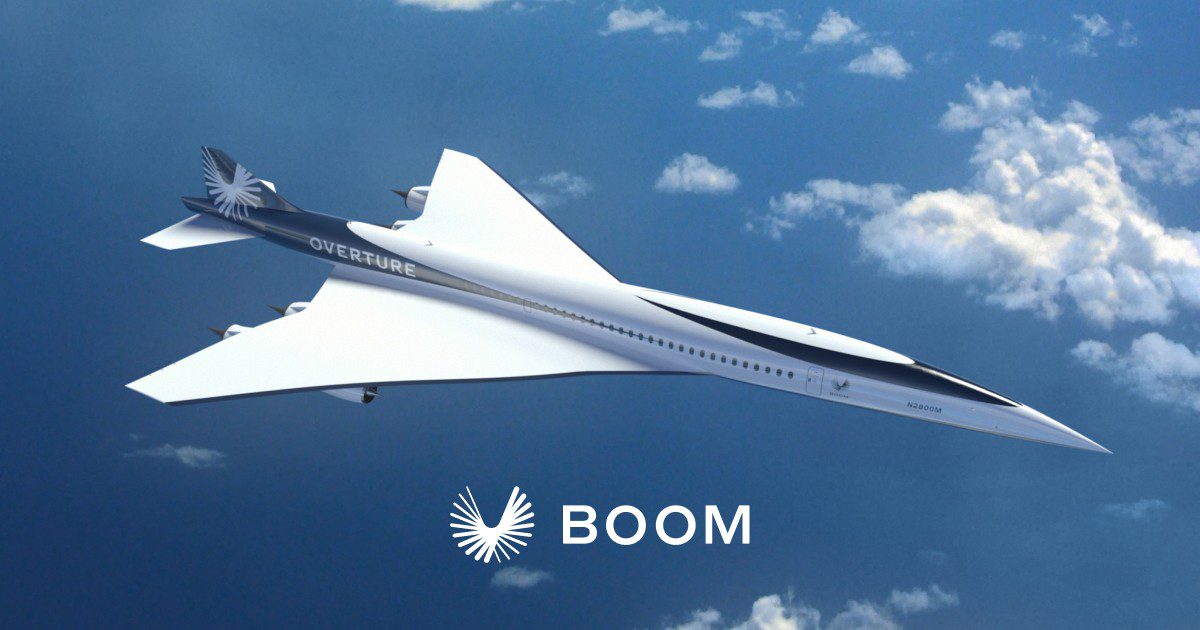
BOOM Supersonic

BOOM Supersonic is a company that is looking to change the way we think about air travel. They are developing a supersonic jet that will allow passengers to travel faster and more efficiently than ever before. This jet has the potential to greatly reduce travel time, making it possible for people to travel further and more frequently.

Not so supersonic!

Advantages

One of the major advantages of supersonic travel is the speed at which it can cover distance. The BOOM Supersonic jet, for example, will be able to fly from New York to London in just over three hours, which is a significant reduction from the traditional flight time of around six hours. This means that travelers will be able to spend less time in the air and more time doing the things they want to do.

Another advantage of supersonic travel is that it is much more fuel-efficient than traditional air travel. Supersonic jets fly at a much higher altitude, which means they don’t have to work as hard to stay in the air. This leads to a reduction in fuel consumption, which is not only beneficial for the environment, but also for the bottom line of the airlines that operate these planes.

1. Faster Journey Times: Supersonic travel enables passengers to reach their destination much faster than traditional air travel. This is especially useful for business travelers who need to travel long distances in a short amount of time.

2. Cost Efficiency: Although supersonic air travel is more expensive than traditional air travel, it is still more cost efficient than other forms of long-distance transportation.

3. Environmental Benefits: Supersonic travel is much more efficient than traditional air travel, meaning that it produces fewer greenhouse gases. This means that supersonic air travel is a much more environmentally friendly option than other forms of long-distance transportation.

4. Comfort: The interior of a supersonic aircraft is designed to provide passengers with a comfortable journey. Passengers can enjoy a smoother ride and a quieter cabin, making it much more pleasant than traditional air travel.


BOOM Supersonics’ plane the XB-1

BOOM Supersonic is currently working on developing a supersonic jet called the XB-1, which is a prototype of a commercial supersonic jet that can carry up to 55 passengers. The company is using advanced aerodynamics and materials to make the plane as efficient as possible, and they are working closely with leading aerospace manufacturers to ensure that the plane is safe and reliable.

The XB-1 Supersonic Demonstrator is the world’s first privately built and operated supersonic airliner. Developed by Boom Supersonic, the XB-1 is a scale prototype of the company’s Overture supersonic airliner. The XB-1 is powered by three General Electric J85-15 engines and is designed to reach speeds of up to Mach 2.2. The XB-1 will be used to test and validate the technologies needed to make commercial supersonic travel a reality.


Accessibility

One of the most exciting things about BOOM Supersonic’s work is that they are making supersonic travel more accessible to a wider range of people. The company is committed to making supersonic travel affordable for everyone, which means that more people will be able to experience the benefits of supersonic travel.

Challenges

However, there are still some challenges that need to be overcome before supersonic travel becomes a reality. One of the biggest challenges is the noise pollution created by supersonic flights. Supersonic jets create a sonic boom when they break the sound barrier, which can be disruptive to people on the ground. BOOM Supersonic is working to address this issue by designing their jets to minimize the sonic boom as much as possible.


Conclusion

In conclusion, BOOM Supersonic is a company that is working to change the way we think about air travel. They are developing a supersonic jet that will allow passengers to travel faster and more efficiently than ever before. This jet has the potential to greatly reduce travel time, making it possible for people to travel further and more frequently. Additionally, these planes are much more fuel-efficient than traditional planes which is not only good for the environment but also for the bottom line of the airlines that operate these planes.

BOOM Supersonic is making supersonic travel more accessible to a wider range of people by committing to making it affordable for everyone. The company’s current project, the XB-1, is a prototype of a commercial supersonic jet that can carry up to 55 passengers, using advanced aerodynamics and materials to make the plane as efficient as possible. However, there are still some challenges to overcome, such as the noise pollution created by supersonic flights, but the company is working hard to address these issues and make supersonic travel a reality.

Posted on

7 Undeniable Advantages of American Airlines Wholly Owned Airlines

American Airlines wholly owned Airlines include PSA, Envoy and Piedmont.

American Airlines is one of the largest airlines in the world, and as such, it has several wholly-owned regional airlines that operate under the American Eagle brand. These regional airlines include PSA Airlines, Envoy, and Piedmont.


7 Undeniable Advantages of American Airlines Wholly Owned Airlines

1. Unparalleled Financial Stability – American Airlines’ wholly owned airlines are backed by the security and financial strength of the American Airlines parent company.

2. Access to a Wide Range of Resources – American Airlines has access to a range of resources that can be utilized to ensure a high level of operational efficiency.

3. Seamless Integration – American Airlines’ fully owned airlines are seamlessly integrated into the American Airlines network, allowing for greater operational efficiency.

4. Expanded Network Reach – American Airlines’ wholly owned airlines allow for the expansion of its global network, providing customers with more flight options.

5. Reduced Costs – By owning its own airlines, American Airlines is able to reduce costs associated with the operation of its airlines.

6. Increased Loyalty – American Airlines’ wholly owned airlines allows the company to increase customer loyalty and further strengthen its brand.

7. Improved Customer Service – By owning its own airlines, American Airlines is able to provide its customers with a higher level of customer service.

The Wholly Owned Airlines

PSA Airlines

PSA Airlines, based in Dayton, Ohio, operates flights to over 60 destinations across the United States. The company was founded in the early 1980s and has been a key player in the regional airline industry ever since. The airline mainly operates on Bombardier CRJ aircraft, known for its fuel efficiency and relatively low cost of operation, which helps to keep PSA’s costs down and in turn allows the company to offer competitive fares to its passengers.

In addition to its regional operations, PSA Airlines also provides training and development programs for pilots and flight attendants. These programs are designed to provide individuals with the skills and knowledge they need to excel in the aviation industry. The airline also has a strong focus on safety and compliance, regularly conducting safety audits and training to ensure that all employees are up to date with the latest regulations and best practices.


Envoy

Envoy was founded in 1998, based in Irving, Texas, is one of the largest regional airlines in the United States, operating over 1,000 daily flights to over 150 destinations on behalf of American Airlines. Envoy operates a fleet of Embraer and Bombardier aircraft, and also provides ground handling services at several airports.


Piedmont

Piedmont, based in Salisbury, North Carolina, operates flights to destinations across the eastern United States. Piedmont operates a limited number of flights on behalf of American Airlines and provides ground handling services.

Partnership

The partnership between American Airlines and these wholly-owned regional airlines allows American Airlines to offer more destinations to its customers while also keeping costs low. This is achieved by sharing resources and expertise, and by allowing the regional airlines to expand their reach and increase their revenue. Additionally, it allows American Airlines to serve small cities and communities that it might not otherwise be able to reach, which helps to connect more people with the rest of the country and the world.


However, like any partnership, with the American Airlines Wholly Owned Airlines there have been challenges over the years, one of the main challenges being the pilot shortage which caused American Airlines to place these regional airlines under a capacity purchase agreement. This agreement required the regional airlines to operate flights at a reduced capacity, which led to a reduction in revenue for the companies.

Overall

Overall, American Airlines Wholly Owned Airlines, such as PSA, Envoy and Piedmont, play a vital role in American Airlines’ operation, by expanding their reach and connecting more people with the rest of the country and the world, while also helping American Airlines to keep costs low and offer more destinations to its customers.