Posted on

V1: Mastering the Critical Importance of Understanding : 3 Key Factors to Accelerate Your Knowledge

v1, I'd rather be flying shadow image of a plane flying during sunset

V1 speed is a critical concept in the world of aviation, and one that is essential for pilots and aircraft operators to understand. This speed is often referred to as the “decision speed,” as it marks the point at which a pilot must make a crucial decision regarding whether to continue with a takeoff or to abort the operation. In this blog post, we will delve deeper into the concept of V1 speed and why it is so important for aircraft performance and safety.

What is V1

First, it is important to understand what V1 speed actually is. V1 is defined as the maximum speed at which a pilot can safely continue a takeoff with one engine inoperative. In other words, if an engine failure occurs at or below V1 speed, the pilot can continue with the takeoff and attempt to fly the aircraft on the remaining engines. However, if the engine failure occurs above V1 speed, the pilot must make the decision to abort the takeoff and stop the aircraft on the runway.

Significance of V1

The significance of V1 speed lies in the fact that it represents the point at which the aircraft can no longer safely return to the runway in the event of an engine failure. Beyond V1 speed, the aircraft’s momentum and lift will carry it forward, making it impossible to stop in the remaining runway. This is why it is critical for pilots to be aware of their aircraft’s V1 speed and to be prepared to make quick decisions in the event of an engine failure.

V1 can change?

Another important aspect of V1 speed is that it is determined by the aircraft’s weight and configuration. Heavier aircraft will typically have a higher V1 speed, as they require more power and lift to become airborne. Additionally, aircraft that are configured for takeoff with flaps extended will have a lower V1 speed, as the flaps provide additional lift and reduce the aircraft’s takeoff speed.

It is also important to note that V1 speed is not a constant value. It can vary depending on factors such as weather conditions, runway length, and altitude. For example, on a hot summer day, the air is less dense, which means the aircraft will need more speed to become airborne. Similarly, on a shorter runway, the aircraft will need to reach V1 speed sooner in order to take off safely.

Conclusion

In conclusion, V1 speed is a critical concept in aviation that is essential for pilots and aircraft operators to understand. It represents the point at which a pilot must make a crucial decision regarding whether to continue with a takeoff or to abort the operation. By understanding V1 speed and its significance, pilots can ensure the safe and efficient operation of their aircraft, and ultimately, the safety of their passengers and crew.

Posted on

Unlocking Adventure: Get Your Private Pilot’s License Take the First Step today: 5 Proven Steps to achieving your goal

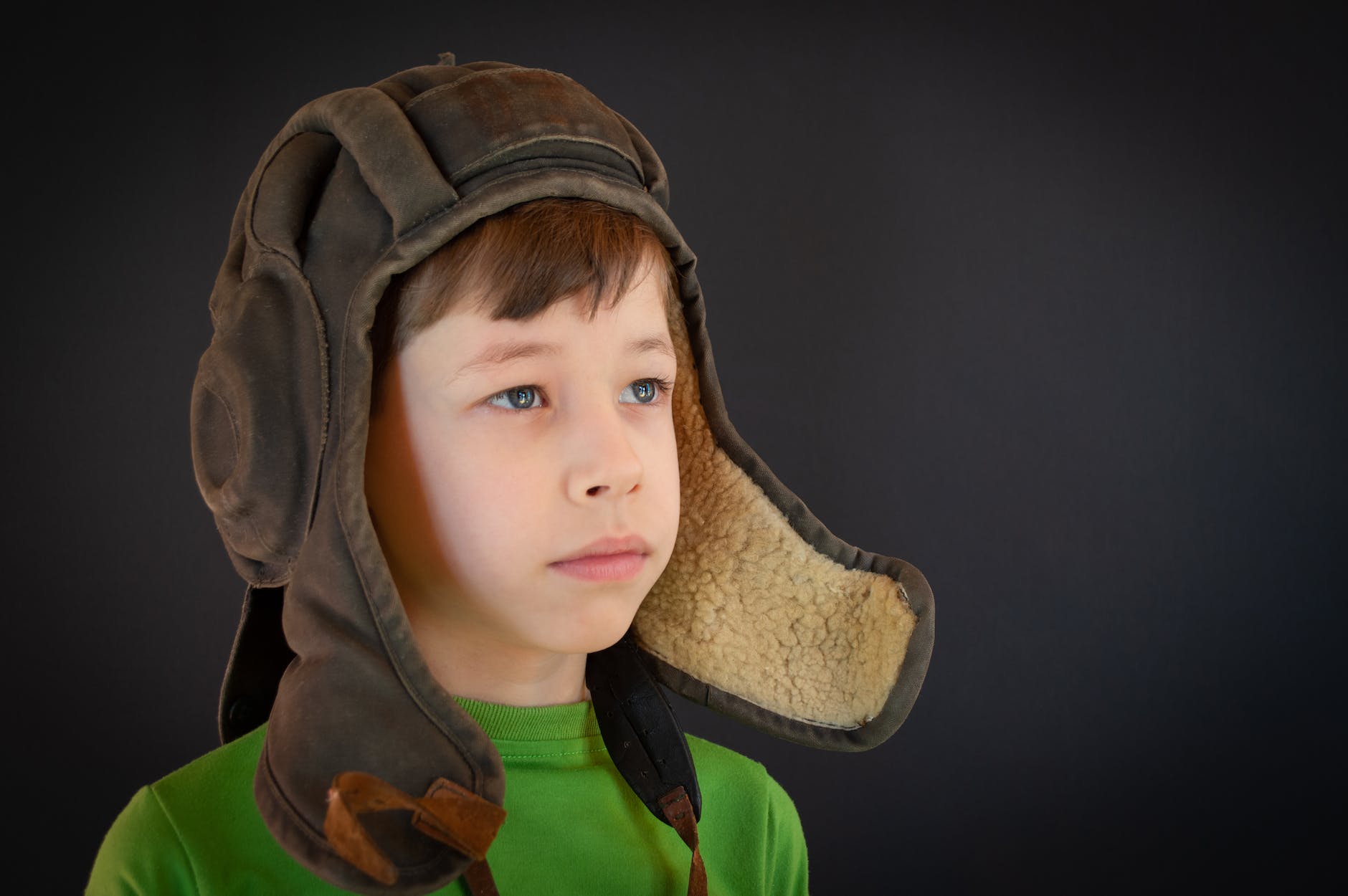
a boy wearing a vintage pilot hat

Steps to get your private pilot’s license (PPL) is a rewarding and exciting journey that allows individuals to fly small, single-engine aircraft for personal and recreational use. In this blog post, we will discuss the steps and requirements for obtaining a PPL, as well as tips for making the most of the training experience.

Step 1: Meet the Eligibility Requirements

Before you can begin training for a PPL and get your private pilot’s license, you must meet certain eligibility requirements set by the Federal Aviation Administration (FAA). These requirements include being at least 17 years of age, being able to read, speak, write, and understand the English language, and passing a medical examination. The medical examination, which must be conducted by an FAA-approved doctor or an aviation medical examiner (AME), will determine if you have any medical conditions that would prevent you from safely operating an aircraft.

Step 2: Find a Flight School

Once you have met the eligibility requirements to get your private pilot’s license, the next step is to find a flight school. The flight school should be certified by the FAA and should have certified flight instructors (CFIs) who can provide training and sign off on your flight training. It’s important to research different flight schools and compare their prices, location, and training programs to find one that best suits your needs and budget.

Step 3: Ground School

Ground school is the classroom portion of the PPL training. It covers the theory of flight, navigation, meteorology, and other subjects related to flying. It’s important to take this part of the training seriously as it will provide you with the knowledge and understanding needed to fly safely and make informed decisions in the air.

Step 4: Logging Flight Time

The most important part of the PPL training is logging flight time. The FAA requires a minimum of 40 hours of flight time, which includes at least 20 hours of solo flight time. During this time, you will learn the basics of flying, including takeoff, landing, and navigation. You will also learn how to handle different types of weather conditions and emergency situations.

Step 5: Pass the FAA Exam

Once you have completed the ground school and logged the required flight time, you will need to pass an FAA written exam and a practical test, also known as a checkride. The written exam will test your knowledge of the material covered in ground school, while the practical test will assess your ability to safely fly an aircraft.

Tips for Making the Most of the Training Experience

  • Stay organized: Keep track of your flight time and make sure that you are meeting the requirements set by the FAA.
  • Practice, practice, practice: The more you fly, the more comfortable and confident you will become in the cockpit.
  • Listen to your instructor: Your flight instructor is there to help you and will provide valuable feedback and advice.
  • Stay focused: Flying is a serious responsibility and requires your full attention at all times.
  • Have fun: While obtaining a PPL is a challenging and demanding process, it is also a lot of fun. Enjoy the experience and make the most of the time you spend in the air.

Conclusion

To get your private pilot’s license is a challenging and rewarding experience that opens the door to the world of aviation. With the right training, attitude, and dedication, you can achieve your goal and become a licensed pilot. Remember, the journey to becoming a pilot is a journey of learning and discovery, take your time, stay organized, and have fun.

Posted on

Elevating Your Experience: Unlocking the True Value of Airplane Mode: 4 Surprising Benefits You Never Knew

silhouette photography of an airplane flying

Airplane mode is a feature found on most smartphones, tablets, and laptops that allows you to disable all wireless communications on your device while in flight. When airplane mode is activated, your device will no longer be able to make or receive phone calls, send or receive text messages, or connect to the internet.

Main benefits of airplane mode

One of the main benefits of airplane mode is that it allows you to use your device during a flight without interfering with the airplane’s communication systems. Many commercial airlines require passengers to turn off their electronic devices during takeoff and landing, but with airplane mode, you can still use your device to play games, watch movies, or read books without disrupting the flight.

Battery life

Another benefit of airplane mode is that it can help to conserve your device’s battery life. When airplane mode is activated, your device will no longer be searching for a cellular or Wi-Fi connection, which can drain your battery quickly. This is especially useful when you’re on a long flight and don’t want your device to die before you land.

Airplane mode can also be useful when you’re traveling in an area with poor or no cellular service. By activating airplane mode, you can still use your device’s other features, such as GPS and music playback, without using up your data or incurring international roaming charges.

Disconnect and relax

In addition to its practical uses, airplane mode can also be a great way to disconnect and relax while traveling. With all the distractions of social media, emails, and text messages removed, you can enjoy your flight and the company of your traveling companions without being constantly interrupted.

Confusing for some

It’s worth noting that while Airplane mode is a great feature, it can also be confusing for some people. Not all the features of a device are disabled when Airplane mode is on, it depends on the device. For example, on some laptops, the feature might not allow you to use the Bluetooth function or the Wi-Fi function. It’s always a good idea to check the device’s manual or do some research before your flight to know what to expect.

Conclusion

In conclusion, airplane mode is a useful feature that can help you use your device during a flight, conserve battery life, and avoid data and roaming charges while traveling. It’s also a great way to disconnect and relax while on the go. Remember to check the device’s manual or do some research before your flight to know what to expect when using Airplane mode.

Posted on

Unlocking the Skies: The Tremendous Joys of Aircraft Ownership: 8 Reasons Why it’s a Huge Sense of Accomplishment

close up photography of fighter plane

The joys of aircraft ownership, Owning an aircraft can be one of the most rewarding experiences for anyone who loves aviation and the freedom that it provides. Whether you’re a seasoned pilot or a first-time aircraft owner, the joys of aircraft ownership are many and varied.

Freedom

One of the biggest advantages of owning an aircraft is the freedom and flexibility that it provides. With your own aircraft, you can fly to virtually any destination you choose, on your own schedule. Whether you’re traveling for business or pleasure, you’ll be able to get where you need to go quickly and efficiently, without the hassle and delays of commercial air travel. You won’t have to worry about waiting in long lines, dealing with TSA security checks, or dealing with flight delays and cancellations. You’ll have more control over your travel experience and the ability to make it as comfortable and enjoyable as possible.

Flexibility

One of the biggest benefits of owning your own aircraft is the flexibility it offers. You don’t have to worry about availability or scheduling conflicts, and you can plan your flights around your own schedule. This can be particularly beneficial for business travelers who need to conduct confidential meetings in-flight or for leisure travelers who want to explore new destinations on their own terms.

Accomplishment

Owning your own aircraft is a significant accomplishment that requires dedication, hard work, and a significant investment of time and money. It’s a goal that many aspiring pilots and aviation enthusiasts dream of achieving, but few actually do. Building or buying your own aircraft is a significant achievement, and flying it is a unique feeling that you can’t get from other forms of transportation. You’ll be able to show off your aircraft to friends and family, and share your love of aviation with others.

Perspective

In addition to the freedom and sense of accomplishment, owning an aircraft also allows you to experience the beauty of the world in a new way. From flying over majestic mountains to cruising above crystal-clear oceans, you’ll be able to see the world from a whole new perspective. You’ll also be able to take aerial photos and videos that will be treasured memories for years to come.

Community

The joy of aircraft ownership is the sense of community that it creates. Whether you’re part of a flying club or just have a group of friends who share your passion for aviation, owning an aircraft is a great way to connect with others who share your interests. You’ll be able to share tips and advice, and enjoy the camaraderie of other aircraft owners.

Personalization

One of the most exciting aspects of owning your own aircraft is the ability to customize it to fit your specific needs and preferences. This can include adding special equipment or making interior modifications. You can make your aircraft truly yours and stand out from the crowd.

Costs

Of course, owning an aircraft also comes with its own set of responsibilities and costs. Aircraft maintenance and insurance can be expensive, and it’s important to be aware of these costs before making a purchase. However, over time, owning your own aircraft can be more cost-effective than renting. You’ll save money on hourly rental fees and won’t have to pay for costly maintenance and repairs. Additionally, owning your own aircraft can offer significant tax benefits, including depreciation and deductions for business use. However, for many aircraft owners, the joys of aircraft ownership far outweigh the costs and responsibilities.

Investment

Lastly, owning your own aircraft is a great way to diversify your investment portfolio. It can appreciate in value over time and can be a wise financial decision.

Conclusion

In conclusion, owning an aircraft can be a truly rewarding experience for anyone who loves aviation. From the freedom and flexibility it provides to the sense of accomplishment and pride, the joys of aircraft ownership are many and varied. If you’re considering becoming an aircraft owner, be sure to weigh the costs and responsibilities carefully, but don’t let them deter you from pursuing your dream of aviation.

Posted on

Ever Wonder How Airplanes fly? Unleashing the Secrets of Flight: 5 Fascinating Facts on How Airplanes Defy Gravity

How airplanes fly

Wondering the reason of How airplanes fly? Aircraft are able to fly thanks to the principles of lift, weight, thrust, and drag.


Lift

Lift is the upward force that opposes the weight of the aircraft, which is the force of gravity pulling it downward. The lift is generated by the wings of the aircraft, which are designed to create a difference in air pressure above and below the wing. This difference in air pressure is known as Bernoulli’s principle, which states that as the speed of a fluid (in this case, air) increases, its pressure decreases. The wings of an aircraft are shaped to create a larger area of low pressure above the wing and a smaller area of high pressure below the wing, resulting in lift.

Weight

Weight is the force of gravity pulling an aircraft downward, and it is the opposing force to lift. In order for an aircraft to fly, it must generate enough lift to overcome its weight.

Weight is determined by the mass of an aircraft and the force of gravity acting upon it. The weight of an aircraft can be broken down into two categories: empty weight and gross weight. The empty weight is the weight of the aircraft when it is empty of all passengers, cargo, and fuel. The gross weight is the total weight of the aircraft, including all passengers, cargo, and fuel.

The weight of an aircraft plays a crucial role in its performance. A heavy aircraft will require more lift to overcome its weight, which means it will need more thrust and a greater angle of attack. This can affect the aircraft’s fuel efficiency, speed and range. On the other hand, a lightweight aircraft will require less lift to overcome its weight, which means it will need less thrust and a smaller angle of attack. This can result in improved fuel efficiency, speed and range.

The weight of an aircraft is also a key factor in determining its maximum takeoff weight and maximum landing weight. These limits are set by the aircraft manufacturer and must be adhered to by pilots to ensure the safety of the aircraft and its passengers

Thrust

Thrust is typically provided by the aircraft’s engines, which can be either propellers or jets. Propellers are a type of fan that generate thrust by pushing air backwards, while jet engines use a combustion process to generate thrust.

The amount of thrust an aircraft requires depends on several factors, including its weight, speed, and altitude. For example, during takeoff, an aircraft needs a large amount of thrust to overcome its weight and lift off the ground. As the aircraft climbs, the amount of thrust needed decreases as the aircraft’s weight decreases.

Pilots can control the amount of thrust generated by the engines by adjusting the engine’s power settings. They can also control the aircraft’s speed and altitude by adjusting the thrust. For example, to increase speed, the pilot can increase thrust, while to decrease speed, the pilot can decrease thrust again, how airplanes fly.

Drag

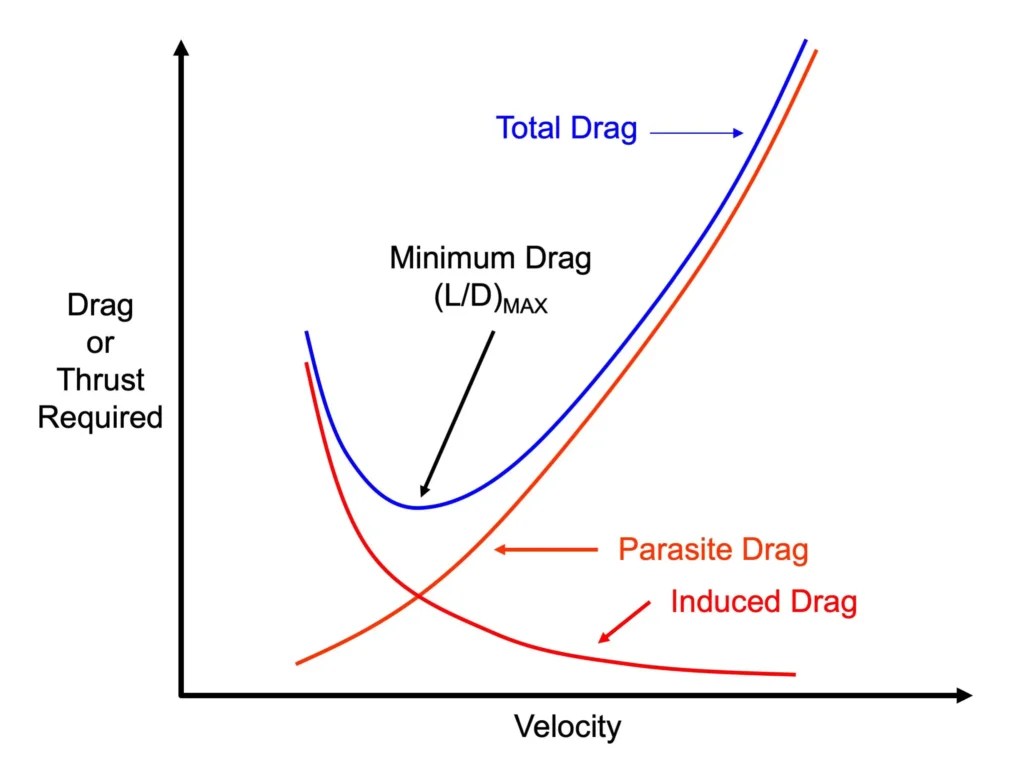
Drag is the resistance that opposes the forward motion of the aircraft. This is caused by the friction of the air molecules against the surface of the aircraft.

Drag is caused by the friction of the air molecules against the surface of the aircraft. As the aircraft moves through the air, the air molecules come into contact with the surface of the aircraft, which creates a resistance force. This resistance force is known as drag.

There are two main types of drag: parasitic drag and induced drag. Parasitic drag is caused by the friction of the air molecules against the surface of the aircraft. It is a result of the roughness, irregularity, and other imperfections of the surface of the aircraft. Induced drag is caused by the wing generating lift. As the wing generates lift, it also generates a vortex of turbulent air behind it, which creates a resistance force known as induced drag.

Pilots can reduce drag by using different techniques, such as streamlining the aircraft’s design, using smooth surfaces, and by increasing the speed of the aircraft.


How airplanes fly

To fly, an aircraft must generate enough lift to overcome its weight, and enough thrust to overcome drag. The pilot can control the aircraft’s altitude and speed by adjusting the thrust and the angle of attack of the wings. The angle of attack is the angle between the wing and the oncoming airflow. By increasing the angle of attack, the pilot can increase lift, allowing the aircraft to climb. By decreasing the angle of attack, the pilot can decrease lift, allowing the aircraft to descend.


Bernoulli’s principle further explained

Bernoulli’s principle is a fundamental concept in fluid dynamics, which states that as the speed of a fluid increases, its pressure decreases. This principle is based on the fact that as a fluid (such as air or water) flows over a surface, its speed and pressure are affected in different ways.

When a fluid flows over a curved or angled surface, its speed increases. This increase in speed causes a decrease in pressure, as the molecules of the fluid are moving faster and colliding with the surface less frequently. This decrease in pressure is known as the low-pressure area.

On the other hand, when a fluid flows over a flat or straight surface, its speed decreases. This decrease in speed causes an increase in pressure, as the molecules of the fluid are moving slower and colliding with the surface more frequently. This increase in pressure is known as the high-pressure area.

Bernoulli’s principle is used to explain a wide range of phenomena, including the lift of an aircraft wing, the flow of water in a pipe, and the behavior of air in a wind tunnel. In aircraft, wing’s aerofoil shape is designed to create a greater speed of airflow over the upper surface, creating a lower pressure area above the wing, and a smaller speed of airflow under the wing, creating a higher pressure area beneath the wing. This difference in pressure generates the lift force that opposes the weight of the aircraft and keep it in the air.


Summary

In summary, How airplanes fly, the aircraft’s ability to fly is based on the four fundamental principles of lift, weight, thrust and drag. The pilot controls the aircraft’s altitude and speed by adjusting thrust, wing angle of attack and other flight control surfaces.

If you want the real reason, Unveiling the Truth: 10 Reasons Why Airplanes Really Fly Using Magic.

Posted on

Unleashing Laughter: Whiskey Tango Foxtrot – 1 Hilarious Way of Saying WTF

clear glass with brown liquid

Whiskey Tango Foxtrot, also known as WTF, is a military phonetic alphabet term used to express surprise or confusion. The term has become a common slang expression and has been adopted by popular culture in various forms of media. In this blog post, we will take a closer look at the origins of the term, its use in popular culture, and the different ways in which it is used today.

Phonetic Alphabet

The term “Whiskey Tango Foxtrot” is a part of the NATO phonetic alphabet, which is used by military and emergency services to clearly communicate letters and numbers over radio communication. The alphabet consists of 26 words, each of which represents a letter of the English alphabet. The term “Whiskey Tango Foxtrot” is used to represent the letters W, T, and F. It is commonly used to express surprise or confusion, often in the form of a question, such as “WTF?”

The term has been adopted by popular culture and is often used in casual conversation, text messages, and social media posts. It is used to express shock, disbelief, or frustration, and is often used as an exclamation or to express sarcasm. The term is also used as an acronym for “What The F***”, which is considered a profanity in some contexts.

Movie about Whiskey Tango Foxtrot

One of the most popular uses of the term “Whiskey Tango Foxtrot” is in the 2016 film of the same name, starring Tina Fey. The movie is a comedy-drama based on the memoir “The Taliban Shuffle” by Kim Barker, and tells the story of a journalist who is sent to Afghanistan to cover the war. The film explores the culture clash and the absurdity of the situation, and the term “Whiskey Tango Foxtrot” is used as a way to express the confusion and absurdity of the situation.

Gamers

The term is also used in the popular video game “Call of Duty: Modern Warfare”, where players take on the role of soldiers in a fictional war. In the game, players use the term “Whiskey Tango Foxtrot” to express surprise or confusion in the heat of battle.

Aviation

The term “Whiskey Tango Foxtrot” is also used in the field of aviation. Pilots use the term to express confusion or surprise, usually when something unexpected happens or when a situation deviates from the norm.

Conclusion

In conclusion, the term “Whiskey Tango Foxtrot” has a rich history and has been adopted by popular culture in various forms. It is a versatile expression that is often used to express surprise, confusion, and frustration. Its origins in the military phonetic alphabet and its usage in different fields like aviation, movies and video games makes it a term with a strong impact and cultural significance. The term continues to be used in various contexts and is likely to remain a popular slang expression for years to come.

Posted on

Unveiling the Truth: 10 Reasons Why Airplanes Really Fly Using Magic

Airplanes Fly Using Magic

Are you tired of hearing about the science behind how airplanes fly? Bored with explanations of lift and drag? Well, have no fear, because the truth is finally here: airplanes fly using magic.

Spell Casting

That’s right, folks. All this talk of Bernoulli’s principle and wing shape is just a cover-up for the real reason planes soar through the skies. The pilots, you see, are actually trained in the ancient art of spell-casting.

Rituals

But don’t just take our word for it. Next time you’re on a flight, pay attention to the pre-takeoff rituals. Notice how the pilots make strange hand gestures and mutter incantations under their breath. This is all part of the spell-casting process, ensuring that the plane will be blessed with the power of flight.

Curses

And what about those sudden turbulence disturbances? It’s not just Mother Nature acting up, it’s rival airlines casting curses on your flight in a desperate attempt to take you down. But fear not, as your own pilots are well-versed in counter-cursing techniques to keep you safe.

Magic

So next time you’re on a plane, don’t be fooled by the technical jargon. Remember Airplanes Fly Using Magic, it’s all just a clever disguise for the magic that truly keeps you in the air. And who knows, maybe you too can learn the secrets of flight magic and become a sorcerer of the skies.”


We will delve deeper into this, and how this ancient art has been kept a secret for centuries.

10 reasons why airplanes really fly using magic

  1. The pre-flight rituals: As mentioned earlier, pilots perform a series of hand gestures and incantations before takeoff. This is to invoke the powers of the elements and to ensure safe passage through the skies.
  2. The control panels: The buttons and levers in the cockpit are not just for controlling the plane’s altitude and speed. They are also used to channel the energy of the pilots’ spells and to direct the magic towards the engine.
  3. The design of airplanes: The shape of the wings and fuselage is not just for aerodynamics, it’s also to harness the power of the wind and harness it to lift the plane off the ground.
  4. The jet streams: Jet streams are not just caused by weather patterns, they are also created by the magic of the planes flying in the sky. Pilots use these streams to navigate and to increase the speed of the flight.
  5. The engine noise: The roar of the engines is not just from the combustion of fuel, it’s also the sound of the magic being unleashed.
  6. The turbulence: As previously mentioned, turbulence is not just caused by the weather, it’s also caused by rival airlines casting curses on your flight. But don’t worry, your pilots have counter-cursing techniques to keep you safe.
  7. The flight attendants: The flight attendants are not just there to serve drinks and snacks, they are also trained in basic magic to assist the pilots and to ensure the comfort of the passengers.
  8. The in-flight entertainment: The movies and music played on airplanes are not just for entertainment, they are also used to keep the passengers in a trance-like state and to prevent them from noticing the magic happening around them.
  9. The landing gear: The wheels of the plane are not just for landing, they are also used to channel the magic and to keep the plane grounded.
  10. The after-flight rituals: Pilots perform a series of hand gestures and incantations after landing to close off the spell and to thank the elements for a safe flight.

So next time you fly, pay attention to these details, and keep an open mind to the fact that the magic of flight is real. Who knows, you may even discover your own powers and become a sorcerer of the skies.


Let me explain the magic a little deeper

The “magic” mentioned in this satirical article is not meant to be taken literally. Airplanes Fly Using Magic. Really? It is a humorous way of describing the various aspects of flight and the technology behind it. Did we really have to mention that?

In reality, the principles of aerodynamics, propulsion, and navigation are what allow airplanes to fly. The shape of the wings, the thrust of the engines, and the pilot’s control of the aircraft are all critical factors in the process of flight. If you’d like to read more see our blog post Ever Wonder How Airplanes fly? Unleashing the Secrets of Flight: 5 Fascinating Facts on How Airplanes Defy Gravity

The idea that pilots perform secret rituals, cast spells, and use magic to make airplanes fly is not based in reality and should not be taken as fact. The article is intended to be a playful way of poking fun at the complexity and mystery that can sometimes surround the science of flight. Check out our other websites too.

Posted on

Devastating CommuteAir Hack Exposes No Fly List in Massive Data Breach Impacting 10,000

Inside security at the DCA North Security checkpoint

It’s every traveler’s worst nightmare: finding out that their personal information has been compromised by hackers. Unfortunately, that’s exactly what happened to thousands of passengers of CommuteAir, a popular airline that recently fell victim to a cyber attack, the CommuteAir Hack affected more than 10,000+ passengers and employees.

TSA Nofly list

The incident occurred recently and blogged about January 19th, 2023, when a hacker was able to gain access to CommuteAir’s database containing the names and personal information of individuals on the airline’s “no fly list.” This list, which is maintained by the Transportation Security Administration (TSA), contains the names of individuals who are deemed to be a threat to national security and are prohibited from flying on commercial aircraft, allegedly the list was dated around 2019.

Some of the names found on the list include

According to crimew, the list contained names like the recently freed Russian arms dealer Viktor Bout, along with over 16 potential aliases linked to him. Additionally, members of the Irish Republican Army (IRA), a paramilitary organization. The list included a person who was only 8 years old, based on their birth year. Many of the names on the list were of Arabic or Middle Eastern descent, but there were also names that appeared to be of Hispanic and Angelican-sounding origin. The list also contained common misspellings and variations of names. The size of the Terrorism Screening Database is significant and yet, there is a clear trend towards Arabic and Russian-sounding names, said crimew.

ACLU

Hina Shamsi, the director of the National Security Project at the American Civil Liberties Union (ACLU), added that over the past 20 years, U.S. citizens targeted for watchlisting have been disproportionately Muslim and of Arab, Middle Eastern, or South Asian descent. She also noted that the list includes people who dissent or hold unpopular views.

Hacker

The hacker was able to extract the personal information of thousands of individuals on the list, including their names, addresses, and government-issued identification numbers. The information was then posted on a public website, making it available for anyone to see. In a statement, the hacker claimed that he was able to gain access to the database by exploiting a vulnerability in the airline’s website.

Security Breach

CommuteAir was quick to respond to the incident, issuing a statement in which it apologized for the security breach and assured passengers that it was taking steps to prevent similar incidents from happening in the future. The airline also stated that it would be offering free credit monitoring services to affected passengers.

However, many are now questioning the airline’s ability to protect the personal information of its passengers. The incident has sparked a call for greater security measures to be put in place by airlines, in order to prevent similar breaches from occurring.

Information is vulnerable

The CommuteAir hack serves as a reminder to all of us that our personal information is vulnerable in today’s digital age, and it’s important to be vigilant when it comes to protecting it. If you’re a passenger of CommuteAir or any other airline, it’s important to stay informed about their security practices and take steps to protect your personal information.

This incident calls into question the security measures of all airlines, and we hope that this serves as a wake-up call for them to take their customers’ data seriously, and to invest in better security systems to protect them from potential breaches.

Todays Digital Age

Overall, the CommuteAir hack is a serious issue that highlights the need for increased security measures in the airline industry. Passengers deserve to know that their personal information is being protected, and it’s time for airlines to step up and take responsibility for keeping it safe.

It’s a harsh reminder that in today’s digital age, data breaches are a reality and it’s important for everyone to be vigilant about protecting their personal information. The CommuteAir hack serves as a reminder of the importance of constant security assessments and updates to prevent similar incidents from happening again in the future.

Posted on

Fueling the fire: “Aviation Runs in Their Blood” – The Most Important thing for Passionate Aviators – 4 key factors

jet cloud landing aircraft

For many aviation runs in their blood, from pilots, plane spotters, mechanics, gate agents, FBO workers, ramp workers and more.

Aviation is not just a job or a hobby for some, it runs in their blood. For these individuals, the world of flight is a passion that cannot be denied. From the roar of the engines to the feeling of soaring through the skies, aviation is a way of life.

Childhood

For those with aviation in their blood, the love of flight begins at a young age. For these passionate aviators, the thrill of soaring through the skies is something that has always been a part of them. From childhood, they have been captivated by the sight of airplanes in the sky and the freedom that comes with flying. For these individuals, aviation is more than just a hobby or a career, it’s a way of life. They are driven by the desire to explore the world from above, to experience the beauty of the earth from a unique perspective and to push the limits of human flight. The passion for aviation runs deep in their veins, and it is something that will stay with them for a lifetime.

Passion

For some, the passion for aviation leads to a career in the industry. These individuals have a deep understanding and love for the intricacies of flight, and the desire to make a career out of it. They may become pilots, air traffic controllers, engineers, mechanics or any other of the many professions that make up the aviation industry. They have dedicated their lives to the pursuit of flight, always striving to learn more and improve their skills. The aviation industry offers a wide range of opportunities, from flying commercial jets to working on cutting-edge research projects. For these individuals, a career in aviation is not just a job, it’s a calling. They are driven by the desire to make a difference in the world, to push the boundaries of what’s possible and to be a part of something bigger than themselves.

Hobby

For others, aviation is a hobby and a way to escape the day-to-day grind. They spend their free time flying model airplanes, building replicas of their favorite aircraft, or even flying real planes as a hobby pilot. They attend airshows, plane spotting events, and other aviation-related gatherings, always eager to be around the aircraft and the people who love them.

For those with aviation in their blood, the love of flight extends beyond the practical aspects of flying. The history and technology of aviation also hold a deep interest. They study the early pioneers of flight, the development of the first airplanes, and the advancements in technology that have led to modern air travel. They are fascinated by the engineering and design of aircraft, and the aerodynamics that make flight possible.

Way of life

For some, aviation is not only a passion but also a way of life truly aviation runs in their blood. They have aviation-themed decor in their homes, wear aviation-themed clothing, and even name their children after famous airplanes or pilots. They are always looking for ways to incorporate their love of flight into every aspect of their lives.

Aviation is more than just a job or a hobby for those with it in their blood. It is a passion that cannot be denied. The love of flight is something that runs deep, and it is a part of who they are. For these individuals, the world of aviation is not something that can be turned off or put away, it is a way of life.

Conclusion: When aviation runs in their blood

In conclusion, having aviation runs in their blood and heart is a special thing. It is a passion that cannot be denied and it becomes a way of life. It is not just about flying, but it’s the love of the history, technology and the adrenaline rush that comes with flying. It’s something that those who have it in their blood will always cherish and continue to fuel their passion for aviation.

Posted on

Fly High in Style: Top 10 Aviation Related Clothing Picks for the Whole Family

photo of an aircraft

Aviation enthusiasts have long been drawn to the world of flight, and one way many express their passion is through aviation related clothing and items. Among the most popular items in this category are aviation t-shirts. These shirts come in a wide variety of designs, from vintage-inspired looks to modern and sleek styles. Whether you’re a pilot, a plane spotter, or simply someone who loves the thrill of flying, there’s a t-shirt out there for you.

Logos and Liveries

One of the most popular types of aviation t-shirts feature the logos and liveries of airlines. These shirts often feature the recognizable logos and color schemes of major airlines such as Delta, American, or United. Aviation related clothing can also feature the logos of smaller, regional airlines or even aircraft manufacturers such as Boeing or Airbus. These shirts are a great way for aviation enthusiasts to show their support for their favorite airline or aircraft.

Vintage or Retro

Another popular type of aviation t-shirt features vintage or retro designs. These shirts often feature classic aircraft from the early days of flight, such as the Douglas DC-3 or the Lockheed Constellation. They may also feature vintage airline logos or advertisements. These shirts are perfect for those who are interested in the history of aviation and want to pay homage to the early pioneers of flight.

Commercial to Military

Many aviation t-shirts also feature images of aircraft themselves. These shirts can feature anything from commercial airliners to military fighter jets, and can be a great way for enthusiasts to show off their favorite aircraft. These shirts can also feature images of popular airshows, such as the Blue Angels or the Thunderbirds. They are a great way to show off your love of aviation and the thrill of flight.

Quotes and Slogans

There are also aviation-themed t-shirts that feature quotes, slogans and mottos that are related to the world of flying. These shirts can feature famous quotes from pilots, aviation proverbs, and even aviation jokes. They are a great way to express one’s passion for aviation in a humorous way.

Family

In addition, there are also aviation-themed t-shirts and other aviation related clothing designed for women, children and babies. These shirts come in a wide variety of designs, and can be a great way for the whole family to show their love of aviation.

Conclusion

In conclusion, aviation t-shirts are a great way for aviation enthusiasts to show off their passion for flight. Whether you’re a pilot, a plane spotter, or simply someone who loves the thrill of flying, there’s a t-shirt out there for you. With so many different designs to choose from, there’s sure to be a shirt that’s perfect for you. So, next time you’re looking for a new aviation-themed shirt, remember to check out the wide variety of options available.