Posted on

Truly, I’d rather be flying – Wouldn’t you?

Flying Etiquette, I'd rather be flying

“I’d rather be flying” is a popular phrase that expresses the passion and joy of flying for many pilots, aviation enthusiasts, and anyone who has experienced the thrill of being in the air. In this blog post, we will explore the meaning of the phrase, the reasons why many people feel this way, and the different ways in which flying can be experienced.


Becoming a pilot

For pilots, the phrase “I’d rather be flying” expresses the love of flying and the freedom that it brings. Pilots spend countless hours training and studying to become proficient in the skills necessary to fly an aircraft. They also spend a significant amount of time preparing for flights, completing checklists, and monitoring weather conditions. But all of this effort is worth it when they’re in the air, soaring above the clouds and experiencing the unparalleled freedom of flight.


Aviation enthusiasts

For aviation enthusiasts, the phrase “I’d rather be flying” expresses the thrill and excitement of experiencing flight. Many aviation enthusiasts take flights as a hobby, whether it be flying in small single-engine aircraft or taking a ride in a commercial airliner. They also spend a lot of time at airports, watching planes take off and land, and talking with pilots and other aviation enthusiasts. The excitement of watching a plane take off or experiencing the sensation of flying is something that many aviation enthusiasts find hard to match.


The joy of flying

For those who have had the opportunity to fly, the phrase “I’d rather be flying” expresses the joy and wonder of being in the air. Whether you’re a seasoned pilot or a first-time passenger, the feeling of being in an aircraft and looking down at the world below is an experience that can’t be matched. From the beautiful views of the landscape to the sensation of weightlessness and the feeling of freedom, flying is an experience that can be truly life-changing.


Stressful world

For many people, the phrase “I’d rather be flying” represents a desire to escape the everyday stresses of life and experience something truly extraordinary. The world can be a stressful and overwhelming place, and the freedom and tranquility of flying can be a welcome escape. The sensation of flying can be a form of therapy, providing a sense of peace and tranquility that can be hard to find on the ground.

Dream

For some, the dream of flying is still just that, a dream. But for those who have the opportunity to experience flight, the phrase “I’d rather be flying” is a reminder of the joy and wonder that flying can bring. From solo flight lessons to sightseeing tours, there are many ways to experience the thrill of flight. Whether you’re a pilot, an aviation enthusiast, or someone who has always dreamed of flying, there is no denying the passion and joy that flying brings.

Conclusion

In conclusion, the phrase “I’d rather be flying” expresses the passion and joy that many pilots and aviation enthusiasts feel about flying. It represents the freedom, thrill, and wonder of being in the air. Whether you’re a seasoned pilot or a first-time passenger, flying is an experience that can be truly life-changing and it’s definitely worth the effort and time to experience the beauty and freedom of flying. Flying is not just a mode of transportation but an adventure and a passion for many, and the phrase “I’d rather be flying” encapsulates that spirit of adventure and passion.


Posted on

What is the ICAO Phonetic Alphabet?

crop blue eyed man with painted letters on face

The International Civil Aviation Organization (ICAO) phonetic alphabet is a standardized system of words used to represent letters and numbers in radio communications. This system is used by pilots, air traffic controllers, and other aviation professionals around the world to ensure clear and accurate communication in the air.

The ICAO phonetic alphabet

is composed of 26 words, each of which corresponds to a letter of the English alphabet. The words are chosen for their distinctiveness and ease of pronunciation, and are designed to be easily understood even in noisy or stressful situations. The words are as follows:

A – Alpha

B – Bravo

C – Charlie

D – Delta

E – Echo

F – Foxtrot

G – Golf

H – Hotel

I – India

J – Juliet

K – Kilo

L – Lima

M – Mike

N – November

O – Oscar

P – Papa

Q – Quebec

R – Romeo

S – Sierra

T – Tango

U – Uniform

V – Victor

W – Whiskey

X – X-ray

Y – Yankee

Z – Zulu

In addition to letters, the ICAO phonetic alphabet is also used to represent numbers. The words used to represent numbers are as follows:

0 – Zero

1 – One

2 – Two

3 – Three

4 – Four

5 – Five

6 – Six

7 – Seven

8 – Eight

9 – Nine

The ICAO phonetic alphabet is used in a variety of situations in the aviation industry. For example, pilots may use the phonetic alphabet to spell out the letters of their aircraft registration or the name of a destination airport. Air traffic controllers may use the phonetic alphabet to clarify the identity of an aircraft or to provide instructions to pilots.

One of the key benefits of the ICAO phonetic alphabet is that it helps to reduce confusion and misunderstandings in radio communications. By using standardized words to represent letters and numbers, pilots and air traffic controllers can be sure that their messages will be understood correctly. This is especially important in situations where there may be background noise or other distractions, such as during a flight in bad weather or at a busy airport.

Another benefit of the ICAO phonetic alphabet is that it is widely used around the world. This means that pilots and air traffic controllers from different countries can communicate with each other using the same system, which helps to ensure that there are no misunderstandings due to different languages or dialects.

In conclusion, the ICAO phonetic alphabet is a standardized system of words used to represent letters and numbers in radio communications. It is widely used in the aviation industry to ensure clear and accurate communication between pilots, air traffic controllers, and other professionals. The use of standardized words helps to reduce confusion and misunderstandings, and the system is used worldwide, which helps to ensure clear communication among aviation professionals from different countries.

Posted on

Top Gun Maverick: For the 2nd time. Yes, he is Dangerous

The fourth U.S. Air Force Top Gun Maverick

Top Gun Maverick was released on May 27, 2022. This film is a sequel to the 1986 hit film Top Gun, which starred Tom Cruise as Pete “Maverick” Mitchell, a fighter pilot in the United States Navy. The sequel has been in the works for years, and fans of the original film were excited to see the new film.

Top Gun Original

The original Top Gun film was a huge success when it was released in 1986. The film grossed over $350 million at the box office and became one of the highest-grossing films of that year. The film also received a lot of critical acclaim and was nominated for several awards, including an Academy Award for Best Original Song for the hit song “Take My Breath Away” by Berlin. The film also helped to launch the career of Tom Cruise, who has since become one of the biggest stars in Hollywood.

Top Gun Maverick

The sequel, Top Gun Maverick, will take place 34 years after the events of the original film. The film will follow Pete “Maverick” Mitchell as he takes on a new generation of fighter pilots and deals with the changing nature of warfare. The film will also explore the relationship between Maverick and his late mentor, Viper, who was played by Tom Skerritt in the original film.


Director and Stars

The film was directed by Joseph Kosinski, who previously directed the films Tron: Legacy and Oblivion. The film stars Tom Cruise, who will reprise his role as Pete “Maverick” Mitchell. The film also stars Miles Teller as Lt. Bradley ‘Rooster’ Bradshaw, the son of Nick ‘Goose’ Bradshaw, who was played by Anthony Edwards in the original film. The film also stars Val Kilmer as Adm. Tom ‘Iceman’ Kazansky, Glen Powell as Lt. Jake ‘Hangman’ Seresin, Jennifer Connelly as Penny Benjamin, and Ed Harris as Radm. Chester ‘Hammer’ Cain.

Review

Top Gun: Maverick is the long-awaited sequel to the 1986 hit film Top Gun. The movie follows Pete “Maverick” Mitchell (Tom Cruise) as he returns to the Top Gun training program as an instructor, where he meets a new generation of pilots and faces a new set of challenges.

The movie is an action-packed thrill ride that lives up to the legacy of the original film. The aerial sequences are absolutely breathtaking and the special effects are top-notch. Tom Cruise gives a solid performance as Maverick, bringing a mix of nostalgia and a new energy to the role. The new cast members also deliver strong performances, particularly Miles Teller as Bradley Bradshaw, Maverick’s protΓ©gΓ©.

The story of the movie is well-written, with a good balance of action and drama. The movie explores themes of loss, redemption, and the changing nature of warfare. The plot is also full of surprises and unexpected twists that will keep viewers on the edge of their seats.

One of the best aspects of the movie is the way it pays homage to the original film while also updating it for a modern audience. The movie references the original film in a way that is respectful and not too heavy-handed. The music score is also a standout, featuring a mix of classic Top Gun tracks as well as new songs that perfectly capture the spirit of the film.

Overall, Top Gun: Maverick is a worthy sequel to the original film and a must-see for fans of the franchise. The movie is an action-packed thrill ride that is sure to please audiences of all ages.

Box Office

  • Budget
    • $170,000,000 (estimated)
  • Gross US & Canada
    • $718,732,821
  • Opening weekend US & Canada
    • $126,707,459
    • May 29, 2022
  • Gross worldwide
    • $1,488,732,821

Fun Facts

At the insistence ofΒ Tom Cruise, minimal green screen and CGI aerial shots exist in the film, the close up cockpit shots were taken during real in-flight sequences. This meant that much of the cast had to undergo extensive G-force training sessions to withstand the physical demands of G-force pressures during flights.


Conclusion

In conclusion, Top Gun Maverick was released on May 27, 2022. The film is a sequel to the 1986 hit film Top Gun, which starred Tom Cruise as Pete “Maverick” Mitchell, a fighter pilot in the United States Navy. The sequel will take place 34 years after the events of the original film and will follow Maverick as he takes on a new generation of fighter pilots and deals with the changing nature of warfare. The film will be directed by Joseph Kosinski and will star Tom Cruise, Miles Teller, Glen Powell, Jennifer Connelly, and Ed Harris.

Posted on

Politics and Flying: What makes these 2 odd topics connect?

Politics and Flying

Politics and Flying

Politics and flying are two seemingly unrelated topics, but they are more intertwined than one might think. The aviation industry is heavily regulated by government agencies, and political decisions can have a significant impact on the industry as a whole. In this blog post, we will explore the various ways in which politics and flying are connected, and how recent political developments have affected the aviation industry.

Above images credit @dadikaram

Regulation

First, let’s talk about regulation. The Federal Aviation Administration (FAA) is the government agency responsible for regulating the aviation industry in the United States. They set safety standards for aircraft, pilots, and airports, and they also oversee the air traffic control system. The FAA is also responsible for enforcing regulations, such as those related to aircraft maintenance and pilot qualifications. Political decisions, such as budget cuts, can have a major impact on the FAA’s ability to effectively regulate the industry.

Taxes and Fees

Another way in which politics and flying are connected is through taxes and fees. The government imposes a variety of taxes and fees on the aviation industry, including fuel taxes, airport taxes, and passenger taxes. These taxes and fees can have a significant impact on the cost of flying, and they can also affect the competitiveness of different airlines. Political decisions, such as changes to tax laws, can have a major impact on the cost of flying and the financial health of the industry.

Trade Policies

Trade policies are also an important aspect of politics that affects the aviation industry. Airlines depend on international trade agreements to access new markets and grow their business. Political decisions, such as the withdrawal of the United States from the Open Skies agreement, can have a significant impact on the industry by restricting access to new markets and increasing competition.

Environmental

Political decisions can also have a major impact on the environment. The aviation industry is one of the largest contributors to carbon emissions, and political decisions, such as the implementation of carbon taxes, can have a significant impact on the industry’s ability to operate.

Covid-19 Pandemic

Recent political developments have also had a significant impact on the aviation industry. The COVID-19 pandemic has led to a significant drop in air travel, and government-mandated travel restrictions have made it difficult for airlines to operate. This has led to widespread financial losses for airlines, and many have been forced to reduce their operations and lay off employees. The stimulus package passed by the government provided some relief to the industry, but it is unclear how long it will take for the industry to recover.


Conclusion

In conclusion, politics and flying are more connected than one might think. Political decisions can have a significant impact on the aviation industry, from regulation and taxes, to trade policies and the environment. The recent COVID-19 pandemic has also had a major impact on the industry, and it remains to be seen how the industry will recover in the long-term. It is important for individuals and industry stakeholders to stay informed about political developments and how they may affect the aviation industry.

Posted on

Pan Am: Iconic Airline History of the Fail-proof Airline

Pam Am - Pan American World Airways

Pan Am, or Pan American World Airways, was a major American airline that operated from 1927 until 1991. Founded by Juan Trippe, the airline was headquartered in New York City and was known for its iconic blue globe logo.

Pan Ams early years

Pan Am’s early years were marked by rapid expansion, as the airline expanded its routes to include destinations throughout North and South America, Europe, and Asia. In the 1930s and 1940s, the airline played a key role in the development of air travel, introducing innovations such as the use of pressurized cabins and in-flight dining.

WWII

During World War II, Pan Am played a significant role in the war effort, providing transport for troops and supplies to various theaters of war. After the war, the airline continued to expand its routes and fleet, and by the 1960s, it had become one of the largest and most successful airlines in the world.

However, the airline’s fortunes began to decline in the 1970s, as a result of increased competition from other airlines and rising fuel costs. In 1978, the airline was forced to file for bankruptcy, and it was eventually bought by Delta Air Lines in 1991.

Financial Struggles

Despite its financial struggles, Pan Am is remembered for its contributions to the development of air travel and for its iconic image and style. The airline’s blue globe logo and “Pan Am” script are still recognizable to many people today, and the airline’s legacy continues to be celebrated by aviation enthusiasts and historians.

Conclusion

In conclusion, Pan American World Airways was an American airline that played a significant role in the development of air travel, providing transport for troops and supplies to various theaters of war, introducing innovations such as the use of pressurized cabins and in-flight dining. Even though the airline was forced to file for bankruptcy and eventually bought by Delta Air Lines in 1991, it is still remembered for its contributions to the development of air travel and for its iconic image and style.

Posted on

Luggage Tags: Luxury or Necessity?

Luggage Owney tag

Luggage tags are small, identifying labels that attach to your suitcase, backpack, or other travel bag. They serve an important purpose by providing information that helps to ensure that your luggage arrives at its destination safely and on time.

Main benefits

One of the main benefits of luggage tags is that they make it easy to identify your luggage. When you’re traveling, it’s not uncommon to see dozens, if not hundreds, of bags that look identical to yours. By attaching a luggage tag to your bag, you’ll be able to quickly and easily identify it among all the others. This can save you a lot of time and hassle when you’re trying to find your bag at baggage claim.

Misplaced Luggage – Lost

Another benefit of luggage tags is that they provide a way to contact you in case your luggage is misplaced. A luggage tag typically includes your name, address, and contact information. This allows airport staff to contact you if your bag is lost or delayed, so you can be reunited with your belongings as soon as possible.

Security

Personalized Luggage tags also play an important role in security. They can have a unique identification number which can help to prevent theft or loss. If you have a unique identification number on your luggage tag, it can be easier to track down your bag if it’s lost or stolen. Some even have photo luggage tags

Personalized

Another advantage of luggage bag tags is that they can be personalized to reflect your personality or style. You can find luggage tags in different designs, colors, and materials, which can be a fun way to add a little personality to your bag. You can even get creative and make your own luggage tag.

Durability

When choosing a luggage tag, it’s important to consider durability and weather-resistance. You’ll want a tag that can withstand the wear and tear of travel, and that can withstand the elements. Look for tags that are made from sturdy materials like leather, PVC or plastic.

It’s also a good idea to consider the type of information you want to include on your luggage tag. Some people prefer to keep their contact information private, so they only include their name and address. Others prefer to include their phone number and email address, so they can be reached more easily.

Our Favorite

Our favorite bag tags are made by koolkrew. The metal luggage tags are by far the most impressive and best luggage tags we’ve ever seen! And we supply tags from many different airlines. These bag tags are so durable once you’ve attached them to your luggage you simply can forget they are there. They are so well made you can think of them as designer luggage tags. With the metal wire ring attachment they simply aren’t going anywhere no matter how hard you are with your luggage. Perfect for crew members on the go or frequent flyers who know how important it is to keep track of their bags.

Conclusion

In conclusion, luggage bag tags are small, identifying labels that attach to your suitcase, backpack, or other travel bag. They serve an important purpose by providing information that helps to ensure that your luggage arrives at its destination safely and on time. Luggage tags help you to identify your luggage, provide a way to contact you in case your luggage is misplaced, play an important role in security, and can be personalized to reflect your personality or style. Remember to consider durability and weather-resistance when choosing a luggage tag, and the type of information you want to include on it.

Posted on

Pilots of the Caribbean: The Brazen unsung heroes of the skies

Pilots of the Caribbean black and white propeller

Pilots of the Caribbean: The Brazen unsung heroes of the skies

Caribbean

When we think of the Caribbean, images of crystal clear waters, white sandy beaches, and lush tropical landscapes come to mind. But there is another aspect of the Caribbean that often goes unnoticed: the pilots who keep the region connected. These men and women are the unsung heroes of the skies, flying through some of the most challenging and unpredictable weather conditions in the world to ensure that travelers, goods, and essential supplies reach their destinations safely.

The Caribbean is home to a diverse group of islands and countries, each with its own unique culture and history. However, one thing that they all share is the importance of air travel. The Caribbean is a popular tourist destination, with millions of visitors each year, and air travel is the primary mode of transportation for both tourists and locals. The region is also home to a significant number of small islands that are only accessible by air, making air travel even more critical.

One of the most famous and popular destinations in the Caribbean is the island of Jamaica. Jamaica is known for its beautiful beaches, lush rainforests, and delicious cuisine. The island is also famous for being the birthplace of reggae music and the home of Bob Marley. Visitors to Jamaica can enjoy a variety of activities such as hiking in the Blue Mountains, visiting the Bob Marley Museum, and relaxing on the beaches of Montego Bay.

Another popular Caribbean destination is the island of Barbados. Barbados is known for its beautiful beaches, crystal-clear waters, and lively nightlife. Visitors to Barbados can enjoy a variety of activities such as swimming with turtles, snorkeling, and exploring the historic capital of Bridgetown.

The island of the Dominican Republic is also a popular Caribbean destination. This island is known for its beautiful beaches, lush rainforests, and vibrant culture. Visitors to the Dominican Republic can enjoy a variety of activities such as visiting the historic city of Santo Domingo, hiking in the Pico Duarte, and exploring the many caves and waterfalls in the region.

The Caribbean is also home to many other beautiful islands, such as the Bahamas, the Virgin Islands, and the Cayman Islands. Each island has its own unique culture, history, and attractions. Visitors can enjoy a variety of activities such as swimming with dolphins, exploring the coral reefs, and learning about the history of the region.

Storms and Navigation

Pilots operating in the Caribbean face a number of unique challenges. The region is known for its tropical storms and hurricanes, which can disrupt flights and damage airports and other infrastructure. In addition, many Caribbean airports have shorter runways and less advanced navigation equipment than airports in more developed regions, making takeoffs and landings more challenging. Additionally, the Caribbean is known for its mountainous terrain, which can make flying difficult, especially for smaller planes.

Despite these challenges, pilots of the Caribbean are highly skilled and experienced, and they take great pride in ensuring that their flights are safe and on time. They are often called upon to fly in difficult conditions, including low visibility and high winds, and they are always ready to adapt and improvise to ensure the safety of their passengers and cargo.

Personality

In addition to their flying skills, pilots of the Caribbean are known for their friendly and welcoming personalities. They are often the first point of contact for tourists arriving in the region, and they are happy to share their knowledge and passion for the Caribbean with their passengers. They are also deeply connected to the communities they serve and are always ready to lend a helping hand in times of need.

Conclusion

In conclusion, pilots of the Caribbean are an essential part of the region’s transportation infrastructure and play a vital role in keeping the Caribbean connected. Their skills, experience, and dedication to safety make them true heroes of the skies. They are often unsung heroes but deserve recognition for the important work they do, connecting people and goods, and for the friendly and welcoming service they provide to all travelers visiting Caribbean.

Posted on

Having the right flight kit bag is essential

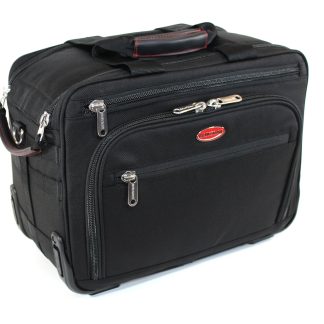
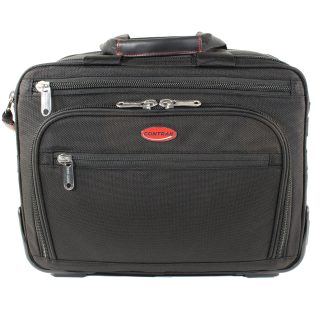
Contrail Flight kit Bag with roller, contrail bags, flight kit bag

As a pilot, having the right flight kit bag is essential. So, What’s in a pilot bag? This bag is not only a practical tool for storing and transporting the necessary equipment and documents, but it also serves as a symbol of the pilot’s profession. A well-designed and durable flight kit bag can make all the difference in a pilot’s daily routine, allowing them to be well-organized and prepared for any situation.

When it comes to pilot flight bags, there are many options to choose from. The most popular types of bags are backpacks, tote bags, and rollers. Each type has its own advantages and disadvantages, and the best choice depends on the pilot’s individual needs and preferences.

Backpacks

are a popular choice among GA pilots, as they offer hands-free transportation and comfortable straps for carrying heavy loads. What backpacks do pilots use? Since most airlines do not allow these style bags they aren’t very common. But when they are used typically they are just simple small black bags. They also typically have multiple compartments, which can be useful for separating and organizing different types of equipment. Additionally, many backpack-style small flight kit bags are designed to meet the size and weight requirements for carry-on luggage, making them a convenient option for traveling.

Tote bags

are another popular option for pilots, as they are large and spacious, and can hold a lot of gear. They are also durable and easy to transport, with comfortable straps and handles. Good quality ones have many compartments for separating different types of equipment. Custom flight bags come in a variety of sizes, styles, and designs. Our favorite by far are the Contrail flight kit bags. Contrail has many options where you can customize your flight bag to meet your specific needs with the removeable pockets. As one customer put it, β€œContrail builds flight bags, the rest are just totes”

Rollers

are a good option for pilots who need to transport a large amount of gear and prefer wheeled luggage. There aren’t many flight bag wheels but these are perfect to carry your tote around. They are easy to maneuver and can be a good option for pilots who have a lot of heavy equipment. However, they can be less durable than backpacks or duffel bags, and may not be as comfortable to carry for long periods of time.

When choosing a flight kit bag, it is important to consider the size and weight requirements for carry-on luggage, as well as the number and types of compartments the bag has. Pilots should also consider the durability of the bag, as well as the comfort and ease of transportation. Many bags come with features like padded straps and back, multiple compartments, and even a built-in laptop compartment.

It’s also important to consider the material of the bag. A good quality flight kit bag should be made of durable materials that can withstand the rigors of travel, such as heavy-duty nylon or ballistic nylon. Additionally, the bag should be water-resistant to protect the contents from getting wet during flight.

In addition to the above-mentioned features, some flight kit bags come with additional features like a built-in GPS, a power bank for charging devices, and a built-in scale for weighing the bag. These features can be very useful for pilots and make their lives a lot easier.

The contents of a pilot’s flight kit bag can vary depending on the type of aircraft they are flying and the specific requirements of their job. However, there are some items that are commonly found in most pilot’s flight kit bags. These include:

Items found inside:

  • Pilot operating handbook (POH) or flight manual. This is the manual that contains all of the information that a pilot needs to safely operate the aircraft, including emergency procedures, performance data, and limitations. It is important that the pilot has easy access to this manual while in flight, as it is a crucial reference tool.
  • Flight manuals and navigation charts: Pilots need to have quick access to these documents during flight to ensure safe navigation and compliance with regulations.
  • Checklist. Pilots use checklists to ensure that they have completed all of the necessary pre-flight and in-flight procedures. These checklists are typically divided into sections such as pre-flight, takeoff, cruise, descent, and landing, and are designed to help pilots stay organized and focused during the flight.
  • Headset and communication equipment: Pilots rely on their headsets to communicate with air traffic control and other pilots.
  • Flight computer and calculator: Pilots use these tools to perform flight calculations and navigate the aircraft.
  • Flashlight and emergency equipment: Pilots must be prepared for any emergency situation, and a flashlight and emergency equipment are essential items in case of power failure or other emergency.
  • Personal items: Pilots may also carry personal items such as a book, music player, or snacks in their flight kit bag.

Some bags are designed specifically for use in small general aviation aircraft, while others are designed for use in larger commercial airliners. Some bags are made of durable materials such as leather or nylon, while others are made of lightweight and water-resistant materials. Some have wheels and telescoping handles for easy transport, while others have shoulder straps for carrying by hand.

Luggage Tags

In conclusion, a good flight kit bag is essential for any pilot. The right bag can make all the difference in a pilot’s daily routine, allowing them to be well-organized and prepared for any situation. Whether you prefer a backpack, duffel bag, or roller, make sure to consider the size and weight requirements for carry-on luggage, the number and types of compartments, durability, comfort and ease of transportation, and additional features before making a purchase. A high-quality, durable and well-designed flight kit bag will make a pilot’s life easier and more efficient, and will be a valuable investment for any pilot.

Posted on

Be the perfect Wingman

Date: 06-12-15.Location: Ellington Field.Subject: Expedition 43 crew members Terry Virts and Samantha Cristoforetti return to Ellington Field after their mission to the ISS. .Photographer: James Blair

Being a wingman is a vital role in the dating scene. A wingman is a person who accompanies their friend to social events with the intention of helping them meet new people, specifically romantic partners. In this blog post, we will discuss some tips on how to be the best wingman possible.

First and foremost (to be the perfect wingman)

it is important to understand your friend’s needs and preferences. Before going out on a night out, have a conversation with your friend about what they are looking for in a potential partner. This could include things like personality traits, physical characteristics, and interests. By understanding your friend’s preferences, you will be better equipped to introduce them to people who align with what they are looking for.

Next, be confident and outgoing when meeting new people. As a wingman, it is your job to help your friend feel comfortable and at ease when interacting with others. Be approachable and friendly, and make it easy for people to strike up a conversation with you and your friend. By doing this, you will create a comfortable and inviting atmosphere that will encourage others to approach and talk to your friend.

Another important aspect of being a wingman is to be a good listener. When people are talking to your friend, pay attention to the conversation and be involved. This shows that you are interested in what they have to say and that you are invested in helping your friend make a connection. Additionally, listening to the conversation can give you insight into what your friend likes and dislikes, which can be useful information when introducing them to new people.

It’s also important to be aware of your friend’s body language and comfort level. Be aware of their cues that they might be uncomfortable, and if that is the case, it’s important to intervene. If they are feeling uncomfortable, be willing to step in and change the subject or steer the conversation in a different direction.

Lastly, be supportive of your friend throughout the entire process. Remember that the ultimate goal is to help your friend find someone they are interested in and happy with. Be there to lend a listening ear and offer advice when needed, and always be willing to help your friend navigate the dating scene.

In conclusion, being a wingman is a vital role in the dating scene and can be a lot of fun. By understanding your friend’s needs, being confident and outgoing, being a good listener, being aware of your friend’s body language and comfort level and being supportive, you can help your friend find a great romantic partner and create an enjoyable experience for all involved.

Follow my blog with Bloglovin

Posted on

Sky High Debate: Airbus vs Boeing: The Ultimate Showdown: 10 Factors to Consider for the Exceptional Choice

Airbus vs Boeing

Airbus and Boeing are two of the largest and most well-known aircraft manufacturers in the world. Airbus vs Boeing who is better? Well, both companies have a long history of producing high-quality, reliable aircraft that have been used by airlines and private operators around the globe. However, the question of which aircraft is better between the two is a topic of much debate among industry experts, aviation enthusiasts, and even among airline operators. In this blog post, we will take a closer look at the two companies and their aircraft to try to answer this question.


Boeing

First, let’s take a look at Boeing. Founded in 1916, the company has a long history of producing some of the most iconic commercial aircraft in the world, including the 747, the 737, and the 777. Boeing is known for its wide-body planes, which are well-suited for long-haul flights. These planes are designed to carry a large number of passengers and cargo over long distances, and are typically used by airlines on international routes.

747

One of the most notable wide-body aircraft from Boeing is the 747. Known as the “Queen of the Skies,” the 747 was first introduced in 1970 and quickly became the most recognizable and iconic commercial aircraft in the world. The 747 has a distinctive hump on the upper deck that houses the cockpit and first-class seating, and it can carry up to 660 passengers. Despite its age, the 747 remains in service with several airlines around the world, and even though the production of the 747-400 was stopped in 2005, a new version, the 747-8 was introduced in 2011.

The 747-8 is the newest and largest version of the 747. It features the latest technologies such as a more fuel-efficient GE GEnx engine, an advanced wing design, and a redesigned cabin. It also has an increased range of 8,000 nautical miles, making it capable of flying nonstop on long-haul routes. This aircraft is a perfect fit for cargo operators that need to transport large amount of goods.

777

Another notable wide-body aircraft from Boeing is the 777. First introduced in 1995, the 777 is a twin-aisle aircraft that can carry up to 440 passengers. The 777 is known for its advanced technology and fuel efficiency, and it has become a popular choice for airlines on long-haul routes. The latest version of the 777, the 777X, was launched in 2019 and features the latest technologies such as composite wings and an advanced GE9X engine, making it the most efficient twin-aisle aircraft in the world.

New Tech: eVTOL

In recent years, Boeing has also been investing in new technologies such as electric and autonomous flight. The company has been working on the development of an electric vertical takeoff and landing (eVTOL) aircraft, which is designed to be a new form of urban transportation. They are also developing autonomous drones for cargo delivery and other industrial uses.


Airbus

Airbus is one of the largest and most well-known aircraft manufacturers in the world. Founded in 1970, the company has quickly established itself as a major player in the commercial aircraft market. Airbus is known for its wide range of aircraft, from narrow-body planes such as the A320 and A321, to wide-body planes like the A330 and A350.

A320

One of the most notable narrow-body aircraft from Airbus is the A320. First introduced in 1987, the A320 is a single-aisle aircraft that can carry up to 160 passengers. The A320 is known for its advanced technology and fuel efficiency, and it has become a popular choice for airlines on short-haul routes. The latest version of the A320, the A320neo, was launched in 2016 and features new engines and wingtips that improve fuel efficiency by up to 15%.

A321

Another notable narrow-body aircraft from Airbus is the A321. First introduced in 1994, the A321 is a stretch version of the A320 that can carry up to 220 passengers. The A321 is known for its long-range capabilities and it has become a popular choice for airlines on medium-haul routes. The latest version of the A321, the A321neo, was launched in 2016 and features new engines and wingtips that improve fuel efficiency by up to 15%.

A330

When it comes to wide-body aircraft, Airbus has several notable offerings. The A330 is a twin-aisle aircraft that can carry up to 440 passengers and is known for its advanced technology and fuel efficiency. The A330neo, the latest version of the A330, was launched in 2017 and features new engines and wingtips that improve fuel efficiency by up to 25%.

A350 XWB

Another notable wide-body aircraft from Airbus is the A350 XWB. First introduced in 2013, the A350 XWB is a twin-aisle aircraft that can carry up to 440 passengers. The A350 XWB is known for its advanced technology and fuel efficiency, and it has become a popular choice for airlines on long-haul routes. The A350 XWB is also the first Airbus aircraft to make significant use of composite materials, which results in a lighter, more fuel-efficient plane.

New Tech

In recent years, Airbus has also been investing in new technologies such as electric and autonomous flight. The company has been working on the development of electric and hybrid-electric aircraft, with the goal of reducing emissions and noise pollution. They are also developing autonomous drones for cargo delivery and other industrial uses.

Airbus vs Boeing Conclusion

In conclusion, Airbus vs Boeing. Airbus is a leading aircraft manufacturer with a wide range of aircraft to meet the diverse needs of airlines and operators around the globe. From the popular A320 and A321. Boeing is a leading aircraft manufacturer with a long history of producing high-quality, reliable aircraft. The company continues to innovate and invest in new technologies to stay at the forefront of the industry.

Who’s better? You make the call.