Posted on

American Airlines: A Brief History and Guide

an airplane with american text

American Airlines’ history brings together airmail operators, airline mergers and changes in the way people travel. Several dates can appear in a short company history because they refer to different predecessor businesses and organizational milestones. Keeping that distinction clear is better than presenting competing founding dates as interchangeable.

Continue reading American Airlines: A Brief History and Guide
Posted on

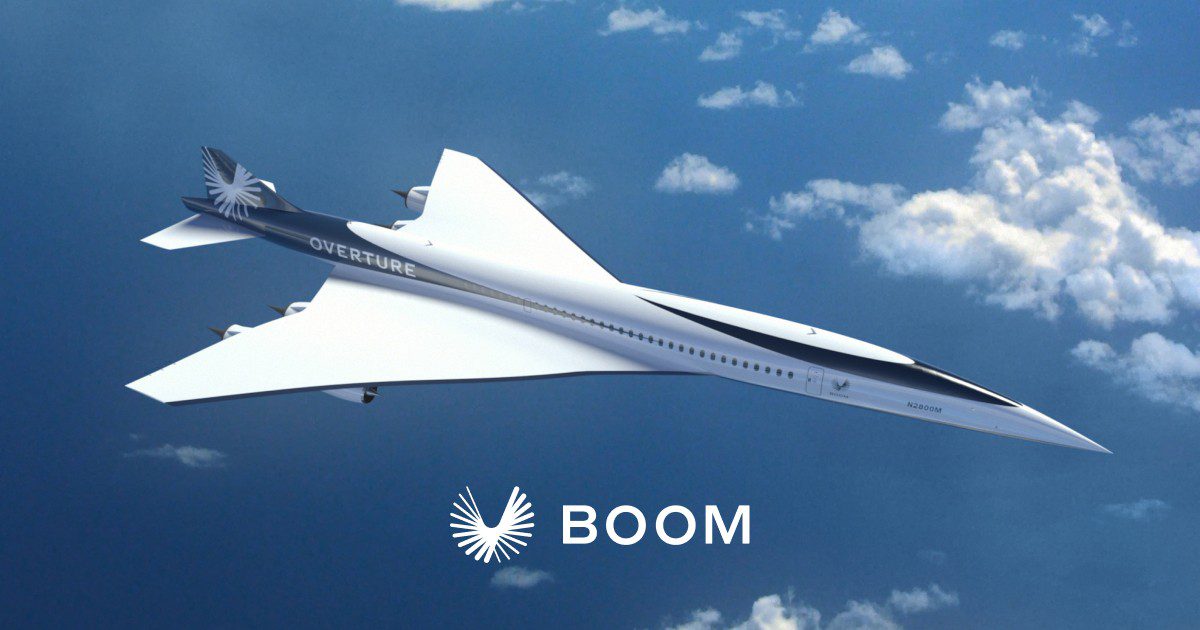
Boom Supersonic: XB-1 and Overture Explained

BOOM Supersonic

Updated October 2026. Boom Supersonic is developing a proposed passenger airliner called Overture. Its XB-1 aircraft is a technology demonstrator, not a 55-passenger scheduled airliner. Keeping those two projects distinct makes it easier to understand what has been demonstrated and what remains a development target.

Continue reading Boom Supersonic: XB-1 and Overture Explained
Posted on

American Eagle: Envoy, Piedmont and PSA

American Eagle is a regional airline brand used by more than one operating carrier. A passenger may book through American Airlines and board an aircraft flown by a separate airline. The relationship matters when identifying the crew, aircraft and operator of a flight.

Continue reading American Eagle: Envoy, Piedmont and PSA
Posted on

Airline Closures and Restructuring Since 2020

The pandemic severely disrupted airlines, but a canceled schedule, a closed base and a company’s permanent shutdown are different events. Some businesses continued flying during restructuring; others stopped trading. A list of airline failures needs to describe the event and date accurately instead of treating every financial headline as a closure.

Continue reading Airline Closures and Restructuring Since 2020
Posted on

Pilot Rest Rules and Fatigue Management

man sleeping beside a woman

Updated October 2026. Pilot rest rules protect time away from duty, but a legal roster and a well-rested pilot are not automatically the same thing. Sleep, circadian timing, time-zone changes and workload all affect fatigue. Understanding the distinction helps explain why an airline may need to delay a departure even when an aircraft is ready.

Continue reading Pilot Rest Rules and Fatigue Management
Posted on

Superheroes and Pilots: An Aviation Comparison

man standing beside of white and red airplane

A lighthearted aviation comparison. Superheroes and pilots both capture the imagination: the view from above, a dramatic departure and the idea of helping other people. The resemblance makes a fun conversation starter for aviation fans. Real flying, however, depends on training, teamwork and ordinary preparation rather than extraordinary powers.

Continue reading Superheroes and Pilots: An Aviation Comparison
Posted on

Life as a Flight Attendant: Safety and Travel

Flight Attendant

Flight attendants combine passenger service with safety responsibilities. The uniform and destinations are visible; preparation, emergency training and irregular hours are less obvious. Understanding both sides gives applicants a more realistic picture of the work.

Continue reading Life as a Flight Attendant: Safety and Travel
Posted on

Becoming an Airline Pilot in the United States

Airline Pilots walking outside

Becoming an airline pilot involves several qualifications and a substantial investment in training. The route varies with your background, training program and intended employer. This overview describes the United States; other countries have different licensing systems and airline entry pathways.

Continue reading Becoming an Airline Pilot in the United States
Posted on

Airport Codes: IATA, ICAO and FAA Explained

Airport Codes: IATA, ICAO and FAA Explained

Airport codes are shorthand identifiers, but there is more than one system. The three letters on a boarding pass serve a different purpose from the four-letter identifier used in many flight-planning documents. Knowing which system you are looking at prevents a common mix-up.

Continue reading Airport Codes: IATA, ICAO and FAA Explained