Posted on

Unlocking the Skies: The Tremendous Joys of Aircraft Ownership: 8 Reasons Why it’s a Huge Sense of Accomplishment

close up photography of fighter plane

The joys of aircraft ownership, Owning an aircraft can be one of the most rewarding experiences for anyone who loves aviation and the freedom that it provides. Whether you’re a seasoned pilot or a first-time aircraft owner, the joys of aircraft ownership are many and varied.

Freedom

One of the biggest advantages of owning an aircraft is the freedom and flexibility that it provides. With your own aircraft, you can fly to virtually any destination you choose, on your own schedule. Whether you’re traveling for business or pleasure, you’ll be able to get where you need to go quickly and efficiently, without the hassle and delays of commercial air travel. You won’t have to worry about waiting in long lines, dealing with TSA security checks, or dealing with flight delays and cancellations. You’ll have more control over your travel experience and the ability to make it as comfortable and enjoyable as possible.

Flexibility

One of the biggest benefits of owning your own aircraft is the flexibility it offers. You don’t have to worry about availability or scheduling conflicts, and you can plan your flights around your own schedule. This can be particularly beneficial for business travelers who need to conduct confidential meetings in-flight or for leisure travelers who want to explore new destinations on their own terms.

Accomplishment

Owning your own aircraft is a significant accomplishment that requires dedication, hard work, and a significant investment of time and money. It’s a goal that many aspiring pilots and aviation enthusiasts dream of achieving, but few actually do. Building or buying your own aircraft is a significant achievement, and flying it is a unique feeling that you can’t get from other forms of transportation. You’ll be able to show off your aircraft to friends and family, and share your love of aviation with others.

Perspective

In addition to the freedom and sense of accomplishment, owning an aircraft also allows you to experience the beauty of the world in a new way. From flying over majestic mountains to cruising above crystal-clear oceans, you’ll be able to see the world from a whole new perspective. You’ll also be able to take aerial photos and videos that will be treasured memories for years to come.

Community

The joy of aircraft ownership is the sense of community that it creates. Whether you’re part of a flying club or just have a group of friends who share your passion for aviation, owning an aircraft is a great way to connect with others who share your interests. You’ll be able to share tips and advice, and enjoy the camaraderie of other aircraft owners.

Personalization

One of the most exciting aspects of owning your own aircraft is the ability to customize it to fit your specific needs and preferences. This can include adding special equipment or making interior modifications. You can make your aircraft truly yours and stand out from the crowd.

Costs

Of course, owning an aircraft also comes with its own set of responsibilities and costs. Aircraft maintenance and insurance can be expensive, and it’s important to be aware of these costs before making a purchase. However, over time, owning your own aircraft can be more cost-effective than renting. You’ll save money on hourly rental fees and won’t have to pay for costly maintenance and repairs. Additionally, owning your own aircraft can offer significant tax benefits, including depreciation and deductions for business use. However, for many aircraft owners, the joys of aircraft ownership far outweigh the costs and responsibilities.

Investment

Lastly, owning your own aircraft is a great way to diversify your investment portfolio. It can appreciate in value over time and can be a wise financial decision.

Conclusion

In conclusion, owning an aircraft can be a truly rewarding experience for anyone who loves aviation. From the freedom and flexibility it provides to the sense of accomplishment and pride, the joys of aircraft ownership are many and varied. If you’re considering becoming an aircraft owner, be sure to weigh the costs and responsibilities carefully, but don’t let them deter you from pursuing your dream of aviation.

Posted on

Ever Wonder How Airplanes fly? Unleashing the Secrets of Flight: 5 Fascinating Facts on How Airplanes Defy Gravity

How airplanes fly

Wondering the reason of How airplanes fly? Aircraft are able to fly thanks to the principles of lift, weight, thrust, and drag.


Lift

Lift is the upward force that opposes the weight of the aircraft, which is the force of gravity pulling it downward. The lift is generated by the wings of the aircraft, which are designed to create a difference in air pressure above and below the wing. This difference in air pressure is known as Bernoulli’s principle, which states that as the speed of a fluid (in this case, air) increases, its pressure decreases. The wings of an aircraft are shaped to create a larger area of low pressure above the wing and a smaller area of high pressure below the wing, resulting in lift.

Weight

Weight is the force of gravity pulling an aircraft downward, and it is the opposing force to lift. In order for an aircraft to fly, it must generate enough lift to overcome its weight.

Weight is determined by the mass of an aircraft and the force of gravity acting upon it. The weight of an aircraft can be broken down into two categories: empty weight and gross weight. The empty weight is the weight of the aircraft when it is empty of all passengers, cargo, and fuel. The gross weight is the total weight of the aircraft, including all passengers, cargo, and fuel.

The weight of an aircraft plays a crucial role in its performance. A heavy aircraft will require more lift to overcome its weight, which means it will need more thrust and a greater angle of attack. This can affect the aircraft’s fuel efficiency, speed and range. On the other hand, a lightweight aircraft will require less lift to overcome its weight, which means it will need less thrust and a smaller angle of attack. This can result in improved fuel efficiency, speed and range.

The weight of an aircraft is also a key factor in determining its maximum takeoff weight and maximum landing weight. These limits are set by the aircraft manufacturer and must be adhered to by pilots to ensure the safety of the aircraft and its passengers

Thrust

Thrust is typically provided by the aircraft’s engines, which can be either propellers or jets. Propellers are a type of fan that generate thrust by pushing air backwards, while jet engines use a combustion process to generate thrust.

The amount of thrust an aircraft requires depends on several factors, including its weight, speed, and altitude. For example, during takeoff, an aircraft needs a large amount of thrust to overcome its weight and lift off the ground. As the aircraft climbs, the amount of thrust needed decreases as the aircraft’s weight decreases.

Pilots can control the amount of thrust generated by the engines by adjusting the engine’s power settings. They can also control the aircraft’s speed and altitude by adjusting the thrust. For example, to increase speed, the pilot can increase thrust, while to decrease speed, the pilot can decrease thrust again, how airplanes fly.

Drag

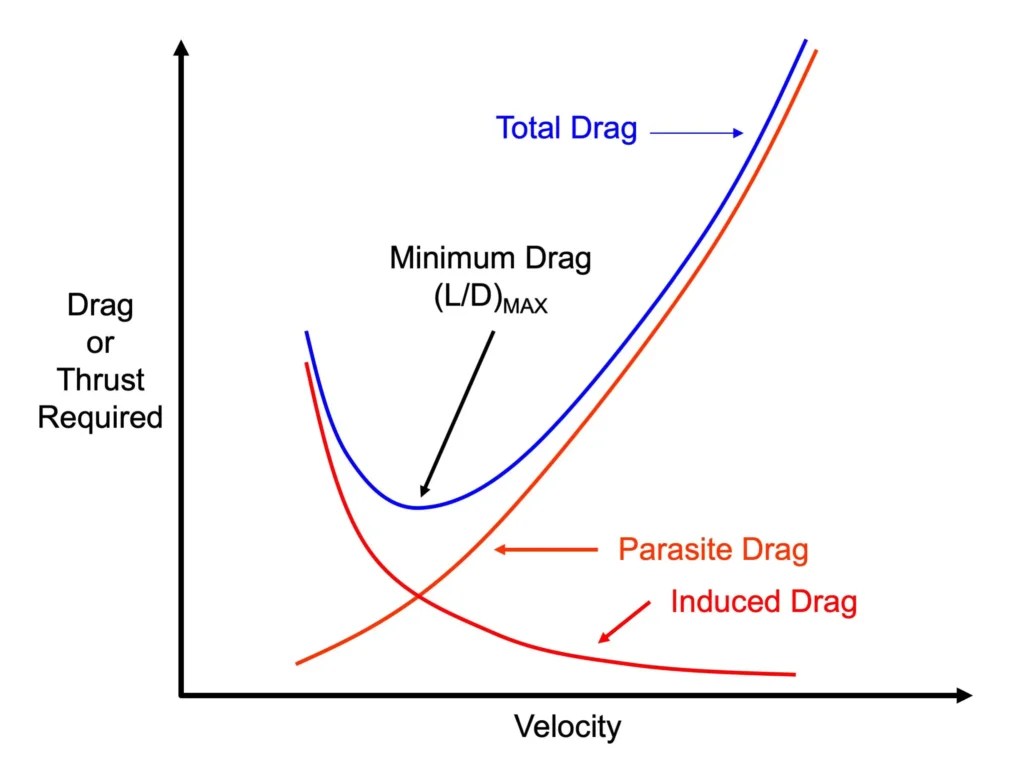
Drag is the resistance that opposes the forward motion of the aircraft. This is caused by the friction of the air molecules against the surface of the aircraft.

Drag is caused by the friction of the air molecules against the surface of the aircraft. As the aircraft moves through the air, the air molecules come into contact with the surface of the aircraft, which creates a resistance force. This resistance force is known as drag.

There are two main types of drag: parasitic drag and induced drag. Parasitic drag is caused by the friction of the air molecules against the surface of the aircraft. It is a result of the roughness, irregularity, and other imperfections of the surface of the aircraft. Induced drag is caused by the wing generating lift. As the wing generates lift, it also generates a vortex of turbulent air behind it, which creates a resistance force known as induced drag.

Pilots can reduce drag by using different techniques, such as streamlining the aircraft’s design, using smooth surfaces, and by increasing the speed of the aircraft.


How airplanes fly

To fly, an aircraft must generate enough lift to overcome its weight, and enough thrust to overcome drag. The pilot can control the aircraft’s altitude and speed by adjusting the thrust and the angle of attack of the wings. The angle of attack is the angle between the wing and the oncoming airflow. By increasing the angle of attack, the pilot can increase lift, allowing the aircraft to climb. By decreasing the angle of attack, the pilot can decrease lift, allowing the aircraft to descend.


Bernoulliโ€™s principle further explained

Bernoulli’s principle is a fundamental concept in fluid dynamics, which states that as the speed of a fluid increases, its pressure decreases. This principle is based on the fact that as a fluid (such as air or water) flows over a surface, its speed and pressure are affected in different ways.

When a fluid flows over a curved or angled surface, its speed increases. This increase in speed causes a decrease in pressure, as the molecules of the fluid are moving faster and colliding with the surface less frequently. This decrease in pressure is known as the low-pressure area.

On the other hand, when a fluid flows over a flat or straight surface, its speed decreases. This decrease in speed causes an increase in pressure, as the molecules of the fluid are moving slower and colliding with the surface more frequently. This increase in pressure is known as the high-pressure area.

Bernoulli’s principle is used to explain a wide range of phenomena, including the lift of an aircraft wing, the flow of water in a pipe, and the behavior of air in a wind tunnel. In aircraft, wing’s aerofoil shape is designed to create a greater speed of airflow over the upper surface, creating a lower pressure area above the wing, and a smaller speed of airflow under the wing, creating a higher pressure area beneath the wing. This difference in pressure generates the lift force that opposes the weight of the aircraft and keep it in the air.


Summary

In summary, How airplanes fly, the aircraft’s ability to fly is based on the four fundamental principles of lift, weight, thrust and drag. The pilot controls the aircraft’s altitude and speed by adjusting thrust, wing angle of attack and other flight control surfaces.

If you want the real reason, Unveiling the Truth: 10 Reasons Why Airplanes Really Fly Using Magic.

Posted on

Unleashing Laughter: Whiskey Tango Foxtrot – 1 Hilarious Way of Saying WTF

clear glass with brown liquid

Whiskey Tango Foxtrot, also known as WTF, is a military phonetic alphabet term used to express surprise or confusion. The term has become a common slang expression and has been adopted by popular culture in various forms of media. In this blog post, we will take a closer look at the origins of the term, its use in popular culture, and the different ways in which it is used today.

Phonetic Alphabet

The term “Whiskey Tango Foxtrot” is a part of the NATO phonetic alphabet, which is used by military and emergency services to clearly communicate letters and numbers over radio communication. The alphabet consists of 26 words, each of which represents a letter of the English alphabet. The term “Whiskey Tango Foxtrot” is used to represent the letters W, T, and F. It is commonly used to express surprise or confusion, often in the form of a question, such as “WTF?”

The term has been adopted by popular culture and is often used in casual conversation, text messages, and social media posts. It is used to express shock, disbelief, or frustration, and is often used as an exclamation or to express sarcasm. The term is also used as an acronym for “What The F***”, which is considered a profanity in some contexts.

Movie about Whiskey Tango Foxtrot

One of the most popular uses of the term “Whiskey Tango Foxtrot” is in the 2016 film of the same name, starring Tina Fey. The movie is a comedy-drama based on the memoir “The Taliban Shuffle” by Kim Barker, and tells the story of a journalist who is sent to Afghanistan to cover the war. The film explores the culture clash and the absurdity of the situation, and the term “Whiskey Tango Foxtrot” is used as a way to express the confusion and absurdity of the situation.

Gamers

The term is also used in the popular video game “Call of Duty: Modern Warfare”, where players take on the role of soldiers in a fictional war. In the game, players use the term “Whiskey Tango Foxtrot” to express surprise or confusion in the heat of battle.

Aviation

The term “Whiskey Tango Foxtrot” is also used in the field of aviation. Pilots use the term to express confusion or surprise, usually when something unexpected happens or when a situation deviates from the norm.

Conclusion

In conclusion, the term “Whiskey Tango Foxtrot” has a rich history and has been adopted by popular culture in various forms. It is a versatile expression that is often used to express surprise, confusion, and frustration. Its origins in the military phonetic alphabet and its usage in different fields like aviation, movies and video games makes it a term with a strong impact and cultural significance. The term continues to be used in various contexts and is likely to remain a popular slang expression for years to come.

Posted on

Unveiling the Truth: 10 Reasons Why Airplanes Really Fly Using Magic

Airplanes Fly Using Magic

Are you tired of hearing about the science behind how airplanes fly? Bored with explanations of lift and drag? Well, have no fear, because the truth is finally here: airplanes fly using magic.

Spell Casting

That’s right, folks. All this talk of Bernoulli’s principle and wing shape is just a cover-up for the real reason planes soar through the skies. The pilots, you see, are actually trained in the ancient art of spell-casting.

Rituals

But don’t just take our word for it. Next time you’re on a flight, pay attention to the pre-takeoff rituals. Notice how the pilots make strange hand gestures and mutter incantations under their breath. This is all part of the spell-casting process, ensuring that the plane will be blessed with the power of flight.

Curses

And what about those sudden turbulence disturbances? It’s not just Mother Nature acting up, it’s rival airlines casting curses on your flight in a desperate attempt to take you down. But fear not, as your own pilots are well-versed in counter-cursing techniques to keep you safe.

Magic

So next time you’re on a plane, don’t be fooled by the technical jargon. Remember Airplanes Fly Using Magic, it’s all just a clever disguise for the magic that truly keeps you in the air. And who knows, maybe you too can learn the secrets of flight magic and become a sorcerer of the skies.”


We will delve deeper into this, and how this ancient art has been kept a secret for centuries.

10 reasons why airplanes really fly using magic

  1. The pre-flight rituals: As mentioned earlier, pilots perform a series of hand gestures and incantations before takeoff. This is to invoke the powers of the elements and to ensure safe passage through the skies.
  2. The control panels: The buttons and levers in the cockpit are not just for controlling the plane’s altitude and speed. They are also used to channel the energy of the pilots’ spells and to direct the magic towards the engine.
  3. The design of airplanes: The shape of the wings and fuselage is not just for aerodynamics, it’s also to harness the power of the wind and harness it to lift the plane off the ground.
  4. The jet streams: Jet streams are not just caused by weather patterns, they are also created by the magic of the planes flying in the sky. Pilots use these streams to navigate and to increase the speed of the flight.
  5. The engine noise: The roar of the engines is not just from the combustion of fuel, it’s also the sound of the magic being unleashed.
  6. The turbulence: As previously mentioned, turbulence is not just caused by the weather, it’s also caused by rival airlines casting curses on your flight. But don’t worry, your pilots have counter-cursing techniques to keep you safe.
  7. The flight attendants: The flight attendants are not just there to serve drinks and snacks, they are also trained in basic magic to assist the pilots and to ensure the comfort of the passengers.
  8. The in-flight entertainment: The movies and music played on airplanes are not just for entertainment, they are also used to keep the passengers in a trance-like state and to prevent them from noticing the magic happening around them.
  9. The landing gear: The wheels of the plane are not just for landing, they are also used to channel the magic and to keep the plane grounded.
  10. The after-flight rituals: Pilots perform a series of hand gestures and incantations after landing to close off the spell and to thank the elements for a safe flight.

So next time you fly, pay attention to these details, and keep an open mind to the fact that the magic of flight is real. Who knows, you may even discover your own powers and become a sorcerer of the skies.


Let me explain the magic a little deeper

The “magic” mentioned in this satirical article is not meant to be taken literally. Airplanes Fly Using Magic. Really? It is a humorous way of describing the various aspects of flight and the technology behind it. Did we really have to mention that?

In reality, the principles of aerodynamics, propulsion, and navigation are what allow airplanes to fly. The shape of the wings, the thrust of the engines, and the pilot’s control of the aircraft are all critical factors in the process of flight. If you’d like to read more see our blog post Ever Wonder How Airplanes fly? Unleashing the Secrets of Flight: 5 Fascinating Facts on How Airplanes Defy Gravity

The idea that pilots perform secret rituals, cast spells, and use magic to make airplanes fly is not based in reality and should not be taken as fact. The article is intended to be a playful way of poking fun at the complexity and mystery that can sometimes surround the science of flight. Check out our other websites too.

Posted on

Fueling the fire: “Aviation Runs in Their Blood” – The Most Important thing for Passionate Aviators – 4 key factors

jet cloud landing aircraft

For many aviation runs in their blood, from pilots, plane spotters, mechanics, gate agents, FBO workers, ramp workers and more.

Aviation is not just a job or a hobby for some, it runs in their blood. For these individuals, the world of flight is a passion that cannot be denied. From the roar of the engines to the feeling of soaring through the skies, aviation is a way of life.

Childhood

For those with aviation in their blood, the love of flight begins at a young age. For these passionate aviators, the thrill of soaring through the skies is something that has always been a part of them. From childhood, they have been captivated by the sight of airplanes in the sky and the freedom that comes with flying. For these individuals, aviation is more than just a hobby or a career, it’s a way of life. They are driven by the desire to explore the world from above, to experience the beauty of the earth from a unique perspective and to push the limits of human flight. The passion for aviation runs deep in their veins, and it is something that will stay with them for a lifetime.

Passion

For some, the passion for aviation leads to a career in the industry. These individuals have a deep understanding and love for the intricacies of flight, and the desire to make a career out of it. They may become pilots, air traffic controllers, engineers, mechanics or any other of the many professions that make up the aviation industry. They have dedicated their lives to the pursuit of flight, always striving to learn more and improve their skills. The aviation industry offers a wide range of opportunities, from flying commercial jets to working on cutting-edge research projects. For these individuals, a career in aviation is not just a job, it’s a calling. They are driven by the desire to make a difference in the world, to push the boundaries of what’s possible and to be a part of something bigger than themselves.

Hobby

For others, aviation is a hobby and a way to escape the day-to-day grind. They spend their free time flying model airplanes, building replicas of their favorite aircraft, or even flying real planes as a hobby pilot. They attend airshows, plane spotting events, and other aviation-related gatherings, always eager to be around the aircraft and the people who love them.

For those with aviation in their blood, the love of flight extends beyond the practical aspects of flying. The history and technology of aviation also hold a deep interest. They study the early pioneers of flight, the development of the first airplanes, and the advancements in technology that have led to modern air travel. They are fascinated by the engineering and design of aircraft, and the aerodynamics that make flight possible.

Way of life

For some, aviation is not only a passion but also a way of life truly aviation runs in their blood. They have aviation-themed decor in their homes, wear aviation-themed clothing, and even name their children after famous airplanes or pilots. They are always looking for ways to incorporate their love of flight into every aspect of their lives.

Aviation is more than just a job or a hobby for those with it in their blood. It is a passion that cannot be denied. The love of flight is something that runs deep, and it is a part of who they are. For these individuals, the world of aviation is not something that can be turned off or put away, it is a way of life.

Conclusion: When aviation runs in their blood

In conclusion, having aviation runs in their blood and heart is a special thing. It is a passion that cannot be denied and it becomes a way of life. It is not just about flying, but it’s the love of the history, technology and the adrenaline rush that comes with flying. It’s something that those who have it in their blood will always cherish and continue to fuel their passion for aviation.

Posted on

Fly High in Style: Top 10 Aviation Related Clothing Picks for the Whole Family

photo of an aircraft

Aviation enthusiasts have long been drawn to the world of flight, and one way many express their passion is through aviation related clothing and items. Among the most popular items in this category are aviation t-shirts. These shirts come in a wide variety of designs, from vintage-inspired looks to modern and sleek styles. Whether you’re a pilot, a plane spotter, or simply someone who loves the thrill of flying, there’s a t-shirt out there for you.

Logos and Liveries

One of the most popular types of aviation t-shirts feature the logos and liveries of airlines. These shirts often feature the recognizable logos and color schemes of major airlines such as Delta, American, or United. Aviation related clothing can also feature the logos of smaller, regional airlines or even aircraft manufacturers such as Boeing or Airbus. These shirts are a great way for aviation enthusiasts to show their support for their favorite airline or aircraft.

Vintage or Retro

Another popular type of aviation t-shirt features vintage or retro designs. These shirts often feature classic aircraft from the early days of flight, such as the Douglas DC-3 or the Lockheed Constellation. They may also feature vintage airline logos or advertisements. These shirts are perfect for those who are interested in the history of aviation and want to pay homage to the early pioneers of flight.

Commercial to Military

Many aviation t-shirts also feature images of aircraft themselves. These shirts can feature anything from commercial airliners to military fighter jets, and can be a great way for enthusiasts to show off their favorite aircraft. These shirts can also feature images of popular airshows, such as the Blue Angels or the Thunderbirds. They are a great way to show off your love of aviation and the thrill of flight.

Quotes and Slogans

There are also aviation-themed t-shirts that feature quotes, slogans and mottos that are related to the world of flying. These shirts can feature famous quotes from pilots, aviation proverbs, and even aviation jokes. They are a great way to express one’s passion for aviation in a humorous way.

Family

In addition, there are also aviation-themed t-shirts and other aviation related clothing designed for women, children and babies. These shirts come in a wide variety of designs, and can be a great way for the whole family to show their love of aviation.

Conclusion

In conclusion, aviation t-shirts are a great way for aviation enthusiasts to show off their passion for flight. Whether you’re a pilot, a plane spotter, or simply someone who loves the thrill of flying, there’s a t-shirt out there for you. With so many different designs to choose from, there’s sure to be a shirt that’s perfect for you. So, next time you’re looking for a new aviation-themed shirt, remember to check out the wide variety of options available.

Posted on

Truly, I’d rather be flying – Wouldn’t you?

Flying Etiquette, I'd rather be flying

“I’d rather be flying” is a popular phrase that expresses the passion and joy of flying for many pilots, aviation enthusiasts, and anyone who has experienced the thrill of being in the air. In this blog post, we will explore the meaning of the phrase, the reasons why many people feel this way, and the different ways in which flying can be experienced.


Becoming a pilot

For pilots, the phrase “I’d rather be flying” expresses the love of flying and the freedom that it brings. Pilots spend countless hours training and studying to become proficient in the skills necessary to fly an aircraft. They also spend a significant amount of time preparing for flights, completing checklists, and monitoring weather conditions. But all of this effort is worth it when they’re in the air, soaring above the clouds and experiencing the unparalleled freedom of flight.


Aviation enthusiasts

For aviation enthusiasts, the phrase “I’d rather be flying” expresses the thrill and excitement of experiencing flight. Many aviation enthusiasts take flights as a hobby, whether it be flying in small single-engine aircraft or taking a ride in a commercial airliner. They also spend a lot of time at airports, watching planes take off and land, and talking with pilots and other aviation enthusiasts. The excitement of watching a plane take off or experiencing the sensation of flying is something that many aviation enthusiasts find hard to match.


The joy of flying

For those who have had the opportunity to fly, the phrase “I’d rather be flying” expresses the joy and wonder of being in the air. Whether you’re a seasoned pilot or a first-time passenger, the feeling of being in an aircraft and looking down at the world below is an experience that can’t be matched. From the beautiful views of the landscape to the sensation of weightlessness and the feeling of freedom, flying is an experience that can be truly life-changing.


Stressful world

For many people, the phrase “I’d rather be flying” represents a desire to escape the everyday stresses of life and experience something truly extraordinary. The world can be a stressful and overwhelming place, and the freedom and tranquility of flying can be a welcome escape. The sensation of flying can be a form of therapy, providing a sense of peace and tranquility that can be hard to find on the ground.

Dream

For some, the dream of flying is still just that, a dream. But for those who have the opportunity to experience flight, the phrase “I’d rather be flying” is a reminder of the joy and wonder that flying can bring. From solo flight lessons to sightseeing tours, there are many ways to experience the thrill of flight. Whether you’re a pilot, an aviation enthusiast, or someone who has always dreamed of flying, there is no denying the passion and joy that flying brings.

Conclusion

In conclusion, the phrase “I’d rather be flying” expresses the passion and joy that many pilots and aviation enthusiasts feel about flying. It represents the freedom, thrill, and wonder of being in the air. Whether you’re a seasoned pilot or a first-time passenger, flying is an experience that can be truly life-changing and it’s definitely worth the effort and time to experience the beauty and freedom of flying. Flying is not just a mode of transportation but an adventure and a passion for many, and the phrase “I’d rather be flying” encapsulates that spirit of adventure and passion.


Posted on

What is the ICAO Phonetic Alphabet?

crop blue eyed man with painted letters on face

The International Civil Aviation Organization (ICAO) phonetic alphabet is a standardized system of words used to represent letters and numbers in radio communications. This system is used by pilots, air traffic controllers, and other aviation professionals around the world to ensure clear and accurate communication in the air.

The ICAO phonetic alphabet

is composed of 26 words, each of which corresponds to a letter of the English alphabet. The words are chosen for their distinctiveness and ease of pronunciation, and are designed to be easily understood even in noisy or stressful situations. The words are as follows:

A – Alpha

B – Bravo

C – Charlie

D – Delta

E – Echo

F – Foxtrot

G – Golf

H – Hotel

I – India

J – Juliet

K – Kilo

L – Lima

M – Mike

N – November

O – Oscar

P – Papa

Q – Quebec

R – Romeo

S – Sierra

T – Tango

U – Uniform

V – Victor

W – Whiskey

X – X-ray

Y – Yankee

Z – Zulu

In addition to letters, the ICAO phonetic alphabet is also used to represent numbers. The words used to represent numbers are as follows:

0 – Zero

1 – One

2 – Two

3 – Three

4 – Four

5 – Five

6 – Six

7 – Seven

8 – Eight

9 – Nine

The ICAO phonetic alphabet is used in a variety of situations in the aviation industry. For example, pilots may use the phonetic alphabet to spell out the letters of their aircraft registration or the name of a destination airport. Air traffic controllers may use the phonetic alphabet to clarify the identity of an aircraft or to provide instructions to pilots.

One of the key benefits of the ICAO phonetic alphabet is that it helps to reduce confusion and misunderstandings in radio communications. By using standardized words to represent letters and numbers, pilots and air traffic controllers can be sure that their messages will be understood correctly. This is especially important in situations where there may be background noise or other distractions, such as during a flight in bad weather or at a busy airport.

Another benefit of the ICAO phonetic alphabet is that it is widely used around the world. This means that pilots and air traffic controllers from different countries can communicate with each other using the same system, which helps to ensure that there are no misunderstandings due to different languages or dialects.

In conclusion, the ICAO phonetic alphabet is a standardized system of words used to represent letters and numbers in radio communications. It is widely used in the aviation industry to ensure clear and accurate communication between pilots, air traffic controllers, and other professionals. The use of standardized words helps to reduce confusion and misunderstandings, and the system is used worldwide, which helps to ensure clear communication among aviation professionals from different countries.

Posted on

Motivated of becoming an Air Force Pilot

The fourth U.S. Air Force Top Gun Maverick

Becoming an Air Force pilot and Flying in the Air Force is a challenging and rewarding experience that requires a great deal of skill, discipline, and dedication. As one of the premier air forces in the world, the United States Air Force (USAF) is responsible for a wide range of missions, including air-to-air combat, air-to-ground attacks, reconnaissance, and transportation.

Step 1: Basic Training

The first step to becoming a pilot in the Air Force is to complete basic training, which typically includes physical conditioning and basic military skills. After completing basic training, aspiring pilots begin their flight training, which can take anywhere from six months to two years depending on the type of aircraft being flown.

Flight Training

One of the key elements of Air Force flight training is mastering the use of advanced technology and equipment, such as navigation systems, weapons systems, and communication systems. Air Force Pilot must also learn how to operate their aircraft in a variety of different conditions, including in combat situations, and must be able to respond quickly and effectively to changing situations.

Once flight training is completed, Air Force Pilots are assigned to operational units, where they will be responsible for flying and maintaining aircraft, as well as planning and executing missions. This can include air-to-air combat, air-to-ground attacks, reconnaissance, and transportation missions.

Deployment

Air Force pilots must also be prepared to deploy to different locations around the world and to operate in a variety of different environments, including in hostile or austere conditions. They must also be able to work effectively as part of a team, and must be able to communicate and coordinate with other members of their unit and with other units.

In addition to the technical and operational aspects of flying in the Air Force, pilots must also maintain a high level of physical and mental fitness. This includes regular exercise, good nutrition, and good sleep habits. Pilots must also be able to handle the stress of flying and of being in a combat environment.

Aircraft and Career Fields

The Air Force offers various career fields for pilots, including fighters, bombers, tankers, transport, special operations, and remotely piloted aircraft. Each career field offers unique opportunities and challenges. For example, fighter pilots are often engaged in air-to-air combat, while transport pilots are responsible for flying cargo and personnel to different locations around the world.

The Air Force also provides opportunities for continuing education and career advancement. Pilots may attend various professional military education courses and can also pursue advanced degrees in fields such as aerospace engineering and management.

Overall, flying in the Air Force is a demanding and challenging experience that requires a great deal of skill, discipline, and dedication. Those who choose to pursue a career as an Air Force pilot can expect to gain valuable skills and experiences that will serve them well throughout their lives. It is a unique opportunity to serve one’s country, to work with some of the most advanced technology available, and to be a part of a team that is dedicated to protecting the nation’s security and interests.

It’s also worth noting that the Air Force is constantly seeking for new technologies and ways to improve their aircrafts and operations. Pilots in the Air Force will have the opportunity to work with cutting-edge technologies and to be part of shaping the future of air power.

Conclusion

In conclusion, flying in the Air Force is a challenging and rewarding experience that offers the opportunity to serve one’s country, to work with some of the most advanced technology available, and to gain valuable skills and experiences that will serve one well throughout their life. It is a demanding and challenging experience that requires a great deal of skill, discipline, and dedication, but for those who are willing to put in the work, the rewards can be truly remarkable. Do you want to become an Air Force Pilot?

Posted on

Joining the Mile High Club can be a mistake is it worth it, at least 1 time?

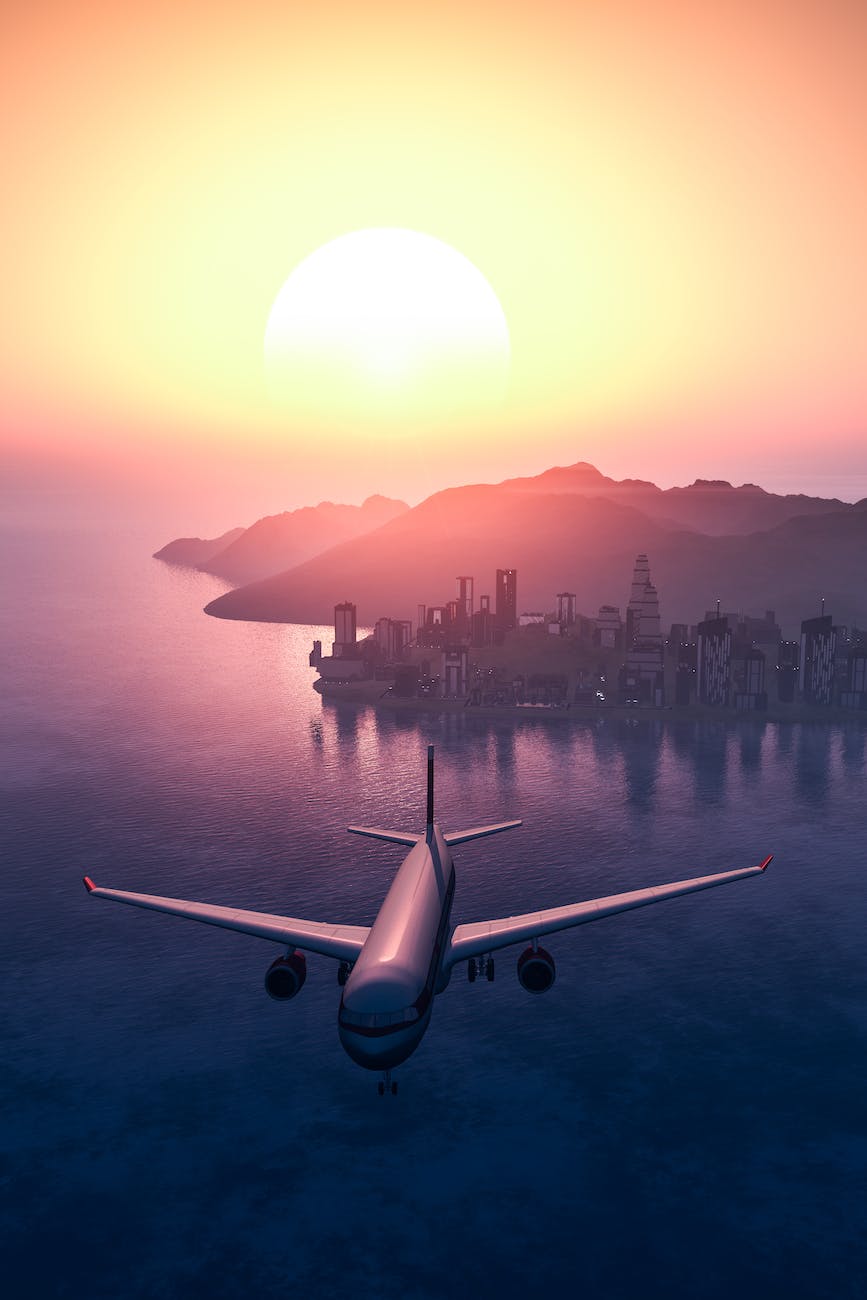
scenic view of sea against sky during sunset

The mile high club is a term that refers to people who have engaged in sexual activity while on board an aircraft at an altitude of at least 5,280 feet (one mile) above sea level. The term was coined in the early 20th century, around the same time that commercial air travel was becoming more popular. Since then, the idea of joining the mile high club has become something of a cultural phenomenon, with many people eager to add this experience to their list of sexual conquests.

Joining the Mile High Club isn’t for everyone

While the idea of joining the mile high club may seem exciting and adventurous to some, it is important to remember that engaging in sexual activity on an aircraft is illegal and can result in serious consequences. In the United States, for example, the Federal Aviation Administration (FAA) prohibits “acts of lewd, indecent, or obscene conduct” on board aircraft, and violators can face fines and even imprisonment. Many other countries have similar laws and penalties in place.

In addition to the legal risks, engaging in sexual activity on an aircraft can also be dangerous. Aircraft are cramped and crowded spaces, and it can be difficult to find a private place to engage in sexual activity. Furthermore, the cabin pressure and lack of oxygen at high altitudes can cause dizziness and disorientation, which can make it difficult to engage in sexual activity safely.

Despite the risks and legal consequences, many people are still drawn to the idea of joining the mile high club. Some people see it as a way to add excitement and adventure to their sex lives, while others may be motivated by a sense of rebellion or a desire to break the rules.

One way to join the mile high club without breaking the law is by booking a private jet or a charter flight. These flights can provide a more private and comfortable environment for sexual activity, and the rules and penalties for engaging in sexual activity on these flights may be different than on commercial flights. However, it’s still important to be aware of and adhere to any laws or regulations regarding sexual activity on private jets or charter flights.

Another way to join the mile high club is by engaging in sexual activity with a partner in your dreams or by using virtual reality technology. These methods are safe, legal and don’t come with any risks or consequences.

In conclusion, while the idea of joining the mile high club may seem exciting and adventurous, it is important to remember that engaging in sexual activity on an aircraft is illegal and can result in serious consequences. Additionally, the cramped and crowded spaces of an aircraft, as well as the cabin pressure and lack of oxygen at high altitudes, can make it dangerous to engage in sexual activity on an aircraft. Instead, consider booking a private jet or charter flight, or engaging in sexual activity with a partner in your dreams or using virtual reality technology.