Posted on

7 Essential V Speeds To Know Before Flying: A Comprehensive Guide

V Speeds airplaneTees 7 Essential V Speeds To Know Before Flying: A Comprehensive Guide 1

In aviation, V speeds are an essential part of aircraft operations and flight safety. But, what are V-speeds exactly? V-speeds are standardized airspeeds that have been assigned to various stages of flight and are used to ensure safe and efficient operation of an aircraft. For pilots, understanding and correctly using V-speeds is critical for successful and safe flights.

What Are V Speeds?

V speeds are airspeeds that are referenced during various stages of flight. They are typically indicated in knots, but can also be in Mach numbers or kilometers per hour. V speeds are also known as โ€œreference speeds,โ€ and are used as a point of reference for pilots during all phases of flight.

V-speeds are divided into two categories: airspeeds and power settings. Airspeed V-speeds are related to the motion of the aircraft and include speeds like Vne (never exceed speed), Vs (stalling speed), Vno (maximum structural cruising speed) and Vfe (maximum flap extended speed). Power setting V-speeds, on the other hand, are related to the operations of the aircraftโ€™s engines and include speeds like Vx (best angle of climb speed) and Vy (best rate of climb speed).

The Importance Of V Speeds

V speeds are critical for safe and efficient aircraft operations. During flight, pilots must be aware of their aircraftโ€™s airspeed and power settings in order to maintain control of the aircraft and remain within the parameters of the flight. If a pilot exceeds Vne, it can cause structural failure of the aircraft, while stalling can lead to loss of control and a crash.

Additionally, V speeds are important for flight performance. For instance, Vx is the speed at which the aircraft will climb at its most efficient angle, and Vy is the speed at which the aircraft will climb at its most efficient rate. Knowing and understanding these speeds can help pilots maximize the performance of their aircraft.

7 Essential V Speeds To Know

For pilots to ensure a successful and safe flight, itโ€™s important to understand the following seven essential V speeds:

Vso: Stalling Speed in the Landing Configuration.

This is the minimum speed at which the aircraft can maintain flight with the flaps and landing gear extended. As the aircraft descends to the ground, the airspeed must remain above Vso in order to avoid an aerodynamic stall, which can lead to a crash.

Vfe: Maximum Flap Extended Speed.

This is the maximum speed at which the aircraft can maintain flight with the flaps extended. Exceeding Vfe can cause damage to the wing flaps and lead to an aerodynamic stall.

Vno: Maximum Structural Cruising Speed.

This is the maximum speed at which the aircraft can maintain flight without causing structural damage. Exceeding Vno can cause the aircraft to break apart in flight.

Vne: Never Exceed Speed.

This is the absolute maximum speed at which the aircraft can maintain flight without causing structural damage. Exceeding Vne can cause the aircraft to break apart and should never be attempted.

Vx: Best Angle of Climb Speed.

This is the airspeed at which the aircraft will climb at its most efficient angle. Knowing this speed will allow pilots to optimize the climb performance of their aircraft.

Vy: Best Rate of Climb Speed.

This is the airspeed at which the aircraft will climb at its most efficient rate. Knowing this speed will allow pilots to optimize the climb performance of their aircraft.

Vref: Reference Landing Speed.

This is the airspeed that is used to calculate the landing distance of the aircraft. Knowing this speed will allow pilots to ensure they have enough runway to safely land the aircraft.

Conclusion

V-speeds are critical for safe and efficient operation of an aircraft. There are two types of V-speeds โ€“ airspeed V-speeds and power setting V-speeds โ€“ and they are used as a reference for pilots during flight. Knowing and understanding the seven essential V-speeds โ€“ Vso, Vfe, Vno, Vne, Vx, Vy and Vref โ€“ is essential for safe and successful flights. By understanding and using V-speeds correctly, pilots can ensure a safe and successful flight.

Posted on

Progressive and Exciting Pilotโ€™s Career Progression: A Step-by-Step Guide to Success with 8 Key Steps

NASA's modified Boeing 747 Shuttle

Pilotโ€™s Career Progression: Becoming a pilot is a dream for many, but the path to achieving that dream can be long and winding. Understanding the steps involved in pilot career progression is essential for anyone considering a career in the field. In this article, we will take a detailed look at the 8 key steps of pilot career progression and provide a step-by-step guide to help you achieve your goal of becoming a pilot.

Step 1: Obtain a Private Pilot’s License (PPL)

A Private Pilot’s License (PPL) is the first step in a pilot’s career progression. To obtain a PPL, an individual must complete a minimum of 40 hours of flight training, pass a practical exam, and obtain a medical certificate. The PPL allows an individual to fly an aircraft for pleasure, and to carry passengers and cargo on flights within a certain distance from the pilot’s home base. After receiving the PPL, an individual can begin working towards an instrument rating, which allows for greater flexibility in the types of flights that can be conducted.

Once an individual has obtained their PPL, they should begin to expand their knowledge and experience through additional flight training and certifications. This will include, taking additional courses such as Aviation Meteorology, and completing a Night Rating, Multi-Engine Rating, Instructor Rating, and other advanced certifications as required. The individual should also stay current with FAA regulations, updates, and procedures in order to remain a safe and competent pilot. Additionally, pilots should take advantage of career advancement opportunities such as internships and flight instructor positions. With the right combination of experience, knowledge, and training, a pilot can progress to the next level of their career.

Step 2: Obtain a Commercial Pilot’s License (CPL)

A Commercial Pilot’s License (CPL) is the next step in a pilot’s career progression. To obtain a CPL, an individual must have a minimum of 250 hours of flight experience, pass a practical exam, and obtain a medical certificate. With a CPL, an individual can get paid for their services, allowing them to pursue a career in aviation. To obtain a CPL, an individual should build their flight hours and experience through a combination of recreational flying and flight instruction. Additionally, they should obtain additional certifications such as an instrument rating and a multi-engine rating. With the right combination of experience, knowledge, and training, a pilot can progress to the next level of their career.

In addition to the requirements mentioned above, a CPL holder must also have a thorough understanding of air navigation, air traffic control procedures, and airspace regulations. They must also have a good working knowledge of aircraft systems, operations, and maintenance. Finally, a CPL holder must be able to demonstrate a high degree of proficiency in all aspects of flight operations. With the right combination of experience, knowledge, and training, a pilot can progress to the next level of their career.

Step 3: Gain Flight Experience

Gaining flight experience is an essential part of a pilot’s career progression. The more flight experience a pilot has, the more they will be able to progress in their career. Flight experience can be gained in various ways, such as through recreational flying, flight instruction, or working as a pilot for an airline or other aviation-related organization. By gaining flight experience, a pilot can build their confidence and proficiency in the aircraft, as well as develop their skills in navigation, communication, and aircraft systems. Additionally, gaining flight experience will give a pilot the opportunity to demonstrate their skills and knowledge in a professional environment, allowing them to progress in their career.

To gain flight experience, a pilot should take advantage of any available opportunities to fly, such as recreational flying, flight instruction, or working as a pilot for an airline or other aviation-related organization. Additionally, the pilot should participate in additional training and certifications to build their knowledge and experience. Finally, a pilot should stay up to date with aviation regulations, procedures, and trends, as this will help them to remain a safe and knowledgeable pilot. With the right combination of experience, knowledge, and training, a pilot can progress to the next level of their career.

Step 4: Apply to Fly for a Major Airline

Applying to fly for a major airline is the next step in a pilot’s career progression. The application process for a major airline typically includes submitting an online application, providing references, participating in an interview process, and taking a series of tests. The tests typically include an aptitude test, a computer-based simulation test, and a personality test. Additionally, the airline may require the applicant to have a certain amount of flight experience and certifications, as well as a valid medical certificate. With the right combination of experience, knowledge, and training, a pilot can progress to the next level of their career.

To apply to fly for a major airline, you will need an Airline Transport Pilot (ATP) license, which is the highest level of pilot’s license. To obtain an ATP, you will need to pass a written test, complete a minimum of 1,500 hours of flight time, and meet other requirements such as passing a flight test and passing a background check.

Before applying to fly for a major airline, an individual should ensure that they have the necessary qualifications and experience. This includes having the required number of flight hours, certifications, and a valid medical certificate. Additionally, an individual should research the airline and its requirements, to ensure that they are able to meet the standards set by the airline. Finally, an individual should prepare for their interview, tests, and simulations by studying the material provided by the airline. With the right combination of experience, knowledge, and training, a pilot can progress to the next level of their career.

Step 5: Consider Other Options

In addition to flying for a major airline, there are many other options available for a pilot’s career progression. These include flying for regional airlines, corporate aviation, agricultural aviation, air ambulance services, air charter operations, and other general aviation services. Each of these options has its own specific requirements and qualifications. It is important for a pilot to research these options, to ensure that they have the necessary experience and certifications to qualify. Additionally, a pilot should make sure that their resume is up to date and that they have a valid medical certificate. With the right combination of experience, knowledge, and training, a pilot can progress to the next level of their career.

Pilots should also consider working in other aviation-related fields such as air traffic control, aviation maintenance, aircraft operations, and air safety. These fields offer a variety of opportunities for career progression, and can provide valuable experience and insight into the aviation industry. Additionally, pilots may choose to pursue a career in aviation education, such as teaching at a flight school or university. Finally, pilots may choose to pursue a career in aviation management, such as an airport manager or airline operations manager. With the right combination of experience, knowledge, and training, a pilot can progress to the next level of their career.

Pilots should also take advantage of any available opportunities to gain additional experience and knowledge. This can include attending conferences, workshops, and seminars, as well as joining professional organizations and taking online courses. Additionally, pilots should stay up to date with aviation news, regulations, and trends. With the right combination of experience, knowledge, and training, a pilot can progress to the next level of their career.

Step 6: Specialize

Specializing in a specific type of flying can be a great way to progress in a pilot’s career. Pilots can specialize in cargo, international, or long-haul flights, which can lead to higher pay and more job opportunities. Additionally, pilots should take the time to familiarize themselves with the aircraft and operations associated with their chosen specialty. This may include obtaining additional certifications or attending additional training courses. By specializing, pilots can demonstrate their proficiency in a specific type of flying, which can lead to more job opportunities and career progression.

Additionally, pilots should take advantage of any available professional opportunities such as mentorship programs or networking events, as these can provide valuable experience and insight into the aviation industry. With the right combination of experience, knowledge, and training, a pilot can progress to the next level of their career.

Step 7: Keep Up with Training and Regulations

Keeping up with training and regulations is an important part of a pilot’s career progression. Pilots should take the time to research and familiarize themselves with the latest trends and regulations in the aviation industry. Additionally, they should make sure that their certifications and qualifications are up to date, and that they are current with their medical certification. Finally, pilots should participate in any available training and certification programs, as these will help them to stay up to date with the latest industry standards and regulations. With the right combination of experience, knowledge, and training, a pilot can progress to the next level of their career.

Step 8: Advancement

Opportunities As a pilot’s career progression gains more experience, they may be given the opportunity to move into management roles within the airline industry. This can include positions such as flight instructor, check airman, or chief pilot. Additionally, some pilots may choose to transition into other roles within the aviation industry such as aircraft maintenance, air traffic control, or airport management.

Conclusion

In conclusion, a pilot’s career progression is a progressive and exciting process that requires a significant amount of time, effort, and dedication. By understanding the 8 key steps involved in becoming a pilot and the requirements for each step, you can better plan your career path and achieve your dream of becoming a pilot.

More information

Interested in a bit more information. Here are a few URLs about pilot’s career progression:

  • The Federal Aviation Administration’s (FAA) website (www.faa.gov) has detailed information on the requirements for obtaining a private pilot’s license, commercial pilot’s license, and airline transport pilot license.
  • The Airline Pilots Association (www.alpa.org) is a professional organization for pilots and has a wealth of information on career development, training, and other resources for pilots.
  • The International Air Transport Association (www.iata.org) has information on the global airline industry, including job market trends and data on pilot shortages.
  • The Regional Airline Association (www.raa.org) is a trade organization for regional airlines in North America and has information on career opportunities and industry trends.
  • Flight schools and flight training centers also have information on pilot training and career opportunities, and can provide more specific information on the cost and duration of training, and the type of aircraft you will be trained on.
Posted on

Pilot Sleep: 7 Proven Techniques to Master the Art of Sleep Pattern Adjustment”

Pilot Sleep

Pilot sleep is a critical aspect of the demanding and unique job of being a pilot. Pilots have to change their sleep patterns constantly. They often have to work irregular hours, fly across multiple time zones, and deal with jet lag. As a result, they have to be able to adapt their pilot sleep patterns quickly to ensure they are well-rested and alert when flying. It’s a critical aspect for the safety of the passengers, crew and the aircraft itself.

A pilot’s ability to manage their sleep patterns and adapt to changing schedules is essential for the safety and success of each flight. Here are 7 proven techniques that pilots use to master the art of pilot sleep pattern adjustment:

1. Sleep Hygiene

Sleep Hygiene: Maintaining good sleep habits and routines is essential for pilots. This includes avoiding caffeine and alcohol close to bedtime, keeping the bedroom dark and quiet, and avoiding electronic devices before bed. By establishing good sleep hygiene, pilots can improve the quality of their pilot sleep. This can include maintaining a consistent sleep schedule, avoiding napping during the day, and ensuring that the sleeping environment is comfortable and conducive to sleep.

Additionally, avoiding stimulating activities, such as intense exercise or stressful work, close to bedtime can also help to improve the quality of sleep. By establishing a consistent bedtime routine and taking steps to create a comfortable and relaxing sleep environment, pilots can improve the quality of their pilot sleep and be better prepared for the demands of their job.

2. Light Therapy

Light Therapy: Pilots use light therapy to help reset their body clock when crossing time zones. This involves exposure to bright light at the appropriate time of day to help the body adjust to the new time zone. Light therapy is often used to simulate natural daylight and helps the body’s internal clock to adjust to the new time zone. Pilots can use a light box, a device that emits bright light, or natural sunlight to get the right level of light exposure.

Additionally, Pilots can also wear special glasses that block out the blue light that can suppress melatonin production during the evening. This can help them to fall asleep faster and sleep more soundly. By using light therapy to adjust to the new time zone, pilots can reduce the effects of jet lag and be better prepared for the demands of their job.

3. Controlled Rest

Controlled Rest: During long haul flights, pilots take turns to rest, in what is known as controlled rest, to avoid fatigue and ensure safety. This can include taking a nap or sleeping overnight on the plane to ensure they are well-rested before flying. Controlled rest is a structured way of allowing pilots to rest during long flights, and it is regulated by strict rules and procedures. It is essential to maintain safety and alertness during flight. The controlled rest schedule is designed to ensure that there is always an alert and well-rested pilot at the controls of the plane.

Pilots also use special equipment such as noise-cancelling headphones, eye masks, and comfortable sleeping suits, to create a more conducive environment for rest. By using controlled rest, pilots can ensure that they are well-rested and alert when flying, which is essential for safety.

4. Melatonin

Melatonin: Pilots also use melatonin, a hormone that helps regulate sleep, to help them fall asleep faster and stay asleep longer. Melatonin supplements can be taken in the evening to help pilots adjust to a new time zone or when they have to sleep during the day. Melatonin supplements can be particularly useful for pilots who have to fly across multiple time zones, as it can help to reset the body’s internal clock. Melatonin supplements can also help to reduce the effects of jet lag and improve the quality of pilot sleep. However, it’s important for pilots to consult with their physician before taking any supplements as it may interact with other medications.

Additionally, taking melatonin at the appropriate time, based on the body’s natural melatonin production schedule, can be more effective than taking it randomly. By using melatonin supplements, pilots can improve the quality of their pilot sleep and be better prepared for the demands of their job.

5. Sleep Banking

Sleep Banking: Pilots use a technique called “sleep banking” which means getting extra sleep before a flight to compensate for the sleep they will lose while flying. This can help them to stay alert and focused during the flight, and to recover more quickly from jet lag after they land. The idea behind sleep banking is that by getting extra sleep before a flight, pilots can “bank” extra sleep to use during the flight. This can help to reduce the effects of jet lag and improve the quality of pilot sleep.

Additionally, Pilots can also use this technique to prepare for irregular shifts or overnight flights. They can try to sleep a little longer than usual in the days leading up to the flight, to ensure that they are well-rested when they take off. By using sleep banking, pilots can ensure that they are well-rested and alert when flying, which is essential for safety.

6. Napping

Napping: Pilots often have to work irregular hours and fly across multiple time zones, which can make it difficult to maintain a consistent sleep schedule. Napping can be a useful tool for pilots to maintain their alertness and focus. Pilots can use controlled rest and scheduled naps during long-haul flights. A short nap of 20-30 minutes can help to refresh the mind and improve alertness. Pilots can also take a nap before a flight, especially if they have had a disturbed sleep schedule or if they know that they will be flying overnight.

Additionally, pilots can also use napping to help adjust to a new time zone. By taking a nap at the appropriate time, based on the body’s natural sleep schedule, pilots can reduce the effects of jet lag and improve the quality of their pilot sleep. By using napping as a tool, pilots can ensure that they are well-rested and alert when flying, which is essential for safety.

7. Mindfulness and Relaxation

Mindfulness and Relaxation: Pilots also practice mindfulness and relaxation techniques such as meditation, yoga, and deep breathing to help them fall asleep faster and stay asleep longer. These techniques can also help reduce stress and anxiety, which can improve the quality of their pilot sleep. Mindfulness and relaxation practices can help pilots to focus on the present moment, rather than worrying about future events or dwelling on past events. This can help them to relax and fall asleep faster, which can improve the quality of their pilot sleep. Yoga and stretching exercises can also be beneficial as they can help to relax the body and prepare it for sleep.

Additionally, deep breathing exercises can also be helpful as they can help to slow down the heart rate and relax the mind. By using mindfulness and relaxation techniques, pilots can improve the quality of their pilot sleep and be better prepared for the demands of their job.

Fatigue

It’s also important for pilots to be aware of the signs of fatigue and to take steps to address it. Pilots should pay attention to their bodies and be aware of any signs of drowsiness or decreased alertness. If they are feeling fatigued, they should take a break and rest, or consider adjusting their sleep schedule. It’s also important for pilots to be aware of the company’s fatigue management policies and to follow them.

Pilots should also be aware of the risks associated with fatigue, including decreased reaction time, impaired judgment, and increased risk of errors. By being aware of their own fatigue levels and taking steps to address it, pilots can ensure that they are well-rested and alert when flying, which is essential for safety.

Conclusion

In conclusion, pilots have to be skilled at adjusting their pilot sleep patterns quickly and effectively to ensure they are well-rested and alert when flying. By using a combination of sleep hygiene, light therapy, melatonin, sleep banking, napping, mindfulness and relaxation, pilots can effectively adapt to changing sleep patterns and deal with jet lag. Pilots refer to the Federal Aviation Regulations (FARs) for actual sleep requirements. This post is not meant for anything more than a general reference.

Posted on

Pilots and Video Games: How Gaming Can Help Pilots: 4 Surprising Benefits of Simulators in Flight Training

Pilots and video games have a unique relationship that has been explored for decades. Both pilots and video game players share a passion for flying and a desire to experience the thrill of being in the cockpit. However, the connection between these two groups goes beyond just a shared interest in aviation.

Video Games as training tools

Pilots have been using video games as a training tool for decades. Many flight simulators, including those used by commercial airlines, are incredibly realistic and provide an excellent training tool for pilots. These simulators can replicate the conditions of various types of aircraft, weather conditions, and emergency scenarios, allowing pilots to practice and perfect their skills without the risk of a real-life accident. Connecting Pilots and Video Games.

Inspiring future young aviators

Video games have also played a significant role in inspiring people to become pilots. Many pilots who fly today got their start flying on video games and simulators, and these experiences helped to spark their interest in aviation. Some pilots even credit video games with giving them the knowledge and skills they needed to pass the rigorous training required to become a pilot.

De-stress

But it’s not just about the future pilots, video games also can be a great way for current pilots to relax and unwind after a long flight. Many pilots enjoy playing flight simulators and other aviation-themed video games as a way to de-stress and enjoy their passion for flying in a more leisurely way.

Not all are created equal

However, it’s also important to note that not all video games are created equal when it comes to their usefulness as a training tool for pilots. Many flight simulators on the market are not very realistic and do not accurately replicate the conditions of a real-life flight. Pilots should be careful when using video games as a training tool and should always use them in conjunction with other forms of training, such as classroom instruction and hands-on practice.

Conclusion

In conclusion, pilots and video games have a unique relationship that is both beneficial and enjoyable. Pilots can use video games as a training tool to perfect their skills, while video games can inspire people to become pilots and provide current pilots with a way to relax and unwind after a long flight. However, it’s important to use video games responsibly and in conjunction with other forms of training to ensure that pilots are well-prepared for the real-world challenges of flying.

Posted on

Elevating Your Experience: Unlocking the True Value of Airplane Mode: 4 Surprising Benefits You Never Knew

silhouette photography of an airplane flying

Airplane mode is a feature found on most smartphones, tablets, and laptops that allows you to disable all wireless communications on your device while in flight. When airplane mode is activated, your device will no longer be able to make or receive phone calls, send or receive text messages, or connect to the internet.

Main benefits of airplane mode

One of the main benefits of airplane mode is that it allows you to use your device during a flight without interfering with the airplane’s communication systems. Many commercial airlines require passengers to turn off their electronic devices during takeoff and landing, but with airplane mode, you can still use your device to play games, watch movies, or read books without disrupting the flight.

Battery life

Another benefit of airplane mode is that it can help to conserve your device’s battery life. When airplane mode is activated, your device will no longer be searching for a cellular or Wi-Fi connection, which can drain your battery quickly. This is especially useful when you’re on a long flight and don’t want your device to die before you land.

Airplane mode can also be useful when you’re traveling in an area with poor or no cellular service. By activating airplane mode, you can still use your device’s other features, such as GPS and music playback, without using up your data or incurring international roaming charges.

Disconnect and relax

In addition to its practical uses, airplane mode can also be a great way to disconnect and relax while traveling. With all the distractions of social media, emails, and text messages removed, you can enjoy your flight and the company of your traveling companions without being constantly interrupted.

Confusing for some

It’s worth noting that while Airplane mode is a great feature, it can also be confusing for some people. Not all the features of a device are disabled when Airplane mode is on, it depends on the device. For example, on some laptops, the feature might not allow you to use the Bluetooth function or the Wi-Fi function. It’s always a good idea to check the device’s manual or do some research before your flight to know what to expect.

Conclusion

In conclusion, airplane mode is a useful feature that can help you use your device during a flight, conserve battery life, and avoid data and roaming charges while traveling. It’s also a great way to disconnect and relax while on the go. Remember to check the device’s manual or do some research before your flight to know what to expect when using Airplane mode.

Posted on

Unlocking the Skies: The Tremendous Joys of Aircraft Ownership: 8 Reasons Why it’s a Huge Sense of Accomplishment

close up photography of fighter plane

The joys of aircraft ownership, Owning an aircraft can be one of the most rewarding experiences for anyone who loves aviation and the freedom that it provides. Whether you’re a seasoned pilot or a first-time aircraft owner, the joys of aircraft ownership are many and varied.

Freedom

One of the biggest advantages of owning an aircraft is the freedom and flexibility that it provides. With your own aircraft, you can fly to virtually any destination you choose, on your own schedule. Whether you’re traveling for business or pleasure, you’ll be able to get where you need to go quickly and efficiently, without the hassle and delays of commercial air travel. You won’t have to worry about waiting in long lines, dealing with TSA security checks, or dealing with flight delays and cancellations. You’ll have more control over your travel experience and the ability to make it as comfortable and enjoyable as possible.

Flexibility

One of the biggest benefits of owning your own aircraft is the flexibility it offers. You don’t have to worry about availability or scheduling conflicts, and you can plan your flights around your own schedule. This can be particularly beneficial for business travelers who need to conduct confidential meetings in-flight or for leisure travelers who want to explore new destinations on their own terms.

Accomplishment

Owning your own aircraft is a significant accomplishment that requires dedication, hard work, and a significant investment of time and money. It’s a goal that many aspiring pilots and aviation enthusiasts dream of achieving, but few actually do. Building or buying your own aircraft is a significant achievement, and flying it is a unique feeling that you can’t get from other forms of transportation. You’ll be able to show off your aircraft to friends and family, and share your love of aviation with others.

Perspective

In addition to the freedom and sense of accomplishment, owning an aircraft also allows you to experience the beauty of the world in a new way. From flying over majestic mountains to cruising above crystal-clear oceans, you’ll be able to see the world from a whole new perspective. You’ll also be able to take aerial photos and videos that will be treasured memories for years to come.

Community

The joy of aircraft ownership is the sense of community that it creates. Whether you’re part of a flying club or just have a group of friends who share your passion for aviation, owning an aircraft is a great way to connect with others who share your interests. You’ll be able to share tips and advice, and enjoy the camaraderie of other aircraft owners.

Personalization

One of the most exciting aspects of owning your own aircraft is the ability to customize it to fit your specific needs and preferences. This can include adding special equipment or making interior modifications. You can make your aircraft truly yours and stand out from the crowd.

Costs

Of course, owning an aircraft also comes with its own set of responsibilities and costs. Aircraft maintenance and insurance can be expensive, and it’s important to be aware of these costs before making a purchase. However, over time, owning your own aircraft can be more cost-effective than renting. You’ll save money on hourly rental fees and won’t have to pay for costly maintenance and repairs. Additionally, owning your own aircraft can offer significant tax benefits, including depreciation and deductions for business use. However, for many aircraft owners, the joys of aircraft ownership far outweigh the costs and responsibilities.

Investment

Lastly, owning your own aircraft is a great way to diversify your investment portfolio. It can appreciate in value over time and can be a wise financial decision.

Conclusion

In conclusion, owning an aircraft can be a truly rewarding experience for anyone who loves aviation. From the freedom and flexibility it provides to the sense of accomplishment and pride, the joys of aircraft ownership are many and varied. If you’re considering becoming an aircraft owner, be sure to weigh the costs and responsibilities carefully, but don’t let them deter you from pursuing your dream of aviation.

Posted on

Ever Wonder How Airplanes fly? Unleashing the Secrets of Flight: 5 Fascinating Facts on How Airplanes Defy Gravity

How airplanes fly

Wondering the reason of How airplanes fly? Aircraft are able to fly thanks to the principles of lift, weight, thrust, and drag.


Lift

Lift is the upward force that opposes the weight of the aircraft, which is the force of gravity pulling it downward. The lift is generated by the wings of the aircraft, which are designed to create a difference in air pressure above and below the wing. This difference in air pressure is known as Bernoulli’s principle, which states that as the speed of a fluid (in this case, air) increases, its pressure decreases. The wings of an aircraft are shaped to create a larger area of low pressure above the wing and a smaller area of high pressure below the wing, resulting in lift.

Weight

Weight is the force of gravity pulling an aircraft downward, and it is the opposing force to lift. In order for an aircraft to fly, it must generate enough lift to overcome its weight.

Weight is determined by the mass of an aircraft and the force of gravity acting upon it. The weight of an aircraft can be broken down into two categories: empty weight and gross weight. The empty weight is the weight of the aircraft when it is empty of all passengers, cargo, and fuel. The gross weight is the total weight of the aircraft, including all passengers, cargo, and fuel.

The weight of an aircraft plays a crucial role in its performance. A heavy aircraft will require more lift to overcome its weight, which means it will need more thrust and a greater angle of attack. This can affect the aircraft’s fuel efficiency, speed and range. On the other hand, a lightweight aircraft will require less lift to overcome its weight, which means it will need less thrust and a smaller angle of attack. This can result in improved fuel efficiency, speed and range.

The weight of an aircraft is also a key factor in determining its maximum takeoff weight and maximum landing weight. These limits are set by the aircraft manufacturer and must be adhered to by pilots to ensure the safety of the aircraft and its passengers

Thrust

Thrust is typically provided by the aircraft’s engines, which can be either propellers or jets. Propellers are a type of fan that generate thrust by pushing air backwards, while jet engines use a combustion process to generate thrust.

The amount of thrust an aircraft requires depends on several factors, including its weight, speed, and altitude. For example, during takeoff, an aircraft needs a large amount of thrust to overcome its weight and lift off the ground. As the aircraft climbs, the amount of thrust needed decreases as the aircraft’s weight decreases.

Pilots can control the amount of thrust generated by the engines by adjusting the engine’s power settings. They can also control the aircraft’s speed and altitude by adjusting the thrust. For example, to increase speed, the pilot can increase thrust, while to decrease speed, the pilot can decrease thrust again, how airplanes fly.

Drag

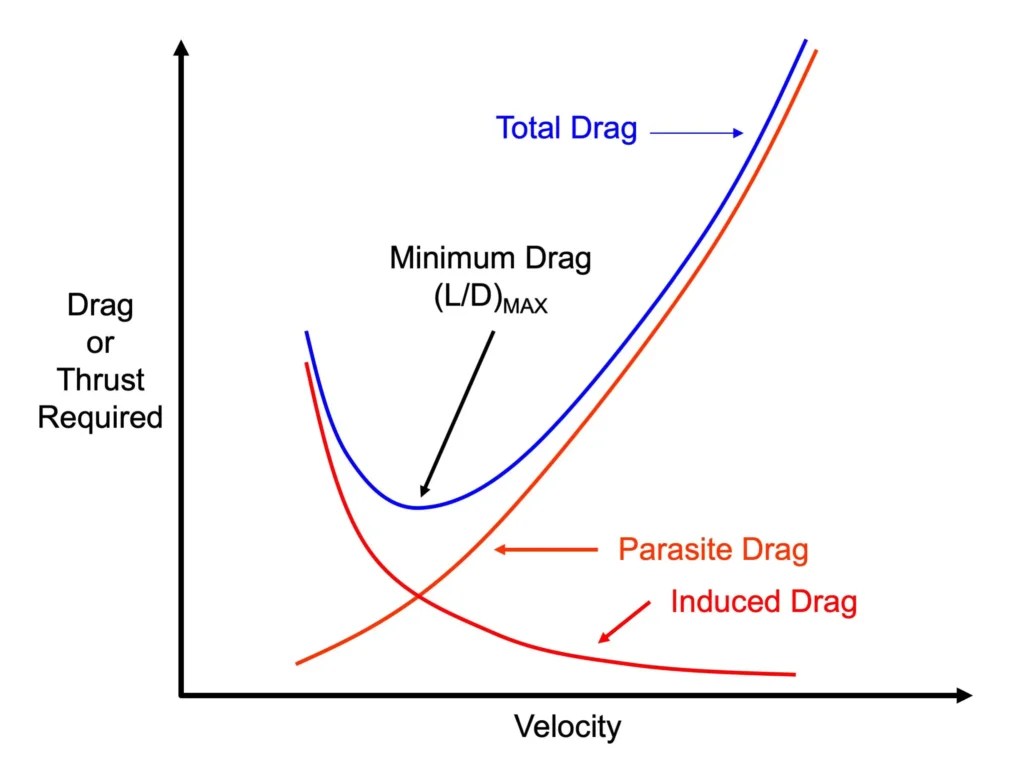
Drag is the resistance that opposes the forward motion of the aircraft. This is caused by the friction of the air molecules against the surface of the aircraft.

Drag is caused by the friction of the air molecules against the surface of the aircraft. As the aircraft moves through the air, the air molecules come into contact with the surface of the aircraft, which creates a resistance force. This resistance force is known as drag.

There are two main types of drag: parasitic drag and induced drag. Parasitic drag is caused by the friction of the air molecules against the surface of the aircraft. It is a result of the roughness, irregularity, and other imperfections of the surface of the aircraft. Induced drag is caused by the wing generating lift. As the wing generates lift, it also generates a vortex of turbulent air behind it, which creates a resistance force known as induced drag.

Pilots can reduce drag by using different techniques, such as streamlining the aircraft’s design, using smooth surfaces, and by increasing the speed of the aircraft.


How airplanes fly

To fly, an aircraft must generate enough lift to overcome its weight, and enough thrust to overcome drag. The pilot can control the aircraft’s altitude and speed by adjusting the thrust and the angle of attack of the wings. The angle of attack is the angle between the wing and the oncoming airflow. By increasing the angle of attack, the pilot can increase lift, allowing the aircraft to climb. By decreasing the angle of attack, the pilot can decrease lift, allowing the aircraft to descend.


Bernoulliโ€™s principle further explained

Bernoulli’s principle is a fundamental concept in fluid dynamics, which states that as the speed of a fluid increases, its pressure decreases. This principle is based on the fact that as a fluid (such as air or water) flows over a surface, its speed and pressure are affected in different ways.

When a fluid flows over a curved or angled surface, its speed increases. This increase in speed causes a decrease in pressure, as the molecules of the fluid are moving faster and colliding with the surface less frequently. This decrease in pressure is known as the low-pressure area.

On the other hand, when a fluid flows over a flat or straight surface, its speed decreases. This decrease in speed causes an increase in pressure, as the molecules of the fluid are moving slower and colliding with the surface more frequently. This increase in pressure is known as the high-pressure area.

Bernoulli’s principle is used to explain a wide range of phenomena, including the lift of an aircraft wing, the flow of water in a pipe, and the behavior of air in a wind tunnel. In aircraft, wing’s aerofoil shape is designed to create a greater speed of airflow over the upper surface, creating a lower pressure area above the wing, and a smaller speed of airflow under the wing, creating a higher pressure area beneath the wing. This difference in pressure generates the lift force that opposes the weight of the aircraft and keep it in the air.


Summary

In summary, How airplanes fly, the aircraft’s ability to fly is based on the four fundamental principles of lift, weight, thrust and drag. The pilot controls the aircraft’s altitude and speed by adjusting thrust, wing angle of attack and other flight control surfaces.

If you want the real reason, Unveiling the Truth: 10 Reasons Why Airplanes Really Fly Using Magic.

Posted on

Fueling the fire: “Aviation Runs in Their Blood” – The Most Important thing for Passionate Aviators – 4 key factors

jet cloud landing aircraft

For many aviation runs in their blood, from pilots, plane spotters, mechanics, gate agents, FBO workers, ramp workers and more.

Aviation is not just a job or a hobby for some, it runs in their blood. For these individuals, the world of flight is a passion that cannot be denied. From the roar of the engines to the feeling of soaring through the skies, aviation is a way of life.

Childhood

For those with aviation in their blood, the love of flight begins at a young age. For these passionate aviators, the thrill of soaring through the skies is something that has always been a part of them. From childhood, they have been captivated by the sight of airplanes in the sky and the freedom that comes with flying. For these individuals, aviation is more than just a hobby or a career, it’s a way of life. They are driven by the desire to explore the world from above, to experience the beauty of the earth from a unique perspective and to push the limits of human flight. The passion for aviation runs deep in their veins, and it is something that will stay with them for a lifetime.

Passion

For some, the passion for aviation leads to a career in the industry. These individuals have a deep understanding and love for the intricacies of flight, and the desire to make a career out of it. They may become pilots, air traffic controllers, engineers, mechanics or any other of the many professions that make up the aviation industry. They have dedicated their lives to the pursuit of flight, always striving to learn more and improve their skills. The aviation industry offers a wide range of opportunities, from flying commercial jets to working on cutting-edge research projects. For these individuals, a career in aviation is not just a job, it’s a calling. They are driven by the desire to make a difference in the world, to push the boundaries of what’s possible and to be a part of something bigger than themselves.

Hobby

For others, aviation is a hobby and a way to escape the day-to-day grind. They spend their free time flying model airplanes, building replicas of their favorite aircraft, or even flying real planes as a hobby pilot. They attend airshows, plane spotting events, and other aviation-related gatherings, always eager to be around the aircraft and the people who love them.

For those with aviation in their blood, the love of flight extends beyond the practical aspects of flying. The history and technology of aviation also hold a deep interest. They study the early pioneers of flight, the development of the first airplanes, and the advancements in technology that have led to modern air travel. They are fascinated by the engineering and design of aircraft, and the aerodynamics that make flight possible.

Way of life

For some, aviation is not only a passion but also a way of life truly aviation runs in their blood. They have aviation-themed decor in their homes, wear aviation-themed clothing, and even name their children after famous airplanes or pilots. They are always looking for ways to incorporate their love of flight into every aspect of their lives.

Aviation is more than just a job or a hobby for those with it in their blood. It is a passion that cannot be denied. The love of flight is something that runs deep, and it is a part of who they are. For these individuals, the world of aviation is not something that can be turned off or put away, it is a way of life.

Conclusion: When aviation runs in their blood

In conclusion, having aviation runs in their blood and heart is a special thing. It is a passion that cannot be denied and it becomes a way of life. It is not just about flying, but it’s the love of the history, technology and the adrenaline rush that comes with flying. It’s something that those who have it in their blood will always cherish and continue to fuel their passion for aviation.

Posted on

Motivated of becoming an Air Force Pilot

The fourth U.S. Air Force Top Gun Maverick

Becoming an Air Force pilot and Flying in the Air Force is a challenging and rewarding experience that requires a great deal of skill, discipline, and dedication. As one of the premier air forces in the world, the United States Air Force (USAF) is responsible for a wide range of missions, including air-to-air combat, air-to-ground attacks, reconnaissance, and transportation.

Step 1: Basic Training

The first step to becoming a pilot in the Air Force is to complete basic training, which typically includes physical conditioning and basic military skills. After completing basic training, aspiring pilots begin their flight training, which can take anywhere from six months to two years depending on the type of aircraft being flown.

Flight Training

One of the key elements of Air Force flight training is mastering the use of advanced technology and equipment, such as navigation systems, weapons systems, and communication systems. Air Force Pilot must also learn how to operate their aircraft in a variety of different conditions, including in combat situations, and must be able to respond quickly and effectively to changing situations.

Once flight training is completed, Air Force Pilots are assigned to operational units, where they will be responsible for flying and maintaining aircraft, as well as planning and executing missions. This can include air-to-air combat, air-to-ground attacks, reconnaissance, and transportation missions.

Deployment

Air Force pilots must also be prepared to deploy to different locations around the world and to operate in a variety of different environments, including in hostile or austere conditions. They must also be able to work effectively as part of a team, and must be able to communicate and coordinate with other members of their unit and with other units.

In addition to the technical and operational aspects of flying in the Air Force, pilots must also maintain a high level of physical and mental fitness. This includes regular exercise, good nutrition, and good sleep habits. Pilots must also be able to handle the stress of flying and of being in a combat environment.

Aircraft and Career Fields

The Air Force offers various career fields for pilots, including fighters, bombers, tankers, transport, special operations, and remotely piloted aircraft. Each career field offers unique opportunities and challenges. For example, fighter pilots are often engaged in air-to-air combat, while transport pilots are responsible for flying cargo and personnel to different locations around the world.

The Air Force also provides opportunities for continuing education and career advancement. Pilots may attend various professional military education courses and can also pursue advanced degrees in fields such as aerospace engineering and management.

Overall, flying in the Air Force is a demanding and challenging experience that requires a great deal of skill, discipline, and dedication. Those who choose to pursue a career as an Air Force pilot can expect to gain valuable skills and experiences that will serve them well throughout their lives. It is a unique opportunity to serve one’s country, to work with some of the most advanced technology available, and to be a part of a team that is dedicated to protecting the nation’s security and interests.

It’s also worth noting that the Air Force is constantly seeking for new technologies and ways to improve their aircrafts and operations. Pilots in the Air Force will have the opportunity to work with cutting-edge technologies and to be part of shaping the future of air power.

Conclusion

In conclusion, flying in the Air Force is a challenging and rewarding experience that offers the opportunity to serve one’s country, to work with some of the most advanced technology available, and to gain valuable skills and experiences that will serve one well throughout their life. It is a demanding and challenging experience that requires a great deal of skill, discipline, and dedication, but for those who are willing to put in the work, the rewards can be truly remarkable. Do you want to become an Air Force Pilot?

Posted on

Pilots of the Caribbean: The Brazen unsung heroes of the skies

Pilots of the Caribbean black and white propeller

Pilots of the Caribbean: The Brazen unsung heroes of the skies

Caribbean

When we think of the Caribbean, images of crystal clear waters, white sandy beaches, and lush tropical landscapes come to mind. But there is another aspect of the Caribbean that often goes unnoticed: the pilots who keep the region connected. These men and women are the unsung heroes of the skies, flying through some of the most challenging and unpredictable weather conditions in the world to ensure that travelers, goods, and essential supplies reach their destinations safely.

The Caribbean is home to a diverse group of islands and countries, each with its own unique culture and history. However, one thing that they all share is the importance of air travel. The Caribbean is a popular tourist destination, with millions of visitors each year, and air travel is the primary mode of transportation for both tourists and locals. The region is also home to a significant number of small islands that are only accessible by air, making air travel even more critical.

One of the most famous and popular destinations in the Caribbean is the island of Jamaica. Jamaica is known for its beautiful beaches, lush rainforests, and delicious cuisine. The island is also famous for being the birthplace of reggae music and the home of Bob Marley. Visitors to Jamaica can enjoy a variety of activities such as hiking in the Blue Mountains, visiting the Bob Marley Museum, and relaxing on the beaches of Montego Bay.

Another popular Caribbean destination is the island of Barbados. Barbados is known for its beautiful beaches, crystal-clear waters, and lively nightlife. Visitors to Barbados can enjoy a variety of activities such as swimming with turtles, snorkeling, and exploring the historic capital of Bridgetown.

The island of the Dominican Republic is also a popular Caribbean destination. This island is known for its beautiful beaches, lush rainforests, and vibrant culture. Visitors to the Dominican Republic can enjoy a variety of activities such as visiting the historic city of Santo Domingo, hiking in the Pico Duarte, and exploring the many caves and waterfalls in the region.

The Caribbean is also home to many other beautiful islands, such as the Bahamas, the Virgin Islands, and the Cayman Islands. Each island has its own unique culture, history, and attractions. Visitors can enjoy a variety of activities such as swimming with dolphins, exploring the coral reefs, and learning about the history of the region.

Storms and Navigation

Pilots operating in the Caribbean face a number of unique challenges. The region is known for its tropical storms and hurricanes, which can disrupt flights and damage airports and other infrastructure. In addition, many Caribbean airports have shorter runways and less advanced navigation equipment than airports in more developed regions, making takeoffs and landings more challenging. Additionally, the Caribbean is known for its mountainous terrain, which can make flying difficult, especially for smaller planes.

Despite these challenges, pilots of the Caribbean are highly skilled and experienced, and they take great pride in ensuring that their flights are safe and on time. They are often called upon to fly in difficult conditions, including low visibility and high winds, and they are always ready to adapt and improvise to ensure the safety of their passengers and cargo.

Personality

In addition to their flying skills, pilots of the Caribbean are known for their friendly and welcoming personalities. They are often the first point of contact for tourists arriving in the region, and they are happy to share their knowledge and passion for the Caribbean with their passengers. They are also deeply connected to the communities they serve and are always ready to lend a helping hand in times of need.

Conclusion

In conclusion, pilots of the Caribbean are an essential part of the region’s transportation infrastructure and play a vital role in keeping the Caribbean connected. Their skills, experience, and dedication to safety make them true heroes of the skies. They are often unsung heroes but deserve recognition for the important work they do, connecting people and goods, and for the friendly and welcoming service they provide to all travelers visiting Caribbean.