Posted on

10 Epic Worldwide Surfing Spots for Colossal Wave Chasers: Explore the perfect Surfing Adventures

Free man surfing on sea

Worldwide Surfing Spots offer some of the best surfing locations, colossal waves, massive waves, epic surf spots and the best surfing adventures! Surfing is not only a popular sport, but it’s also a way of life for many. The thrill of riding a wave and the adrenaline rush it brings has drawn people from all over the world to the coast. And while many surfing hotspots are well-known, there are some locations that are renowned for their massive waves that draw surfers and spectators alike.

Here are ten of the best spots in the world to catch some colossal waves, either as a surfer or as a spectator.

Waimea Bay, Hawaii

Waimea Bay is a legendary surfing spot located on the North Shore of Oahu, Hawaii. It’s known for its big winter swells that can reach up to 60 feet. This spot is not for the faint of heart, as the waves are often powerful and dangerous. However, it’s a popular destination for experienced surfers who want to test their skills and catch some of the biggest waves in the world.

Mavericks, California

Mavericks is a surf spot located near Half Moon Bay in California. It’s famous for its massive waves that can reach up to 60 feet, making it one of the most challenging surfing spots in the world. The waves here are so powerful that the area is only open to experienced surfers. But for those who want to watch, the cliffs provide a stunning view of the surfers riding the massive waves.

Jeffreys Bay, South Africa

Jeffreys Bay is a world-renowned surf spot located in South Africa. It’s known for its long, smooth waves that can reach up to 20 feet, making it a popular destination for surfers of all skill levels. The waves here are consistent and reliable, making it a great place to catch some waves no matter the time of year. Get packing today for your Worldwide Surfing Spots adventure!

Todos Santos, Mexico

Todos Santos is a surf spot located on the Baja California Peninsula, Mexico. It’s known for its massive waves that can reach up to 50 feet. This spot is only recommended for experienced surfers, as the waves here are extremely powerful. But for those who want to watch, the nearby cliffs provide a stunning view of the surfers riding the waves.

Pipeline, Hawaii

Pipeline is a surf spot located on the North Shore of Oahu, Hawaii. One of the more well know Worldwide Surfing Spots. It’s known for its powerful waves that can reach up to 20 feet and for the hollow barrels that are created by the waves breaking over a shallow reef. This spot is considered one of the most dangerous surf spots in the world and is only recommended for experienced surfers. But for those who want to watch, the nearby beach provides a great view of the surfers riding the waves.

Teahupoo, Tahiti

Teahupoo is a surf spot located in Tahiti, French Polynesia. It’s known for its massive waves that can reach up to 20 feet and for the shallow reef that creates a thick, dangerous wave. This spot is only recommended for experienced surfers, as the waves here can be extremely dangerous. But for those who want to watch, the nearby beach provides a great view of the surfers riding the waves.

Bells Beach, Australia

Bells Beach is a surf spot located in Victoria, Australia. It’s known for its consistent waves that can reach up to 20 feet, making it a popular destination for surfers of all skill levels. The waves here are reliable, making it a great place to catch some waves no matter the time of year.

NazarΓ©, Portugal

NazarΓ© is a surf spot located in Portugal. It’s known for its massive waves that can reach up to 100 feet, making it one of the largest surf spots in the world. The waves here are created by a unique underwater canyon that amplifies the swell, making the waves incredibly powerful. This spot is only recommended for experienced surfers, as the waves here can be extremely dangerous. But for those who want to watch, the nearby cliffs provide a stunning view of the surfers riding the massive waves.

Mullaghmore Head, Ireland

Mullaghmore Head is a surf spot located in Ireland. It’s known for its powerful waves that can reach up to 60 feet, making it one of the most challenging surf spots in the world. The waves here are created by a deep underwater trench that creates massive swells, making the waves incredibly powerful. This spot is only recommended for experienced surfers, as the waves here can be extremely dangerous. But for those who want to watch, the nearby cliffs provide a great view of the surfers riding the massive waves.

Punta de Lobos, Chile

Punta de Lobos is a surf spot located in Chile. It’s known for its consistent waves that can reach up to 20 feet, making it a popular destination for surfers of all skill levels. The waves here are reliable, making it a great place to catch some waves no matter the time of year. The surrounding scenery is also breathtaking, making it a great spot for both surfing and watching.

Conclusion Worldwide Surfing Spots

In conclusion, these ten surf spots are renowned for their massive waves and draw surfers and spectators from all over the world. Whether you’re a seasoned surfer looking to test your skills or just a spectator looking to take in the beauty of the waves, these spots are sure to provide an unforgettable experience. So pack your surfboard or grab your camera and head out to one of these epic surfing locations for a truly remarkable experience.

Posted on

Top Powder Destinations, 10 Snow-Capped Locations: Unleash Your Inner Badass Adrenaline Junkie Searching for Unforgettable Fresh Powder

A snowboarder hitting the powdery

Winter is here and so is Top Powder Destinations, with it comes the promise of pristine snow and breathtaking landscapes. If you’re an adrenaline junkie looking to quench your thirst for adventure, then a snow-filled vacation is just what you need. From thrilling ski slopes to snowboarding hills, the world is your playground when it comes to winter sports. In this blog, we’ll explore 10 top destinations where you can unleash your inner daredevil and experience fresh powder like never before.

Whistler Blackcomb, Canada

Whistler Blackcomb, located in British Columbia, Canada, is a winter sports paradise. With over 8,100 skiable acres and 16 alpine bowls, this destination offers something for everyone, from beginner skiers to seasoned pros. Whistler Blackcomb boasts the longest ski season in North America, with snow typically falling from November to May. With stunning views of the coast mountain range and a vibrant après-ski scene, Whistler Blackcomb is the ultimate destination for winter sports enthusiasts.

Chamonix, France

Chamonix, France, is known as the birthplace of alpine skiing and is one of the most popular ski destinations in Europe. With its towering peaks, glacier skiing, and world-renowned ski runs, Chamonix offers a true mountain experience. The town is also home to several ski schools, making it an ideal destination for beginners. In the evenings, take a stroll through the charming town and enjoy traditional French cuisine.

Banff, Alberta, Canada

Banff, located in the heart of the Canadian Rockies, is a winter wonderland. With three ski resorts, Banff offers a range of ski terrain, from beginner slopes to challenging black runs. The town of Banff is also a winter paradise, with hot springs, ice skating rinks, and sleigh rides. With breathtaking views of the mountains and plenty of opportunities for winter sports, Banff is a must-visit destination for any winter sports enthusiast.

St. Moritz, Switzerland

St. Moritz, Switzerland, is a renowned ski destination that offers luxurious accommodations and world-class skiing. With over 350 kilometers of ski runs, St. Moritz is a winter sports mecca. The town is also home to several ski schools, making it an ideal destination for beginners. In the evenings, enjoy a hot cocoa by the fireplace in one of the many chic hotels or indulge in fine dining in one of the town’s many restaurants.

Vail, Colorado, USA

Vail, Colorado one of our first USA Top Powder Destinations, is a ski lover’s dream come true. With over 5,000 skiable acres, Vail offers a wide range of ski terrain, from beginner slopes to expert runs. The town is also home to a vibrant aprΓ¨s-ski scene, with plenty of bars and restaurants to choose from. Vail is a must-visit destination for any winter sports enthusiast.

Aspen, Colorado, USA

Aspen, Colorado, our second Top Powder Destinations, is a winter sports mecca that offers some of the best skiing in the United States. With four ski resorts, Aspen offers a range of ski terrain, from beginner slopes to challenging black runs. The town is also a hub for winter sports, with events like the Winter X Games and the Winter Aspen Music Festival. With its stunning scenery and vibrant après-ski scene, Aspen is a must-visit destination for any winter sports enthusiast.

Zermatt, Switzerland

Zermatt, Switzerland, is a ski destination that offers breathtaking views of the

Matterhorn and world-class skiing. With over 360 kilometers of ski runs and access to the Matterhorn ski paradise, Zermatt is a winter sports paradise. The town is also home to several ski schools, making it an ideal destination for beginners. In the evenings, enjoy a warm meal in one of the many traditional Swiss restaurants or relax in the town’s numerous spas.

Park City, Utah, USA

Park City, Utah, third in the USA for Top Powder Destinations, is a ski destination that offers over 7,300 skiable acres and breathtaking views of the Wasatch Mountains. With three ski resorts, Park City offers a range of ski terrain, from beginner slopes to expert runs. The town is also home to a vibrant après-ski scene, with plenty of bars, restaurants, and nightlife options. Park City is a must-visit destination for any winter sports enthusiast.

Niseko, Japan

Niseko, located in Hokkaido, Japan, is a winter sports destination that offers some of the lightest and driest powder in the world. With over 1,300 skiable acres, Niseko offers a range of ski terrain, from beginner slopes to challenging runs. The town is also home to hot springs, known as onsens, where you can relax after a long day on the slopes. With its stunning scenery and unique culture, Niseko is a must-visit destination for any winter sports enthusiast.

Cortina d’Ampezzo, Italy

Cortina d’Ampezzo, located in the Dolomites of Italy, is a ski destination that offers breathtaking views and world-class skiing. With over 120 kilometers of ski runs, Cortina d’Ampezzo is a winter sports paradise. The town is also known for its luxury accommodations and dining options, making it an ideal destination for those looking for a more upscale ski experience.

Conclusion for Top Powder Destinations

Conclusion, the world is your playground when it comes to winter sports, and with so many amazing destinations to choose from, you’re sure to find the perfect place to unleash your inner adrenaline junkie. Whether you’re a seasoned pro or a beginner, these 10 destinations are sure to provide you with a winter vacation that you’ll never forget. So pack your bags, grab your skis or snowboard, and hit the slopes for a fresh powder experience like no other!

Posted on

“10 Blazing Hot Destinations for Spicy Food Lovers: More Sizzling Intense Hot Sauce Please!”

green chili with fire

Would you travel to different Destinations for Spicy Food? For those who love spicy foods, the idea of traveling to different countries and trying their traditional dishes is an exciting prospect. From the fiery curries of India to the lip-numbing Sichuan dishes in China, there are many destinations around the world where you can find a hot and spicy culinary experience. In this blog, we’ll take a look at ten of the hottest destinations for those who love spicy foods.

1. Mexico

Mexico is famous for its delicious and diverse cuisine, including many dishes that pack a serious punch in the heat department. From tacos al pastor to chili con carne, Mexican food is often seasoned with chili peppers and spices to create a spicy and flavorful experience. If you’re looking for an extra spicy kick, be sure to try the salsa picante, a traditional Mexican hot sauce made with chilies and spices.

2. Thailand

Thai cuisine is known for its bold flavors and spices, and the country’s dishes are often characterized by their use of chili peppers, garlic, and lemongrass. If you’re a fan of spicy food, be sure to try some of Thailand’s signature dishes, such as green curry, tom yum soup, and papaya salad. Just be sure to have a glass of iced water nearby, as these dishes can be quite fiery!

3. India

India is a country with a rich culinary tradition, and its spicy dishes are renowned throughout the world. From vindaloo to tandoori chicken, Indian food is often seasoned with a variety of spices and chili peppers to create a unique and flavorful experience. If you’re looking for a spicy dish that’s sure to challenge your taste buds, be sure to try the bhut jolokia, a chili pepper native to India that’s considered to be one of the hottest in the world.

4. Sichuan, China

Sichuan cuisine is famous for its bold flavors and fiery spices, and the region is known for its use of chili peppers and Sichuan peppercorns in its dishes. From hot and sour soup to spicy Mapo tofu, Sichuan cuisine is sure to please fans of spicy food. Just be sure to have a glass of iced tea nearby, as the heat from these dishes can be quite intense!

5. Jamaica

Jamaican cuisine is known for its spicy flavors, and the country’s dishes are often seasoned with a variety of chili peppers and spices. From jerk chicken to curried goat, Jamaican food is sure to please those who love spicy foods. If you’re looking for an extra spicy kick, be sure to try the scotch bonnet pepper, a chili pepper commonly used in Jamaican cuisine that’s considered to be one of the hottest in the world for Destinations for Spicy Food.

6. Ethiopia

Ethiopian cuisine is known for its bold flavors and spices, and the country’s dishes are often seasoned with a variety of chili peppers and spices. From injera to doro wat, Ethiopian food is sure to please those who love spicy foods. If you’re looking for a spicy dish that’s sure to challenge your taste buds, be sure to try the berbere spice blend, a mixture of chili peppers and spices commonly used in Ethiopian cuisine.

7. Korea

Korean cuisine is known for its Destinations for Spicy Food, bold flavors and spices, and the country’s dishes are often seasoned with a variety of chili peppers and spices. From kimchi to bibimbap, Korean food is sure to please those who love spicy foods. If you’re looking for a spicy dish that’s sure to challenge your taste buds, be sure to try the gochujang, a spicy chili pepper paste commonly used in Korean cuisine.

8. Turkey

Turkish cuisine is known for its bold flavors and spices, and the country’s dishes are often seasoned with a variety of chili peppers and spices. From kebabs to pide, Turkish food is sure to please those who love spicy foods. If you’re looking for a spicy dish that’s sure to challenge your taste buds, be sure to try the acΔ±lΔ± ezme, a spicy tomato and chili pepper dip.

9. Morocco

Moroccan cuisine is known for its bold flavors and spices, and the country’s dishes are often seasoned with a variety of chili peppers and spices. From tagine to harira soup, Moroccan food is sure to please those who love spicy foods. If you’re looking for a spicy dish that’s sure to challenge your taste buds, be sure to try the chermoula spice blend, a mixture of chili peppers and spices commonly used in Moroccan cuisine.

10. Louisiana, USA

Louisiana cuisine is known for its bold flavors and spices, and the state is famous for its use of chili peppers and spices in its dishes. From jambalaya to gumbo, Louisiana food is sure to please those who love spicy foods. If you’re looking for an extra spicy kick, be sure to try the Tabasco sauce, a traditional hot sauce made in Louisiana.

Conclusion Destinations for Spicy Food

These are just ten of the many destinations around the world where you can find a hot and spicy culinary experience. Whether you’re a fan of Mexican, Thai, Indian, or Louisiana cuisine, there’s a spicy dish out there that’s sure to please your taste buds. So why not plan a culinary adventure and explore the world of spicy foods today? More hot sauce please!

Posted on

“10 Vital Steps to Take If You Lost Passport While Traveling Abroad”

close up shot of a person holding a passport

Lost Passport While Traveling Abroad? Losing your passport while traveling abroad can be a nightmare. Not only does it cause inconvenience, but it also puts your entire trip at risk. However, it’s important to stay calm and take the necessary steps to resolve the situation as quickly and efficiently as possible. Here are 10 vital steps to follow if you lose your passport while traveling to another country.

1. Report the Loss

The first step to take is to report the loss of your passport to the local authorities and the nearest U.S. embassy or consulate. This can be done either in person or through a call to the embassy’s 24-hour emergency line. The embassy or consulate will provide you with a case number, which is essential for the next steps.

2. Get a Temporary Travel Document

In most cases, the U.S. embassy or consulate can issue a temporary travel document, such as a limited-validity passport or emergency travel document, to help you continue your travels. This process may take a few days, so it’s important to plan accordingly and make arrangements for alternative accommodation.

3. Gather Essential Documents

To obtain a temporary travel document, you will need to provide a few essential documents, including proof of citizenship, two passport-sized photos, and a government-issued photo ID. You may also need to provide a detailed explanation of how your passport was lost and why you need to travel immediately.

4. Notify Your Airline

It’s important to notify your airline as soon as possible so that they can make arrangements for your travel. Depending on the airline’s policy, you may need to purchase a new ticket or make changes to your existing itinerary.

5. Contact Your Insurance Provider

If you have travel insurance, contact your insurance provider to see if they offer coverage for lost or stolen passports. They may provide reimbursement for the cost of a temporary travel document or offer assistance with the process.

6. Get a Copy of the Police Report

It’s essential to obtain a copy of the police report filed for the lost passport. This report will be required by the U.S. embassy or consulate to issue a temporary travel document and for the process of obtaining a new passport.

7. Obtain a New Passport

Once you have a temporary travel document, you can apply for a new passport through the U.S. embassy or consulate. The process may take several weeks, so it’s important to plan accordingly and make arrangements for alternative travel documents if needed.

8. Secure Your Valuables

To prevent further losses, it’s important to secure your valuables, including cash, credit cards, and other important documents. Consider carrying a photocopy of your passport and important documents and keep them in a separate location from the original copies.

9. Stay in Touch With Your Embassy

It’s important to stay in touch with your U.S. embassy or consulate and keep them updated on your whereabouts and the status of your travels. They can offer valuable assistance in case of emergencies and help to resolve any problems that may arise.

10. Take Precautions for Future Trips

Finally, to prevent the loss of your passport in the future, it’s important to take precautions. Consider keeping your passport in a safe, secure location, such as a hotel safe, and make photocopies of your passport and important documents before leaving home.

Conclusion if you Lost Passport While Traveling Abroad

In conclusion, losing your passport while traveling abroad can be a stressful and daunting experience, but with the right steps and preparation, you can resolve the situation quickly and continue your travels with minimal inconvenience. Remember to stay calm, report the loss, and follow the steps above to maximize your chances of getting back on to your vacation or getting home as quickly as you can. Safe Travels!

Posted on

Top 10 Carry-On Items, Essential and Vital for a Stress-Free Experience: Maximize Your Comfort

Carry-On Items, Luggage at airport

Traveling can be a joy, but it can also be stressful and exhausting. Take these Carry-On Items with you to make it easier to travel. However, with a well-packed carry-on bag, you can minimize the stress and make your journey a breeze. Whether you’re traveling for business or pleasure, here are the top ten things you should never leave home without.

Passport and Travel Documents

This is the most important item on the list, and you should keep it easily accessible. Pack your passport, boarding pass, and any other important travel documents in a clear plastic bag or an easily accessible pocket of your carry-on bag.

Cash and Credit Cards

Make sure you have enough cash in local currency to cover emergencies and unexpected expenses, as well as a credit card for larger purchases. Keep them in a separate, secure location in your carry-on bag.

Water Bottle

Staying hydrated during a flight is crucial, and bringing an empty water bottle through security and filling it up after is a great way to save money and reduce waste. One of the more important Carry-On Items.

Snacks

Bringing a variety of snacks is a must, especially if you have specific dietary needs or are traveling with picky eaters. Trail mix, protein bars, and dried fruits are all great options.

Headphones

Noise-canceling headphones can make all the difference during a long flight. Pack a pair of comfortable headphones in your carry-on bag to ensure a peaceful and enjoyable flight.

Entertainment

Whether you prefer to read, watch movies, or listen to music, make sure you have plenty of entertainment options in your carry-on bag. Pack a book, download some movies or TV shows, or bring along a tablet or e-reader.

Eye Mask and Earplugs

An eye mask and earplugs are essential for blocking out light and noise on a flight. These items can help you sleep and arrive at your destination feeling refreshed and ready to go.

Travel Pillow

A travel pillow can provide added comfort and support during a flight. Look for a pillow that can be easily compressed and packed in your carry-on bag.

Portable Charger

Having a portable charger in your carry-on bag is crucial, especially if you rely on your phone or other electronic devices for entertainment, navigation, or communication.

Toiletry Bag

A small Best Toiletry Bags” rel=”noreferrer noopener”>toiletry bag can come in handy during a long flight. Pack essentials such as a toothbrush, toothpaste, deodorant, and hand sanitizer.

Conclusion Carry-On Items

In conclusion, a well-packed carry-on bag can make all the difference during a long flight. By bringing along these ten must-have items, you can ensure a stress-free and enjoyable travel experience. Happy travels!

Posted on

How to Avoid Dehydration When Flying: 5 tips to Combat it

man in airport waiting for boarding on plane

How to Avoid Dehydration When Flying? Flying is an exciting and convenient way to travel, but it can also be dehydrating. The combination of low humidity, high altitude, and other factors can lead to dehydration, making you feel tired, sluggish, and uncomfortable. In this article, we’ll discuss the causes of dehydration when flying and provide you with tips and tricks to avoid it.

Causes of Dehydration When Flying and How to Avoid Dehydration When Flying

1. Low Humidity

The air inside the cabin of an airplane is dry, with humidity levels often below 20%. This can cause your skin, eyes, and mucous membranes to become dry, leading to dehydration.

2. Altitude

At high altitudes, the air pressure is lower, and this can cause you to lose moisture more quickly. This, combined with the low humidity levels in the cabin, can increase your risk of dehydration.

3. Alcohol and Caffeine

Alcohol and caffeine are diuretics, meaning they increase urine production and can lead to dehydration. If you consume these drinks while flying, they can exacerbate the effects of the low humidity and altitude.

4. Reduced Fluid Intake

When flying, people may be less likely to drink water because they are focused on other things like reading, sleeping, or watching movies. This can lead to a decreased fluid intake, which can contribute to dehydration.

Tips to Avoid Dehydration When Flying

1. Drink Plenty of Water

The most important way to avoid dehydration when flying is to drink plenty of water. Aim to drink at least 8 ounces of water for every hour you are in the air. You can also bring a refillable water bottle with you to make it easier to stay hydrated.

2. Limit Alcohol and Caffeine Intake

Alcohol and caffeine are diuretics, so it’s best to limit your consumption of these drinks while flying. If you do choose to drink them, make sure to drink extra water to counteract their dehydrating effects.

3. Moisturize Your Skin

The dry air in the cabin can cause your skin to become dry and irritated. To combat this, you can use a moisturizer, or bring a travel-sized bottle of lotion with you on the plane. You can also use a humidifier or a saline nasal spray to help keep your skin and mucous membranes hydrated.

4. Wear Comfortable Clothing

Loose, comfortable clothing can help you stay cool and prevent dehydration. Avoid tight clothing that can restrict blood flow and cause you to sweat.

5. Stay Active

Sitting for long periods of time can lead to decreased circulation, which can contribute to dehydration. To avoid this, make sure to get up and stretch your legs regularly, and do some simple exercises to keep your blood flowing.

Conclusion on How to Avoid Dehydration When Flying

Dehydration can be a major issue when flying, but it’s easy to avoid with a few simple steps. By drinking plenty of water, limiting alcohol and caffeine intake, moisturizing your skin, wearing comfortable clothing, and staying active, you can avoid dehydration and enjoy a comfortable, hydrated flight. So the next time you fly, remember these tips, and stay hydrated!

Posted on

#20 Bucket List Items for Seniors: Top 20 Places to Visit Before Mobility Becomes a Challenge

Great Wall of China

As we age, our mobility becomes more limited go now with these Bucket List Items for Seniors. Don’t wait, losing mobility will make it harder to explore the world. But that doesn’t mean you can’t have an amazing bucket list of places to visit before age slows you down! Here are 20 of the best places seniors should visit before their mobility is hindered.

1. Machu Picchu, Peru

Few places on earth have the same mystique as Machu Picchu in Peru. This ancient Incan citadel is perched on top of a mountain and is one of the most stunning archaeological sites in the world. Not only is the altitude a challenge for seniors, but the steep paths and steps can be difficult for many to navigate. But senior travelers can still enjoy the beauty of Machu Picchu by taking a guided tour and avoiding the more strenuous trails.

2. Grand Canyon, Arizona

The Grand Canyon in Arizona is one of the most iconic places in the United States and should be on everyone’s bucket list. Although the hike down into the canyon can be strenuous, seniors can still enjoy the beauty of this natural wonder from the rim. There are numerous lookout points along the rim of the canyon with easy access and incredible views.

3. Great Wall of China

The Great Wall of China is one of the most iconic man-made structures in the world and a must-visit for seniors. Although the wall is over 5,000 miles long, the sections near Beijing are the most accessible for older travelers. These sections of the wall have been restored and have walkways and benches for visitors to enjoy.

4. Taj Mahal, India

The Taj Mahal in India is one of the most iconic sites in the world and a must-visit for seniors. Although the grounds can be quite large, seniors can take advantage of the golf cart tours and avoid the long walk. The beauty of the Taj Mahal is that it can be enjoyed both up close and from a distance, making it the perfect destination for seniors.

5. Yellowstone National Park, Wyoming

Yellowstone National Park in Wyoming is one of the most stunning places in the US and a must-visit for seniors. Although the park can be quite large and there are some strenuous hikes, seniors can still enjoy the park by taking advantage of the scenic drives or taking a guided tour.

6. Venice, Italy

Venice, Italy is one of the most romantic cities in the world and a must-visit for seniors. Although the canals and bridges can be difficult to navigate, seniors can still enjoy the city by taking a gondola ride or a water bus. The city is beautiful and can be enjoyed by seniors of all levels of mobility.

7. Galapagos Islands, Ecuador

The Galapagos Islands in Ecuador is one of the most unique ecosystems in the world and a must-visit for seniors. Although the islands can be difficult to reach, there are a number of cruises and tours that offer easy access to the islands. The beauty of the islands can be enjoyed by seniors of all levels of mobility.

8. Petra, Jordan

Petra, Jordan is one of the most stunning archaeological sites in the world and a must-visit for seniors. Although the site is quite large and can be difficult to navigate, seniors can still enjoy the beauty of the site by taking a guided tour or hiring a camel for transport.

9. Great Barrier Reef, Australia

The Great Barrier Reef in Australia is one of the most iconic natural wonders in the world and a must-visit for seniors. Although the reef can be difficult to reach, there are a number of cruises and tours that offer easy access to the reef. The beauty of the reef can be enjoyed by seniors of all levels of mobility.

10. Grand Teton National Park, Wyoming

Grand Teton National Park in Wyoming is one of the most stunning places in the US and a must-visit for seniors. Although the park can be quite large and there are some strenuous hikes, seniors can still enjoy the park by taking advantage of the scenic drives or taking a guided tour.

11. Chichen Itza, Mexico

Chichen Itza in Mexico is one of the most iconic archaeological sites in the world and a must-visit for seniors. Although the site can be quite large and difficult to navigate, seniors can still enjoy the beauty of the site by taking a guided tour or hiring a golf cart for transport.

12. Great Pyramid of Giza, Egypt

The Great Pyramid of Giza in Egypt is one of the most iconic man-made structures in the world and a must-visit for seniors. Although the site is quite large and can be difficult to navigate, seniors can still enjoy the beauty of the site by taking a guided tour or hiring a camel for transport.

13. Stonehenge, England

Stonehenge in England is one of the most iconic archaeological sites in the world and a must-visit for seniors. Although the site is quite large and can be difficult to navigate, seniors can still enjoy the beauty of the site by taking a guided tour or hiring a golf cart for transport.

14. Sydney Opera House, Australia

The Sydney Opera House in Australia is one of the most iconic man-made structures in the world and a must-visit for seniors. Although the site is quite large and can be difficult to navigate, seniors can still enjoy the beauty of the site by taking a guided tour or hiring a golf cart for transport.

15. Angkor Wat, Cambodia

Angkor Wat in Cambodia is one of the most iconic archaeological sites in the world and a must-visit for seniors. Although the site is quite large and can be difficult to navigate, seniors can still enjoy the beauty of the site by taking a guided tour or hiring a tuk tuk for transport.

16. Cinque Terre, Italy

Cinque Terre in Italy is one of the most beautiful places in the world and a must-visit for seniors. Although the villages can be difficult to reach and navigate, seniors can still enjoy the beauty of the area by taking a boat tour or hiring a taxi for transport.

17. Great Smoky Mountains, Tennessee

The Great Smoky Mountains in Tennessee is one of the most beautiful places in the US and a must-visit for seniors. Although some of the trails can be quite strenuous, seniors can still enjoy the beauty of the park by taking advantage of the scenic drives or taking a guided tour.

18. Amsterdam, Netherlands

Amsterdam, Netherlands is one of the most unique and charming cities in the world and a must-visit for seniors. Although the streets can be crowded and the canals can be difficult to navigate, seniors can still enjoy the city by taking a guided tour or hiring a taxi for transport.

19. Uluru, Australia

Uluru in Australia is one of the most iconic natural wonders in the world and a must-visit for seniors. Although the site can be quite large and difficult to navigate, seniors can still enjoy the beauty of the site by taking a guided tour or hiring a golf cart for transport.

20. Mount Everest, Nepal

Mount Everest in Nepal is one of the most iconic natural wonders in the world and a must-visit for seniors. Although the trek to the summit can be quite strenuous, seniors can still enjoy the beauty of the mountain by taking a helicopter tour or taking a guided trek to Base Camp.

Conclusion Bucket List Items for Seniors

Although age can limit our mobility, it does not mean that we cannot enjoy the beauty of some of the world’s most stunning places. With these 20 bucket list items for seniors, you can still explore the world and create lifelong memories before mobility becomes a challenge. So start planning your trips now, and enjoy the beauty of the world while you still can!

Posted on

7 Powerful Travel Tips for the Average Person to Ensure a Stress-Free Vacation

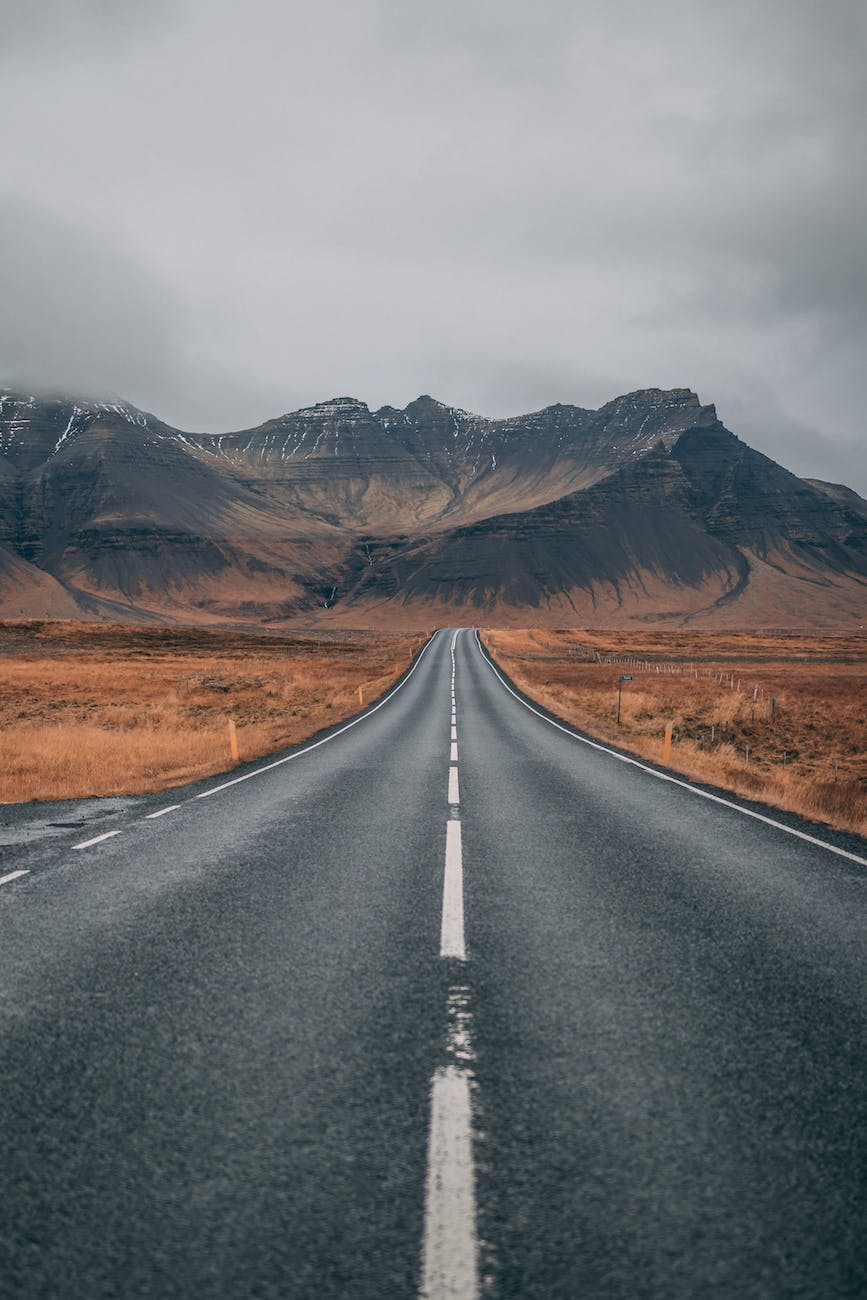
empty highway overlooking mountain under dark skies

Here are some travel tips. Traveling internationally can be a thrilling and fulfilling experience, but it can also be intimidating for those who are unfamiliar with the area. To ensure a stress-free vacation, travelers should be sure to research the area and plan ahead. Here are 7 powerful travel tips that every traveler should keep in mind to make the most of their adventure.

1. Book Hotels in Advance

If possible, book your hotel prior to arriving at your destination. This will help you avoid the stress of having to find a place to stay when you first arrive. Research the area and read reviews to ensure that the hotel is suitable for your needs. Additionally, you may want to consider booking a single night at the hotel to test it out before committing to a longer stay.

2. Research the Rules and Regulations

Be sure to research the rules and regulations of the area you are traveling to. Not all areas have the same laws, so familiarizing yourself with the local customs could prevent you from getting into any legal trouble. Additionally, pay close attention to scams that are common in the area. For instance, travelers to Buenos Aires should be aware of taxi scams that are prevalent in the city.

3. Arrive During the Day

Traveling at night can be dangerous, especially if you’re unfamiliar with the area. Always try to arrive during the day so that you can become familiar with your surroundings and have time to find your lodging.

4. Use Google Street View

Google Street View is a great tool for researching the area you will be staying in. Take a virtual tour of the street your hotel is located on to get a better idea of what to expect when you arrive.

5. Download Google Maps

Download the Google Maps app and save the area you are traveling to. This will allow you to access the map even when your phone is in airplane mode, saving you money on data charges. Additionally, you can use the map to get directions even when you don’t have access to the internet.

6. Download Google Translate

If you’re traveling to an area where you don’t speak the language, download the Google Translate app. This will allow you to communicate with locals even if you don’t understand the language.

7. Have an Extra Phone

If you have an extra phone or iPod lying around, consider using it as your offline companion. This phone can be used to take pictures and videos, store maps, and research the area. Having an extra phone can be especially useful if you find yourself in an unfamiliar area and need directions or assistance.

Conclusion Travel Tips

By following these seven travel tips, you can ensure that your vacation is stress-free and enjoyable. Do your research, plan ahead, and take advantage of all the tools available to make the most of your trip! Paying attention to these travel tips will help you avoid any unforeseen issues and make sure that your experience is as smooth and stress-free as possible.

Posted on

Why Planes Avoid the Pacific Ocean: 7 Reasons to Explore the Unknown

Avoid the Pacific Ocean, NASA and NOAA satellites are studying the triple tropical tempests that are now romping through the Eastern Pacific Ocean. Original from NASA. Digitally enhanced by rawpixel.

For many, the vastness of the Pacific Ocean is an intimidating yet awe-inspiring sight, So why do Planes Avoid the Pacific Ocean? But for pilots, the vastness of the Pacific can be a daunting prospect. From unpredictable weather patterns to remote air routes, there are a number of complex factors that make crossing the Pacific Ocean a risky venture β€” and it’s important to understand these before making the journey. Most planes choose to avoid the Pacific Ocean altogether, leaving many wondering why.

In this blog post, we will explore the reasons why most planes avoid flying over the Pacific Ocean. In the modern world of aviation, the Pacific Ocean is an enigma. While it stretches thousands of miles across the globe and can offer a direct route to get from one destination to another, most planes avoid flying over it. Why is this? The answer lies in several unique and fascinating phenomena that make traversing this oceanic expanse a troublesome endeavor. In this article, we’ll explore the technical, environmental, and cultural issues that keep planes away from the Pacific Ocean.

A Look At The Risks Involved

Airplanes are built to withstand the toughest of conditions and can generally fly over any terrain, yet most pilots shy away from the Pacific Ocean. Why? The main reason is that the Pacific is an incredibly risky place to fly. With no land in sight and no way to make an emergency landing in the event of an engine failure, the risk of a catastrophic crash is high – too high for most pilots to take. The Pacific is also a notoriously turbulent place.

Rough and unpredictable weather conditions, such as strong winds, can make flying difficult and even dangerous. This is especially true in the areas known as the “roaring forties” and the “furious fifties” – areas of the Pacific that are known for their strong winds and choppy waters. Furthermore, the Pacific is home to numerous thunderstorms and other hazardous weather conditions, which can make flying dangerous.

The Unpredictability Of The Pacific

Not only is the Pacific risky from a safety standpoint, it is also unpredictable. Unlike other regions, the Pacific does not have a reliable infrastructure for air traffic control, which can make it difficult for pilots to navigate. With no one guiding their flight, pilots are left to their own devices, navigating the vastness of the Pacific – a daunting and intimidating task for most.

Furthermore, the Pacific is incredibly vast, with no land in sight for thousands of miles. This can make it difficult for pilots to gauge their location and ensure they are on the correct course. As a result, pilots are often left to rely on unreliable navigational tools, such as GPS and radar, which can leave them vulnerable to errors.

The Unpredictability of the Weather

One of the primary reasons why most planes avoid crossing the Pacific is due to the unpredictable nature of the weather. The Pacific Ocean is home to some of the most extreme weather patterns in the world, including hurricanes and typhoons. These storms can cause massive turbulence and bad visibility, making it difficult for pilots to safely navigate their way across the Pacific. Additionally, due to the vast expanse of the Pacific, weather forecasts can be unreliable, and it may take days for pilots to be able to accurately predict the weather conditions ahead.

The Risk of Becoming Lost

Another factor that contributes to why most planes avoid crossing the Pacific is the risk of becoming lost. The Pacific Ocean is vast, and even with GPS systems, it can be easy for a pilot to become disoriented or lose track of their exact location. Additionally, due to the remote air routes over the Pacific, there is often a lack of communication between planes and air traffic control centers, which can make it difficult to get help in the event of an emergency.

The Scarcity of Emergency Landing Sites

When it comes to flying over the Pacific Ocean, one of the biggest risks is the scarcity of emergency landing sites. If a plane were to experience a mechanical failure or other emergency, there are few places for it to land. Although there are a few emergency landing strips in the Pacific, they are few and far between β€” and often difficult to access. Additionally, the unpredictable weather patterns of the Pacific can make it difficult for planes to even reach these emergency landing sites.

Flying US to Asia why Avoid the Pacific Ocean?

Air travel between the United States and Asia is a long haul, requiring aircraft to fly thousands of miles over some of the planet’s most inhospitable terrain. Though direct travel between the two regions would seem to be the most efficient way to go, planes actually don’t fly a straight line due to the curvature of the Earth.

Planes travel along what’s known as a great circle route, which follows a circumference around the Earth’s sphere. This allows them to cover the same distance, but in a more fuel-efficient manner than if they had to traverse a straight line.

Additionally, flying in a great circle route helps to avoid certain areas of hazardous weather, such as powerful storms and turbulence. The curvature of the Earth also means that the shortest distance between two points isn’t always a straight line. In the case of a U.S. to Asia flight, this means that aircraft will avoid flying over the ocean as much as possible.

The Limited Access to Fuel

Finally, another important factor to consider when flying over the Pacific is the limited access to fuel. Due to the remote nature of the air routes over the Pacific, there are few airports or refueling stations available. This can make it difficult for pilots to refuel their planes in the event of an emergency, or if they need to extend their journey.

The Pacific Is Not All Bad

Although the Pacific is a risky and potentially hazardous place to fly, you don’t always have to avoid the pacific ocean, it is not all bad. In fact, the Pacific is home to some of the most beautiful and awe-inspiring landscapes in the world, with pristine beaches, lush jungles and vibrant coral reefs. For some pilots, the risk of flying over the Pacific is worth the reward of experiencing its beauty. Furthermore, there are numerous advantages to flying over the Pacific, such as shorter flight times and more direct routes. For example, flying from the United States to Australia is much shorter when flying over the Pacific, as opposed to flying any other direction.

Exploring the Pacific Ocean by air is an incredible experience. Easter Island and the Hawaiian Islands are two stunning islands in the middle of the sea that offer breathtaking views from above. Easter Island is home to the mysterious Moai statues, which are scattered along the coastline. These ancient monoliths are a reminder of the island’s fascinating history. Flying over Easter Island gives you an incredible perspective of the statues, allowing you to take in their ancient grandeur.

The Hawaiian Islands provide a similarly stunning view from the air. With their volcanic origins, the islands are composed of dramatic ridges and valleys that give way to stunning white-sand beaches. From the air, you can get a good look at the many waterfalls and lush jungle landscapes that cover the islands. The view from the air gives you an appreciation for the sheer beauty of Hawaii, with its crystal clear waters and lush vegetation. Flying over the Hawaiian Islands is an unforgettable experience that will stay with you forever.

How do planes communicate over these vast distances?

Planes communicating with air traffic control (ATC) over the Pacific Ocean is an essential component of commercial flights. This communication is necessary to ensure the safety of all aircraft and those aboard in order to avoid any potential collisions. The vastness of the Pacific Ocean makes it necessary to ensure communication is as clear as possible to ensure the most accurate directions are given and received. In order to ensure aircraft are given the right directions, pilots must communicate with ATC using specific protocols.

Most advanced aircraft communicate with ATC through CPDLC

Think text message…

ATC can communicate with pilots using high frequency radio, satellite, and data links. The high frequency radio is the most commonly used form of communication for flights over the Pacific Ocean, as it allows for the most reliable and direct communication between pilots and controllers. Satellite communication is also used, allowing for communication between the aircraft and the satellite, which then relays the conversation back to the controller. Data links are also used, which are digital exchanges that allow for more complicated instructions to be sent and received. (Think Text Messages) All of these methods of communication help ensure that aircraft over the Pacific stay safe and on course.

The Bottom Line

All in all, there are a number of reasons why most planes avoid the pacific ocean. From unpredictable weather patterns to the limited access to emergency landing sites and fuel, there are many complex factors that make crossing the Pacific a risky venture. It’s important to understand these risks before making the journey β€” and if you do decide to cross the Pacific, it’s best to be prepared with an experienced and knowledgeable pilot.

Posted on

Powerful Ways to Maximize Your Air Miles: 8 Tips to Make the Most of Your Rewards Programs

Airline Pilot Emergency Situations

Traveling by air can be expensive, but it doesn’t have to be, Maximize Your Air Miles with these tips. Many airlines offer air miles programs that allow customers to earn points or miles whenever they fly with the airline. These points or miles can then be redeemed for discounts on future flights or other rewards. Here are 8 powerful tips to help you maximize your air miles and get the most out of your rewards program.

1. Choose the Right Program

The first step to taking advantage of air miles programs is to find the program that’s best for you. Different airlines have different programs, so it’s important to compare the options before you sign up. Look at the types of rewards offered, the number of points needed for redemption, and the expiration date for points.

2. Sign Up for the Program

Once you’ve chosen the program that’s right for you, it’s time to sign up. Most airlines offer online sign-ups or you can usually do it at the airport. Signing up for the program is free and will give you access to all of the rewards and discounts available.

3. Book Directly with the Airline

Whenever you book a flight, make sure to book directly with the airline. This will ensure that you get credit for the flight and that your points will be added to your account. Some online travel sites don’t give credit for flights booked through them, so make sure to double check.

4. Fly with the Same Airline

If you’re a frequent traveler, you can maximize your air miles by sticking with the same airline. Most airlines have loyalty programs that offer additional bonuses for frequent flyers. You can also get additional points for flying during off-peak hours or on certain days.

5. Take Advantage of Partner Airlines

In addition to flying with the same airline, many airlines also have partner airlines that offer additional rewards. If your airline has a partner, make sure to look into the program and take advantage of any additional benefits they may offer.

6. Redeem Your Points

Once you’ve accumulated enough points, it’s time to start redeeming them. Different airlines offer different types of rewards, so make sure to check out the options before you redeem. You might be able to get discounts on flights, free upgrades, or even free hotel stays.

7. Don’t Let Your Points Expire

Most airlines have expiration dates for points, so make sure to keep track of them. If your points are about to expire, you can usually call the airline and have them extended. This will ensure that you don’t lose out on any rewards.

8. Take Advantage of Special Offers

Finally, make sure to take advantage of any special offers or promotions that your airline may have. Many airlines have promotions that offer additional points or discounts for certain types of travel. Make sure to check the website or sign up for emails to stay up to date on the latest offers.

Taking advantage of air miles programs can help you save money on air travel and get additional rewards. Make sure to choose the right program, sign up, and fly with the same airline to maximize your points. Don’t forget to redeem your points and take advantage of special offers to get the most out of your rewards program.

1. American Airlines AAdvantage:

This program offers rewards such as discounts on flights, free upgrades, and more.

2. Delta SkyMiles:

With SkyMiles, you can accumulate points and redeem them for discounts on flights, hotel stays, and more.

3. United MileagePlus:

United MileagePlus offers rewards such as discounts on flights, access to exclusive deals, and more.

4. Alaska Airlines Mileage Plan:

With the Alaska Airlines Mileage Plan, you can earn miles for flights and other purchases and redeem them for rewards.

5. Southwest Rapid Rewards:

This program offers members the ability to earn points for flights and other purchases which can be redeemed for rewards.

6. JetBlue TrueBlue:

This program offers discounts on flights and access to exclusive deals and promotions.

7. Hawaiian Airlines HawaiianMiles:

HawaiianMiles offers members the ability to earn miles for flights and other purchases which can then be redeemed for rewards.

8. Air Canada Aeroplan:

This program offers members the ability to earn points for flights and other purchases which can then be redeemed for rewards.