Posted on

Flying the American Way: Discovering the History and Evolution of American Airlines: 10 Fascinating Facts to Enhance Your Travel Experience

an airplane with american text

American Airlines is one of the largest airlines in the world, operating flights to destinations across six continents. The company was founded in 1930, making it one of the oldest airlines in the United States. It is headquartered in Fort Worth, Texas and operates a major hub at Dallas/Fort Worth International Airport.


Services American Airlines Provides

American Airlines offers a wide range of services to its customers, including economy, premium economy, business, and first class seating options. It also offers a number of inflight amenities such as in-flight entertainment, Wi-Fi, and power outlets. Additionally, the airline offers a loyalty program, AAdvantage, which allows customers to earn miles and redeem them for flights, upgrades, and other perks.

Fleet of aircraft

American Airlines’ fleet of aircraft is one of the largest and most diverse in the industry, with over 900 aircraft in service. The airline operates a mix of Boeing and Airbus aircraft, including the Boeing 737, 777, and 787, as well as the Airbus A319, A320 and A321. The company is also investing in more fuel-efficient planes, such as the Boeing 737 MAX and the Airbus A321neo, to reduce its environmental impact.

Route Network

American Airlines has a large and extensive route network, connecting destinations across the United States, as well as international destinations in North, Central and South America, Europe, Asia and Africa. They operate flights to over 350 destinations in over 50 countries. American Airlines is a founding member of the Oneworld airline alliance, which allows them to offer even more destinations through codeshare agreements and partnerships with other airlines. American Airlines also operates flights to several destinations under the American Eagle brand, which is their regional subsidiary.

Additionally, American Airlines operates flights to destinations under the AmericanConnection brand, which are operated by partner airlines. American Airlines has hubs in several cities across the United States, including Dallas/Fort Worth, Charlotte, Chicago, Miami, Philadelphia and Phoenix, which allows them to offer a wide range of connecting flights. They are also expanding their presence in key destinations around the world, such as London and Hong Kong.


Customer Service

American Airlines places a strong emphasis on providing excellent customer service to its passengers. They offer a variety of services to ensure a comfortable and enjoyable travel experience, such as online check-in, mobile boarding passes, and the ability to choose seats and upgrade to premium classes. American Airlines also offers a loyalty program called AAdvantage, which allows members to earn miles for flights and other purchases, and redeem them for rewards like free flights, upgrades and more.

The airline has a dedicated customer service team that is available to assist passengers with any issues or concerns they may have before, during and after their flight. Passengers can contact the customer service team through the American Airlines website, by phone or by visiting an American Airlines airport location. American Airlines also has a dedicated team of airport customer service agents who can assist with check-in, baggage, and other needs.

American Airlines also offers a variety of special services for passengers with disabilities, children traveling alone, and pets traveling in the cabin or cargo hold. They also offer a variety of travel options such as basic economy and main cabin extra, to cater to the different needs of the travelers.

In addition, American Airlines has a team of customer service representatives who monitor flights and provide assistance to passengers during irregular operations such as flight cancellations, delays or diversions. They also have a 24/7 assistance center to help customers with flight disruptions and other issues.


10 Facts

  1. American Airlines, also known as AA, is the world’s largest airline by fleet size and revenue.
  2. AA was founded in 1926 as a mail carrier under the name American Airways.
  3. AA merged with US Airways in 2013, becoming the largest airline in the world.
  4. AA is a founding member of the Oneworld airline alliance, which includes 13 other airlines.
  5. AA operates flights to over 350 destinations in more than 50 countries.
  6. AA has hubs in Dallas/Fort Worth, Charlotte, Chicago, Miami, Philadelphia and Phoenix.
  7. AA has a fleet of over 950 aircraft, including the Boeing 737, Airbus A320, and the Boeing 787 Dreamliner.
  8. AA’s frequent-flyer program, AAdvantage, is one of the largest loyalty programs in the world.
  9. AA’s main maintenance base is located in Tulsa, Oklahoma.
  10. AA has been awarded multiple awards, including the Skytrax 4-star rating and being named the “Best Airline in North America” by Skytrax.

Overall

Overall, American Airlines is a major player in the airline industry, with a vast route network, large fleet of aircraft, and commitment to customer service. Despite some criticisms, it remains one of the most popular airlines in the world and continues to invest in new technology and efficient planes to improve the travel experience for its customers.

Posted on

BOOM Supersonic is Looking to Turbo-charge Your Air Travel, Up to 2X Faster!

BOOM Supersonic

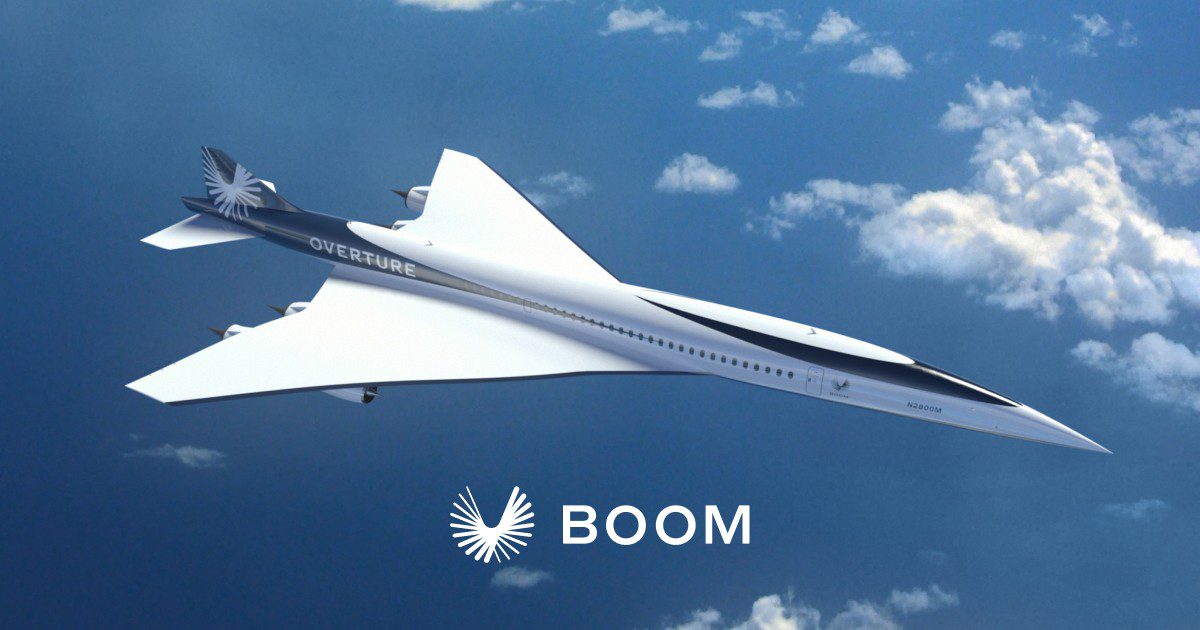
BOOM Supersonic is a company that is looking to change the way we think about air travel. They are developing a supersonic jet that will allow passengers to travel faster and more efficiently than ever before. This jet has the potential to greatly reduce travel time, making it possible for people to travel further and more frequently.

Not so supersonic!

Advantages

One of the major advantages of supersonic travel is the speed at which it can cover distance. The BOOM Supersonic jet, for example, will be able to fly from New York to London in just over three hours, which is a significant reduction from the traditional flight time of around six hours. This means that travelers will be able to spend less time in the air and more time doing the things they want to do.

Another advantage of supersonic travel is that it is much more fuel-efficient than traditional air travel. Supersonic jets fly at a much higher altitude, which means they don’t have to work as hard to stay in the air. This leads to a reduction in fuel consumption, which is not only beneficial for the environment, but also for the bottom line of the airlines that operate these planes.

1. Faster Journey Times: Supersonic travel enables passengers to reach their destination much faster than traditional air travel. This is especially useful for business travelers who need to travel long distances in a short amount of time.

2. Cost Efficiency: Although supersonic air travel is more expensive than traditional air travel, it is still more cost efficient than other forms of long-distance transportation.

3. Environmental Benefits: Supersonic travel is much more efficient than traditional air travel, meaning that it produces fewer greenhouse gases. This means that supersonic air travel is a much more environmentally friendly option than other forms of long-distance transportation.

4. Comfort: The interior of a supersonic aircraft is designed to provide passengers with a comfortable journey. Passengers can enjoy a smoother ride and a quieter cabin, making it much more pleasant than traditional air travel.


BOOM Supersonics’ plane the XB-1

BOOM Supersonic is currently working on developing a supersonic jet called the XB-1, which is a prototype of a commercial supersonic jet that can carry up to 55 passengers. The company is using advanced aerodynamics and materials to make the plane as efficient as possible, and they are working closely with leading aerospace manufacturers to ensure that the plane is safe and reliable.

The XB-1 Supersonic Demonstrator is the world’s first privately built and operated supersonic airliner. Developed by Boom Supersonic, the XB-1 is a scale prototype of the company’s Overture supersonic airliner. The XB-1 is powered by three General Electric J85-15 engines and is designed to reach speeds of up to Mach 2.2. The XB-1 will be used to test and validate the technologies needed to make commercial supersonic travel a reality.


Accessibility

One of the most exciting things about BOOM Supersonic’s work is that they are making supersonic travel more accessible to a wider range of people. The company is committed to making supersonic travel affordable for everyone, which means that more people will be able to experience the benefits of supersonic travel.

Challenges

However, there are still some challenges that need to be overcome before supersonic travel becomes a reality. One of the biggest challenges is the noise pollution created by supersonic flights. Supersonic jets create a sonic boom when they break the sound barrier, which can be disruptive to people on the ground. BOOM Supersonic is working to address this issue by designing their jets to minimize the sonic boom as much as possible.


Conclusion

In conclusion, BOOM Supersonic is a company that is working to change the way we think about air travel. They are developing a supersonic jet that will allow passengers to travel faster and more efficiently than ever before. This jet has the potential to greatly reduce travel time, making it possible for people to travel further and more frequently. Additionally, these planes are much more fuel-efficient than traditional planes which is not only good for the environment but also for the bottom line of the airlines that operate these planes.

BOOM Supersonic is making supersonic travel more accessible to a wider range of people by committing to making it affordable for everyone. The company’s current project, the XB-1, is a prototype of a commercial supersonic jet that can carry up to 55 passengers, using advanced aerodynamics and materials to make the plane as efficient as possible. However, there are still some challenges to overcome, such as the noise pollution created by supersonic flights, but the company is working hard to address these issues and make supersonic travel a reality.

Posted on

7 Undeniable Advantages of American Airlines Wholly Owned Airlines

American Airlines wholly owned Airlines include PSA, Envoy and Piedmont.

American Airlines is one of the largest airlines in the world, and as such, it has several wholly-owned regional airlines that operate under the American Eagle brand. These regional airlines include PSA Airlines, Envoy, and Piedmont.


7 Undeniable Advantages of American Airlines Wholly Owned Airlines

1. Unparalleled Financial Stability – American Airlines’ wholly owned airlines are backed by the security and financial strength of the American Airlines parent company.

2. Access to a Wide Range of Resources – American Airlines has access to a range of resources that can be utilized to ensure a high level of operational efficiency.

3. Seamless Integration – American Airlines’ fully owned airlines are seamlessly integrated into the American Airlines network, allowing for greater operational efficiency.

4. Expanded Network Reach – American Airlines’ wholly owned airlines allow for the expansion of its global network, providing customers with more flight options.

5. Reduced Costs – By owning its own airlines, American Airlines is able to reduce costs associated with the operation of its airlines.

6. Increased Loyalty – American Airlines’ wholly owned airlines allows the company to increase customer loyalty and further strengthen its brand.

7. Improved Customer Service – By owning its own airlines, American Airlines is able to provide its customers with a higher level of customer service.

The Wholly Owned Airlines

PSA Airlines

PSA Airlines, based in Dayton, Ohio, operates flights to over 60 destinations across the United States. The company was founded in the early 1980s and has been a key player in the regional airline industry ever since. The airline mainly operates on Bombardier CRJ aircraft, known for its fuel efficiency and relatively low cost of operation, which helps to keep PSA’s costs down and in turn allows the company to offer competitive fares to its passengers.

In addition to its regional operations, PSA Airlines also provides training and development programs for pilots and flight attendants. These programs are designed to provide individuals with the skills and knowledge they need to excel in the aviation industry. The airline also has a strong focus on safety and compliance, regularly conducting safety audits and training to ensure that all employees are up to date with the latest regulations and best practices.


Envoy

Envoy was founded in 1998, based in Irving, Texas, is one of the largest regional airlines in the United States, operating over 1,000 daily flights to over 150 destinations on behalf of American Airlines. Envoy operates a fleet of Embraer and Bombardier aircraft, and also provides ground handling services at several airports.


Piedmont

Piedmont, based in Salisbury, North Carolina, operates flights to destinations across the eastern United States. Piedmont operates a limited number of flights on behalf of American Airlines and provides ground handling services.

Partnership

The partnership between American Airlines and these wholly-owned regional airlines allows American Airlines to offer more destinations to its customers while also keeping costs low. This is achieved by sharing resources and expertise, and by allowing the regional airlines to expand their reach and increase their revenue. Additionally, it allows American Airlines to serve small cities and communities that it might not otherwise be able to reach, which helps to connect more people with the rest of the country and the world.


However, like any partnership, with the American Airlines Wholly Owned Airlines there have been challenges over the years, one of the main challenges being the pilot shortage which caused American Airlines to place these regional airlines under a capacity purchase agreement. This agreement required the regional airlines to operate flights at a reduced capacity, which led to a reduction in revenue for the companies.

Overall

Overall, American Airlines Wholly Owned Airlines, such as PSA, Envoy and Piedmont, play a vital role in American Airlines’ operation, by expanding their reach and connecting more people with the rest of the country and the world, while also helping American Airlines to keep costs low and offer more destinations to its customers.

Posted on

Airlines that have closed since 2020

Here are some Airlines that have closed since 2020 or filed for bankruptcy, we hope some were able to make it. The aviation industry has been greatly impacted by the COVID-19 pandemic, which has caused widespread travel restrictions and a sharp decline in passenger demand. Many airlines have been forced to cut flights, furlough employees, and seek government aid in order to survive. Unfortunately, some airlines have been unable to weather the storm and have been forced to shut down operations. Here is a list of some of the airlines that have closed since 2020:


  1. Flybe: The UK’s largest regional airline, was the first airline to fall victim to the pandemic. The company, which had been struggling financially for some time, was unable to secure a government bailout and was forced to shut down operations in March 2020.
  2. Transavia: Dutch low-cost carrier Transavia was forced to shut down its operations in April 2020 due to the pandemic. The airline had been a subsidiary of Air France-KLM and operated flights to destinations in Europe, Africa, and the Middle East.
  3. Wizz Air: Hungarian low-cost carrier Wizz Air announced in April 2020 that it would be closing its base at London Luton Airport and laying off staff due to the pandemic.
  4. Virgin Australia: In April 2020, Virgin Australia announced that it would be entering voluntary administration due to the impact of the pandemic on travel demand. The airline’s assets were later sold to private equity firm Bain Capital.
  5. Hong Kong Express: Hong Kong Express, a low-cost carrier based in Hong Kong, was forced to shut down operations in May 2020 due to the pandemic. The airline had been a subsidiary of Cathay Pacific and operated flights to destinations in Asia.
  6. Air Belgium: a Belgian charter airline, announced in December 2020 it will cease operations, due to the financial impact of the pandemic.
  7. Aigle Azur: the French airline announced in September 2020 it will cease operations.
  8. Air Asia X: the long-haul arm of AirAsia, announced in August 2021 that it would be shutting down its operations due to the ongoing impact of the pandemic on travel demand.
  9. XL Airways: French charter airline XL Airways filed for bankruptcy in September 2021 due to the ongoing impact of the pandemic on travel demand.
  10. Adria Airways: Slovenian flag carrier Adria Airways filed for bankruptcy in November 2021, citing the ongoing impact of the pandemic on travel demand as the main reason for the closure.

These are just a few examples of airlines that have closed since 2020, as the pandemic continues to affect the aviation industry worldwide. Many airlines continue to face financial struggles and more airlines may have to close or file for bankruptcy in the future. It’s always a good idea to check the airlines’ website or talk to their customer service before making a reservation.

Posted on

Pilot Rest Rules: What are they? Protecting Fatigued Pilots around the World

man sleeping beside a woman

Pilot fatigue is a serious issue in the aviation industry hence why Pilot Rest Rules are so extremely important. Fatigue can lead to decreased performance and increased risk of accidents. To address this issue, various regulatory bodies have established rules and guidelines for pilot rest. In this blog post, we will take a closer look at these rules and why they are important for ensuring the safety of passengers and crew.

FAA

The Federal Aviation Administration (FAA) in the United States sets the rules for pilot rest, which are outlined in the Federal Aviation Regulations (FARs). According to these regulations, pilots are required to have a minimum of 8 hours of rest in a 24-hour period, and this rest period must include at least two periods of sleep, one of which must be at least 8 hours long. Additionally, pilots are not allowed to fly more than 30 consecutive hours without at least 8 hours of rest.

EASA

The European Union (EU) has similar regulations in place, with the European Aviation Safety Agency (EASA) setting the rules for pilot rest. These regulations require that pilots have a minimum of 9 hours of rest in a 24-hour period, with one of these rest periods being at least 6 hours long and including a sleep period of at least 3 hours. Additionally, pilots are not allowed to fly more than 28 consecutive hours without at least 9 hours of rest.

These rest requirements are in place to ensure that pilots are well-rested and able to perform their duties safely. Fatigue can lead to decreased reaction time, impaired decision-making, and reduced situational awareness, all of which can increase the risk of accidents. By requiring pilots to have adequate rest, regulatory bodies are able to mitigate this risk and ensure the safety of passengers and crew.

Limits

In addition to these rest requirements, there are also regulations in place that limit the number of flight hours that pilots can fly in a given period of time. For example, the FAA limits pilots to a maximum of 100 flight hours per month, while the EASA limits pilots to a maximum of 900 flight hours per year. These limits are in place to prevent pilots from becoming overworked and fatigued, and to ensure that they have adequate time for rest and recovery.

ICAO

It’s also worth mentioning that the International Civil Aviation Organization (ICAO) has also established standards for pilot rest, which are similar to those set by the FAA and EASA. However, individual countries are responsible for implementing these standards, and may have slightly different regulations.

Conclusion of Pilot Rest Rules

In conclusion, pilot rest rules are in place to ensure the safety of passengers and crew by preventing fatigue and ensuring that pilots are well-rested and able to perform their duties safely. These rules are established by regulatory bodies such as the FAA, EASA and ICAO, and limit the number of flight hours that pilots can fly and require them to have adequate rest. By adhering to these rules, we can reduce the risk of accidents and ensure that air travel remains one of the safest modes of transportation.

Posted on

Superheros and Pilots?

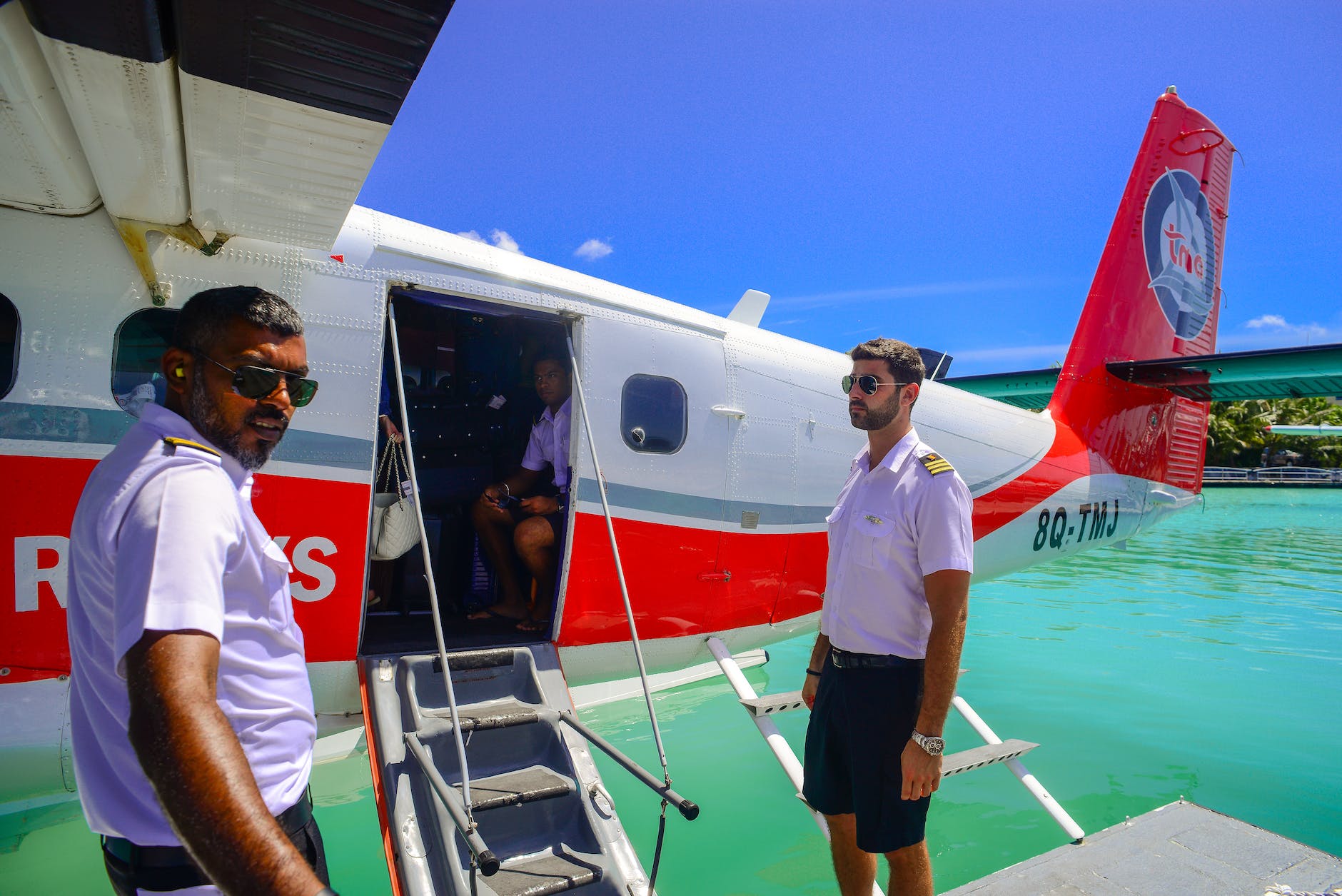
man standing beside of white and red airplane

Superheroes and pilots have a lot in common. Both are considered to be brave and skilled individuals who are called upon to save the day in dire situations. They are also both characters that have captivated audiences for decades, with stories and movies that continue to be popular today.

Superheroes, like pilots, are often depicted as larger-than-life figures with extraordinary abilities. They possess superhuman strength, speed, and agility, as well as unique powers like the ability to fly or control the elements. They use these abilities to fight crime, protect the innocent, and save the world from destruction.

Pilots, on the other hand, are known for their skill and precision as they navigate aircraft through the skies. They are responsible for the safe operation of their aircraft and the well-being of their passengers. They also play an important role in the military, where they are tasked with completing dangerous missions and protecting their country.

Despite their differences, there are several similarities between superheroes and pilots. Both are admired for their courage and skill, and both are often seen as role models for young people. They also both face the same kinds of challenges and dangers, and must rely on their training and abilities to overcome them.

Another aspect that they have in common is that they are both constantly evolving. Superheroes, as the comics and movies keep on coming, are getting more advanced and powerful. Similarly, pilots are adapting to new technologies and changes in the aviation industry.

In conclusion, superheroes and pilots are two very different characters, but they share many similarities. Both are admired for their courage and skill, and both have captivated audiences for decades. They are also both constantly evolving, adapting to new challenges and technologies. Whether it’s a superhero saving the world or a pilot navigating a plane through the skies, they are both heroes in their own right.

Posted on

Being a flight attendant

Flight Attendant

Being a flight attendant can be a fulfilling and exciting career, but it also comes with its own set of challenges, including figuring out how to eat and pack for the road, and understanding the secret language of crew members. Here’s a closer look at how to navigate these aspects of the job:

  1. Eating on the road: Eating healthy and maintaining a balanced diet can be difficult when you’re constantly on the go. However, it’s important to find ways to eat well in order to stay energized and focused on the job. One way to do this is to bring your own meals and snacks, such as a sandwich or salad, to eat during your layovers. Another option is to look for healthy options at airports or on the plane.
  2. Packing: Packing for a trip can be a daunting task, especially when you’re not sure how long you’ll be away or what the weather will be like. To make packing easier, create a list of essentials such as comfortable shoes, a uniform, and any necessary documents. Additionally, it’s important to have a carry-on bag with essentials such as a change of clothes, toiletries, and a book or entertainment device in case your luggage gets lost.
  3. Secret language of crew members: Crew members often use their own secret language to communicate with each other. This language is used to make announcements and convey important information in a quick and efficient manner. For example, “deadhead” refers to a crew member who is traveling without passengers, “jumpseat” refers to the seat in the cockpit for non-flying crew members, and “Ramp” refers to the ground crew. It may take some time to learn the lingo, but it’s an important part of being a flight attendant.
  4. Maintaining a work-life balance: Being a flight attendant means that you’ll be away from home for long periods of time and it may be hard to maintain a work-life balance. It’s important to find ways to stay connected with family and friends while on the road and make time for yourself to relax and recharge.

My official title is Flight Attendant

Most people call me BADASS

In conclusion, being a flight attendant is an exciting and rewarding career, but it also comes with its own set of challenges. To be successful, it’s important to find ways to eat well, pack efficiently, understand the secret language of crew members and maintain a good work-life balance. With a little bit of preparation and a positive attitude, you can enjoy the many rewards of being a flight attendant.


Posted on

A little about Delta Air Lines

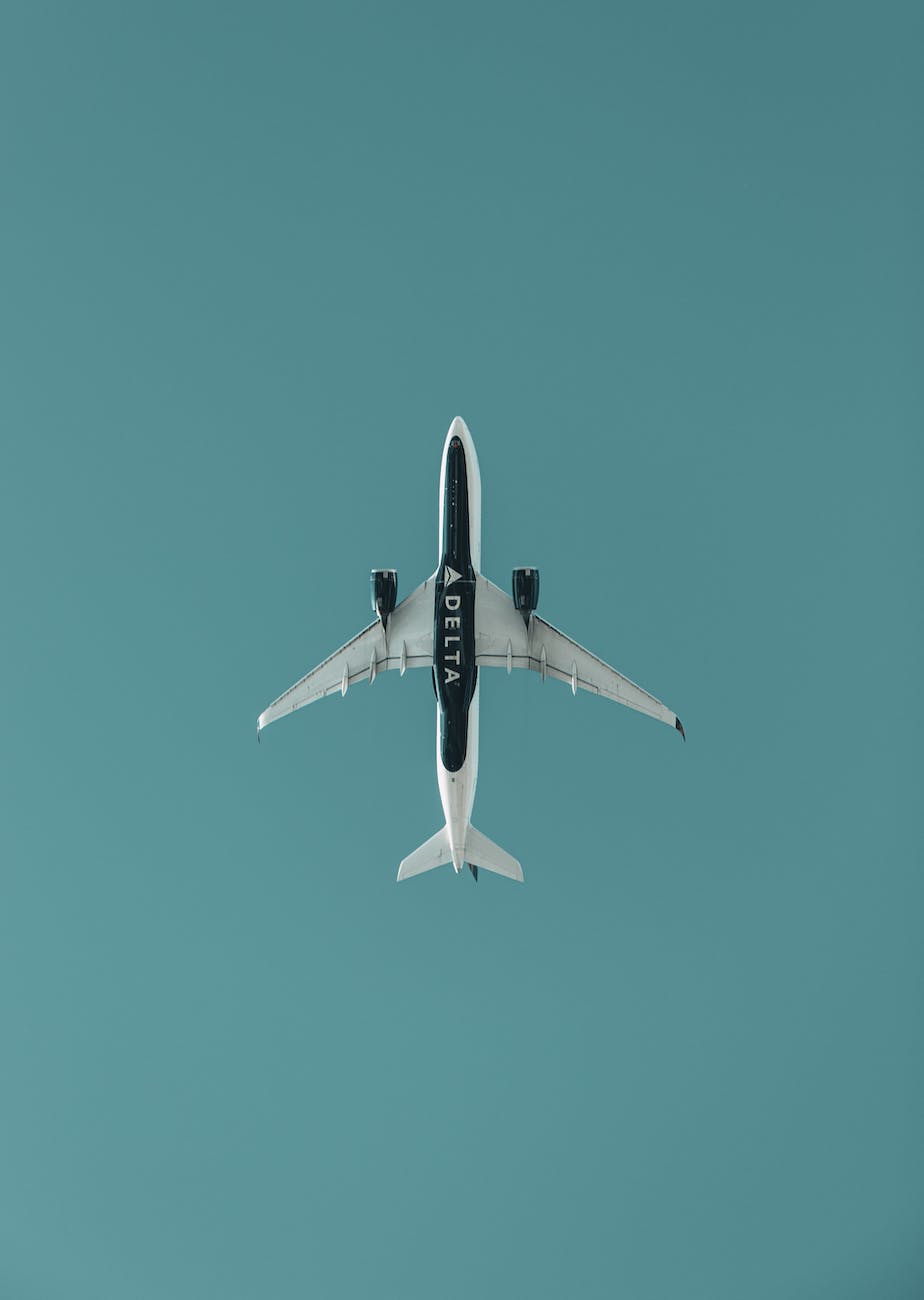
white airplane in a blue sky

Delta Air Lines, Inc. is one of the major American airlines that operates flights to more than 325 destinations in 52 countries around the world. The company was founded in 1924, making it one of the oldest airlines in the world. It is headquartered in Atlanta, Georgia and operates a major hub at Hartsfieldโ€“Jackson Atlanta International Airport.

Delta Air Lines offers a wide range of services to its customers, including economy, premium economy, business and first class seating options. It also offers a number of inflight amenities such as in-flight entertainment, Wi-Fi, and power outlets. Additionally, the airline offers a loyalty program, SkyMiles, which allows customers to earn miles and redeem them for flights, upgrades, and other perks.


Delta’s fleet of aircraft is one of the most modern and efficient in the industry. The airline operates a mix of Boeing and Airbus aircraft, including the Boeing 737, 757, 767, 777, and 787, as well as the Airbus A220 and A330. The company is also investing in more fuel-efficient planes, such as the Airbus A350 and the Boeing 787 Dreamliner, to reduce its environmental impact.

Delta’s route network is extensive, with flights to destinations throughout North America, South America, Europe, Asia, and Africa. The airline also has a number of partnerships and codeshare agreements with other airlines, which allows customers to book flights on other airlines and earn miles in the process.

In terms of customer service, Delta has a reputation for being one of the best airlines in the industry. The company has a dedicated team of customer service agents who are available to assist customers with any issues or concerns they may have. Additionally, Delta has a number of self-service options, such as online check-in and mobile boarding passes, which make it easy for customers to manage their travel plans.


Overall, Delta Air Lines is a reliable and reputable airline that offers a wide range of services to its customers. With its extensive route network, modern fleet of aircraft, and commitment to customer service, it is no wonder that it is one of the most popular airlines in the world.

Posted on

Becoming an airline pilot

Airline Pilots walking outside

Thinking of becoming an airline pilot? It is a dream for many, but it’s important to understand that it takes a significant amount of time, dedication, and money to achieve this goal. Here’s a step-by-step guide on how to become an airline pilot:

  1. Get your private pilot’s license (PPL): The first step in becoming an airline pilot is to obtain your private pilot’s license (PPL). This requires a certain number of flight hours, passing a medical exam, and passing a written and practical exam. The requirements and cost of obtaining a PPL vary depending on where you live and where you train.
  2. Get your commercial pilot’s license (CPL): Once you have your PPL, you can begin training for your commercial pilot’s license (CPL). This license allows you to fly for hire and requires additional flight hours, training, and exams. The requirements and cost of obtaining a CPL are typically higher than those of a PPL.
  3. Get your instrument rating: To fly in all weather conditions, you will need to obtain an instrument rating. This training allows pilots to fly solely by reference to instruments, rather than visual cues, and requires additional flight hours and training.
  4. Get your multi-engine rating: Many airlines require pilots to have a multi-engine rating, which allows you to fly aircraft with more than one engine. This requires additional flight hours and training.
  5. Get your Airline Transport Pilot License (ATPL): The final step in becoming an airline pilot is to obtain an Airline Transport Pilot License (ATPL). This license allows you to fly as a captain for an airline and requires even more flight hours and training, as well as passing written and practical exams.
  6. Get your Type Rating: Once you have ATPL, you will have to get type rating for the specific aircraft you will be flying. This training is specific to the aircraft you will be flying and includes both ground school and simulator training.
  7. Get Experience: To increase your chances of getting hired by an airline, you need to gain experience as a pilot. You can do this by working as a flight instructor, charter pilot, or corporate pilot.
  8. Apply for Job: Once you have completed all the above steps and have enough experience, you can start applying for jobs at airlines.

It’s important to note that the requirements and cost of becoming an airline pilot vary depending on the country and the airline. Additionally, the competition for airline pilot jobs is fierce, so it’s important to have a solid resume and good references.

Becoming an airline pilot is a challenging, but rewarding, career path. It takes a significant amount of time, dedication, and money to achieve this goal, but with hard work and perseverance, it can be done.

Posted on

How Airports get their codes

How Airports get their codes airplaneTees How Airports get their codes 1

Ever wonder How Airports get their codes? Well, Airport codes, also known as International Air Transport Association (IATA) codes, are three letter codes that are used to identify airports around the world. These codes are used by airlines, travel agencies, and other organizations to identify specific airports and facilitate the booking and tracking of flights. But have you ever wondered how airports get their codes?

The process of assigning airport codes is coordinated by the IATA, which is a trade association of the world’s airlines. The IATA assigns codes to airports based on a number of factors, including the airport’s location, its size, and the types of flights it handles.

Baggage Tags
Luggage Tags with IATA codes

One of the main factors considered when assigning airport codes is the airport’s location. The first letter of the code is often used to identify the country or region in which the airport is located. For example, airports in the United States are typically assigned codes that begin with the letter “K”, while airports in Canada are assigned codes that begin with the letter “C”.

The second and third letters of the code are often used to identify the specific airport within the region. These letters are chosen based on the airport’s name or the city in which it is located. For example, the code for John F. Kennedy International Airport in New York is JFK, and the code for Heathrow Airport in London is LHR.

In addition to location, the IATA also considers the size and importance of an airport when assigning codes. Larger, more important airports are typically assigned unique codes that are easy to remember, while smaller airports may share codes with nearby airports.

It’s also worth noting that codes can change over time. For example, if an airport changes its name or if two airports merge, their codes may also change to reflect this.

Terminal board
Terminal Flight Schedule Board

In conclusion, airport codes are assigned by the IATA based on a combination of factors, including location, size, and importance of the airport. These codes are crucial in the identification and tracking of flights, making air travel more efficient and smooth. With the vast number of airports around the world and the constant changes in the aviation industry, the IATA plays a vital role in keeping all the codes updated and accurate.