Posted on

My first time flying an airplane myself

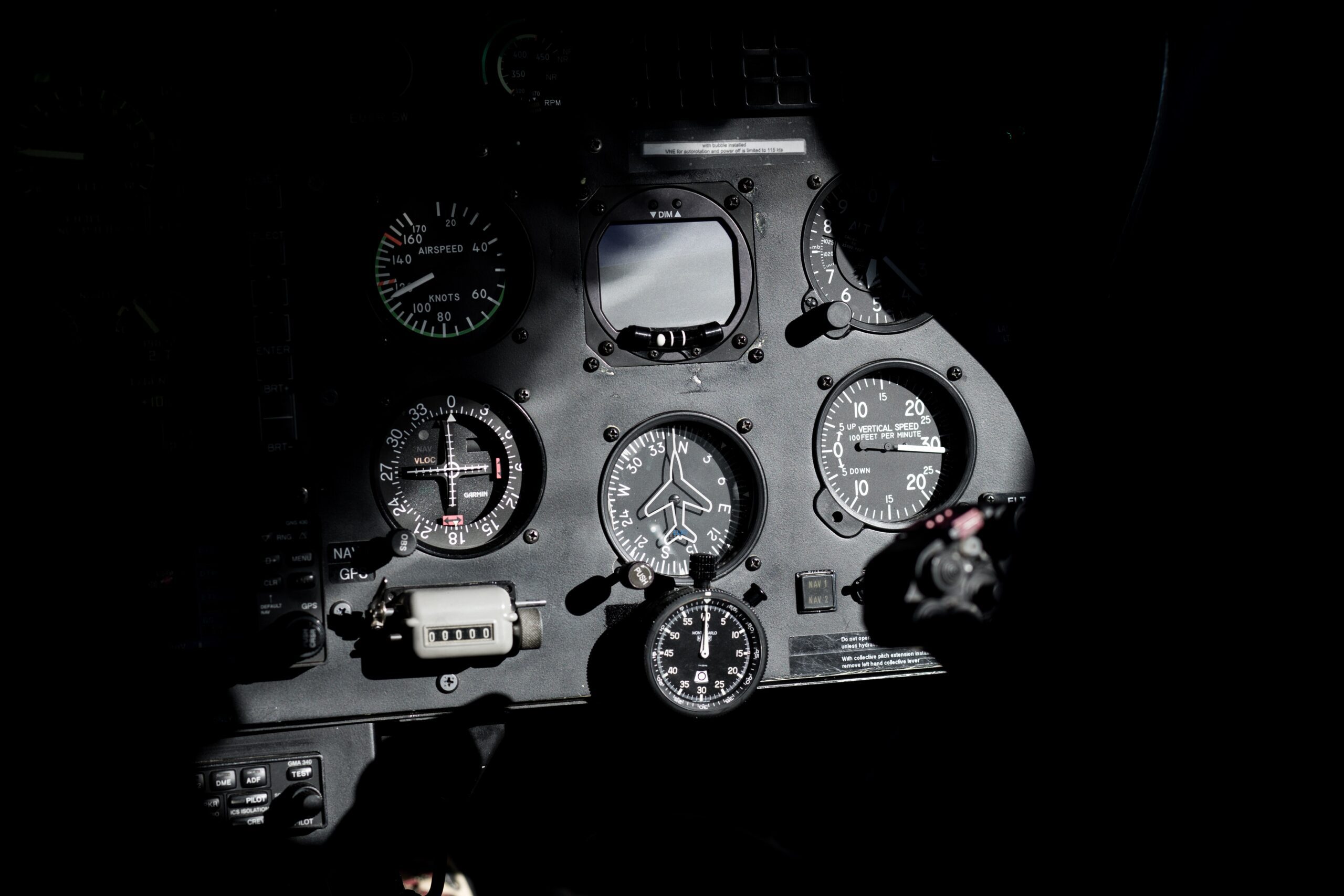
Flying a Cessna

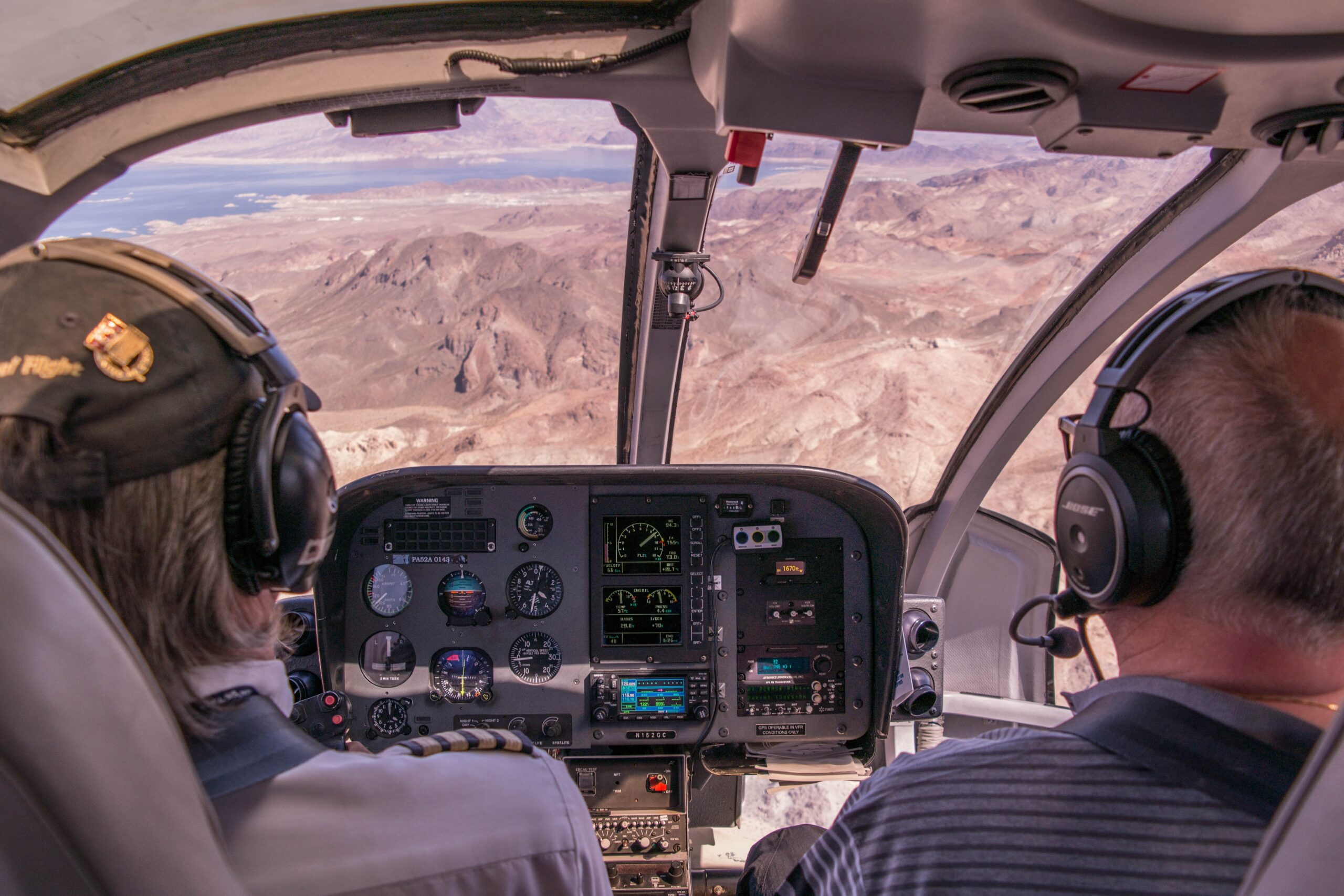
My first time flying a small aircraft was an experience I will never forget. I had always been fascinated by flying and had dreamed of becoming a pilot one day, but I never thought that I would have the opportunity to fly a small aircraft so soon.

I remember waking up early on the day of my flight, my heart racing with excitement and nerves. I arrived at the airport and was greeted by my instructor, who would be flying with me. He gave me a brief orientation on the aircraft and its controls, and then we were off.

As we taxied down the runway, I could feel my heart pounding in my chest. I knew that this was it, the moment I had been waiting for. As we took off, I felt a rush of adrenaline as the aircraft soared into the sky. I was amazed at how smoothly and easily the aircraft responded to my commands, and I couldn’t help but smile as I realized that I was actually flying a plane.

As we flew, my instructor gave me a tour of the local area, pointing out landmarks and teaching me about navigation. I was amazed at how different everything looked from the air, and I couldn’t believe that I was actually flying above it all.

One of the most memorable moments of my flight was when my instructor let me take the controls and fly the aircraft on my own. I remember feeling a mix of excitement and nervousness as I took control, but I soon found that flying the aircraft was not as difficult as I had imagined. With my instructor’s guidance, I was able to fly the aircraft with relative ease.

As we landed and taxied back to the airport, I couldn’t wipe the smile off my face. I had just flown an aircraft and it was one of the most exhilarating experiences of my life.

My first flight in a small aircraft was a dream come true and it solidified my desire to become a pilot. It was an experience that I will always treasure, and I can’t wait for the opportunity to fly again. It’s an amazing experience and it’s definitely something everyone should do at least once in their life.

In conclusion, my first time flying a small aircraft was an unforgettable experience, It was a dream come true, and it solidified my desire to become a pilot. It was an exhilarating experience that I will always treasure. I would recommend it to anyone who has a passion for flying and wants to experience the thrill of being in control of an aircraft.

Posted on

Future of the Aviation Industry

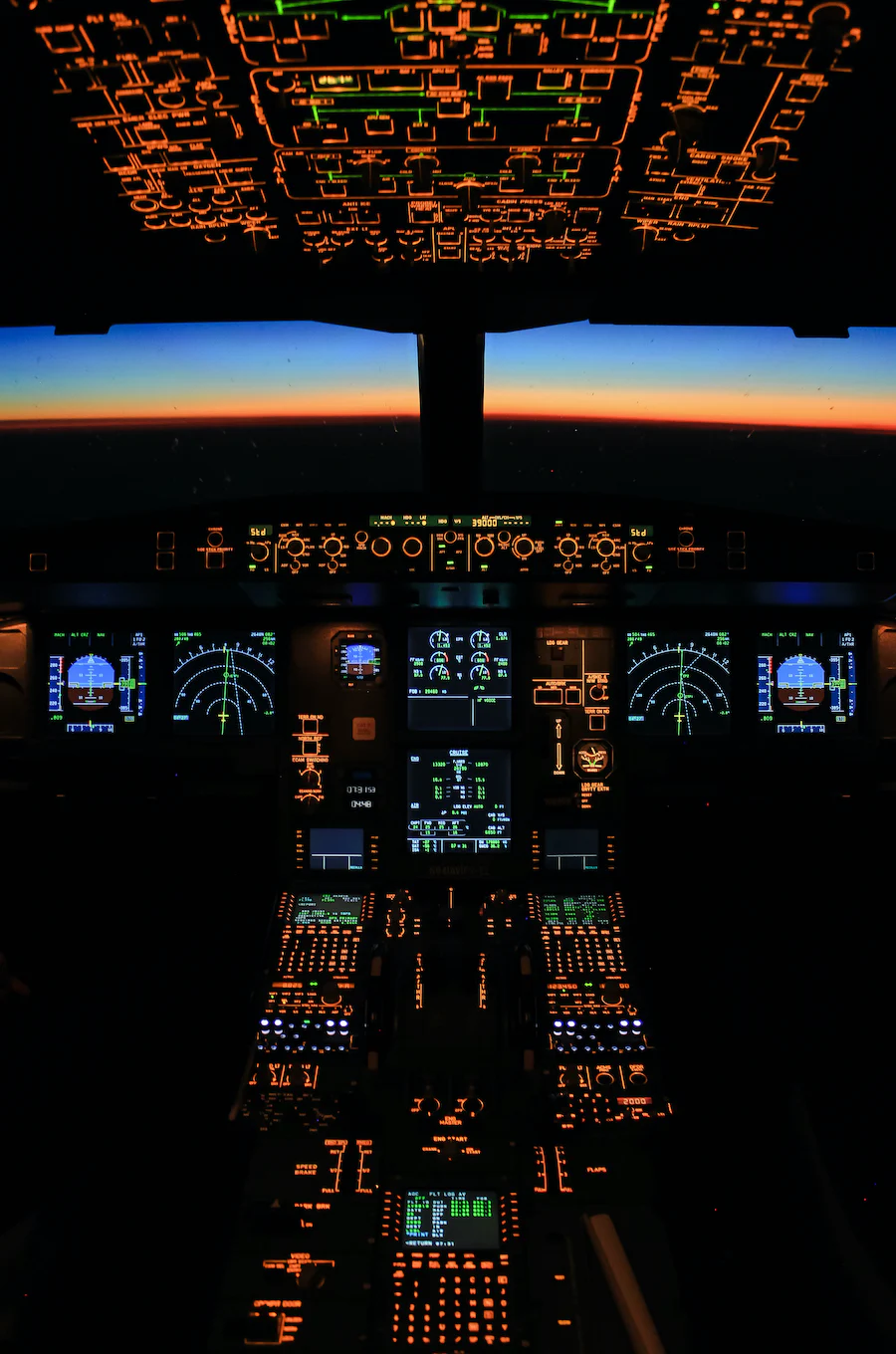
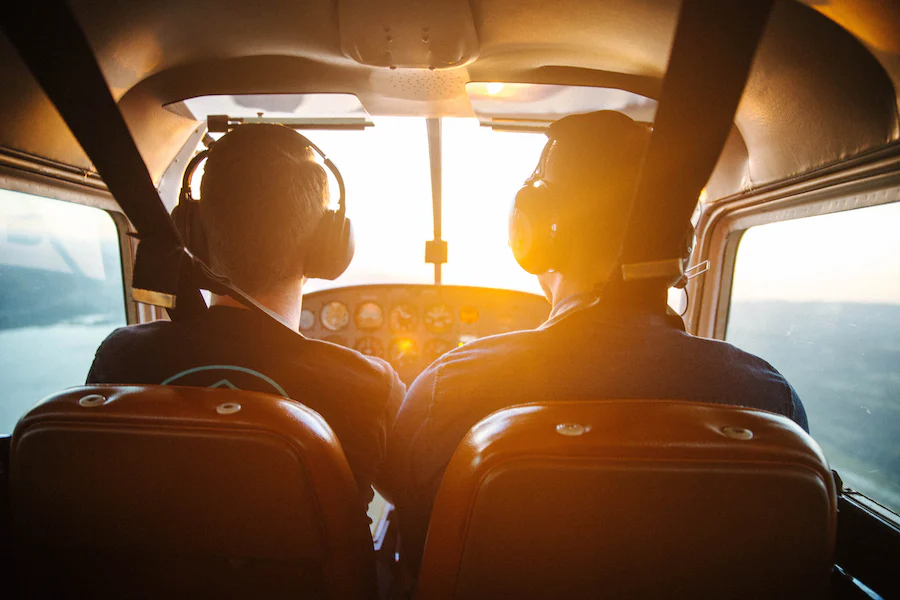
Airbus Flightdeck at sunrise

Aviation has come a long way since the Wright Brothers’ first flight in 1903. Today, the Future of the Aviation Industry has commercial airlines transporting millions of passengers every year, and the aviation industry plays a crucial role in the global economy. However, as the industry continues to grow, it also faces a number of challenges, including rising fuel costs, increased competition, and the need to reduce its environmental impact.

One of the biggest challenges facing the aviation industry is the rising cost of fuel. Jet fuel is one of the largest operating expenses for airlines, and prices have been on the rise in recent years. In response, many airlines have implemented fuel-saving measures, such as using more fuel-efficient aircraft and optimizing flight routes. However, these measures alone may not be enough to offset the rising cost of fuel.

Another challenge facing the aviation industry is increased competition. The number of airlines and routes has grown significantly in recent years, making it more difficult for individual airlines to differentiate themselves and stand out in the market. Some airlines have responded by offering more amenities and services, such as in-flight entertainment and Wi-Fi, while others have focused on providing lower prices. However, with so many airlines offering similar products and services, it can be difficult for customers to choose one over the others.

The aviation industry is also facing pressure to reduce its environmental impact. Air travel is a major contributor to greenhouse gas emissions and climate change, and many countries and organizations are pushing for the industry to reduce its carbon footprint. Some airlines have responded by investing in more fuel-efficient aircraft and implementing sustainable practices, such as recycling and reducing waste. However, there is still a long way to go before the industry can be considered truly sustainable.

Despite these challenges, the future of aviation looks bright. Advances in technology, such as electric and hybrid aircraft, have the potential to significantly reduce the industry’s environmental impact. Additionally, the growth of low-cost airlines and the increasing popularity of budget travel have made air travel more accessible to a wider range of people.


However, it is important to note that the industry needs to take a more proactive stance in addressing the challenges it faces. The industry needs to focus on investing in more sustainable practices such as alternative aircrafts, and making air travel more affordable for everyone. Additionally, more research needs to be done on how to reduce the noise pollution caused by aircrafts, and how to make the air travel more accessible for people with disabilities.

In conclusion, the aviation industry has come a long way since the Wright Brothers’ first flight, but it still faces a number of challenges, including rising fuel costs, increased competition, and the need to reduce its environmental impact. However, with advances in technology and a growing demand for air travel, the future of aviation looks bright. It is important for the industry to address these challenges proactively by investing in sustainable practices, making air travel more affordable for everyone and making it more accessible for people with disabilities.

Posted on

Take Flight: Expert Advice for Aviation Hobbyists, 8 tips to Empower your Interest!

Airshow

Are you captivated by the thrill of flight and the mechanics of airplanes then your an Aviation Hobbyists? If so, you’re not alone. Many people are passionate about aviation and enjoy learning about the history of flight and the workings of airplanes. Whether you’re an aviation enthusiast or a hobbyist, there are many ways to explore and enjoy this fascinating field. In this blog post, we’ll share some tips and advice for aviation enthusiasts and hobbyists, to help you take your interest to the next level.

Visit an airport or airshow

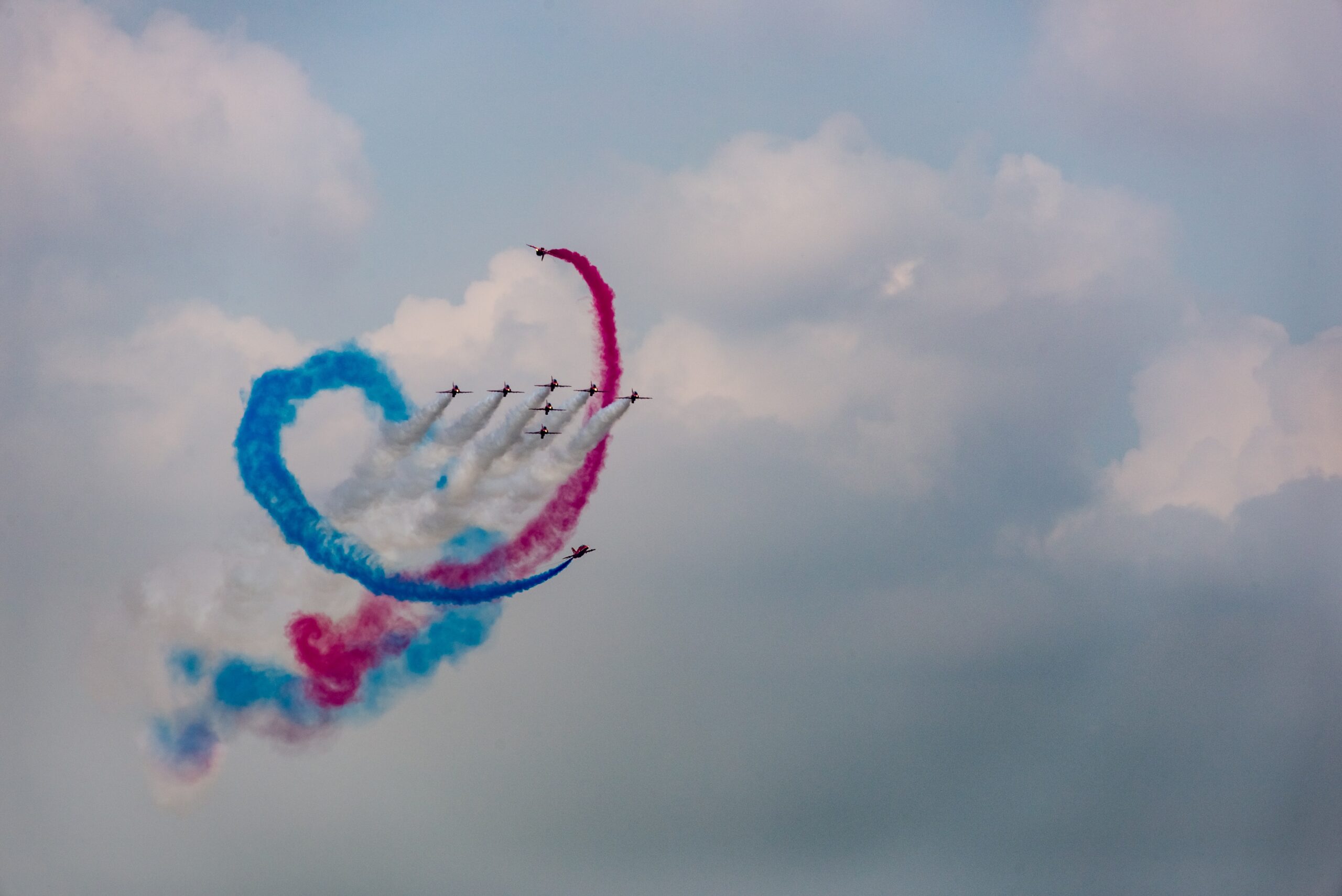
One of the best ways to experience the excitement of aviation is to visit an airport or airshow. Airshows are a great way to see a wide variety of aircraft up close and to watch live demonstrations of aerobatic maneuvers. Many airshows also offer rides in small aircraft, allowing you to experience the thrill of flight firsthand. Even if you can’t make it to an airshow, visiting an airport and watching the planes take off and land can be a great way to feed your aviation interest. Blue Angels Tee โ€“ Unisex Jersey Short Sleeve

Build a model airplane

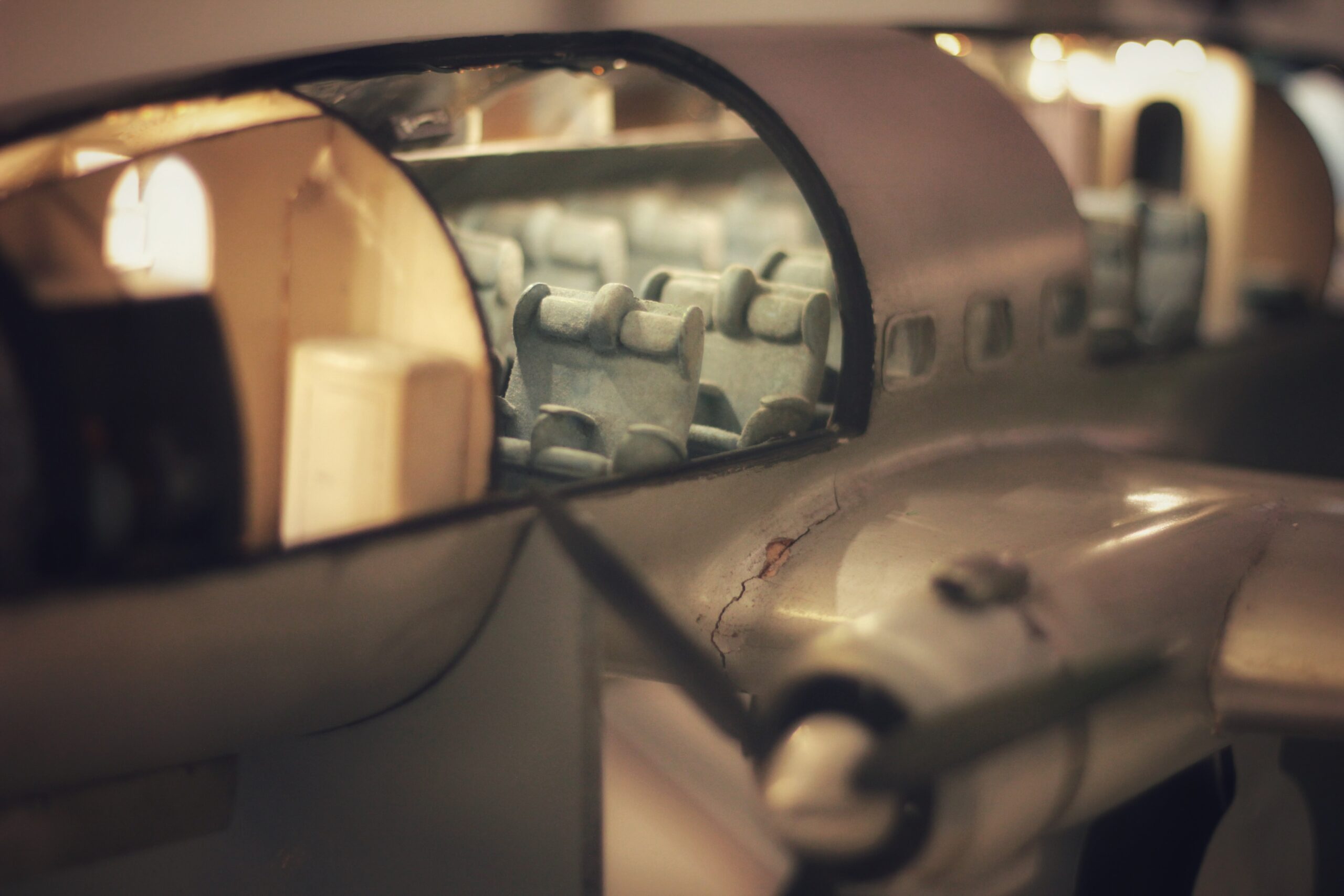
Building model airplanes is a great hobby for Aviation Hobbyists, allowing you to learn about the structure and mechanics of different types of aircraft. Building a model can be a rewarding and educational experience, and there are many different kits available for all skill levels. Better yet opt to build your own RC Model Aircraft and actually fly it once your finished building. RC Pilot Tee

Learn about the history of aviation

If you’re interested in the history of aviation, there are many resources available to help you learn more. Books, articles, and documentaries can provide in-depth information about the pioneers of flight and the development of aviation technology. Museums, such as the Smithsonian National Air and Space Museum, also have impressive collections of aircraft and artifacts from throughout aviation history. Evolution of Flight teeโ€ฆ

Get a Pilotโ€™s License

If you’re interested in flying, getting a pilot’s license is a great way to take your passion to the next level. You can start your training with a discovery flight, which is a short flight with an instructor that will give you an introduction to flying and the basics of flying an aircraft. After that, you can enroll in a flight school and start learning how to fly. Itโ€™s a great way to experience the sensation of flight and understand more about the technical aspects of flying an aircraft. Trust me Im a Pilot tee

Join an aviation club or group

Joining an aviation club or group can be a great way to connect with other aviation enthusiasts and hobbyists. Many clubs and groups organize events, such as fly-ins and aircraft tours, which provide opportunities to learn more about aviation and to connect with other people who share your interest.

Get involved in the aviation community

There are many online communities and forums that are dedicated to Aviation Hobbyists. Joining these groups and participating in discussions can be a great way to learn more about aviation, share your passion with others, and connect with like-minded people.

Learn about aircraft mechanics and maintenance

Understanding the mechanics and maintenance of an aircraft is an important part of understanding how airplanes work. It can also be a fascinating hobby. You can learn about the basics by reading aircraft maintenance manuals, books or taking some online courses. Some schools or community college offer classes on aircraft mechanics or maintenance, and might be a great option if you want to take it to a more advanced level.

Use flight simulators, best for Aviation Hobbyists

If you can’t fly an aircraft yourself, flight simulators can be a great way to experience the sensation of flight and learn about the technical aspects of flying. There are many flight simulators available for purchase, ranging from basic programs to highly realistic and sophisticated systems that can simulate a wide range of aircraft and flying conditions