Posted on

Flying High: Airline Pilots Pay: A History of Transformation: 10 Little-known Reasons Why Pilots Were Once Paid Like Doctors and Lawyers and What Sparked the Change

Airline Pilots Pay black and white electronic devices

Piloting an airplane is considered one of the most prestigious and well-paying professions. In the past, Airline Pilots Pay, were known for earning salaries that were on par with those of doctors and lawyers. However, due to inflation and other factors, this is no longer the case. In this blog post, we will take a closer look at the historical pay of airline pilots and how it compares to that of other highly paid professions.

Early days of aviation

In the early days of aviation, pilots were not as highly paid as they are today. In the 1920s and 1930s, pilots for commercial airlines earned a salary that was comparable to other skilled workers of the time. However, as the demand for air travel increased and the industry grew, so did the pay for pilots. By the 1950s and 1960s, pilots for major airlines were earning salaries that were significantly higher than the average worker. This was due in part to the increased responsibility and skill required to fly the larger and more complex aircraft of the time.

Airline Pilots Pay rates decreasing

However, when compared to other highly paid professions such as doctors and lawyers, the pay of airline pilots has not kept pace. According to data from the Bureau of Labor Statistics, the median annual salary for airline pilots in 2019 was $111,680, while the median annual salary for doctors was $208,000 and for lawyers was $122,960. When adjusted for inflation, the pay of airline pilots has not increased at the same rate as that of doctors and lawyers.

Rise in LCC and ULCC

There are several factors that have contributed to the relative decline in Airline Pilots Pay compared to other highly paid professions. One of the main factors is the increasing competition among airlines. With more airlines entering the market, there is greater pressure on them to keep costs low, including pilot salaries. Additionally, the industry has seen a rise in the number of low-cost carriers, and ultra-low cost carriers, which often pay pilots lower salaries than major and legacy airlines.

Increasing Automation

Another factor is the increasing automation of the cockpit, which has reduced the need for highly skilled pilots. With the advent of new technologies such as fly-by-wire systems and autopilot, the skills required to fly an airplane have become less specialized. As a result, the pay of pilots has not kept pace with that of other highly skilled professions such as doctors and lawyers.

Company Executives

Company executives often have a different perspective on pilot pay than pilots themselves. Executives are responsible for the financial performance of the company, and therefore, they may view pilot pay as a cost that needs to be managed. They may see pilot pay as a significant expense that can impact the bottom line and may not fully understand the responsibilities and skills required to be a pilot. Additionally, many companies are facing increased competition and pressures to cut costs, which may lead to attempts to negotiate lower pay for pilots.

However, some company executives do recognize the importance of fair and competitive compensation for pilots, as they understand that well-paid and motivated pilots are essential to the safe and efficient operation of the airline, and also to attract and retain the best pilots.

When they earn their pay, it matters!

Airline pilots earn their pay when they navigate through these challenging and unpredictable conditions, such as bad weather, turbulence, and emergency situations. Pilots are responsible for the safety of hundreds of passengers and crew members, and they must make quick and decisive decisions to ensure the safe operation of the aircraft. By keeping these conditions on par it seems as if these highly skilled pilots are just doing day to day operations but in reality they are constantly changing the working conditions to maintain a safe operation at every minute.

One of the most challenging situations that pilots face is bad weather. Pilots must make decisions on whether to fly through or around inclement weather, and they must have the knowledge and skill to safely navigate through it. They must also be able to handle the aircraft in turbulent conditions and make adjustments to ensure a smooth flight. Basically steer clear of these conditions.

Emergencies

Emergency situations are another example of when pilots earn their pay. Pilots are trained to handle a wide range of emergency situations, including engine failures, fires, and medical emergencies. They must be able to remain calm under pressure and make quick and effective decisions to ensure the safety of all on board.

Busy Airspace

Pilots also earn their pay when they are navigating through busy airspace and making sure to comply with all regulations and procedures. They must communicate effectively with air traffic control and other pilots to ensure a safe and efficient flight.

Leadership

In addition to their technical skills, pilots must also possess strong leadership qualities and the ability to work as a team with their crew members. The job of a pilot is not just about flying the aircraft, but also about ensuring the safety and comfort of all on board.

Conclusion

In conclusion, while Airline Pilots Pay used to be comparable to doctors and lawyers, the relative pay of airline pilots has decreased over the years due to inflation and other factors. Airline pilots also earn their pay by navigating through challenging and unpredictable conditions, making quick and decisive decisions to ensure the safety of all on board, and possessing strong leadership and teamwork skills.

They are responsible for the safety of hundreds of passengers and crew members, and they must have the knowledge and skill to handle any situation that may arise during a flight.

However, it is important to note that being a pilot is still a well-paying profession and the demand for pilots is high. With the increasing shortage of pilots, it’s expected that the pay of pilots will increase in the future.

Posted on

Southwest Airlines: Enhancing Your Travel Experience: 4 Fascinating Facts to Fly High and Uncover its Secrets

Image credit @dadikaram https://www.instagram.com/dadikaram/

Southwest Airlines is one of the most well-known and beloved airlines in the United States. Founded in 1967, the company has grown to become one of the largest airlines in the world, serving more than 100 million customers each year.

Unique business model

One of the things that sets Southwest Airlines apart from other airlines is its unique business model. Unlike many other airlines, Southwest does not have assigned seating and instead operates on a first-come, first-served basis. This allows the airline to keep costs low and pass those savings on to customers in the form of lower fares.

Customer Service

Another important aspect of Southwest’s business model is its focus on customer service. The airline is known for its friendly and helpful staff, as well as its commitment to making the flying experience as enjoyable as possible for its customers. This is evident in the company’s motto, “Low Fares. Nothing to Hide.”

Low fares

In addition to its low fares and excellent customer service, Southwest Airlines is also known for its route network. The airline serves destinations throughout the United States, as well as a few destinations in Mexico and the Caribbean. This makes it easy for customers to find a convenient flight to their desired destination.

Challenges

Despite its success, Southwest Airlines has faced its share of challenges over the years. One of the most significant challenges the company has faced is the ongoing COVID-19 pandemic, which has had a major impact on the airline industry as a whole. However, despite this setback, Southwest has remained committed to providing low fares and excellent customer service, and continues to be a popular choice among travelers.

Overall

Overall, Southwest Airlines is a truly unique and innovative airline that has earned its place as a leader in the industry. With its low fares, excellent customer service, and convenient route network, it’s no wonder that so many people choose to fly with Southwest each year. Whether you’re a business traveler or a leisure traveler, Southwest Airlines is an excellent choice for your next flight. How about Northeast airlines?

Posted on

V1: Mastering the Critical Importance of Understanding : 3 Key Factors to Accelerate Your Knowledge

v1, I'd rather be flying shadow image of a plane flying during sunset

V1 speed is a critical concept in the world of aviation, and one that is essential for pilots and aircraft operators to understand. This speed is often referred to as the “decision speed,” as it marks the point at which a pilot must make a crucial decision regarding whether to continue with a takeoff or to abort the operation. In this blog post, we will delve deeper into the concept of V1 speed and why it is so important for aircraft performance and safety.

What is V1

First, it is important to understand what V1 speed actually is. V1 is defined as the maximum speed at which a pilot can safely continue a takeoff with one engine inoperative. In other words, if an engine failure occurs at or below V1 speed, the pilot can continue with the takeoff and attempt to fly the aircraft on the remaining engines. However, if the engine failure occurs above V1 speed, the pilot must make the decision to abort the takeoff and stop the aircraft on the runway.

Significance of V1

The significance of V1 speed lies in the fact that it represents the point at which the aircraft can no longer safely return to the runway in the event of an engine failure. Beyond V1 speed, the aircraft’s momentum and lift will carry it forward, making it impossible to stop in the remaining runway. This is why it is critical for pilots to be aware of their aircraft’s V1 speed and to be prepared to make quick decisions in the event of an engine failure.

V1 can change?

Another important aspect of V1 speed is that it is determined by the aircraft’s weight and configuration. Heavier aircraft will typically have a higher V1 speed, as they require more power and lift to become airborne. Additionally, aircraft that are configured for takeoff with flaps extended will have a lower V1 speed, as the flaps provide additional lift and reduce the aircraft’s takeoff speed.

It is also important to note that V1 speed is not a constant value. It can vary depending on factors such as weather conditions, runway length, and altitude. For example, on a hot summer day, the air is less dense, which means the aircraft will need more speed to become airborne. Similarly, on a shorter runway, the aircraft will need to reach V1 speed sooner in order to take off safely.

Conclusion

In conclusion, V1 speed is a critical concept in aviation that is essential for pilots and aircraft operators to understand. It represents the point at which a pilot must make a crucial decision regarding whether to continue with a takeoff or to abort the operation. By understanding V1 speed and its significance, pilots can ensure the safe and efficient operation of their aircraft, and ultimately, the safety of their passengers and crew.

Posted on

Elevating Your Experience: Unlocking the True Value of Airplane Mode: 4 Surprising Benefits You Never Knew

silhouette photography of an airplane flying

Airplane mode is a feature found on most smartphones, tablets, and laptops that allows you to disable all wireless communications on your device while in flight. When airplane mode is activated, your device will no longer be able to make or receive phone calls, send or receive text messages, or connect to the internet.

Main benefits of airplane mode

One of the main benefits of airplane mode is that it allows you to use your device during a flight without interfering with the airplane’s communication systems. Many commercial airlines require passengers to turn off their electronic devices during takeoff and landing, but with airplane mode, you can still use your device to play games, watch movies, or read books without disrupting the flight.

Battery life

Another benefit of airplane mode is that it can help to conserve your device’s battery life. When airplane mode is activated, your device will no longer be searching for a cellular or Wi-Fi connection, which can drain your battery quickly. This is especially useful when you’re on a long flight and don’t want your device to die before you land.

Airplane mode can also be useful when you’re traveling in an area with poor or no cellular service. By activating airplane mode, you can still use your device’s other features, such as GPS and music playback, without using up your data or incurring international roaming charges.

Disconnect and relax

In addition to its practical uses, airplane mode can also be a great way to disconnect and relax while traveling. With all the distractions of social media, emails, and text messages removed, you can enjoy your flight and the company of your traveling companions without being constantly interrupted.

Confusing for some

It’s worth noting that while Airplane mode is a great feature, it can also be confusing for some people. Not all the features of a device are disabled when Airplane mode is on, it depends on the device. For example, on some laptops, the feature might not allow you to use the Bluetooth function or the Wi-Fi function. It’s always a good idea to check the device’s manual or do some research before your flight to know what to expect.

Conclusion

In conclusion, airplane mode is a useful feature that can help you use your device during a flight, conserve battery life, and avoid data and roaming charges while traveling. It’s also a great way to disconnect and relax while on the go. Remember to check the device’s manual or do some research before your flight to know what to expect when using Airplane mode.

Posted on

Ever Wonder How Airplanes fly? Unleashing the Secrets of Flight: 5 Fascinating Facts on How Airplanes Defy Gravity

How airplanes fly

Wondering the reason of How airplanes fly? Aircraft are able to fly thanks to the principles of lift, weight, thrust, and drag.


Lift

Lift is the upward force that opposes the weight of the aircraft, which is the force of gravity pulling it downward. The lift is generated by the wings of the aircraft, which are designed to create a difference in air pressure above and below the wing. This difference in air pressure is known as Bernoulli’s principle, which states that as the speed of a fluid (in this case, air) increases, its pressure decreases. The wings of an aircraft are shaped to create a larger area of low pressure above the wing and a smaller area of high pressure below the wing, resulting in lift.

Weight

Weight is the force of gravity pulling an aircraft downward, and it is the opposing force to lift. In order for an aircraft to fly, it must generate enough lift to overcome its weight.

Weight is determined by the mass of an aircraft and the force of gravity acting upon it. The weight of an aircraft can be broken down into two categories: empty weight and gross weight. The empty weight is the weight of the aircraft when it is empty of all passengers, cargo, and fuel. The gross weight is the total weight of the aircraft, including all passengers, cargo, and fuel.

The weight of an aircraft plays a crucial role in its performance. A heavy aircraft will require more lift to overcome its weight, which means it will need more thrust and a greater angle of attack. This can affect the aircraft’s fuel efficiency, speed and range. On the other hand, a lightweight aircraft will require less lift to overcome its weight, which means it will need less thrust and a smaller angle of attack. This can result in improved fuel efficiency, speed and range.

The weight of an aircraft is also a key factor in determining its maximum takeoff weight and maximum landing weight. These limits are set by the aircraft manufacturer and must be adhered to by pilots to ensure the safety of the aircraft and its passengers

Thrust

Thrust is typically provided by the aircraft’s engines, which can be either propellers or jets. Propellers are a type of fan that generate thrust by pushing air backwards, while jet engines use a combustion process to generate thrust.

The amount of thrust an aircraft requires depends on several factors, including its weight, speed, and altitude. For example, during takeoff, an aircraft needs a large amount of thrust to overcome its weight and lift off the ground. As the aircraft climbs, the amount of thrust needed decreases as the aircraft’s weight decreases.

Pilots can control the amount of thrust generated by the engines by adjusting the engine’s power settings. They can also control the aircraft’s speed and altitude by adjusting the thrust. For example, to increase speed, the pilot can increase thrust, while to decrease speed, the pilot can decrease thrust again, how airplanes fly.

Drag

Drag is the resistance that opposes the forward motion of the aircraft. This is caused by the friction of the air molecules against the surface of the aircraft.

Drag is caused by the friction of the air molecules against the surface of the aircraft. As the aircraft moves through the air, the air molecules come into contact with the surface of the aircraft, which creates a resistance force. This resistance force is known as drag.

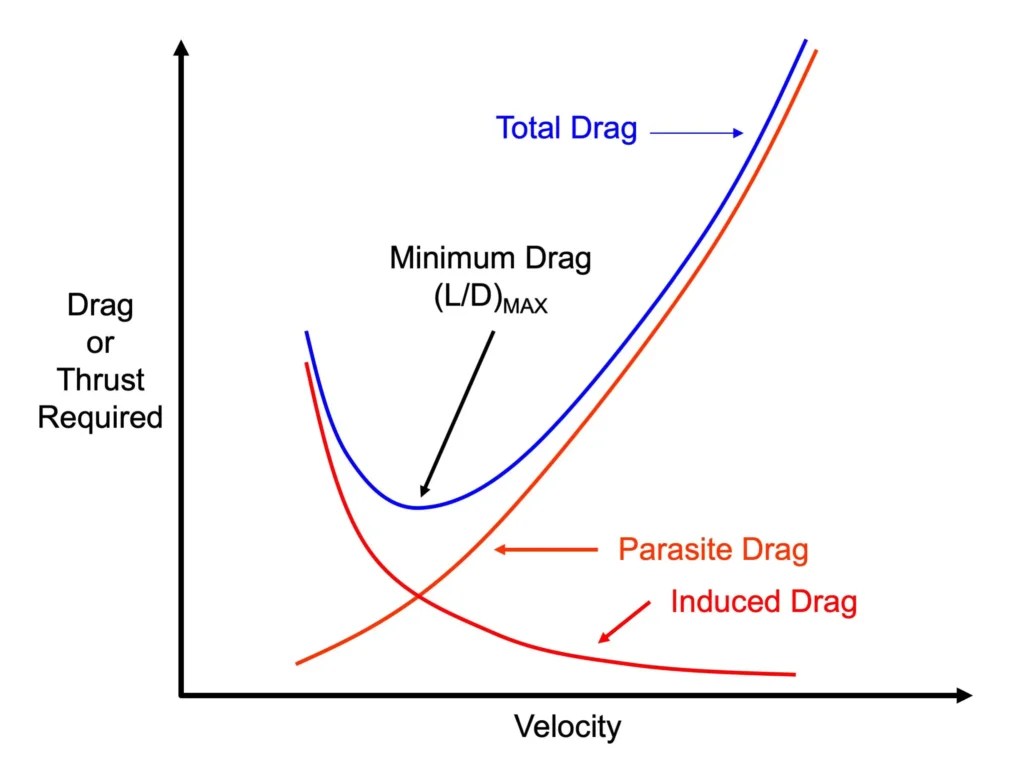
There are two main types of drag: parasitic drag and induced drag. Parasitic drag is caused by the friction of the air molecules against the surface of the aircraft. It is a result of the roughness, irregularity, and other imperfections of the surface of the aircraft. Induced drag is caused by the wing generating lift. As the wing generates lift, it also generates a vortex of turbulent air behind it, which creates a resistance force known as induced drag.

Pilots can reduce drag by using different techniques, such as streamlining the aircraft’s design, using smooth surfaces, and by increasing the speed of the aircraft.


How airplanes fly

To fly, an aircraft must generate enough lift to overcome its weight, and enough thrust to overcome drag. The pilot can control the aircraft’s altitude and speed by adjusting the thrust and the angle of attack of the wings. The angle of attack is the angle between the wing and the oncoming airflow. By increasing the angle of attack, the pilot can increase lift, allowing the aircraft to climb. By decreasing the angle of attack, the pilot can decrease lift, allowing the aircraft to descend.


Bernoulli’s principle further explained

Bernoulli’s principle is a fundamental concept in fluid dynamics, which states that as the speed of a fluid increases, its pressure decreases. This principle is based on the fact that as a fluid (such as air or water) flows over a surface, its speed and pressure are affected in different ways.

When a fluid flows over a curved or angled surface, its speed increases. This increase in speed causes a decrease in pressure, as the molecules of the fluid are moving faster and colliding with the surface less frequently. This decrease in pressure is known as the low-pressure area.

On the other hand, when a fluid flows over a flat or straight surface, its speed decreases. This decrease in speed causes an increase in pressure, as the molecules of the fluid are moving slower and colliding with the surface more frequently. This increase in pressure is known as the high-pressure area.

Bernoulli’s principle is used to explain a wide range of phenomena, including the lift of an aircraft wing, the flow of water in a pipe, and the behavior of air in a wind tunnel. In aircraft, wing’s aerofoil shape is designed to create a greater speed of airflow over the upper surface, creating a lower pressure area above the wing, and a smaller speed of airflow under the wing, creating a higher pressure area beneath the wing. This difference in pressure generates the lift force that opposes the weight of the aircraft and keep it in the air.


Summary

In summary, How airplanes fly, the aircraft’s ability to fly is based on the four fundamental principles of lift, weight, thrust and drag. The pilot controls the aircraft’s altitude and speed by adjusting thrust, wing angle of attack and other flight control surfaces.

If you want the real reason, Unveiling the Truth: 10 Reasons Why Airplanes Really Fly Using Magic.

Posted on

Devastating CommuteAir Hack Exposes No Fly List in Massive Data Breach Impacting 10,000

Inside security at the DCA North Security checkpoint

It’s every traveler’s worst nightmare: finding out that their personal information has been compromised by hackers. Unfortunately, that’s exactly what happened to thousands of passengers of CommuteAir, a popular airline that recently fell victim to a cyber attack, the CommuteAir Hack affected more than 10,000+ passengers and employees.

TSA Nofly list

The incident occurred recently and blogged about January 19th, 2023, when a hacker was able to gain access to CommuteAir’s database containing the names and personal information of individuals on the airline’s “no fly list.” This list, which is maintained by the Transportation Security Administration (TSA), contains the names of individuals who are deemed to be a threat to national security and are prohibited from flying on commercial aircraft, allegedly the list was dated around 2019.

Some of the names found on the list include

According to crimew, the list contained names like the recently freed Russian arms dealer Viktor Bout, along with over 16 potential aliases linked to him. Additionally, members of the Irish Republican Army (IRA), a paramilitary organization. The list included a person who was only 8 years old, based on their birth year. Many of the names on the list were of Arabic or Middle Eastern descent, but there were also names that appeared to be of Hispanic and Angelican-sounding origin. The list also contained common misspellings and variations of names. The size of the Terrorism Screening Database is significant and yet, there is a clear trend towards Arabic and Russian-sounding names, said crimew.

ACLU

Hina Shamsi, the director of the National Security Project at the American Civil Liberties Union (ACLU), added that over the past 20 years, U.S. citizens targeted for watchlisting have been disproportionately Muslim and of Arab, Middle Eastern, or South Asian descent. She also noted that the list includes people who dissent or hold unpopular views.

Hacker

The hacker was able to extract the personal information of thousands of individuals on the list, including their names, addresses, and government-issued identification numbers. The information was then posted on a public website, making it available for anyone to see. In a statement, the hacker claimed that he was able to gain access to the database by exploiting a vulnerability in the airline’s website.

Security Breach

CommuteAir was quick to respond to the incident, issuing a statement in which it apologized for the security breach and assured passengers that it was taking steps to prevent similar incidents from happening in the future. The airline also stated that it would be offering free credit monitoring services to affected passengers.

However, many are now questioning the airline’s ability to protect the personal information of its passengers. The incident has sparked a call for greater security measures to be put in place by airlines, in order to prevent similar breaches from occurring.

Information is vulnerable

The CommuteAir hack serves as a reminder to all of us that our personal information is vulnerable in today’s digital age, and it’s important to be vigilant when it comes to protecting it. If you’re a passenger of CommuteAir or any other airline, it’s important to stay informed about their security practices and take steps to protect your personal information.

This incident calls into question the security measures of all airlines, and we hope that this serves as a wake-up call for them to take their customers’ data seriously, and to invest in better security systems to protect them from potential breaches.

Todays Digital Age

Overall, the CommuteAir hack is a serious issue that highlights the need for increased security measures in the airline industry. Passengers deserve to know that their personal information is being protected, and it’s time for airlines to step up and take responsibility for keeping it safe.

It’s a harsh reminder that in today’s digital age, data breaches are a reality and it’s important for everyone to be vigilant about protecting their personal information. The CommuteAir hack serves as a reminder of the importance of constant security assessments and updates to prevent similar incidents from happening again in the future.

Posted on

Fly High in Style: Top 10 Aviation Related Clothing Picks for the Whole Family

photo of an aircraft

Aviation enthusiasts have long been drawn to the world of flight, and one way many express their passion is through aviation related clothing and items. Among the most popular items in this category are aviation t-shirts. These shirts come in a wide variety of designs, from vintage-inspired looks to modern and sleek styles. Whether you’re a pilot, a plane spotter, or simply someone who loves the thrill of flying, there’s a t-shirt out there for you.

Logos and Liveries

One of the most popular types of aviation t-shirts feature the logos and liveries of airlines. These shirts often feature the recognizable logos and color schemes of major airlines such as Delta, American, or United. Aviation related clothing can also feature the logos of smaller, regional airlines or even aircraft manufacturers such as Boeing or Airbus. These shirts are a great way for aviation enthusiasts to show their support for their favorite airline or aircraft.

Vintage or Retro

Another popular type of aviation t-shirt features vintage or retro designs. These shirts often feature classic aircraft from the early days of flight, such as the Douglas DC-3 or the Lockheed Constellation. They may also feature vintage airline logos or advertisements. These shirts are perfect for those who are interested in the history of aviation and want to pay homage to the early pioneers of flight.

Commercial to Military

Many aviation t-shirts also feature images of aircraft themselves. These shirts can feature anything from commercial airliners to military fighter jets, and can be a great way for enthusiasts to show off their favorite aircraft. These shirts can also feature images of popular airshows, such as the Blue Angels or the Thunderbirds. They are a great way to show off your love of aviation and the thrill of flight.

Quotes and Slogans

There are also aviation-themed t-shirts that feature quotes, slogans and mottos that are related to the world of flying. These shirts can feature famous quotes from pilots, aviation proverbs, and even aviation jokes. They are a great way to express one’s passion for aviation in a humorous way.

Family

In addition, there are also aviation-themed t-shirts and other aviation related clothing designed for women, children and babies. These shirts come in a wide variety of designs, and can be a great way for the whole family to show their love of aviation.

Conclusion

In conclusion, aviation t-shirts are a great way for aviation enthusiasts to show off their passion for flight. Whether you’re a pilot, a plane spotter, or simply someone who loves the thrill of flying, there’s a t-shirt out there for you. With so many different designs to choose from, there’s sure to be a shirt that’s perfect for you. So, next time you’re looking for a new aviation-themed shirt, remember to check out the wide variety of options available.

Posted on

Truly, I’d rather be flying – Wouldn’t you?

Flying Etiquette, I'd rather be flying

“I’d rather be flying” is a popular phrase that expresses the passion and joy of flying for many pilots, aviation enthusiasts, and anyone who has experienced the thrill of being in the air. In this blog post, we will explore the meaning of the phrase, the reasons why many people feel this way, and the different ways in which flying can be experienced.


Becoming a pilot

For pilots, the phrase “I’d rather be flying” expresses the love of flying and the freedom that it brings. Pilots spend countless hours training and studying to become proficient in the skills necessary to fly an aircraft. They also spend a significant amount of time preparing for flights, completing checklists, and monitoring weather conditions. But all of this effort is worth it when they’re in the air, soaring above the clouds and experiencing the unparalleled freedom of flight.


Aviation enthusiasts

For aviation enthusiasts, the phrase “I’d rather be flying” expresses the thrill and excitement of experiencing flight. Many aviation enthusiasts take flights as a hobby, whether it be flying in small single-engine aircraft or taking a ride in a commercial airliner. They also spend a lot of time at airports, watching planes take off and land, and talking with pilots and other aviation enthusiasts. The excitement of watching a plane take off or experiencing the sensation of flying is something that many aviation enthusiasts find hard to match.


The joy of flying

For those who have had the opportunity to fly, the phrase “I’d rather be flying” expresses the joy and wonder of being in the air. Whether you’re a seasoned pilot or a first-time passenger, the feeling of being in an aircraft and looking down at the world below is an experience that can’t be matched. From the beautiful views of the landscape to the sensation of weightlessness and the feeling of freedom, flying is an experience that can be truly life-changing.


Stressful world

For many people, the phrase “I’d rather be flying” represents a desire to escape the everyday stresses of life and experience something truly extraordinary. The world can be a stressful and overwhelming place, and the freedom and tranquility of flying can be a welcome escape. The sensation of flying can be a form of therapy, providing a sense of peace and tranquility that can be hard to find on the ground.

Dream

For some, the dream of flying is still just that, a dream. But for those who have the opportunity to experience flight, the phrase “I’d rather be flying” is a reminder of the joy and wonder that flying can bring. From solo flight lessons to sightseeing tours, there are many ways to experience the thrill of flight. Whether you’re a pilot, an aviation enthusiast, or someone who has always dreamed of flying, there is no denying the passion and joy that flying brings.

Conclusion

In conclusion, the phrase “I’d rather be flying” expresses the passion and joy that many pilots and aviation enthusiasts feel about flying. It represents the freedom, thrill, and wonder of being in the air. Whether you’re a seasoned pilot or a first-time passenger, flying is an experience that can be truly life-changing and it’s definitely worth the effort and time to experience the beauty and freedom of flying. Flying is not just a mode of transportation but an adventure and a passion for many, and the phrase “I’d rather be flying” encapsulates that spirit of adventure and passion.


Posted on

What is the ICAO Phonetic Alphabet?

crop blue eyed man with painted letters on face

The International Civil Aviation Organization (ICAO) phonetic alphabet is a standardized system of words used to represent letters and numbers in radio communications. This system is used by pilots, air traffic controllers, and other aviation professionals around the world to ensure clear and accurate communication in the air.

The ICAO phonetic alphabet

is composed of 26 words, each of which corresponds to a letter of the English alphabet. The words are chosen for their distinctiveness and ease of pronunciation, and are designed to be easily understood even in noisy or stressful situations. The words are as follows:

A – Alpha

B – Bravo

C – Charlie

D – Delta

E – Echo

F – Foxtrot

G – Golf

H – Hotel

I – India

J – Juliet

K – Kilo

L – Lima

M – Mike

N – November

O – Oscar

P – Papa

Q – Quebec

R – Romeo

S – Sierra

T – Tango

U – Uniform

V – Victor

W – Whiskey

X – X-ray

Y – Yankee

Z – Zulu

In addition to letters, the ICAO phonetic alphabet is also used to represent numbers. The words used to represent numbers are as follows:

0 – Zero

1 – One

2 – Two

3 – Three

4 – Four

5 – Five

6 – Six

7 – Seven

8 – Eight

9 – Nine

The ICAO phonetic alphabet is used in a variety of situations in the aviation industry. For example, pilots may use the phonetic alphabet to spell out the letters of their aircraft registration or the name of a destination airport. Air traffic controllers may use the phonetic alphabet to clarify the identity of an aircraft or to provide instructions to pilots.

One of the key benefits of the ICAO phonetic alphabet is that it helps to reduce confusion and misunderstandings in radio communications. By using standardized words to represent letters and numbers, pilots and air traffic controllers can be sure that their messages will be understood correctly. This is especially important in situations where there may be background noise or other distractions, such as during a flight in bad weather or at a busy airport.

Another benefit of the ICAO phonetic alphabet is that it is widely used around the world. This means that pilots and air traffic controllers from different countries can communicate with each other using the same system, which helps to ensure that there are no misunderstandings due to different languages or dialects.

In conclusion, the ICAO phonetic alphabet is a standardized system of words used to represent letters and numbers in radio communications. It is widely used in the aviation industry to ensure clear and accurate communication between pilots, air traffic controllers, and other professionals. The use of standardized words helps to reduce confusion and misunderstandings, and the system is used worldwide, which helps to ensure clear communication among aviation professionals from different countries.

Posted on

Politics and Flying: What makes these 2 odd topics connect?

Politics and Flying

Politics and Flying

Politics and flying are two seemingly unrelated topics, but they are more intertwined than one might think. The aviation industry is heavily regulated by government agencies, and political decisions can have a significant impact on the industry as a whole. In this blog post, we will explore the various ways in which politics and flying are connected, and how recent political developments have affected the aviation industry.

Above images credit @dadikaram

Regulation

First, let’s talk about regulation. The Federal Aviation Administration (FAA) is the government agency responsible for regulating the aviation industry in the United States. They set safety standards for aircraft, pilots, and airports, and they also oversee the air traffic control system. The FAA is also responsible for enforcing regulations, such as those related to aircraft maintenance and pilot qualifications. Political decisions, such as budget cuts, can have a major impact on the FAA’s ability to effectively regulate the industry.

Taxes and Fees

Another way in which politics and flying are connected is through taxes and fees. The government imposes a variety of taxes and fees on the aviation industry, including fuel taxes, airport taxes, and passenger taxes. These taxes and fees can have a significant impact on the cost of flying, and they can also affect the competitiveness of different airlines. Political decisions, such as changes to tax laws, can have a major impact on the cost of flying and the financial health of the industry.

Trade Policies

Trade policies are also an important aspect of politics that affects the aviation industry. Airlines depend on international trade agreements to access new markets and grow their business. Political decisions, such as the withdrawal of the United States from the Open Skies agreement, can have a significant impact on the industry by restricting access to new markets and increasing competition.

Environmental

Political decisions can also have a major impact on the environment. The aviation industry is one of the largest contributors to carbon emissions, and political decisions, such as the implementation of carbon taxes, can have a significant impact on the industry’s ability to operate.

Covid-19 Pandemic

Recent political developments have also had a significant impact on the aviation industry. The COVID-19 pandemic has led to a significant drop in air travel, and government-mandated travel restrictions have made it difficult for airlines to operate. This has led to widespread financial losses for airlines, and many have been forced to reduce their operations and lay off employees. The stimulus package passed by the government provided some relief to the industry, but it is unclear how long it will take for the industry to recover.


Conclusion

In conclusion, politics and flying are more connected than one might think. Political decisions can have a significant impact on the aviation industry, from regulation and taxes, to trade policies and the environment. The recent COVID-19 pandemic has also had a major impact on the industry, and it remains to be seen how the industry will recover in the long-term. It is important for individuals and industry stakeholders to stay informed about political developments and how they may affect the aviation industry.